The proposed rule would prohibit the collection of data on race, ethnicity, or sexual orientation on the short form decennial questionnaire or any questionnaire used for the enumeration of the population. It would also count only U.S. citizens and lawful permanent residents for congressional apportionment.
§70.2 Restrictions on the inclusion of certain demographic questions.
(a) No question about race, ethnicity, or sexual orientation shall appear on the short form decennial census questionnaire or any questionnaire used for the enumeration of the population.
The preamble to the proposed rule also refers to “[s]ubstantial doubts about the meaning, significance, and impact of attempting to categorize persons by race and ethnicity” that have “been reflected in shifts in the law.” This statement is supplemented by a footnote 11 that states:
11 Questions about tribal membership are not necessarily questions about race and/or ethnicity. See Constitutionality of Race-Based Department of Education Programs, 49 Op. O.L.C. ll(Dec. 2, 2025), available at https://www.justice.gov/olc/media/1421576/dl (‘‘Current equal-protection doctrine recognizes a difference between preferences based on Indian ethnicity and those based on affiliation (often membership or citizenship) in a federally recognized tribe.’’); Morton v. Mancari, 417 U.S. 535, 551–55 (1974) (discussing the ‘‘unique legal status of Indian tribes’’ and explaining how certain preferences for members of Indian tribes are not the same as preferences for discrete racial groups).
The proposed rule doesn’t say whether a tribal affiliation question could survive the proposed §70.2, but it’s worth addressing in comments to the agency.
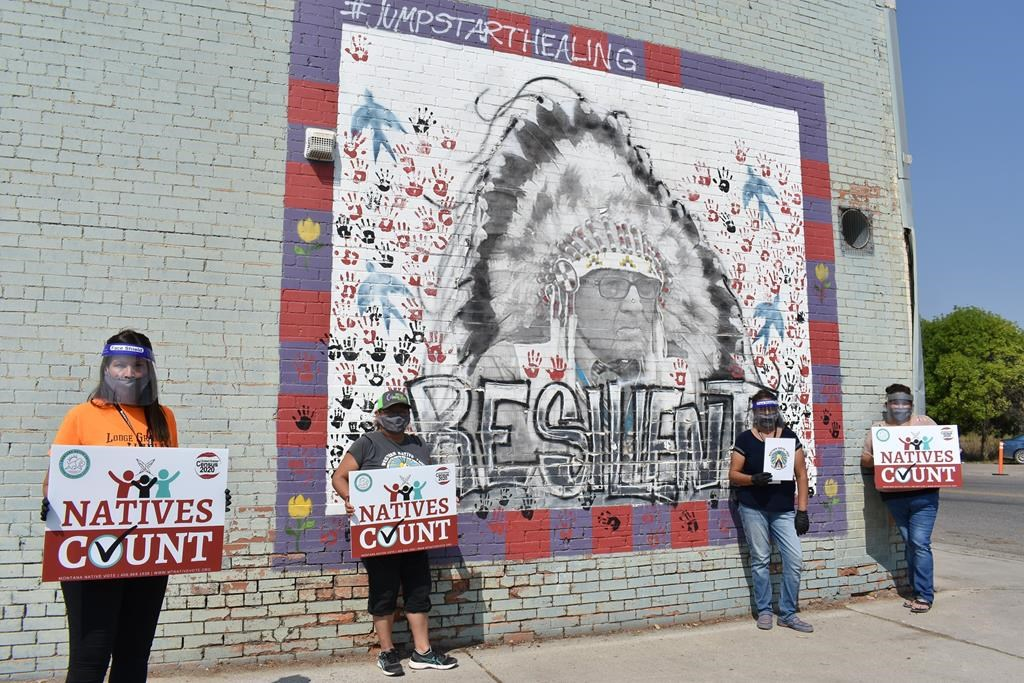
If adopted, the proposed rule would make Native people less visible in federal data, making redistricting analysis and voting rights enforcement more difficult. It would also cause Tribes to have less reliable demographic data for purposes of federal trust and treaty obligations and self-government, and it would make it more difficult for Tribes to plan for housing, health care, schools, transportation, language services, and emergencies.
Relevant Dates
Virtual Tribal Consultation on October 2, 2026 from 3:00 – 4:30 pm ET. Tribal leaders and representatives can register here. Note: The Bureau only gave two weeks’ notice for this consultation instead of its standard 30 days.
Public Comment Period deadline: October 13, 2026. Comments can be submitted here
Extended Tribal Comment Period deadline: November 2, 2026.
Additional resources
What Proposed 2030 Census Changes Could Mean for Native Communities, NARF, Sept. 29, 2026


You must be logged in to post a comment.