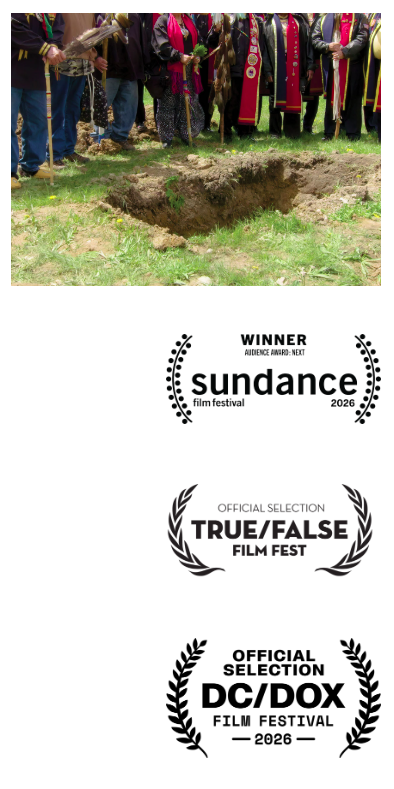
Aanikoobijigan, a new documentary by Ojibwe filmmakers Adam and Zack Khalil, follows the Michigan Anishinaabek Cultural Preservation and Repatriation Alliance as Tribal repatriation specialists work to bring Ancestors and funerary belongings home from museums and universities, including Michigan State University.
NAGPRA provides the legal framework, but the film also asks how these institutions came to possess Native human remains in the first place, and what this means for Tribes seeking to bring their relatives home.
Aanikoobijigan won the NEXT Audience Award at Sundance.
MSU is also tentatively planning a daytime screening and Tribal panel around the film, along with additional NAGPRA education and awareness programming for Native American Heritage Month. MSU’s NAGPRA office is also preparing a history of the university’s NAGPRA compliance for release in connection with that programming.
Yesterday, 130 federally recognized Tribes and 15 Tribal organizations filed an amicus brief asking the Supreme Court to grant review in Flaherty v. KalshiEX.
The case comes from the Third Circuit and doesn’t include a Tribal party. The amici acknowledge that “issues with this great an impact on Indian country ought to be decided in cases where Tribes themselves are parties.” But they argue that the Court shouldn’t wait.
New Jersey’s petition gives the Court an opportunity to resolve a conflict among three courts of appeals. The Third Circuit sided with Kalshi, while the Sixth and Ninth Circuits rejected its claim that federal commodities law displaces state gaming regulation. The Ninth Circuit later applied similar reasoning under IGRA in the Tribal-party litigation in Blue Lake Rancheria. In Blue Lake, the Ninth Circuit held that two Tribes were likely to establish that Kalshi’s sports contracts constitute unauthorized class III gaming when entered from their lands.
The brief’s introduction opens with a sharp analogy. “For centuries, prospectors have encroached on Indian lands, stealing gold, minerals, and other vital resources.” Quoting Justice Gorsuch’s dissent in Castro-Huerta, it adds, “Still, it seems old habits die slowly.”
“Today’s prospectors are so-called prediction markets,” the amici write. They argue that Kalshi is entering Indian lands without Tribal authorization, violating IGRA, and competing for revenue that supports Tribal governments.
The brief ends where it began. The Court shouldn’t leave the issue unresolved while prediction markets “plunder Indian resources in a modern-day gold rush.”
When Indigenous food knowledge enters an app, database, research project, digital map, or AI system, who controls what happens to it next? Too often, the institution collecting or storing the knowledge sets the terms.
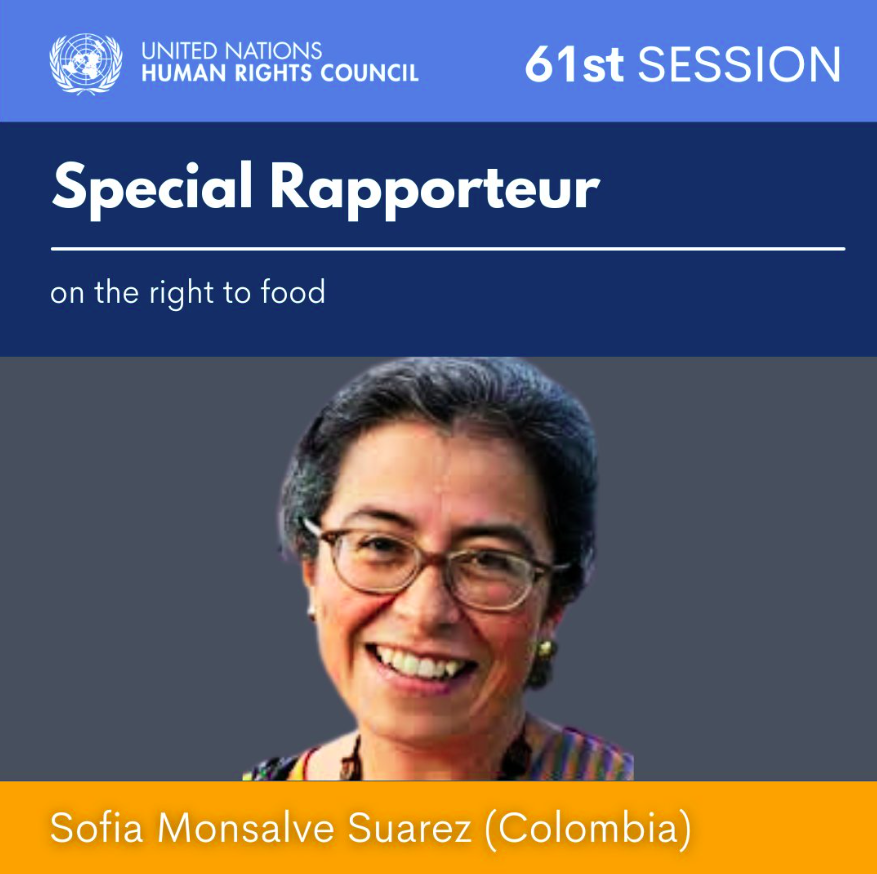
The UN Special Rapporteur on the right to food, Sofía Monsalve Suárez, is seeking submissions for a thematic report on science, technology, knowledge, and food systems. She’ll present the report to the UN Human Rights Council in March 2027. The call expressly invites Indigenous Peoples’ organizations to submit data, case studies, good practices, shortcomings, and recommendations.
Important Dates
Deadline. October 14, 2026, at 11 p.m. Geneva time and 5 p.m. Eastern
Report. The Special Rapporteur will present the report to the UN Human Rights Council in March 2027
Limit. 2,500 words or five pages, submitted in Word format
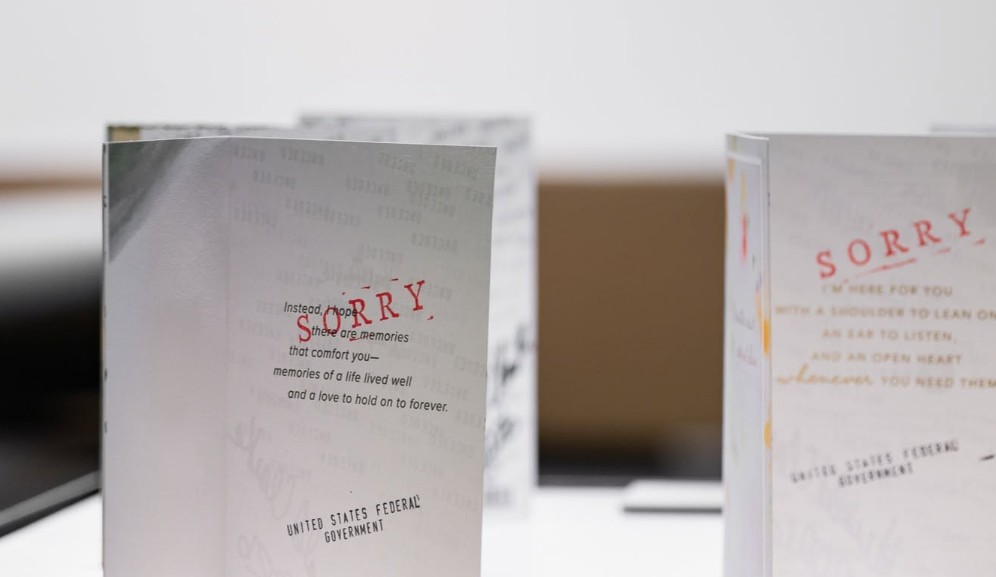
Indian Affairs is consulting Tribes on a records schedule that would make many permanent records temporary. Adoption and ICWA files, trust accounting records, and murder case files would become just some of the records eligible for destruction after 50 years; school and other program records would be destroyed after 15 to 25. Because the clocks run from cutoff, decades-old records could qualify upon approval. Indian Affairs hasn’t released the crosswalk or inventories Tribes need to see what’s affected. NARA had published a report in 2024 urging modernization, not these periods. Consultations will occur on the dates below, and comments are due November 30 at consultation@bia.gov.
NARA is separately holding Tribal listening sessions on the Chicago and San Francisco closures on October 13 at 2 p.m. Eastern and October 15 at 3 p.m. Eastern. Register by sending an email to tribalconsultation@nara.gov with the meeting date you plan to attend to receive the virtual meeting connection information.
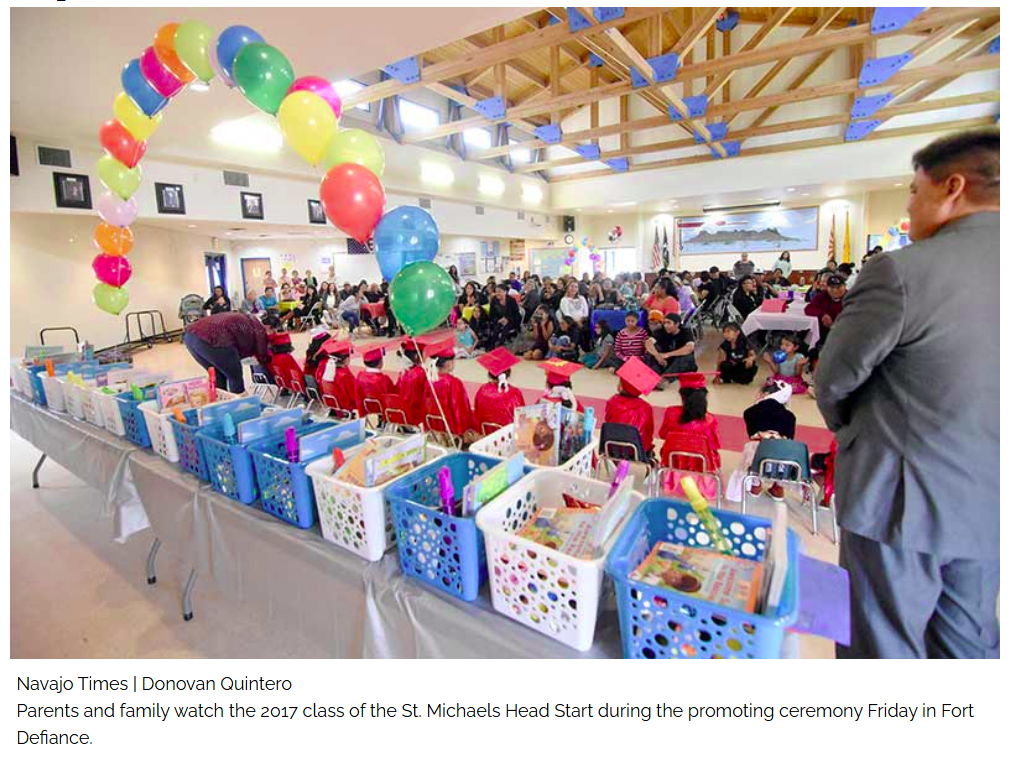
This an update to my earlier post on Head Start here.
Comments on ACF’s proposed revision of the Head Start Program Performance Standards are due tomorrow, October 6.
The Tribal consultation record already reveals substantial agreement about the proposal’s principal defects. Tribal leaders and representatives generally support eliminating unnecessary federal paperwork. But they distinguish genuine burden reduction from removing federal standards, transferring authority to states, reducing funding, or weakening the comprehensive services that distinguish Head Start from ordinary child care.
As Cherokee Nation Principal Chief Chuck Hoskin Jr. explained, “Federal deregulation should mean greater tribal self-determination, not greater state authority over tribal programs.”
What Tribal Leaders Told ACF
ACF has posted consultation testimony from the Cherokee Nation, Santee Sioux Nation, Crow Creek Sioux Tribe, Port Gamble S’Klallam Tribe, Pascua Yaqui Tribe, Muckleshoot Indian Tribe, Reno-Sparks Indian Colony, Central Council of the Tlingit and Haida Indian Tribes of Alaska, Santo Domingo Pueblo, Pueblo of Acoma, Oneida Nation, Makah Tribe, Salt River Pima-Maricopa Indian Community, Aleutian Pribilof Islands Association, Kawerak, Fort Belknap Indian Community, and others.
The testimony comes primarily from Alaska, the Pacific Northwest, the Southwest, the Great Plains, Wisconsin, Nevada, and Oklahoma. I didn’t identify testimony from any Tribes in California, the Northeast, the Southeast, or Michigan. Additional comments from those regions could document circumstances not yet reflected in the record.
Across regions, Tribal witnesses repeatedly raised:
Tribal authority and the danger of expanding state jurisdiction;
the proposed reduction of the administrative cost ceiling from 15 percent to 5 percent;
Native language immersion and Tribal control over curriculum;
workforce shortages and culturally appropriate qualifications;
rural transportation, facilities, fuel, freight, and service costs;
health, disability, nutrition, mental health, and family services;
adequate funding; and
the need for consultation to affect the final rule.
The docket also contains approximately 1,918 substantially similar mass-template comments focused on Tribal sovereignty. None appears to have been submitted on behalf of a Tribal government or Tribal organization. Those filings make the scale of public concern visible, but they don’t replace comments documenting the legal, financial, and operational consequences for particular Tribal governments and programs.
Federal Deregulation Must Not Become State Regulation
The proposal repeatedly refers to state and local licensing, regulatory, and service standards. Tribal leaders warned that these references could create uncertainty about which government’s laws apply and could be read to expand state authority over Tribal programs.
The final rule should:
recognize Tribal law wherever it refers to state or local law;
state that the regulations don’t create or expand state jurisdiction;
recognize Tribal licensing and approval systems;
recognize Tribal CCDF standards where appropriate; and
preserve a federal floor where no otherwise applicable Tribal, state, or local standard exists.
Port Gamble S’Klallam Chairwoman Amber Caldera recommended “affirmatively recognizing applicable tribal standards as governing tribal Head Start programs where the federal standards defer to state or local laws.”
Callie Parr of Butte, Montana, proposed more specific language:
“In recognition of Tribal authority, any reference to state or local law, regulations, licensing standards or other requirements apply only to the extent these requirements are otherwise legally applicable to the program. In cases where there is a potential conflict with state laws and oversight, final authority rests with the Tribal government.”
Although Parr wasn’t commenting on behalf of an identified Tribe, her language gives Tribal governments something concrete to support, reject, or refine.
The Five Percent Cap Doesn’t Fit Tribal Programs
The proposed reduction of the administrative cost ceiling from 15% to 5% was one of the most consistent objections during consultation. Fiscal administration, audits, human resources, procurement, technology, facilities, and government oversight are necessary operating functions. Many of these costs remain fixed when enrollment declines. Small and geographically dispersed programs can’t spread them across thousands of children.
The Director of Sicangu Lakota Oyate Head Start and Early Head Start reported approximately $595,530 in administrative and indirect costs, or about 7.9% of the program’s annual budget. A 5% ceiling would leave a gap of approximately $218,451.
Comments can add a program’s actual figures, identify which functions would be left unfunded, and ask ACF to retain the 15% ceiling, recognize negotiated indirect cost rates, or exempt AI/AN programs.
Rural Costs Aren’t Marginal Costs
Luisa Machuca of Kawerak reported that gas had risen to $26/gallon in Shungnak, Alaska. Fuel in Nome had reached $7.25/gallon and couldn’t be replenished by barge until the following summer. Other witnesses described air- and water-only transportation, limited housing, small substitute pools, aging facilities, high freight and construction costs, scarce behavioral health providers, and fixed expenses that don’t decline with enrollment.
Comments can document transportation distances, fuel and freight costs, facilities conditions, weather interruptions, limited vendors, provider shortages, and workforce competition. These facts can show why Tribal programs need categorical protections rather than discretionary waivers granted one program at a time.
Language Authority Includes Workforce Authority
The consultation record rejects the idea that Native language instruction should depend on a narrow or undefined exception to an English-priority rule.
Central Council of the Tlingit and Haida Indian Tribes of Alaska Vice President Paulette Moreno stated, “Our languages and culture are not optional.”
Machuca also explained that a community member may speak the local language, understand traditional child-rearing practices, know the families, and have years of experience with children even if that expertise isn’t reflected on a college transcript.
A rule can nominally permit Native language instruction while making it impossible to hire the people qualified to provide it. Comments can ask ACF to protect immersion and revitalization affirmatively, recognize Tribal authority over curriculum, and allow competency-based pathways incorporating language fluency, cultural knowledge, mentoring, and community experience.
Tribal witnesses also warned against removing standards supporting developmental screening, disability services, mental health consultation, oral health, nutrition, family support, transportation, and protections against exclusionary discipline.
Fort Belknap summarized the issue as “Saving money should not be a child’s responsibility.”
Comments can explain which services would otherwise be unavailable locally, how Head Start connects families with providers, and how federal standards help programs secure funding and partnerships. They can also ask ACF to confirm that removing a federal requirement doesn’t make the associated service an unallowable use of Head Start funds.
Consultation Must Change the Rule
Muckleshoot Policy Council Chairman Wayne Buchanan told ACF, “Meaningful government-to-government consultation must affect the outcome.”
Tribal submissions ask ACF to continue consultation before finalizing the rule, prepare a Tribal impact analysis, allow adequate time for Tribal review, and explain how significant Tribal recommendations were accepted or rejected.
The record already identifies the major defects. What it still needs is more provision-specific evidence from more Tribal governments and regions, including actual costs, applicable Tribal laws, program consequences, and proposed regulatory language.
A Useful Comment Can Be Short
A useful comment can do four things:
Identify the Tribe, program, or community;
Identify one proposed change;
Explain what that change would do locally; and
Tell ACF what it should retain, withdraw, exempt, or clarify.
Because public comments and consultation testimony are separate processes, Tribes wishing to ensure consideration in both may submit the same statement through both channels.
Comments and written Tribal consultation testimony are due tomorrow, Oct 6, 2026 by 11:59 PM EDT.
The mass-template filings have made the breadth of public concern visible, and Tribal consultation has established the principal governmental concerns. What the record still needs is broader regional representation and concrete evidence that ACF must consider before finalizing the rule.
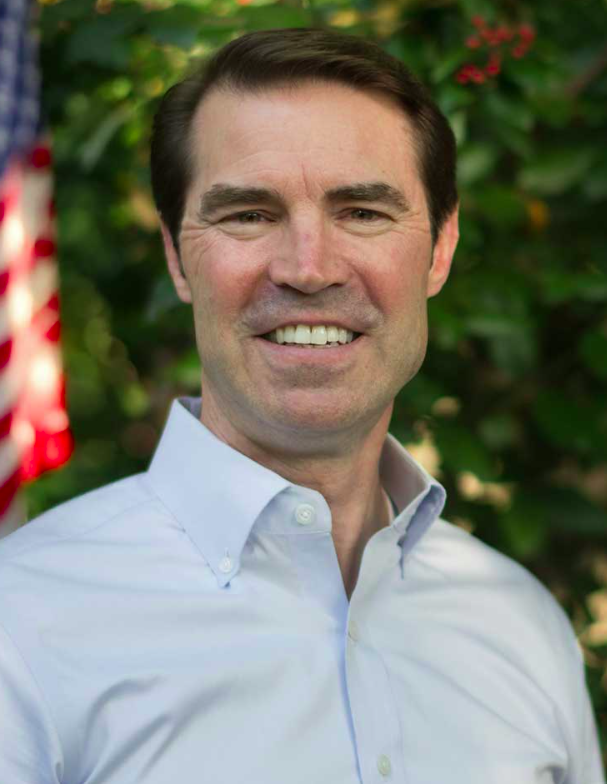
Michigan State Senator Sean McCann, a citizen of the Citizen Potawatomi Nation, is running for Congress in Michigan’s 4th Congressional District. He won the Democratic primary in August and is challenging incumbent Rep. Bill Huizenga in November. ICT reports that McCann won the primary with 67 percent of the vote. Incidentally, McCann’s democratic primary opponent was also a tribal member: Diop Harris, a citizen of the Nottawaseppi Huron Band of Potawatomi.
If elected, McCann would represent a Michigan district that includes the Pokagon Band of Potawatomi Indians, the Nottawaseppi Huron Band of Potawatomi, and the Match-E-Be-Nash-She-Wish Band of Pottawatomi Indians (the Gun Lake Tribe).
McCann’s candidacy is a remarkable example of a citizen of a Tribe whose people were displaced from the Great Lakes who’s now seeking to represent a Michigan district where several other Potawatomi governments remain.
McCann has spent more than a decade in the Michigan legislature and has worked on natural resources, appropriations, energy, and other subjects that affect Tribal governments. Indian affairs, however, haven’t been a prominent part of his public legislative profile. Apart from opposing prediction markets, which he described to ICT as an infringement on tribal sovereignty, his campaign emphasizes affordability, health care, jobs, energy costs, and elections rather than a developed platform on Tribal sovereignty, treaty rights, federal trust obligations, Indian health, or Tribal jurisdiction. His campaign priorities are here.
Asked by ICT about the Potawatomi Tribes in the district, McCann said their population, history, and heritage are important and that he’d be “thrilled to lift up and work with tribal folks” if elected. ICT’s interview is here.
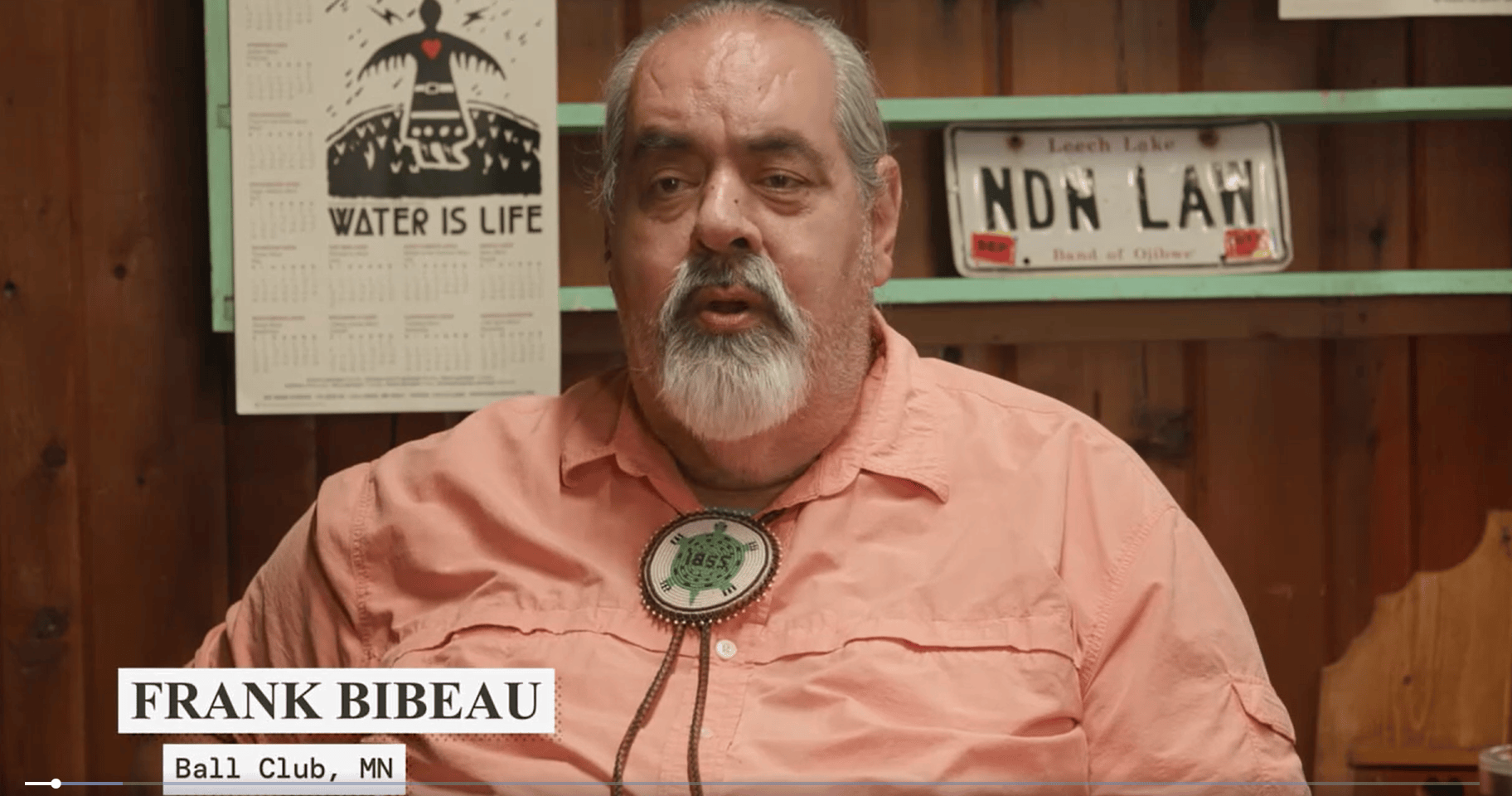
Minnesota is shaped by a long history of treaties between the United States and the Ojibwe (Chippewa), agreements that continue to influence land, rights, and sovereignty today. In a conversation with tribal attorney Frank Bibeau, this 27-minute documentary traces the major treaties that defined northern Minnesota and explains how treaty rights still function as living law.
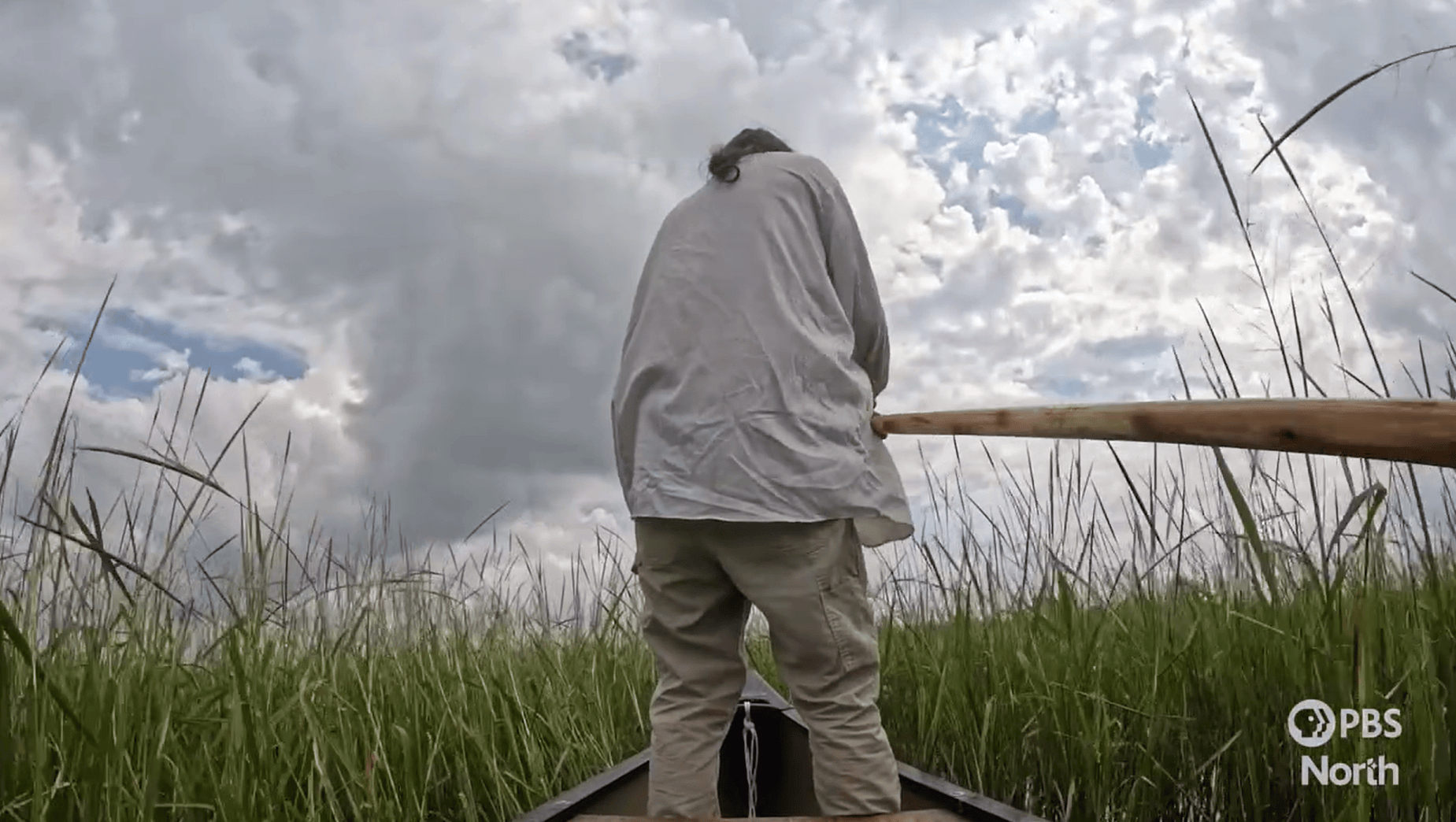
Kathleen Smith of the Great Lakes Indian Fish & Wildlife Commission shares the deep cultural significance of manoomin, or wild rice, and its connection to Ojibwe language, food systems, and treaty rights.
A recent report from NARF examines Native voting across the entire election process, from registration and voter roll maintenance through mail voting, provisional ballots, and ballot counting. The report is titled Obstacles Persist: According to the Data by Megan Gall and Kevin Stout of Blockwell Consulting, will NARF’s Allison Neswood contributing.
Using federal election data from 2020, 2022, and 2024, NARF focuses on 30 counties where Native people constitute at least 25 percent of the population. In those counties, confirmation notices increased 178% and provisional ballot use more than doubled between 202 and 2024. In 2024, 4 in 10 provisional ballots were rejected (down from nearly 2 in 3 in 2020), compared with about one in four nationally.
These barriers operate as a sequence, since a failure at one stage can push a voter into the next stage, where another barrier awaits. Unreliable mail can prevent a voter from receiving a confirmation notice, placing the voter’s registration at risk. That voter may then arrive at the polls and be directed to cast a provisional ballot, which itself carries an elevated risk of rejection.
These aren’t isolated administrative mistakes. They’re a chain of burdens produced by election systems that fail to account for the realities of Indian Country, including unreliable mail, nonstandard addresses, limited broadband, and inadequate polling infrastructure. The system transfers the resulting labor, uncertainty, and risk of error onto Native voters.
NARF’s report shows why fixing one barrier isn’t enough. Native voting access must be addressed as a connected system that affects not only individual voters, but the political power of Native communities to influence decisions that directly affect them.


You must be logged in to post a comment.