Newsom Vetoes Sacred Sites and Tribal Water Bills Despite Overwhelming Votes

Five days after celebrating legislation that formally apologized to California’s Native people and strengthened Tribal consultation, California Governor Gavin Newsom vetoed two bills that would have made Tribal interests legally consequential when the state acts.

AB 1881, the California Indian Freedom Act, would have established an enforceable religious freedom standard for Native sacred sites on specified state lands. AB 2218 would have required state water agencies to address historical inequities, protect Tribal beneficial uses, consult during certain investigations of claimed water rights, and provide mediation and a temporary pause in state action for some disputes.

Both bills received overwhelming legislative support. The Senate approved AB 1881 by a vote of 29–1, with Senator Roger Niello casting the only no vote, and the Assembly concurred 65–0. AB 2218 passed both chambers without a single no vote, 28–0 in the Senate and 56–0 in the Assembly.

The two vetoes expose the limits of California’s willingness to make its Tribal commitments legally enforceable. The state will apologize, consult, and enter voluntary partnerships with Tribal Nations, but when legislation would constrain the state’s unilateral authority through consent, strict scrutiny, injunctions, mediation, or a temporary stay, Newsom draws the line.

AB 1881 Would Have Rejected a Central Fiction of Sacred Sites Law

Federal law can permit the government to destroy a sacred place, making the religious practices tied to it impossible, without finding that the government has substantially burdened religion.

In Lyng v. Northwest Indian Cemetery Protective Association, the Supreme Court allowed a road and timber project on federal land even though the government’s own study concluded that it could devastate religious practices dependent on the affected landscape. Because the government hadn’t forced Tribal practitioners to violate their beliefs, penalized their religious conduct, or denied them a governmental benefit, the Court found no constitutional violation.

More recently, the Ninth Circuit held in Apache Stronghold v. United States that the federal government could transfer Oak Flat for a mining project expected eventually to destroy the Western Apache sacred site without imposing a substantial burden cognizable under the Religious Freedom Restoration Act. The Supreme Court declined review in 2025. Justice Gorsuch, joined by Justice Thomas, dissented, arguing that preventing a religious exercise burdens it completely.

AB 1881 would have rejected that narrow understanding of religious injury on the state lands it covered. The bill expressly recognized that denying access to a sacred place, desecrating it, materially altering it, or destroying it can substantially burden Native religious exercise. When the state imposed such a burden, it would have been required to demonstrate that its action furthered a compelling governmental interest through the least restrictive means.

The bill also defined religious exercise to include land- and water-based practices, gathering traditional foods and plants, and practices whether or not compelled by, or central to, a system of religious belief. Native religions would not have needed to conform to a church-centered model before California law recognized them as religions.

A California Tribe, including a non-federally recognized Tribe, would have had standing to assert a violation as a claim or defense in a judicial or administrative proceeding. Remedies would have included declaratory and injunctive relief, equitable remedies, and reasonable attorneys’ fees and costs.

The Bill Had Already Been Narrowed

In his veto message, Newsom said AB 1881 was “overly broad,” would disrupt the state’s ability to manage its lands, and could “delay or halt critical government functions.”

However, the California legislature had already substantially narrowed the bill. It applied only to state agency actions involving land owned by California or a state agency. It didn’t apply to city, county, district, or private land. It excluded land used for public infrastructure or services, land authorized for private use or development, and the State Water Resources Control Board’s authority over water diversion, water use, and water quality. It also protected actions necessary to address imminent threats to public health and safety.

Nor did AB 1881 transfer title, confer general Tribal jurisdiction over public land, or give Tribes an unlimited veto. Before undertaking a project on state land that risked destroying or altering a known sacred site, cutting off access to it, or causing long-term environmental degradation affecting religious practice, a state agency would have been required to seek and document a Tribe’s free, prior, and informed consent. But an agency could treat a failure to respond within a designated reasonable period as consent. If a Tribe objected, the bill provided only that the agency could request consultation. And the statutory text did not clearly provide a separate cause of action to enforce the consent provision.

What remained after the amendments was the bill’s central commitment. Consultation alone is inadequate when the state proposes to damage or destroy a sacred place. At some point, the state should have to justify the harm under an enforceable legal standard.

In practice, Newsom rejected the legislation that would have put that premise into enforceable law. His veto message instead points to consultation requirements, environmental review, repatriation law, agency policies, and Tribal co-management. Those processes may be valuable, but they generally preserve the state’s final authority. Strict scrutiny, injunctive relief, and attorneys’ fees would have subjected that authority to judicially enforceable limits.

AB 2218 Presented the Same Choice in Water Policy

Newsom’s veto of AB 2218 followed the same pattern.

The bill declared that California water policy should address historical inequities affecting Tribes and protect Tribal beneficial uses of water. It would have required the State Water Resources Control Board, on a Tribe’s request, to consult with that Tribe when investigating a claimed riparian or appropriative right to water within the Tribe’s ancestral territory. It also would have created a mediation process for specified disputes and temporarily stayed some state actions while mediation occurred.

Newsom agreed with the objective of addressing historical inequities and respecting Tribal water rights. He nevertheless concluded that the bill’s “broad scope” could interfere with the Water Board’s existing processes. He said mediation would duplicate administrative review, the temporary stay could impair protection of senior water right holders, and a proposed advisory committee would overlap with existing Tribal engagement structures.

But the supposed duplication was part of the bill’s purpose. Existing processes leave the same agency that initiates an investigation or enforcement action in control of the dispute. Mediation would have created a different forum. A temporary stay would have prevented the state from changing conditions on the ground before that process concluded.

AB 2218 didn’t give Tribes control over California water administration; it would have required the state to slow down and engage differently when Tribal interests in water were at stake. But even that limited restraint was too much for the Governor.

Recognition Without Constraint

On September 25, Newsom signed a package of bills advancing Tribal priorities. The package made Native American Day a paid state holiday for state workers, extended an apology for California’s historic atrocities against Native peoples to the legislature and the courts, made the Governor’s Office of Tribal Affairs permanent, and strengthened statewide consultation structures.

Those actions have value. But yesterday’s vetoes reveal the difference between recognizing Tribes and allowing them to constrain state power.

AB 1881 would have required the state to defend substantial burdens on Native religion under strict scrutiny and would have enabled Tribes to seek injunctions. AB 2218 would have required mediation and temporarily restrained state action in certain water disputes. One bill moved beyond consultation toward consent. The other moved beyond agency review toward a process that could interrupt agency action. Newsom vetoed both.

The contrast is especially stark because AB 1881 directly confronted harms the state’s apology acknowledges. California helped remove Native peoples from their lands, suppress their religions, and place sacred places under state control. AB 1881 recognized that the state’s resulting ownership is not a neutral starting point. It asked California to justify actions that would obstruct or destroy religions that remain inseparable from those places.

Newsom’s veto preserves the opposite arrangement. The state may recognize its history, invite Tribal participation, and voluntarily share aspects of management. But it retains the legal authority to decide when consultation ends and state action begins.

The vetoes need not be the final word. AB 1881 received 65 votes in the Assembly and 29 in the Senate. AB 2218 received 56 and 28. Those totals exceed the two-thirds majorities required to override a veto, although an override would require new votes in both chambers.

Whether legislators will take those votes is another question. California’s legislature hasn’t overridden a governor’s veto since 1979, and both chambers have adjourned for final recess. Legislative leaders would have to bring members back before the session ends on November 30. The question is whether legislators meant what their overwhelming votes appeared to say, or whether their support extended only as far as the Governor was willing to allow.

California has apologized for the historic exercise of unilateral power over Native peoples and their lands. Newsom has now declined to surrender even a limited measure of that power. The Legislature still has the constitutional authority to do otherwise.
ILPC Orange Shirt Day Book Talk

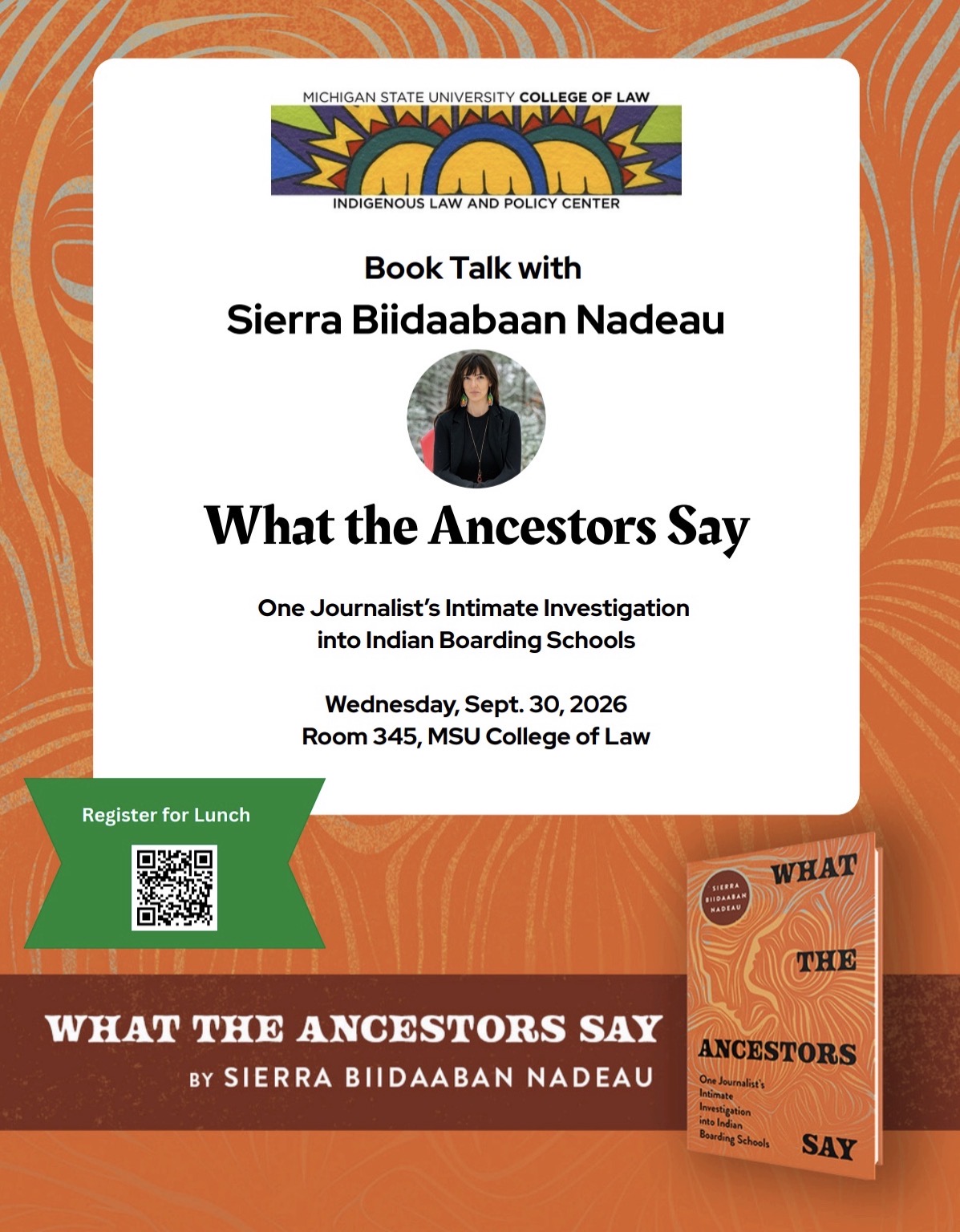
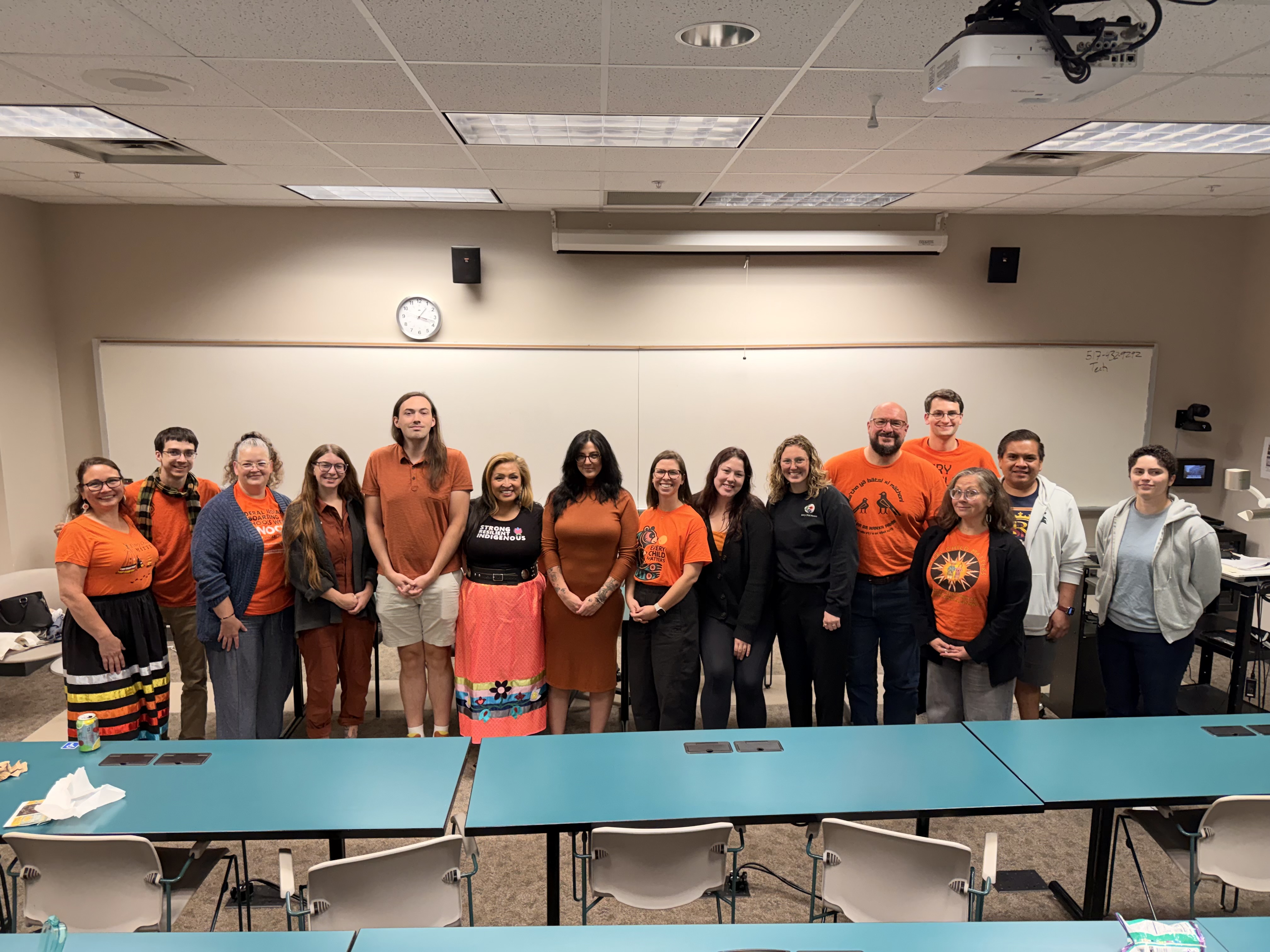
Yesterday, the Indigenous Law & Policy Center at MSU Law marked Orange Shirt Day with a lunch book talk by Sierra Biidaabaan Nadeau on What the Ancestors Say, her investigation into Michigan Indian boarding schools.

Sierra talked about the process of tracing boarding school histories through family, archives, and community, and about what it means to tell these stories in ways that remain accountable to the people whose lives they record.

A photo from the event is below.

Catawba Seeks Repeal of Federal Limit on its Citizenship Requirements

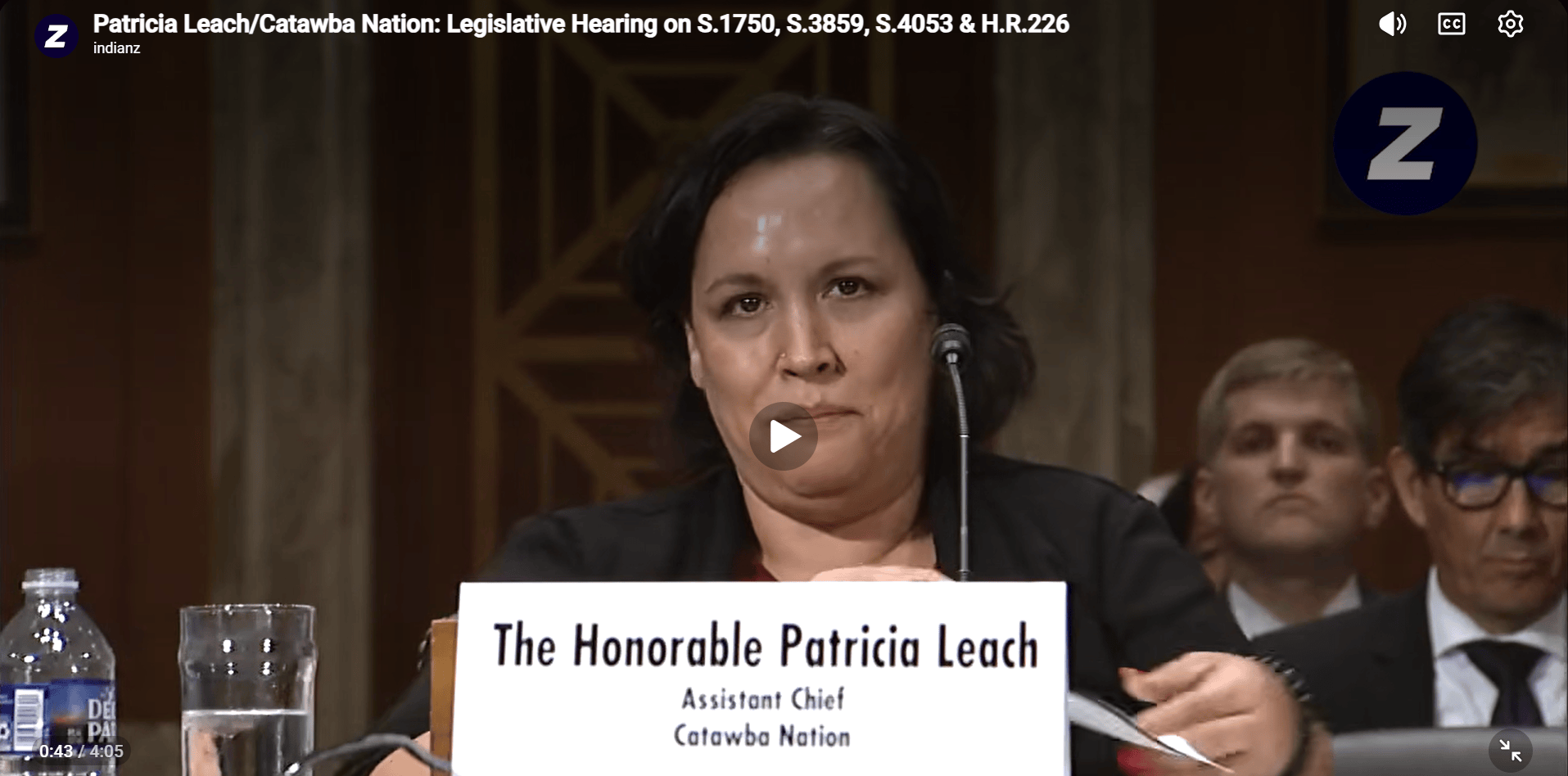
Patricia Leach/Catawba Nation: Legislative Hearing on S.1750, S.3859, S.4053 & H.R.226, Sept. 26, 2026. Click on the image above to view the video of Assistant Chief Patricia Leach’s testimony before the Senate Committee on Indian Affairs.

When Congress settled the Catawba Indian Nation’s land claims in 1993, it imposed federal requirements on who could become a citizen. Specifically, the Catawba Indian Tribe of South Carolina Land Claims Settlement Act of 1993 stated that, “[t]he Tribe shall have the right to determine future membership in the Tribe; however, in no event may an individual be enrolled as a tribal member unless the individual is a lineal descendant of a person on the final base membership roll and has continued to maintain political relations with the Tribe.” (Emphasis added.)

Those requirements helped identify recipients of settlement payments, but the payments ended decades ago, while the federal restriction remained.

Now Catawba is asking Congress to remove it. Assistant Chief Patricia Leach testified that S. 3859 would return citizenship decisions to the Nation’s Constitution and laws. If passed, the bill would strike the clause from the 1993 land claims settlement act limiting enrollment to individuals who are lineal descendants of persons on the final base membership roll and who have continued to maintain political relations with the Tribe.

The larger issue is Tribal power over membership. A federal rule created to distribute settlement money in a land claims settlement act in 1993 became an enduring restriction on Catawba’s power to define its own political community.

A portion of Assistant Chief Patricia Leach’s testimony is here:

What the Bill Does
S. 3859 strikes a portion of a single sentence from Section 7(d) of the Catawba Indian Tribe of South Carolina Land Claims Settlement Act of 1993. That clause currently prevents the Nation from enrolling any new citizen unless that person is a lineal descendant of an individual on the 1962 final roll and has maintained “continued political relations” with the Tribe.
If enacted, the bill would restore to the Catawba Indian Nation the authority to determine its own citizenship criteria under its Constitution. That authority is one of the most basic attributes of tribal sovereignty, respected by the Federal government for virtually all Tribal Nations. The bill does not rewrite the Nation’s Constitution, does not create any new federal program, and does not affect any other provision of the Settlement Act.
Why the Bill Is Needed
Congress enacted the Settlement Act in 1993 to resolve the Nation’s longstanding land claims, restore the federal trust relationship, and provide for a monetary settlement. The federal enrollment language in Section 7(d) was included in that settlement context. It helped identify a fixed number of individuals entitled to share in settlement-related distributions and provided an administrable federal standard at that time.
Those monetary distributions were completed decades ago. The federal restriction has outlived that purpose. Today, it no longer serves as a settlement-administration tool. Instead, it operates as a continuing federal limitation on the Nation’s ability to define its own political community.
The provision also includes the phrase “continued political relations,” a standard that is undefined in the Act and difficult to administer. Tribal staff must determine whether an applicant has demonstrated a sufficient political connection to the Nation, even though that standard is not clearly defined by Congress. Removing this language will allow the Nation to administer citizenship through its own Constitution and laws rather than through an outdated federal overlay.

Action Item: U.S. Census Bureau to hold virtual Tribal Consultation on Oct. 2 on proposed rule that eliminates race and ethnicity questions from decennial census questionnaire

The proposed rule would prohibit the collection of data on race, ethnicity, or sexual orientation on the short form decennial questionnaire or any questionnaire used for the enumeration of the population. It would also count only U.S. citizens and lawful permanent residents for congressional apportionment.

§70.2 Restrictions on the inclusion of certain demographic questions.
(a) No question about race, ethnicity, or sexual orientation shall appear on the short form decennial census questionnaire or any questionnaire used for the enumeration of the population.

The preamble to the proposed rule also refers to “[s]ubstantial doubts about the meaning, significance, and impact of attempting to categorize persons by race and ethnicity” that have “been reflected in shifts in the law.” This statement is supplemented by a footnote 11 that states:

11 Questions about tribal membership are not necessarily questions about race and/or ethnicity. See Constitutionality of Race-Based Department of Education Programs, 49 Op. O.L.C. ll(Dec. 2, 2025), available at https://www.justice.gov/olc/media/1421576/dl (‘‘Current equal-protection doctrine recognizes a difference between preferences based on Indian ethnicity and those based on affiliation (often membership or citizenship) in a federally recognized tribe.’’); Morton v. Mancari, 417 U.S. 535, 551–55 (1974) (discussing the ‘‘unique legal status of Indian tribes’’ and explaining how certain preferences for members of Indian tribes are not the same as preferences for discrete racial groups).

The proposed rule doesn’t say whether a tribal affiliation question could survive the proposed §70.2, but it’s worth addressing in comments to the agency.

If adopted, the proposed rule would make Native people less visible in federal data, making redistricting analysis and voting rights enforcement more difficult. It would also cause Tribes to have less reliable demographic data for purposes of federal trust and treaty obligations and self-government, and it would make it more difficult for Tribes to plan for housing, health care, schools, transportation, language services, and emergencies.

Relevant Dates

Virtual Tribal Consultation on October 2, 2026 from 3:00 – 4:30 pm ET. Tribal leaders and representatives can register here. Note: The Bureau only gave two weeks’ notice for this consultation instead of its standard 30 days.

Public Comment Period deadline: October 13, 2026. Comments can be submitted here

Extended Tribal Comment Period deadline: November 2, 2026.

Additional resources

Proposed Rule: Decennial Census of the Population of Americans; Proposed Residence Criteria and Proposed Regulations for Demographic Questions

Dear Tribal Leader Letter

What Proposed 2030 Census Changes Could Mean for Native Communities, NARF, Sept. 29, 2026

Orange Shirt Day: Reclaiming the Place, Rebuilding the Record

Today is Orange Shirt Day, which commemorates Native children who were taken to Indian boarding and residential schools and recognizes the enduring harms those institutions caused. In Michigan, the Saginaw Chippewa Indian Tribe is showing that remembrance also means reclaiming the place where Indian boarding school policy was carried out and rebuilding the record to ensure the history can be understood.

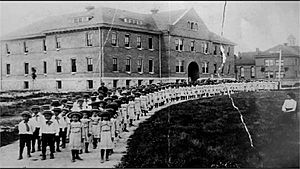
The Mount Pleasant Indian Industrial Boarding School, c. 1910

The Mount Pleasant Indian Industrial Boarding School operated from 1893 to 1934, where federal assimilation policy targeted Indigenous languages, cultures, and spirituality. The Tribe’s history and timeline are here.

In 2011, the Tribe accepted conveyance of 8.86 acres containing six historic school buildings and Mission Creek Cemetery. It later secured National Register listing and is working toward restoring selected buildings for the Tribal Historic Preservation Office and a museum devoted to Indigenous history, research, and education. The Tribe’s account of the conveyance is here, and the preservation vision is here. Now, buildings once used to suppress Indigenous identity are being remade into Tribal institutions charged with preserving it.

The Tribe is also rebuilding the record. The Tribe’s Ziibiwing Center of Anishinaabe Culture & Lifeways is creating a searchable digital archive of Mount Pleasant student records, and in 2026 the Institute of Museum and Library Services awarded the Tribe $220,901 to digitize 37 more boxes of correspondence at the National Archives in Washington, DC. The goal is to create a single publicly accessible Tribal repository. The Ziibiwing archive is here, and the 2026 IMLS grant description is here.

Proposed Evidence Rule Would Put Tribal Records on Equal Footing and Could Ease Proof of Indian Status in Federal Prosecutions

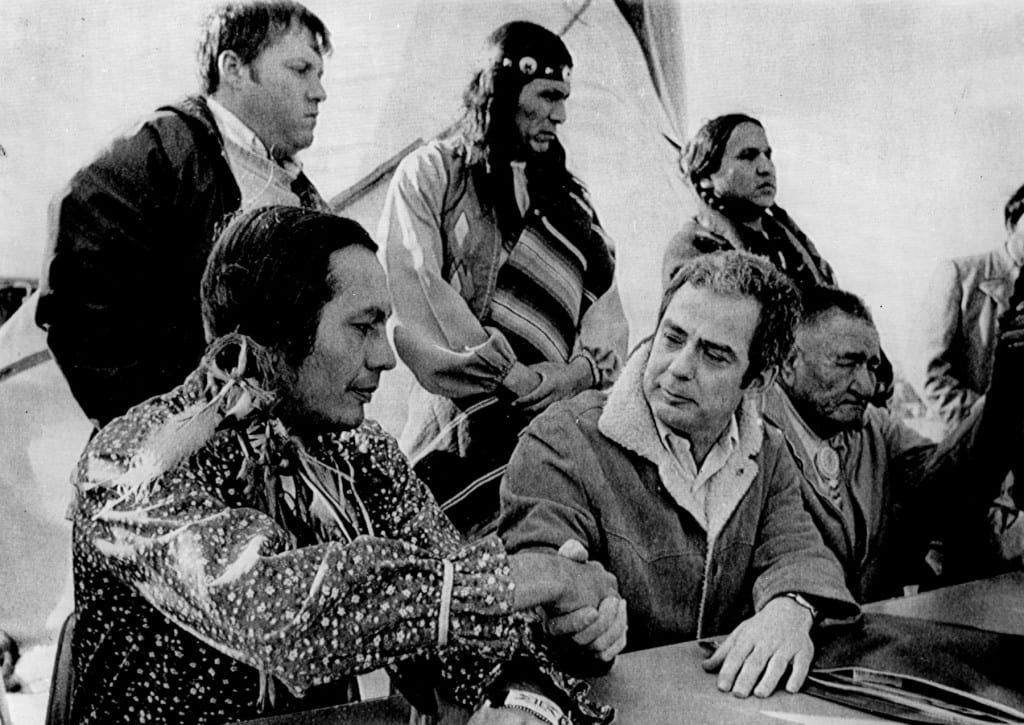
Russell Means shakes hands with Assistant Attorney General Kent Frizzell, father of Judge Gregory Frizzell of the Northern District of Oklahoma, as AIM signs a treaty to end the occupation of Wounded Knee; National Guardian Photographs; PHOTOS 213; box 9; folder 26; Tamiment Library/Robert F. Wagner Labor Archives, New York University.


The federal judiciary has proposed amending Federal Rule of Evidence 902(1) to add “a federally recognized Indian Tribe or Nation” to the governments whose sealed and signed public documents are self-authenticating.

The sovereignty argument is simple. Rule 902 already covers the United States, states, territories, political subdivisions, and even the former Panama Canal Zone. The Advisory Committee saw “no reason to differentiate” Tribes and Nations, and its proposed Committee Note says the amendment recognizes Tribal sovereignty and would conserve Tribal officials’ resources.

Eight Tribes of the 574 contacted for comments responded to the Committee’s outreach, and all supported the amendment. Their comments emphasized sovereign parity, the unfairness of treating Tribal government records differently from those of other sovereigns, and the burden of requiring Tribal officials to provide extra authentication for routine official records.

But the present push for the amendment is also tied to the post-McGirt expansion of federal Indian country criminal prosecutions in Oklahoma. Judge Gregory Frizzell of the Northern District of Oklahoma revived the proposal in 2024, and DOJ then advocated the amendment in part to address “inefficiencies and proof problems” in cases requiring proof of the Indian status of defendants or victims.

That matters because prosecutors recently lost convictions in a handful of cases after problems admitting evidence of Indian status. But those cases didn’t necessarily turn on issues that the proposed amendment to Rule 902 would address.

The Federal Defenders have voiced opposition to the proposed amendment. One concern they’ve highlighted is a scenario involving a non-Indian defendant prosecuted under the General Crimes Act for an offense against an Indian victim. Such a defendant may have no personal knowledge of the victim’s Indian status and little ability to investigate the relevant underlying records. Assistant Federal Public Defender Jami Johnson (Choctaw Nation of Oklahoma) argues that the amendment could, “as a practical matter,” function like an irrebuttable presumption on that element.

The deeper tension is that while Tribal governments have a strong claim to equal treatment as sovereigns, the United States is also pushing for the rule amendment to strengthen its own exercise of criminal jurisdiction in Indian country.

Opportunity to weigh in

Additional Resources

Quinault Nation Went from Lacking Broadband Access to Building the Pacific NW’s New Landing Point for Transpacific Internet Cables


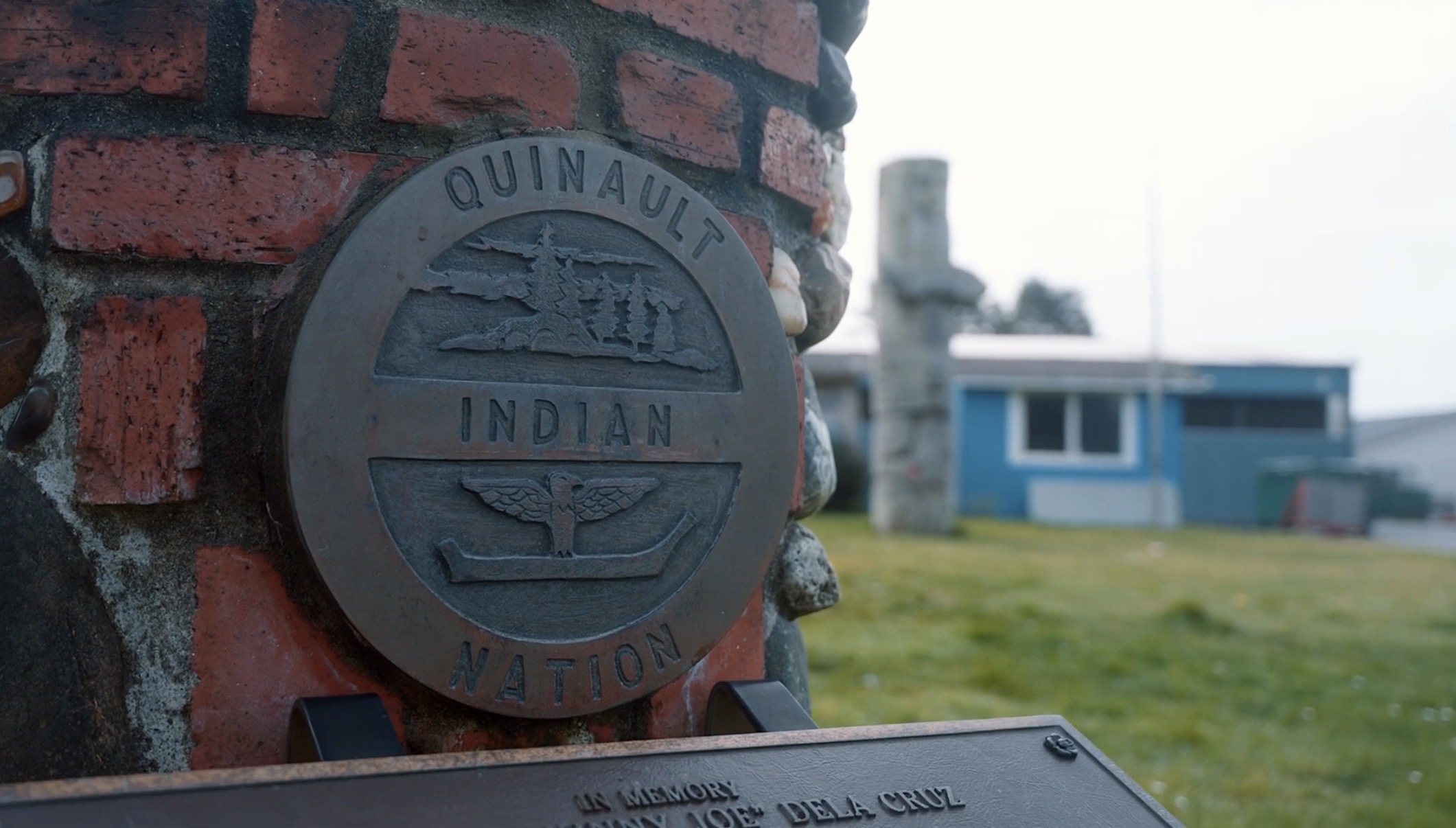
Roughly one-third of the Quinault Reservation lacks internet access at home. The remaining two-thirds have service below the FCC’s minimum broadband standard. Now Quinault is building infrastructure that one of the world’s largest technology companies needs to connect North America and Asia.

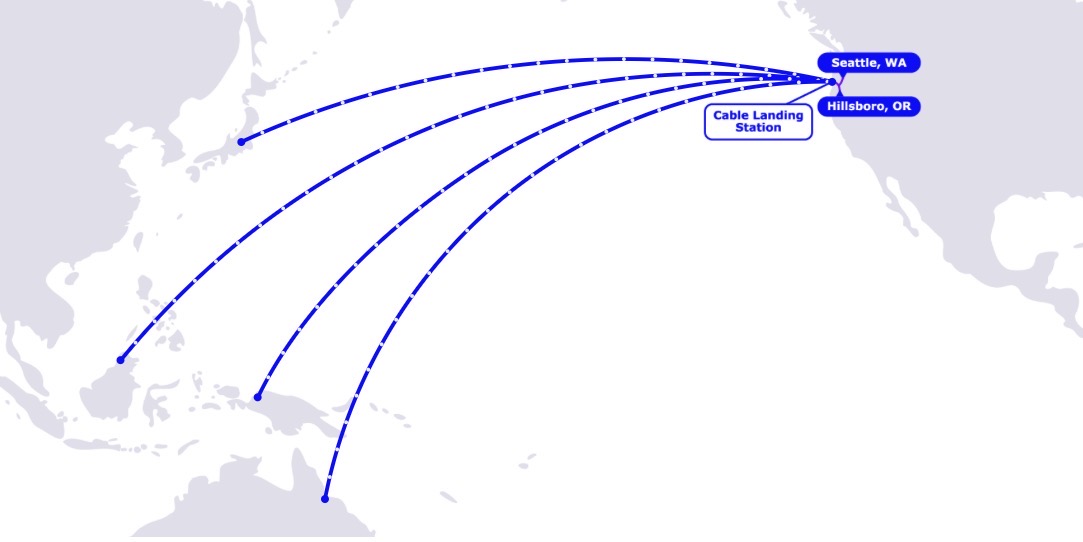
Amazon Web Services will own Sta’O’Nuk, a subsea cable planned to connect Washington and Japan in 2029. Quinault, through Toptana Technologies, is constructing the Tribally-owned landing station where that cable will connect with terrestrial fiber networks.

Sta’O’Nuk, which means “lightning serpent” in the Quinault language, will be the facility’s first cable, but Toptana is building something larger than an AWS terminal. The open-access station is designed to accommodate additional subsea systems, while its backhaul network will connect the Washington coast with major interconnection markets in Seattle and Hillsboro.

The landing station won’t itself connect individual homes, but Toptana says the infrastructure is intended to enable affordable high-speed service for Quinault and other underserved communities.

Quinault’s geography made this possible. It’s one of only four Tribal Nations in the United States with coastal access and adjudicated ocean rights. But geography alone didn’t create the project. The Nation began exploring broadband infrastructure in 2017 and created Toptana in 2022 with Quinault’s business committee approving the organizing of Toptana under the Tulalip Tribe’s LLC law in 2025.

Tribal law supplied the institutional foundation. Quinault invested in Toptana, remains its sole shareholder, supplied land and rights-of-way, and retained authority over major contracts. Tribal officials have also described an approved profit-sharing arrangement intended to return revenue to the Tribal government.

Quinault began this work because its own community lacked adequate broadband. It’s now becoming an owner of the physical infrastructure that will carry communications across the Pacific and into the Pacific Northwest.

Click on the image above to watch a 3 minute video on Toptana Technologies: Our Vision for Connectivity for All

Additional resources

Toptana Technologies Website and Video Overview

Quinault Indian Nation and Toptana Project Timeline

AWS Announcement of the Sta’O’Nuk Subsea Cable

New Exhibit in NYC: 100 Native Posters Take Over Poster House

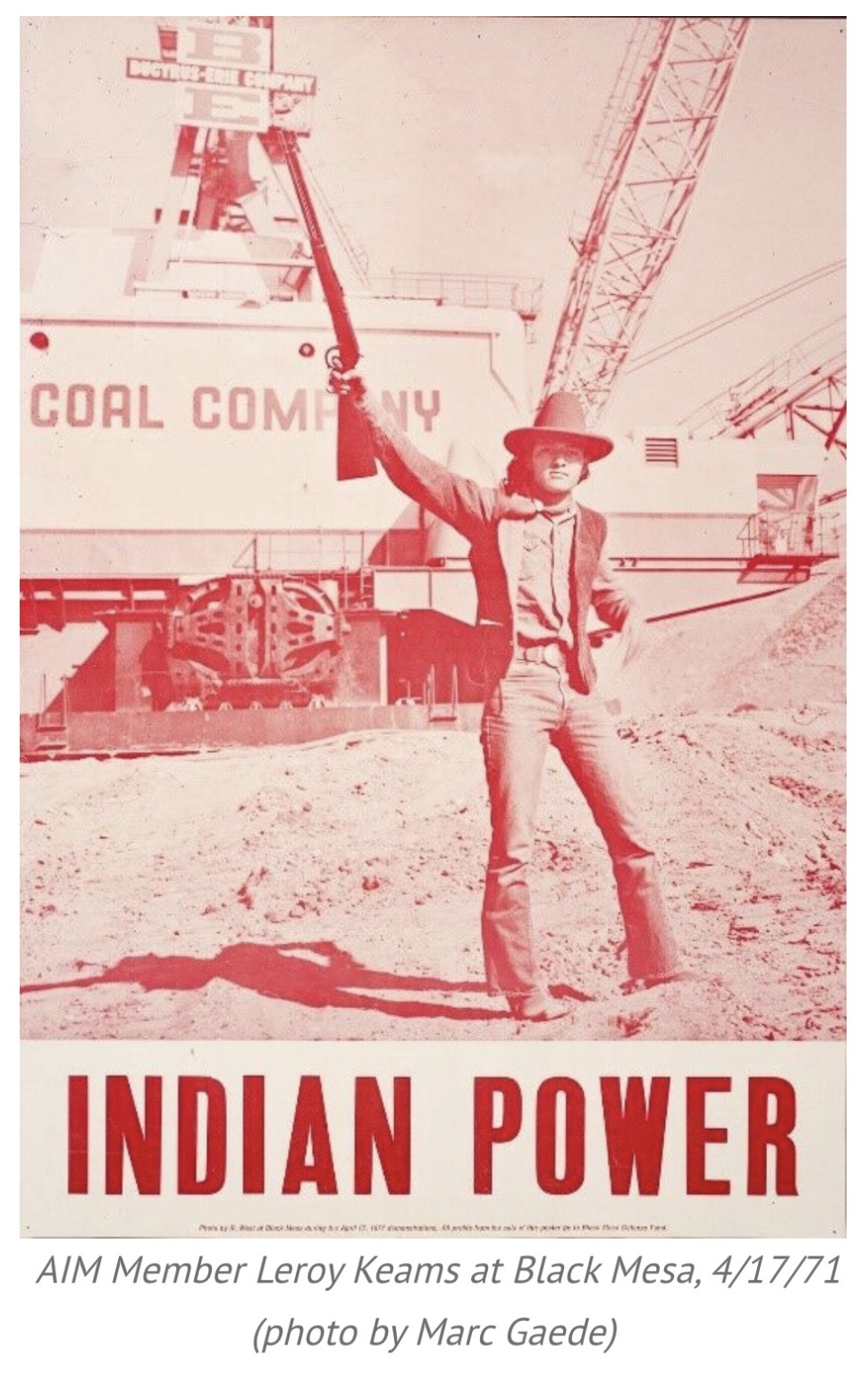
NYC’s Poster House museum just opened a must-see exhibit called Designed to Be Red⁠, curated by Brian Johnson (Monacan Indian Nation). The exhibit⁠ brings together posters from Indigenous graphic designers representing more than 60 Tribes.

Poster House is located in Chelsea in NYC. The exhibit runs from September 25, 2026 to February 21, 2027.

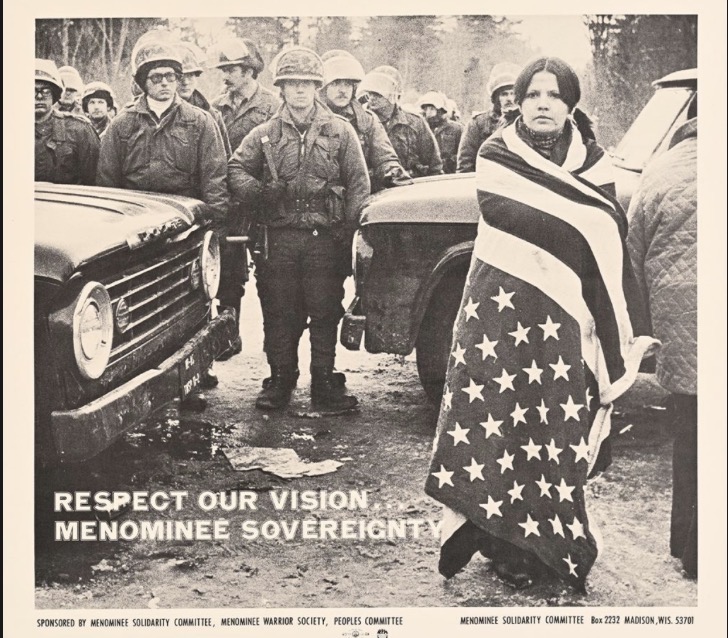
Respect our Vision, 1976. Menominee Solidarity Committee

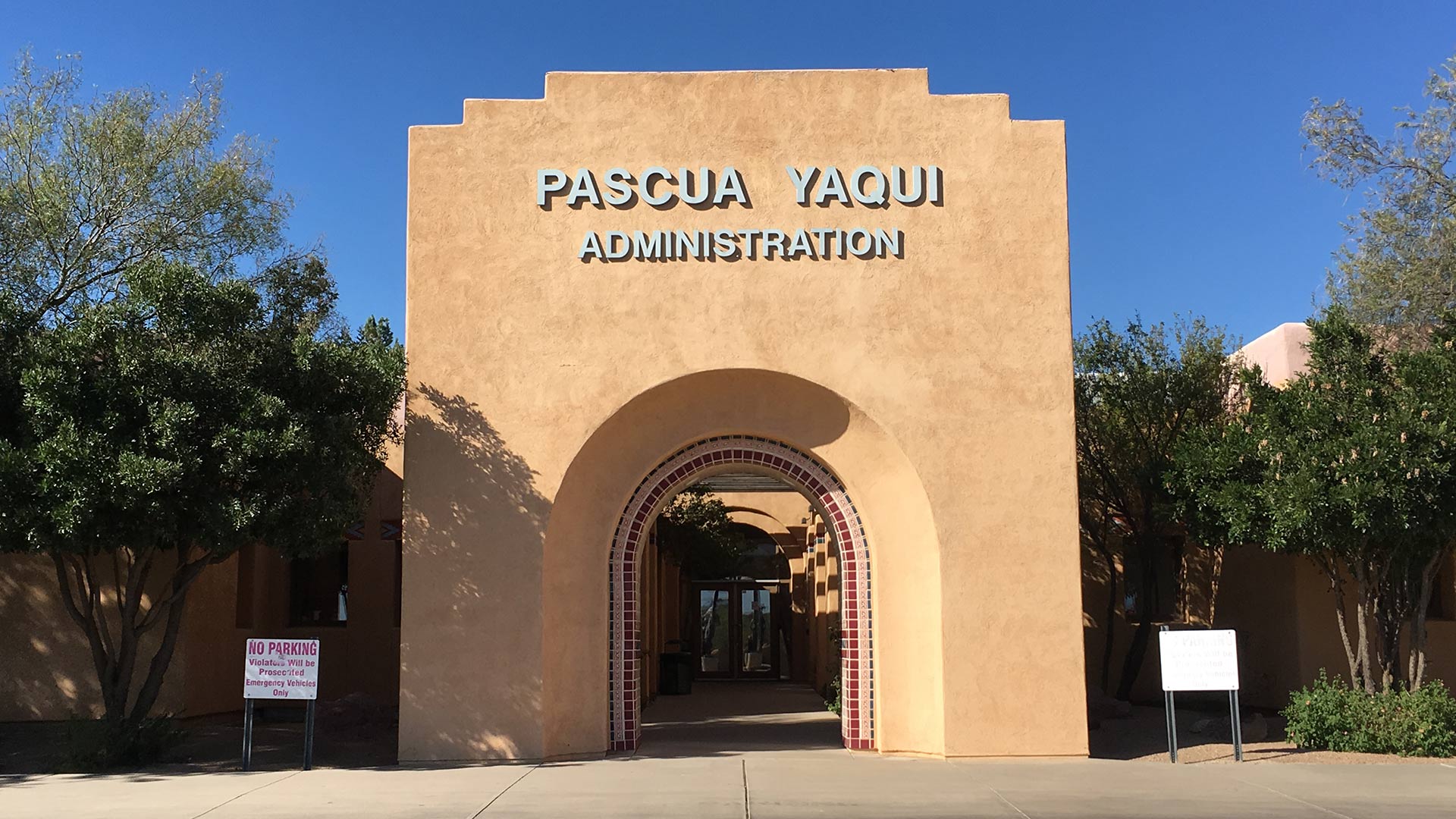
Job Announcement – Pascua Yaqui Tribe

The Pascua Yaqui Tribe seeks applicants for the position of Assistant Attorney General.

The link to the job announcement is here.

Orange Shirt Day at MSU Law: Sierra Biidaaban Nadeau on What the Ancestors Say


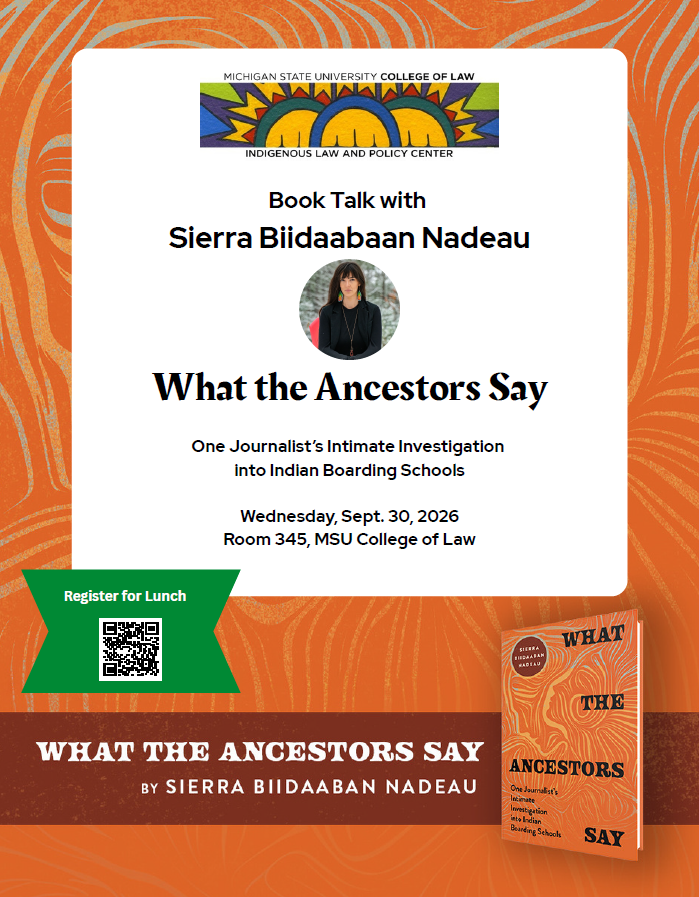
Odawa author Sierra Biidaaban Nadeau’s new book, What the Ancestors Say: One Journalist’s Intimate Investigation into Indian Boarding Schools, is officially released on September 29. The very next day, on Orange Shirt Day, September 30, she’ll join us at MSU Law for a book talk hosted by the Indigenous Law & Policy Center.

Please register at the QR code in the poster above to rsvp.