Jeffrey Toobin’s new book of historical gossip about the Supreme Court is out, and a very good read. I’ve only made it through the first few chapters (reading last night at the park while Owen ran around with his soccer team, the Jaguars). Two things, only one of which is important.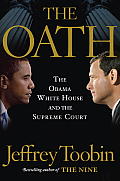
First, President Obama’s views on the Constitution and the federal judiciary are important, especially to those of us Indians who think it’s important to have an Indian or two on the federal bench. He’s not an activist. The Warren Court and the first half of the Burger Court were activist courts for the liberals, and the second half of the Burger Court, bits and pieces of the Rehnquist Court, and now the Roberts Courts were (are) activist courts for the conservatives. Toobin shows how Obama’s views of the Supreme Court and the federal judiciary differ from many conservative judges and justices (I’m not sure I buy Toobin’s all-in argument that the Chief Justice is an activist — much of this book was written before the ACA cases). True social change cannot come from on high, dictated by the courts, but instead through legislation and governing (i.e., winning elections). Sam Deloria’s been saying this for years. The real fights in the 1960 and 1970s over the very existence of federal Indian law have given way to the fights over how to govern. All too often, I suspect (and perceived from some of my clients), tribal leaders think the best way to govern is to demand more and more sovereignty from the courts. It probably doesn’t happen a lot, but it does happen.
Obama’s views on the constitution and the federal judiciary earn him a lot of heat from the left, who want him to do what the Reagan/Bush presidencies did — pack the judiciary with like-minded people. While I do hope he fills some judicial seats (and finally succeeds in getting some Indians in there) in the next term, Indian country better not expect a bunch of liberal acitivist judges. Even if he could get them through the Senate (he can’t, the filibuster will prevent that), he wouldn’t appoint them. Everyone lining up to put their name on a judicial appointments list of eligible American Indians should think about that before they talk to their Senators or whomever.
Second, and less important, more evidence about how the Supreme Court’s clerks think about Indian law. On page 54, Toobin repeats what everyone knows — the clerks 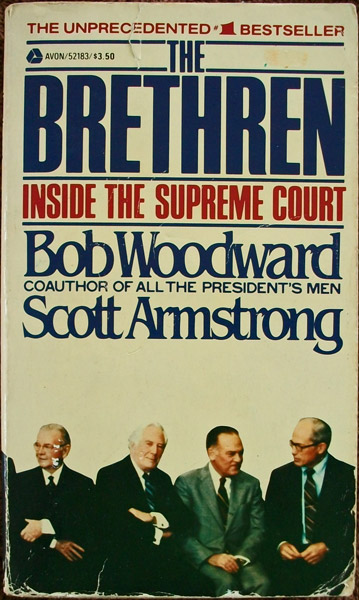 think of Indian law cases as “dogs.” I guess it’s an improvement from when Justice Brennan called the Indian cases “chickenshit” in The Brethren. This is another good opportunity to remind tribal leaders that the Court just isn’t interested in Indian issues. The Court largely believes its obligations in Indian affairs are to make sure that tribal governance doesn’t unduly affect nonmembers and to make sure Interior doesn’t go too far in supporting tribal interests.
 Turtle Talk
You must be logged in to post a comment.