Additional Findings from NNI/NICWA on Tribal Child Welfare Codes

Here.

Researchers reviewed 107 publicly available, tribal child welfare codes for U.S.-based tribes with populations ranging from 50 to 18,000 citizens. Researchers sought out the most up-to-date tribal child welfare codes available for each tribe, reporting that approximately 45% of the 107 codes were amended after 2000. The research team analyzed over 100 variables on the topics of culture, jurisdiction, tribal-state relationships, child abuse reporting, paternity, foster care, termination of parental rights, and adoption. A more detailed report on this study will be released later this fall. For more information about this project and its findings please contact the Native Nations Institute: Mary Beth Jäger (Citizen Potawatomi) jager@email.arizona.edu.
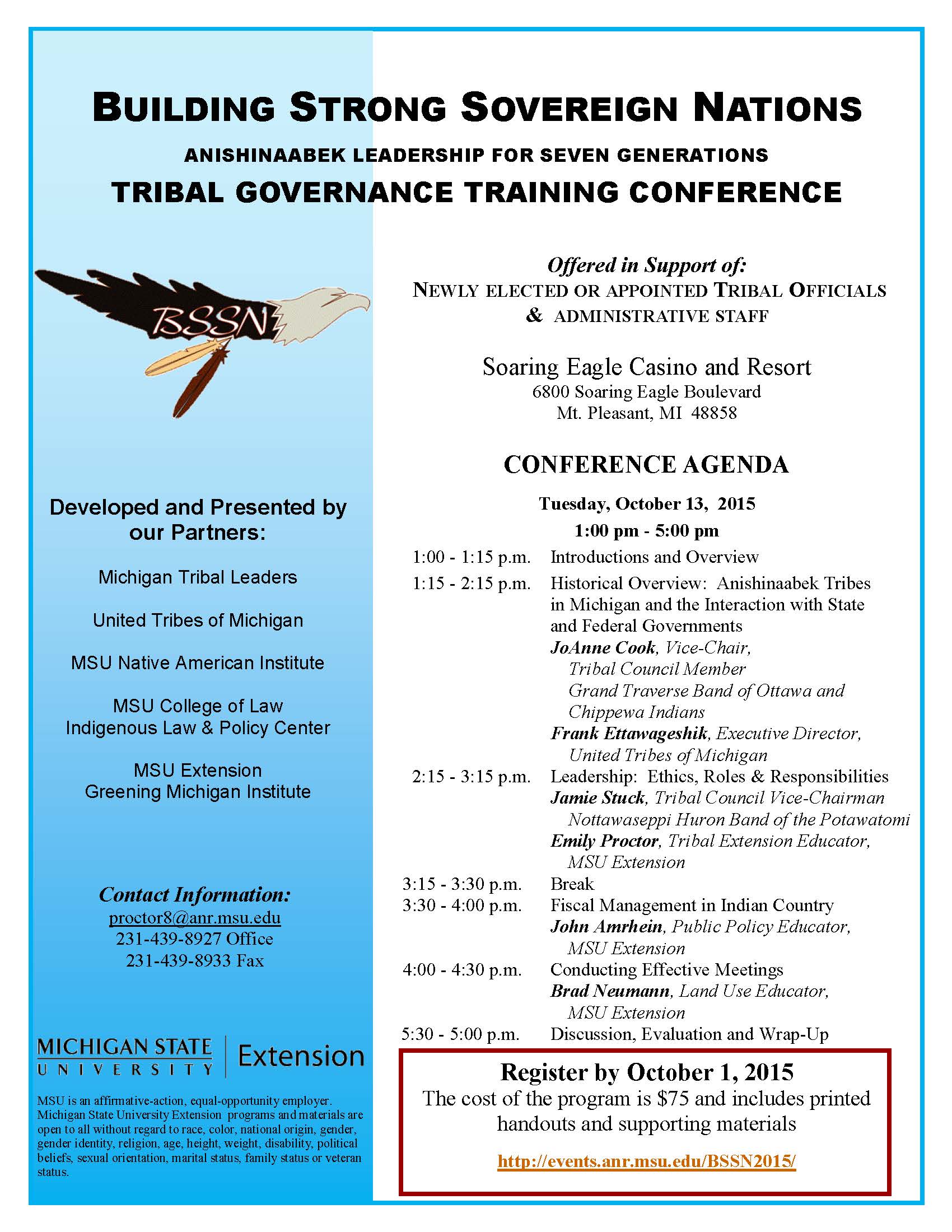
Cool poster here. First cool poster here.

Article On Trafficking at MHA Nation (Three Affiliated Tribes)

Here.

With no anti-trafficking law of their own to deal with the crime and all signs pointing to a crisis, a group of tribal women snapped into action to work on a legislative solution. “No one said, ‘Here is the course on dealing with trafficking, and this is how you’re going to execute it,’ ” Young Bird says. “We’ve had to teach ourselves.”

“We all came together,” adds Cummings, “pulled what we could to the table, rolled up our sleeves, and got down and dirty with the whole situation.”

As an aside–there should be a collection of all the times someone writes something along the lines of “a small group of Native women made a massive difference in the face of collective indifference and ignorance.”

HT to a lot of Facebook friends who shared this.

@ilpc_turtletalk Instagram Account

As usual, TurtleTalk runs a few years behind the technology curve, but eventually catches up. We have an Instagram account now–@ilpc_turtletalk. It is linked to both our Twitter (@ilpcturtletalk) and Facebook accounts.

DOJ Motion for Summary Judgment and National Orgs Amicus Brief Filed in Guidelines Litigation

Latest filings in Nat’l Council for Adoption v. Jewell:

DOJ Memorandum for Summary Judgment

A favorite footnote (5 is good too):

10 Finally, BAF does not elaborate as to why placement with an Indian child’s family or tribe could not also be “loving,” and its silence is telling. ICWA was designed as a remedy for precisely this type of bias: the stereotype held by some child-welfare advocates that Indian children will be better off placed with a non-Indian family. See Miss. Band of Choctaw Indians v. Holyfield, 490 U.S. 30, 37 (reiterating that Congress feared that application of a “white, middleclass standard” will, “in many cases, foreclose[] placement with [an] Indian family”). BAF’s misguided view is, at best, an “abstract concern” that is insufficient to create standing. See Lane, 703 F.3d at 675 (citing Simon, 426 U.S. at 40).

National Organizations (NCAI, NICWA, AAIA) Amicus Brief in Support

BIA Issues Land into Trust Decision for Mashpee Wampanoag

Here.

WASHINGTON, D.C. – Assistant Secretary – Indian Affairs Kevin K. Washburn today issued a decision approving a request by the Mashpee Wampanoag Tribe to acquire 170 acres of land into trust in the town of Mashpee, Mass., for tribal governmental, cultural and conservation purposes, and 151 acres in trust in the City of Taunton, Mass., for the purpose of constructing and operating a gaming facility and resort. The lands in both Mashpee and Taunton will become the tribe’s first lands held in trust.

Repost: National ICWA Attorney Survey

Posting this one more time because it worked smashingly for a tribe yesterday. Fill it out! Forward it on!


In an attempt to better protect ICWA, tribes, and AI/AN families,
NICWA and the ILPC have put together a short survey to collected ICWA attorney information nationwide. If you are in-house or outside counsel, if you are a parents’ attorney interested in taking ICWA cases, if you are legal aid agency who represents tribes, if you stumbled on this post and would be willing to represent a tribe from another state in an ICWA proceeding, please fill this out this poll.

The information will be sent to NICWA, and not sold or otherwise distributed beyond what is indicated. Please forward this questionnaire to the ICWA attorneys in your network and encourage them to submit their information as well.

Here is the link.

Federal ICWA Litigation Documents

We don’t post every time a document is filed in the current federal ICWA cases (EDVA, AZ, MN, NDOK), but will be posting updates as orders are filed or briefing is completed on an issue, as usual.

However, many filings for all four cases are being updated regularly here.

Letter(S) to the Editor Regarding ICWA in the Washington Post

Here.

Bolstering accountability of the U.S. justice system and providing regulations for its interaction with Indian child-welfare cases secures the safety, health and well-being of Indian children and their tribal nations. The act is a public-health policy that prompts prevention-based measures to restore wellness for Indian children and their families. A sharp focus on the legal status of native children as citizens of self-determining tribal nations is fundamental. Indian children possess an inherent political status that predates the United States, a reality supported by centuries of U.S. law and policy.

Edited to add Senator Dorgan’s letter in the WaPo as well. Here:

When we talk about “blood-stained” laws, we should talk about the history of the treatment of Native Americans: laws of genocide, sterilization, forced removal and assimilation; compulsory boarding schools; underfunding of critical health care; and a trail of broken promises.

These were written in response to a particularly egregious and racist syndicated column by George Will we did not post.

On Friday he put up a second column about the Washington football team. If you want to know what he’s saying, given that his columns are syndicated and run nationwide, here are links to them that don’t boost them on a google search:

Anti-ICWA Column

Name of Washington Football Team Column

NPR on Pilot Program for Tribes to Access National Crime Databases

Here.

Under the Justice Department pilot program, 10 tribal communities will get their own hardware and training, so they don’t need to rely on local authorities.

John Dossett, general counsel of the National Congress of American Indians, said that matters.

“The states have been, you know, some of them are good to work with, some of them don’t work with tribes,” he said, “so it’s been an issue that’s been going on for a long time.”

Dossett pointed out that tribes have been pressing the federal government to open up the criminal databases for 10 years. And Congress has made it a priority, too.

He added that tribes are watching now to make sure the Justice Department program will be a continuing effort, one that will expand all over the country.

“We’re in a trust-but-verify situation,” Dossett said.