


I’ve been watching the qualified expert witness decisions coming in that are finally starting to wrestle with both the Regulations and the Guidelines, and I think they are narrowing in on conflicting requirements that will likely make it increasingly difficult to find a QEW.
First, the purpose of the QEW is for the state to find a witness (hopefully in collaboration with the Indian child’s tribe) that agrees a child needs to go into foster care or agree with a termination of parental rights. This is an attempt to address state bias, obviously, in the removal of Native children. The law only requires the testimony of the QEW support the findings, and doesn’t specifically require magic language from the QEW. The Regulations are fairly thin on the requirements of a QEW but there are two major elements:
“A qualified expert witness must be qualified to testify regarding whether the child’s continued custody by the parent or Indian custodian is likely to result in serious emotional or physical damage to the child and should be qualified to testify as to the prevailing social and cultural standards of the Indian child’s Tribe.” 25 C.F.R. 23.122
This decision from New Mexico finds the QEW was qualified on the social and cultural standards, but was not on the serious emotional or physical damage to the child. There is a similar decision on this from Alaska, and really problematic language in the Guidelines that is leading to the focus on the specialized expertise of the witness regarding the ability to testify about continued custody and a de-emphasis on the social and cultural standards of the Tribe. I personally have mixed feelings about this, but I would advise practitioners to read this opinion especially as to laying the foundation for the testimony of the QEW. And I’d also reiterate my usual advice that Tribes can always introduce their OWN witness to address cultural tribal issues.
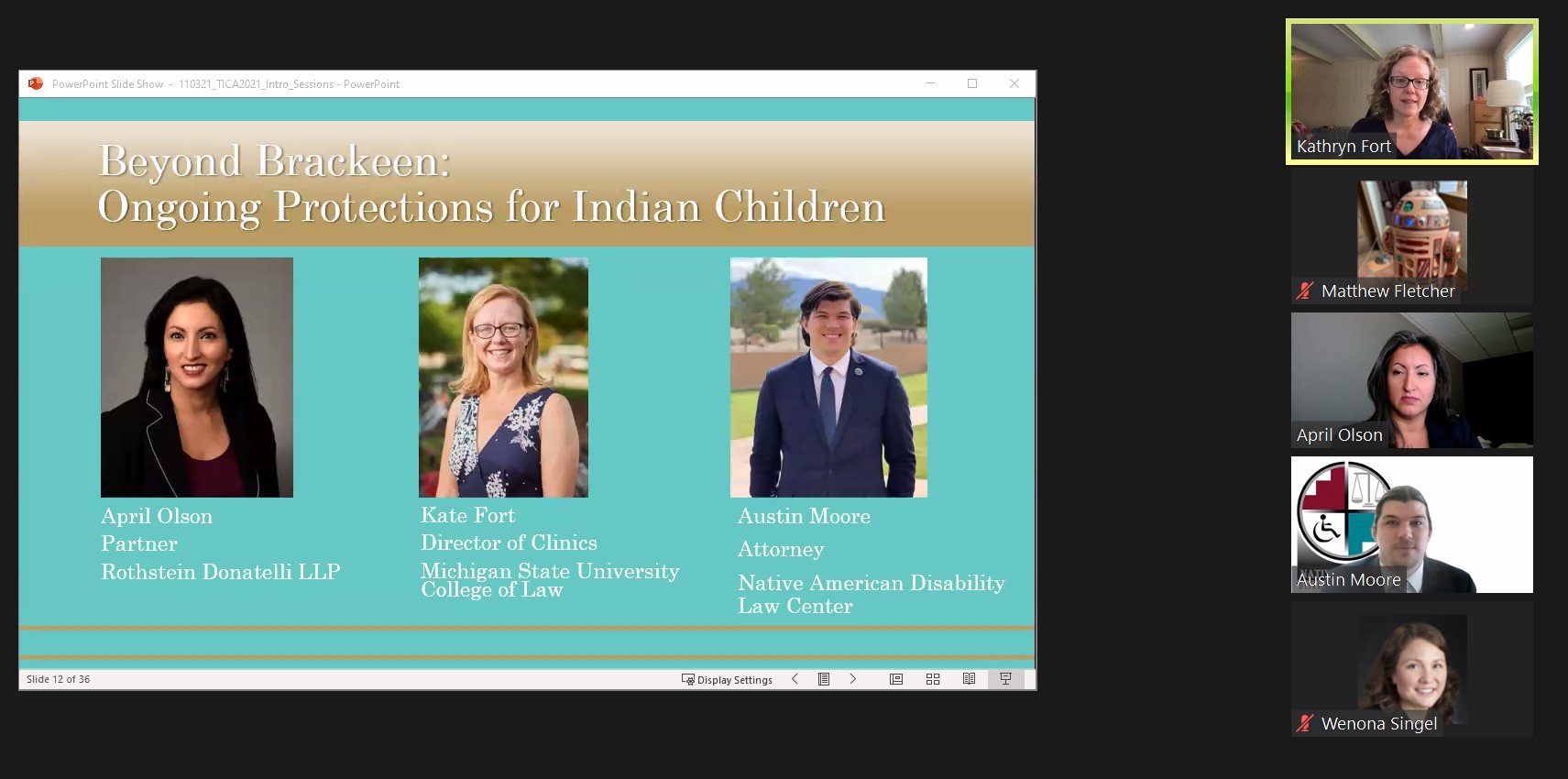

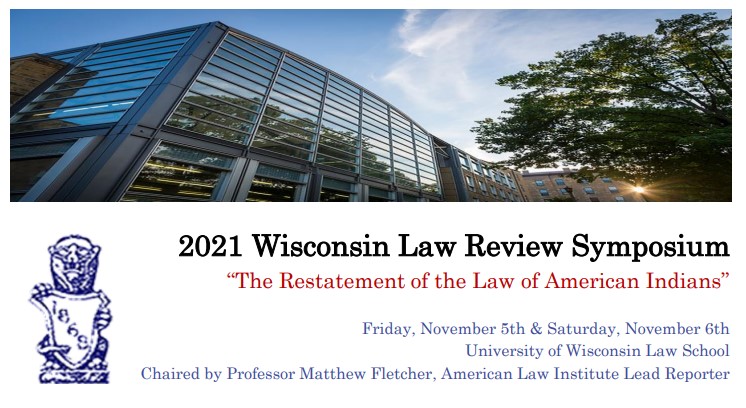
Once you’re done with TICA tomorrow, head on over to the Wisconsin Law Review’s symposium on the Indian law restatement. The symposium agenda is here.
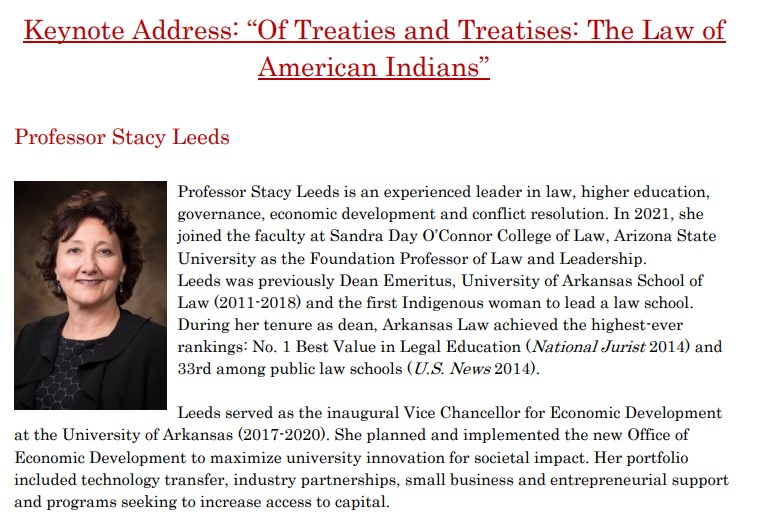
Stacy Leeds is the keynote speaker:
Check out the podcast with the reporters, Fletcher, Singel, and Smith here.
Fingers crossed on whether we get a gargoyle. . . .
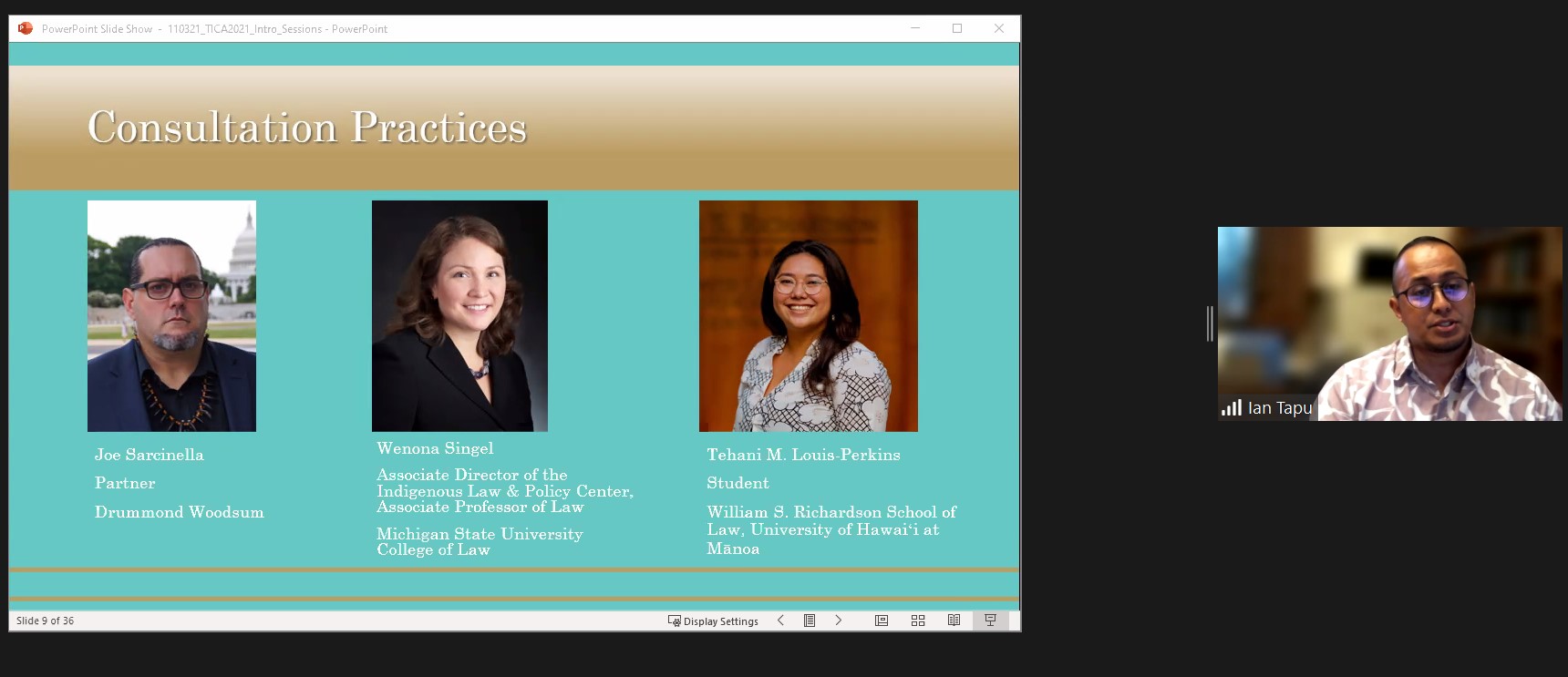
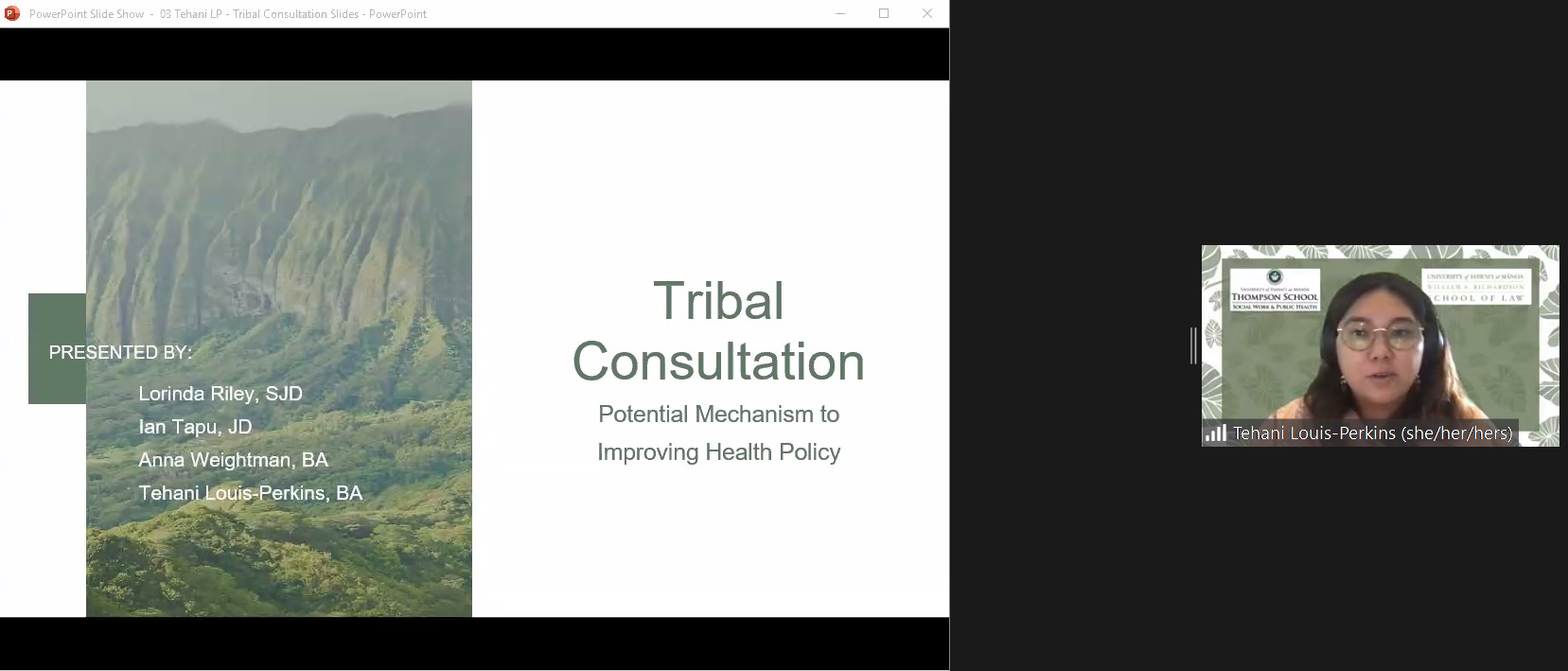
Ian Tapu




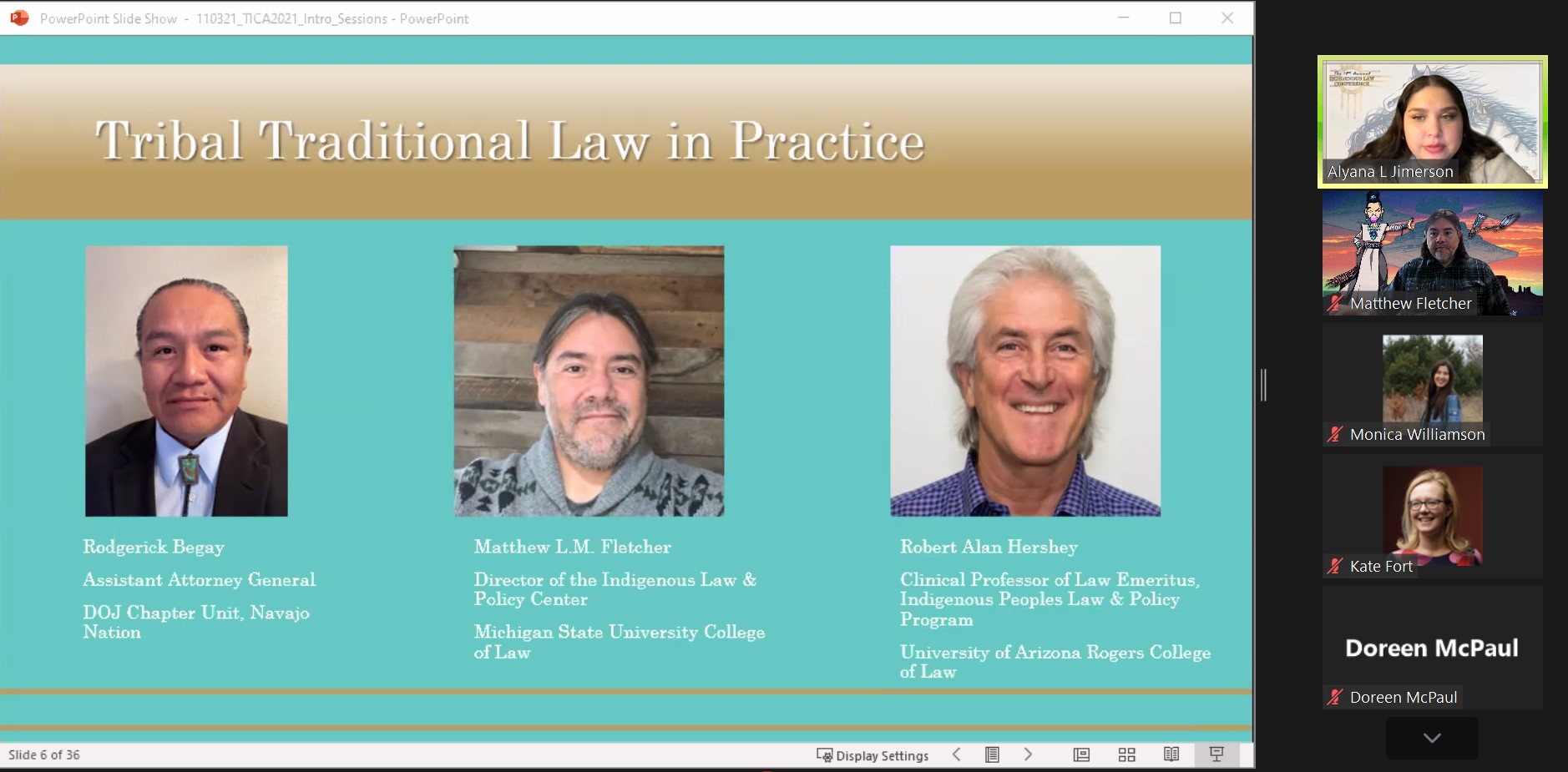


MSU Law Assoc. Dean Ferguson

November 5th, 2021 | 2:15pm-3:30pm ET | 1.25 Ethics CLE
Indian Country lawyering is mostly unregulated. Tribes and tribal courts can regulate attorney conduct, but usually do not until there is egregious misconduct. This session explores how tribes could prevent and remedy misconduct. Tribal governments can and should adopt tribally specific rules of professional conduct.
Matthew L.M. Fletcher: Director of the Indigenous Law and Policy Center, Michigan State University College of Law
Moderator – Doreen Nanibaa McPaul: TICA President, Attorney General for the Navajo Nation
 Turtle Talk
You must be logged in to post a comment.