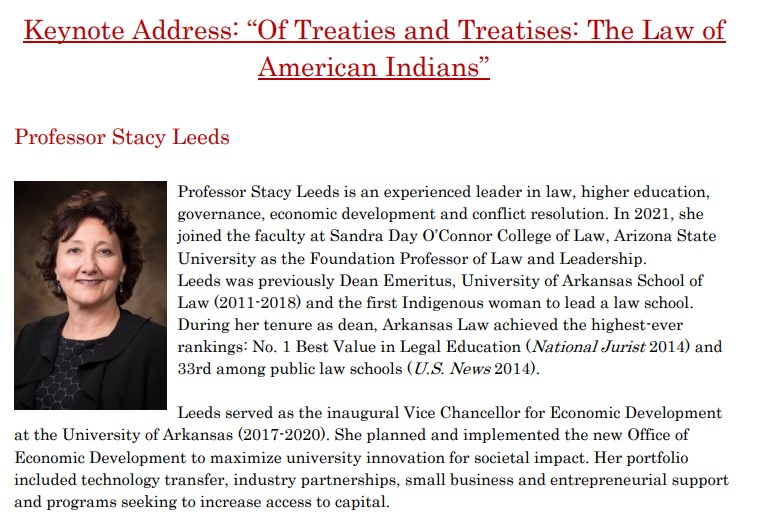
Just a reminder that early bird registration for the Symposium on the Restatement of the Law of American Indians closes on January 31. The program is packed with speakers and panelists from around the nation who participated in the development of the Restatement and will feature keynote presentations from Judge William Fletcher of the 9th Circuit and Justice Montoya Lewis from the Washington Supreme Court. Use the link below to register soon for the best rates.
The goal of this essay for the Wisconsin Law Review’s symposium on the Restatement of the Law of American Indians is to develop a framework on the durability of this restatement. The aadizookaanag are unusually durable in terms of their transmission of underlying, foundational lessons, but the stories change all the time. The earth diver story explores and describes the critically important connection between the Anishinaabeg and the creatures of Anishinaabewaki, but only a very broad level of generality. How the Anishinaabe tribal government in the 21st century translates those principles into modern decision making requires new analysis, new stories. Additionally, old aadizookaanag may fade into irrelevance, even disrepute, as times and conditions change.
Law is the same. Restatements are intended to be durable and persuasive, supported by the great weight of authority, but not permanent. There are provisions in the Indian law restatement I believe are truly timeless, while the law restated in some sections is likely to change a great deal over the next few decades. I choose four sections in the restatement and match them with one of the four directions sacred to the Anishinaabeg. The youngest direction, Waabanong, the east, is the most likely to change. The next youngest, Zhaawanong, the south, is older, but still subject to change. Niingaabii’anong, the west, is still older, wiser, less likely to change, but also very dark in its philosophies. Kiiwedinong, the north, is the oldest, wisest, and most durable, yet distant. A restatement section includes black letter law, law that is well settled and indisputable. The reporters’ notes that accompany the black letter law constitute the legal support for that statement of law. The stronger the legal support, more durable the black letter.
In the east, I choose one of the plainest, easiest to restate principles of federal Indian law, the bar on tribal criminal jurisdiction over non-Indians. In the south, I choose the law interpreting the federal waivers of immunity allowing tribes to sue to the United States for money damages. In the west, I choose the darkest, yet perhaps the most foundational principles, the plenary authority of Congress in Indian affairs. For the north, I choose tribal powers, the oldest and most durable of all of the principles in the restatement.
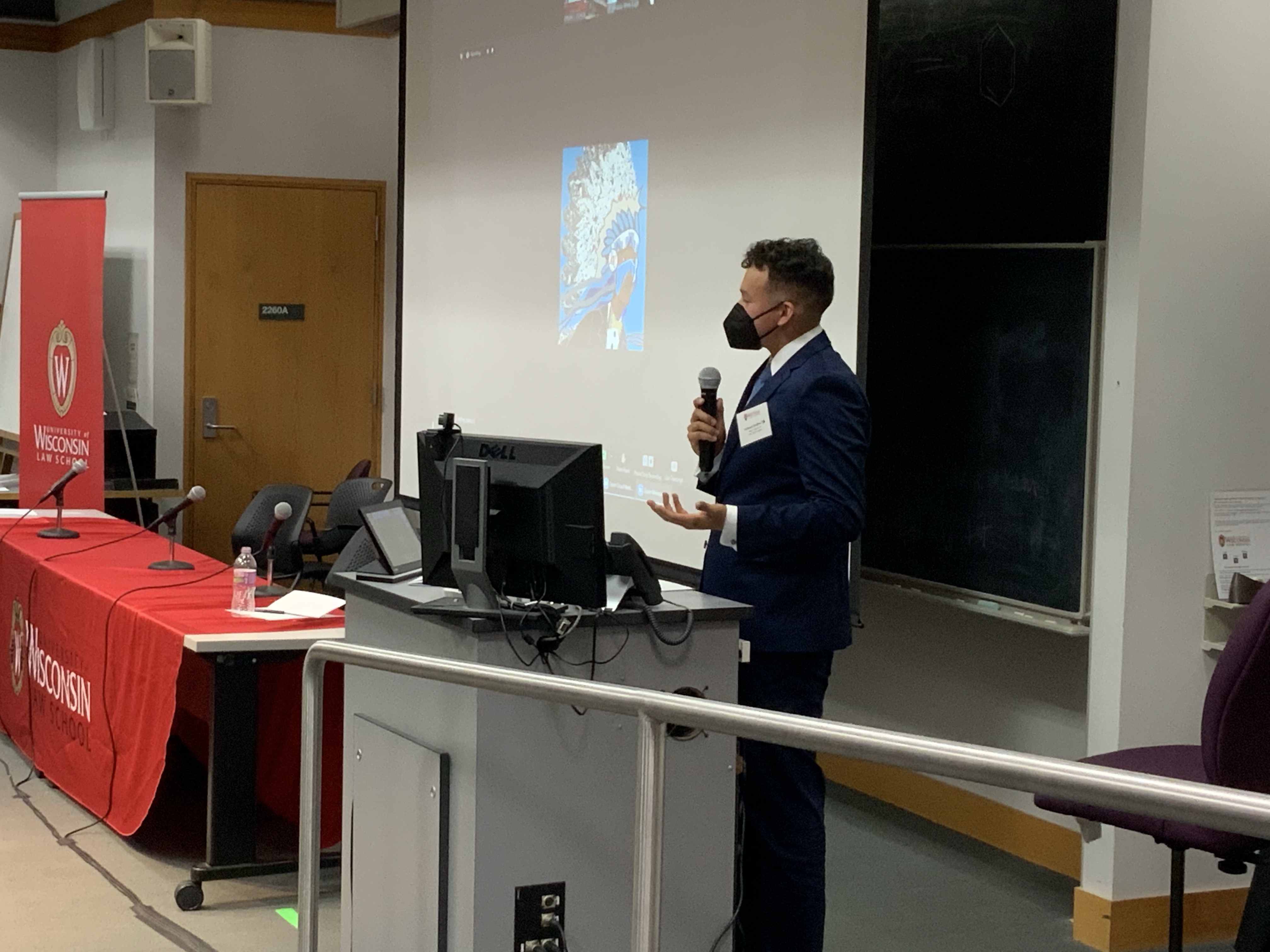
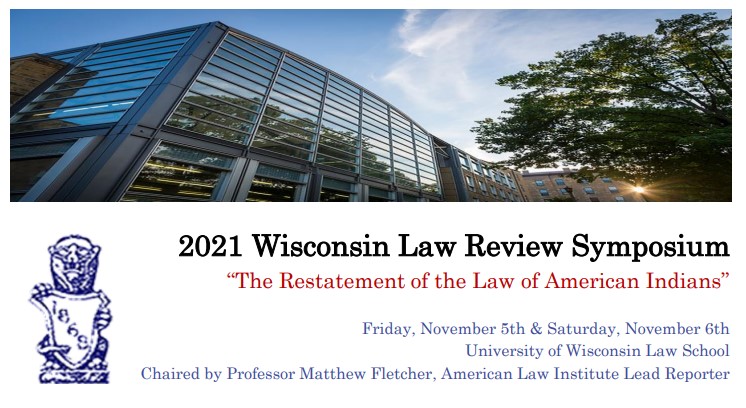
UW Law’s Indian Law Symposium, an annual tradition for 34 years, will be held in two parts for the 2021-2022 academic year. Part 1 was held on Friday, October 1, 2021 and featured a full set of topics from panelists across the country.
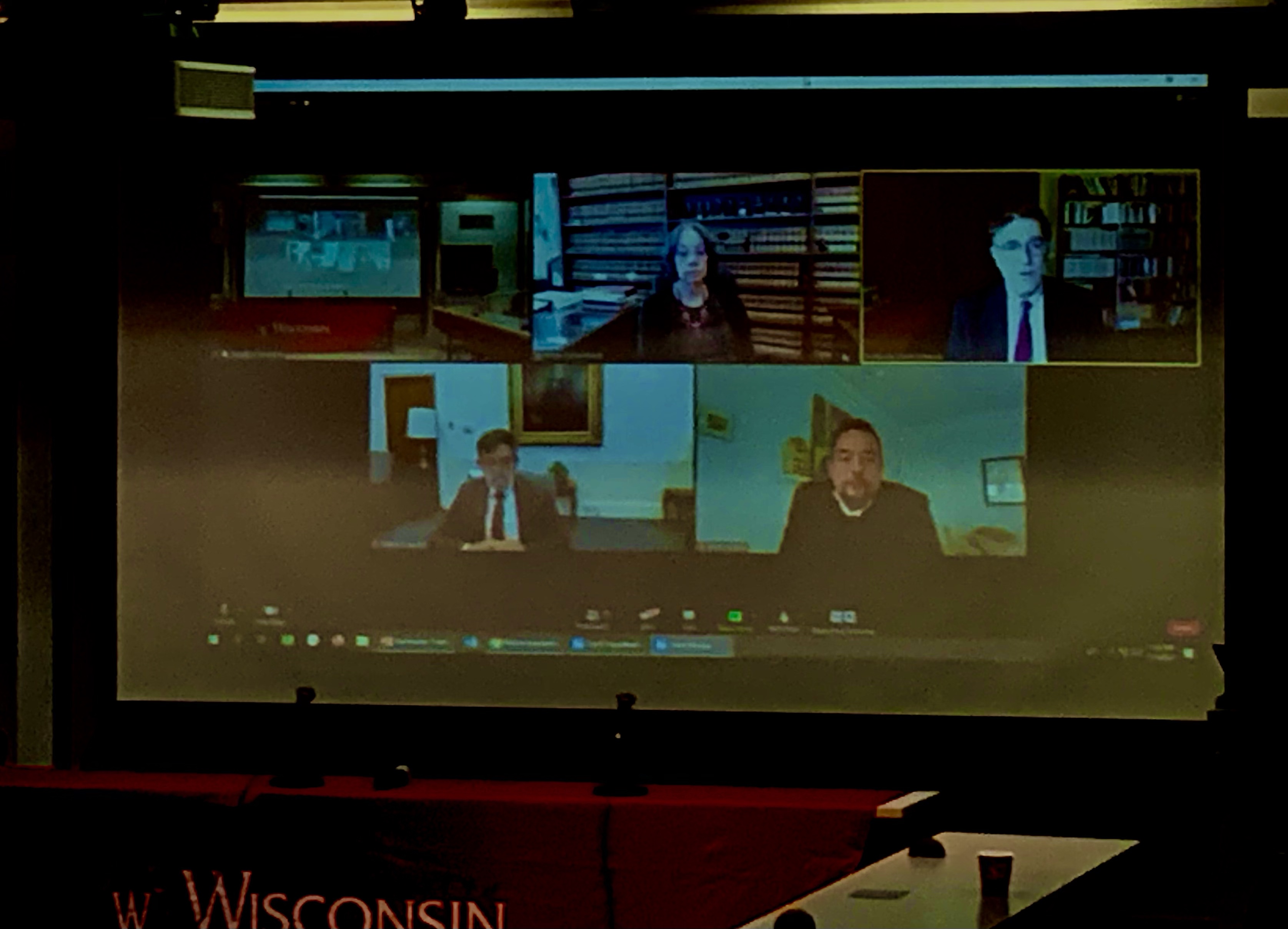
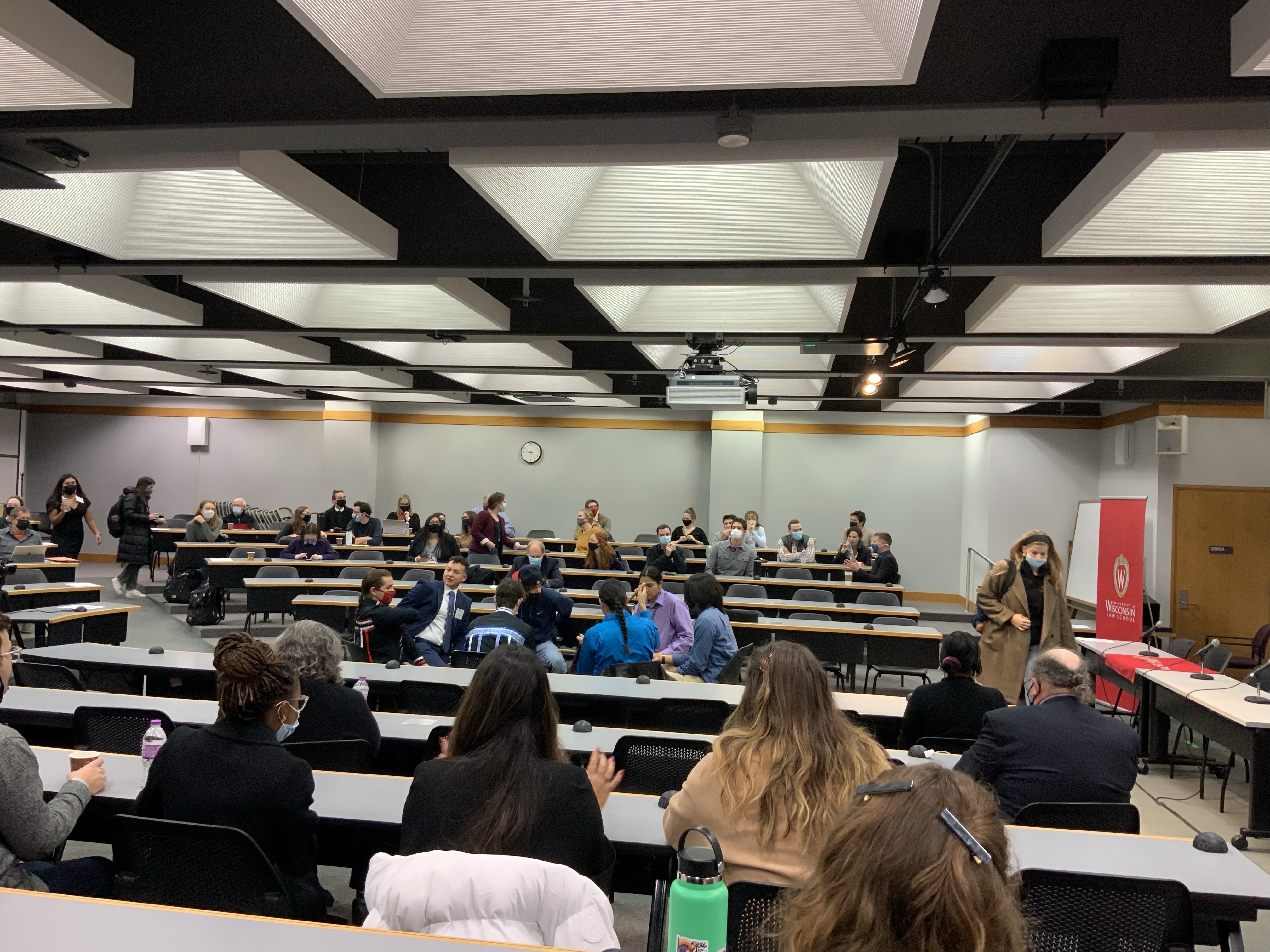
Part 2 will be held on April 21 and 22, 2022 and will focus exclusively on the forthcoming Restatement of The Law of American Indians. The presenters will all be from the group of experts who participated in the drafting of the Restatement. The event will be cosponsored with the Washington Law Review and supported by the American Law Institute.
We will be requesting 13.5 Law & Legal CLE credits total for Part 2 of the 34th Annual Indian Law Symposium.
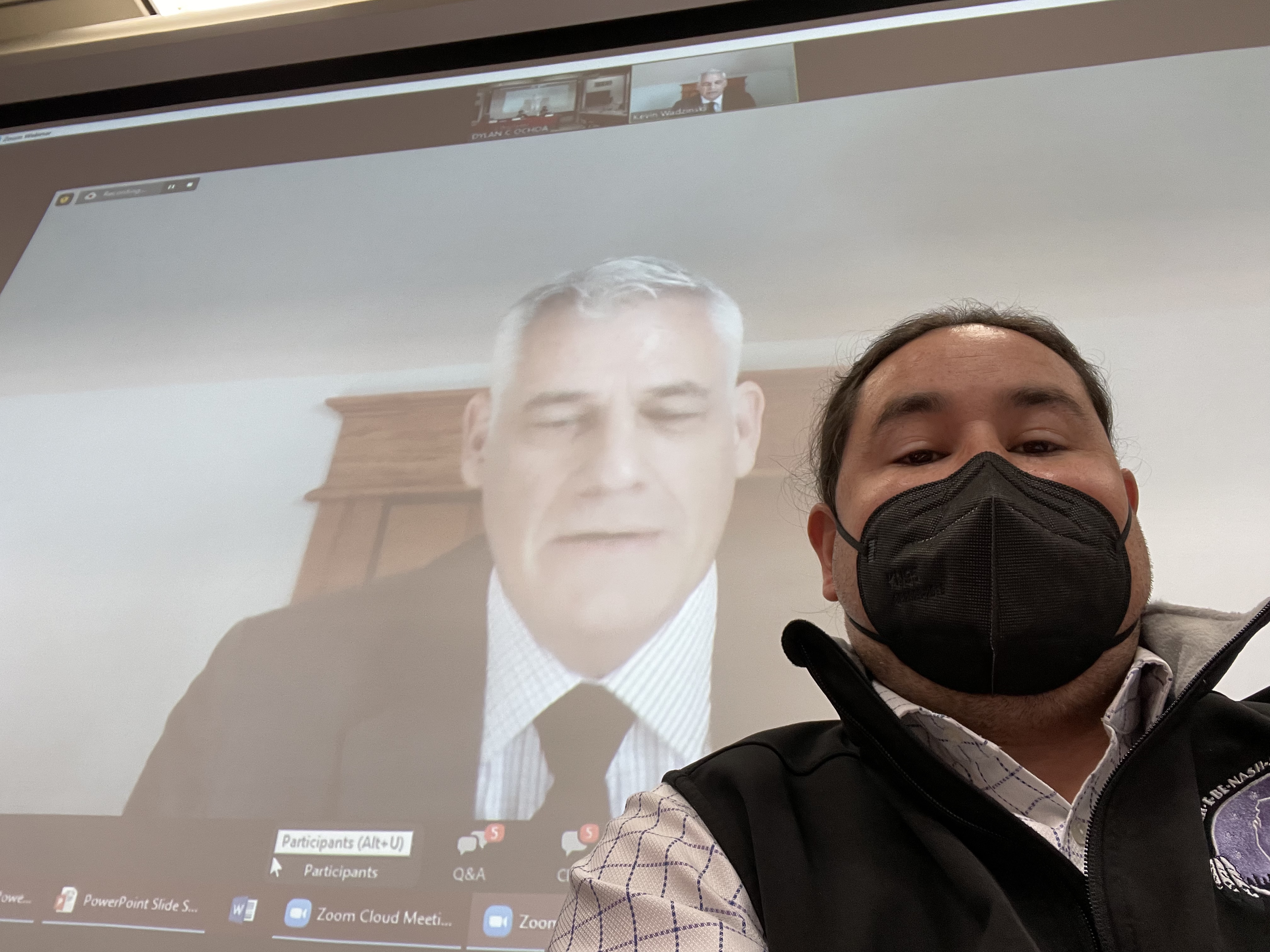
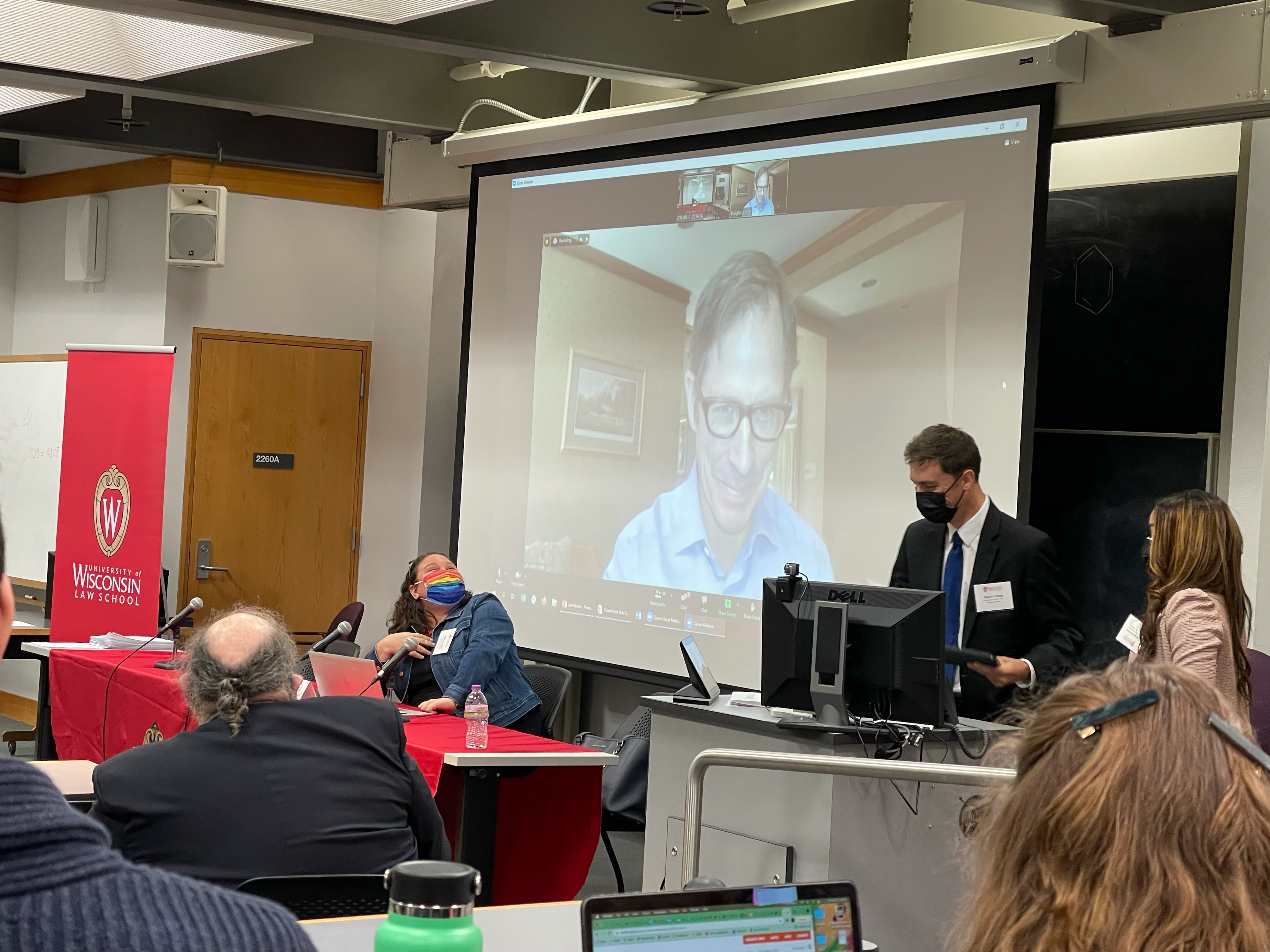
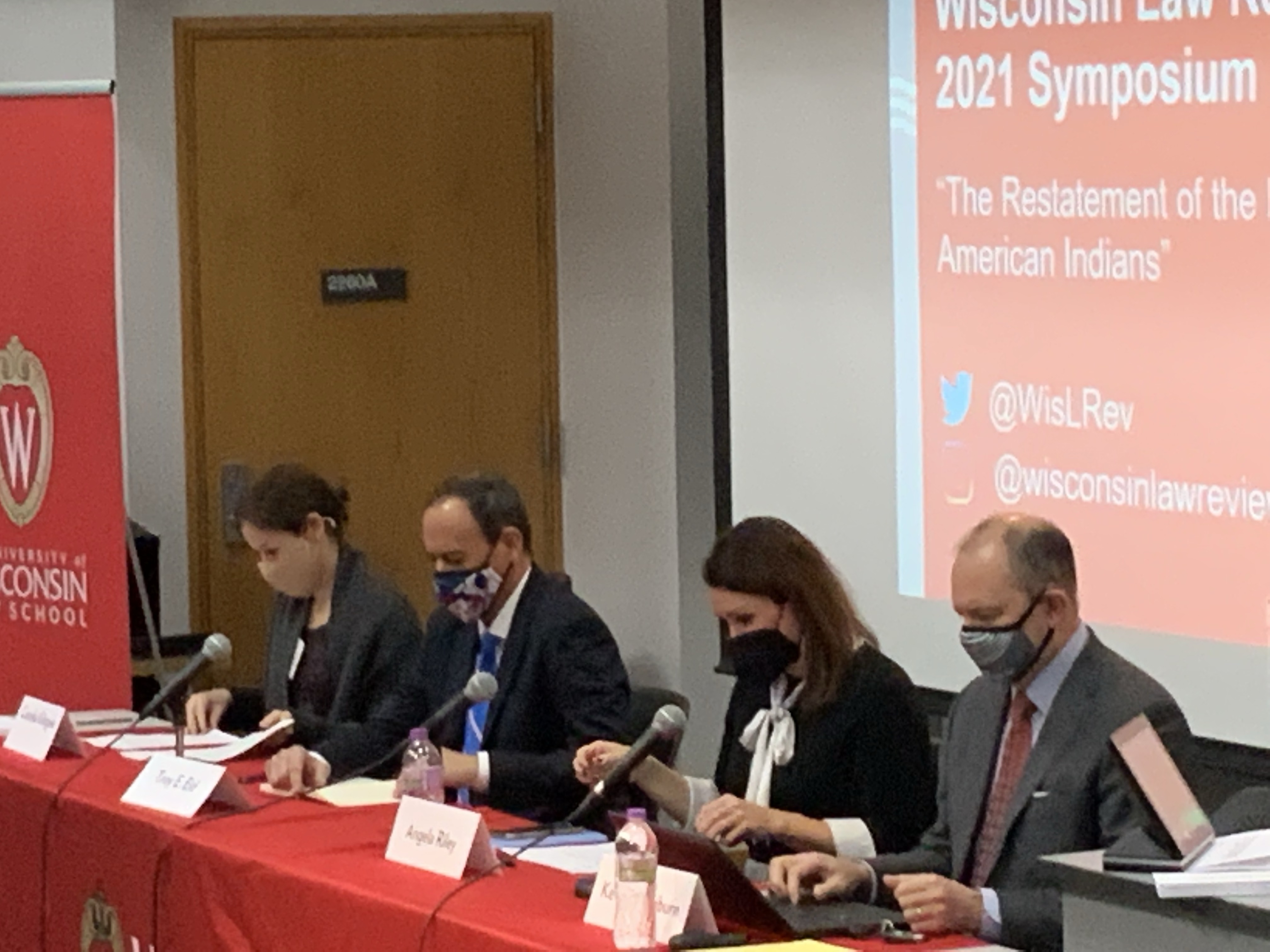
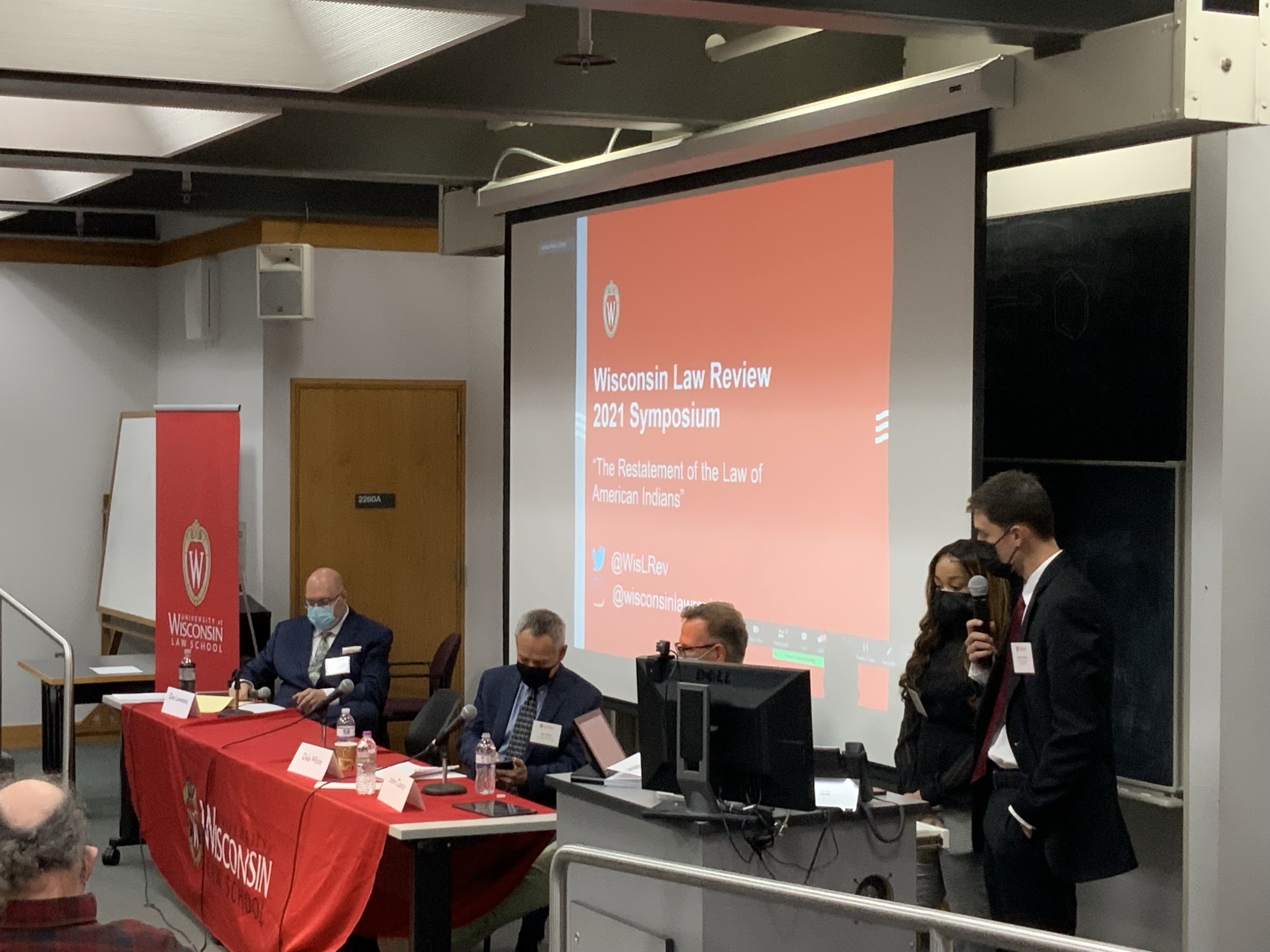
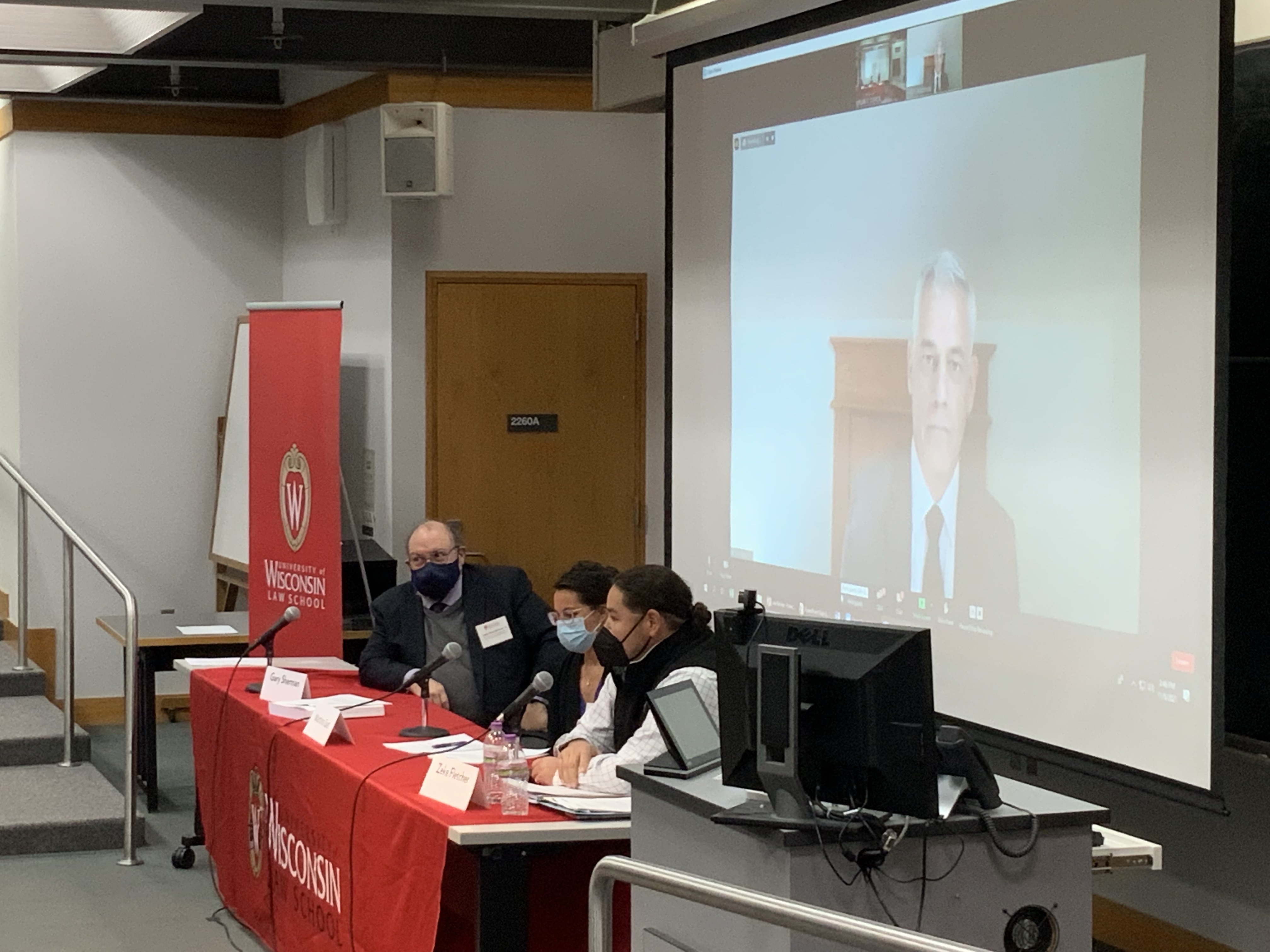
Kevin Wadz-In-The-Sky and Zeke FletcherLorenzo GuidinoWenona Singel and Kaighn Smith, ReportersCecelia Klingele, Troy Eid, Angela Riley, and Kevin WashburnDan Lewerenz, Dale White, John Clancy, Crystal Stonewall, and Dylan OchoaGary Sherman, Martina Gast, Zeke Fletcher, and Kevin Wadzinski
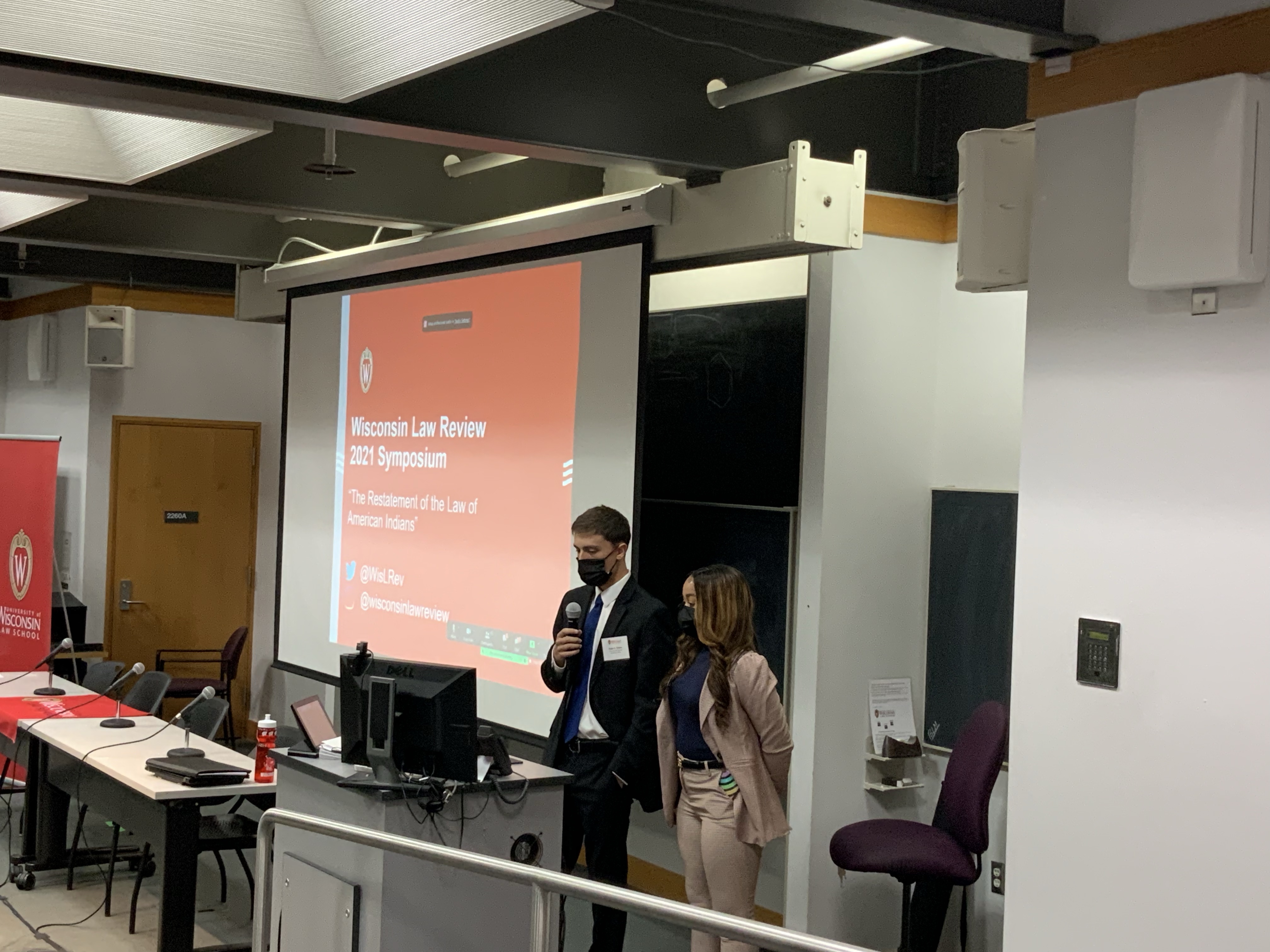
Dean Dan TakajiLaw Review Symposium Coordinators Dylan Ochoa & Crystal StonewallFederal/Tribal Relations Panel — Ed Kneedler, Judge Diane Wood, Ambassador Keith Harper — David Schwartz, moderator







 Turtle Talk
You must be logged in to post a comment.