Roadless Rule Tribal Hub

Here.

From the site:

Federally recognized Tribal governments maintain inherent sovereignty, treaty and reserved rights, and ancestral connections to approximately 44.7 million acres of inventoried roadless areas across 36 states now threatened by the USDA’s proposed rescission of the 2001 Roadless Area Conservation Rule. Tribal Nations’ traditional territories, sacred sites, and subsistence resources within these lands predate the existence of the Forest Service itself. The federal government’s failure to conduct prior consultation violates Executive Order 13175, USDA Departmental Regulation 1350-002, and trust responsibilities.This hub provides Tribal governments with a central source of comprehensive resources, template documents, and strategic tools.

Imagine this without the road.

California COA Orders Tribal Consultation under CEQA

Here are the available materials in Koi Nation of Northern California v. City of Clearlake:

A169438 [opinion]

Opening Brief

Respondent Brief

City Answer to State Amicus Brief

City Answer to Tribal Amicus Brief 

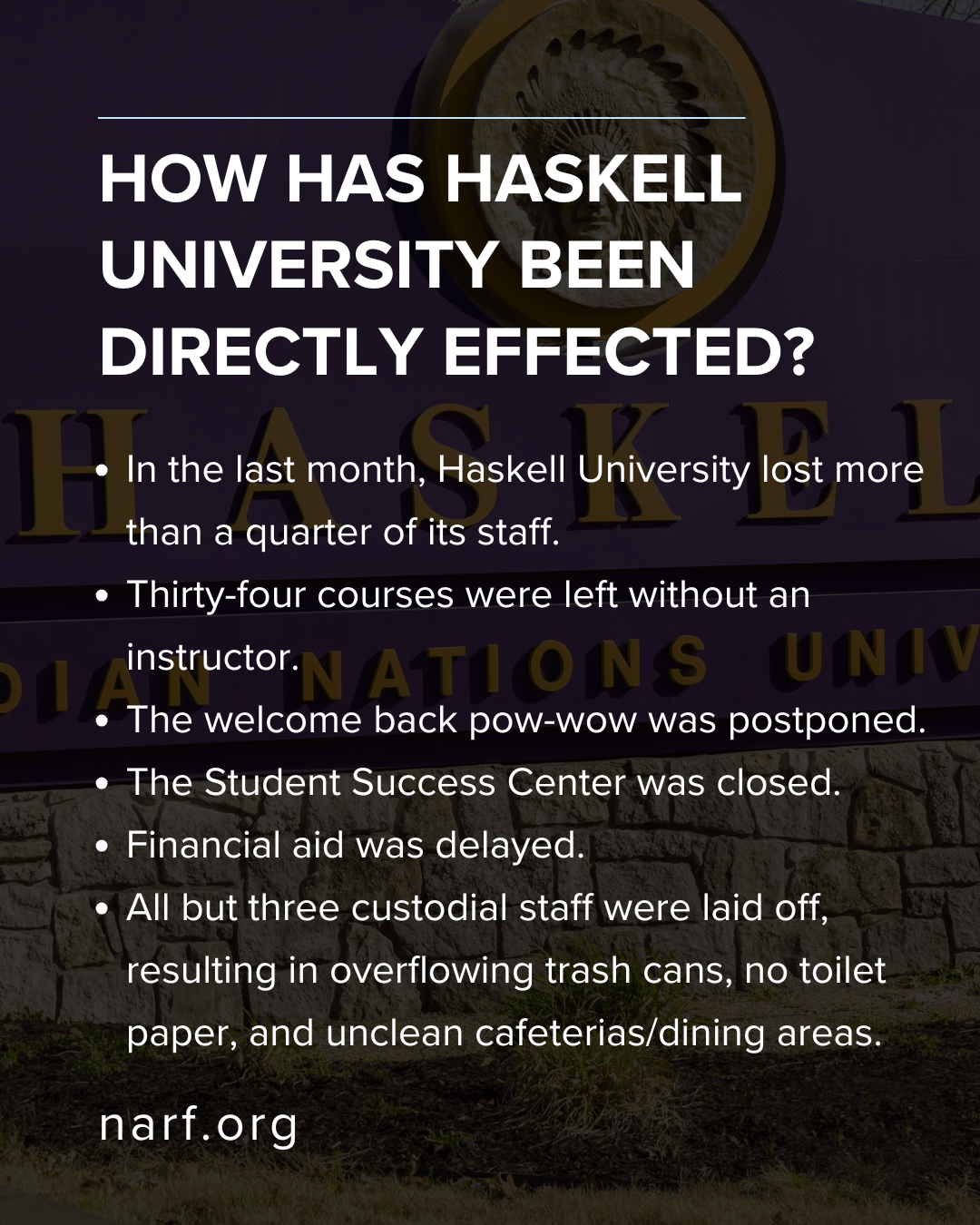
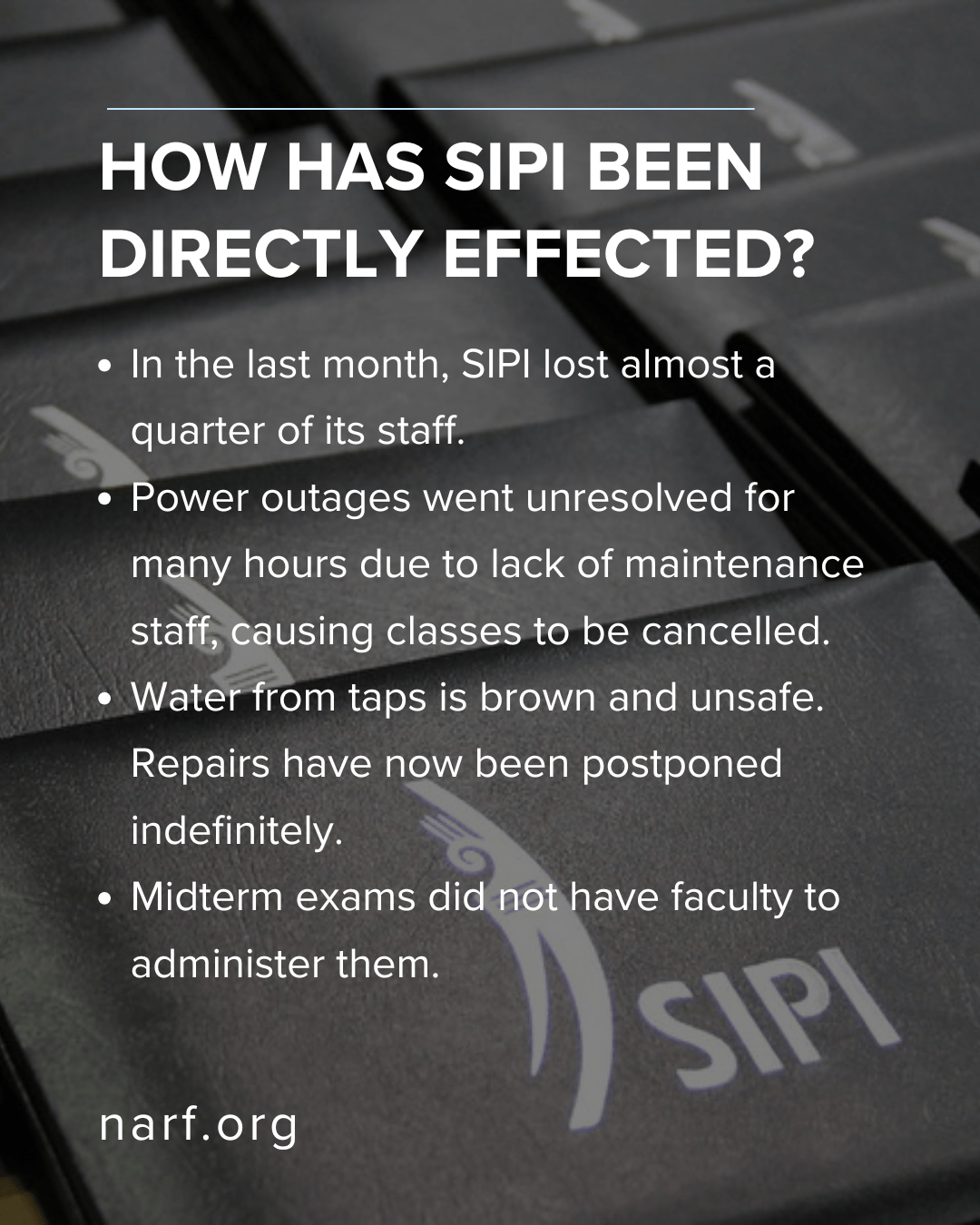
NARF files suit on behalf of Tribes and Students Challenging Reductions at the Bureau of Indian Education, Haskell Indian Nations University, and Southwestern Indian Polytechnic Institute (SIPI).

The complaint, available below, was filed on March 7 in the U.S. District Court for the District of Columbia. The Tribal plaintiffs include the Pueblo of Isleta, Prairie Band Potawatomi Nation, and Cheyenne and Arapaho Tribes, and the complaint names the Secretary of Interior Doug Burgum, Assistant Secretary – Indian Affairs Bryan Mercier, and Director of BIE Tony Dearman as defendants.

Webinar on Upcoming WIPO Treaty on IP and Genetic Resources Consultation

Consultation notice here.

Environmental Law Institute Tribal Consultation Policy Hub

Here:

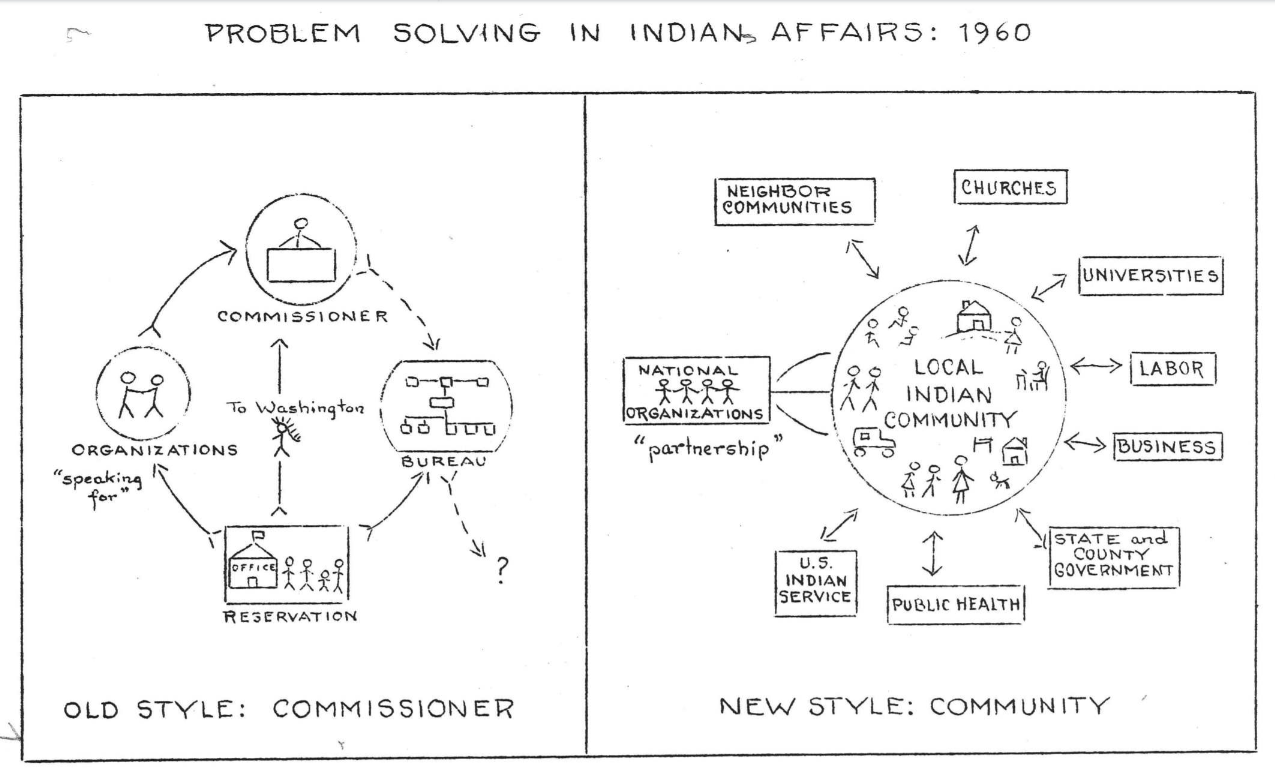
The ELI Digital Consultation Hub serves as a comprehensive platform to build the capacity of Tribal, state, and local policymakers in implementing best practices in government-to-government consultation. The database includes documents from Tribal, state, and federal governments that guide consultation as it pertains to culture, land use, and natural resources.

Ninth Circuit Rejects Challenge to Federal Water Contracts Favoring Central Valley Project over Chinook Salmon [Winnemem Wintu Tribe]

Here is the opinion in Natural Resources Defense Council v. Haaland.

Briefs:

Opening Brief

Federal Answer Brief

Reply Brief

Dean Kronk Warner on Tribal Consultation and Consent

Elizabeth Ann Kronk Warner has posted “Sovereignty Over Box Checking: Effective Tribal Consultation Leading to Consent,” forthcoming in the Florida State University Law Review, on SSRN.

Here is the abstract:

In light of the federal government’s willingness to consider new methods of tribal consultation, this article builds on previous scholarly work by arguing that the goal of tribal consultation should be consent. This conclusion is buttressed by tribal treaty language, the federal trust relationship, and the dictates of the FPIC requirement. The federal government should adopt language suggesting that consent is the goal unless not legally possible. Federal officials must be educated on tribal sovereignty, treaties, and the federal trust relationship. Consultation must begin as soon as possible in the decision-making process. Tribes should be engaged to better understand how they wish to participate in consultation. Federal officials must collaborate with their tribal counterparts in a bilateral, respectful way. And, in addition to the federal government, it may also be in the best interest of third parties, such as corporations, to assist tribes and the federal government in finding effective and meaningful consultation, as failure to do so could prove costly. Incorporating these recommendations will hopefully move us away from the broken status quo toward meaningful, legal consultations leading to consent in most instances – promoting tribal sovereignty over box-checking.

Upcoming USDA Consultation —Treaty Database and Self Determination

From the USDA Office of Tribal Relations:


Tribal Consultation: Expanding Tribal Self Determination Policies at USDA

Where: National Congress of American Indians Mid-Year
(Cherokee, N.C.) (Hybrid: In-person and virtual)

Caucus: May 23rd: 2:00 pm – 5:00 pm (ET)

The Indigenous Food and Agriculture Initiative will facilitate a Tribal Caucus on May 23 from 1-4 p.m. CST ahead of the USDA Consultations on Expanding Tribal Self Determination Policies during NCAI Mid Year, the week of June 3 at the Eastern Band Cherokee Indians. This caucus will be closed to federal staff, and registrants will have access to a briefing note that will cover the three topics.

Dates: Monday, June 3:
Forestry (1-4 p.m. EDT)
Register Here for Forestry Consultation

Monday, June 3:
Meat Inspections (4:30-7:30 p.m. EDT)
Register Here for Meat Inspections Consultation

Wednesday, June 5:
Food Sovereignty and Nutrition Programs (1-4 p.m. EDT)
Register Here for Food Sovereignty and Nutrition Consultation

RSVP: All attendees, including those attending in-person, must register/RSVP above. The Zoom link will allow you to choose “Virtual” or “In-Person.


Tribal Treaty Database Consultation and Listening Session
What: Tribal Treaty Database Consultation and Listening Session
Where: NCAI Midyear Convention, Cherokee, North Carolina
Room: 108
When: Wednesday, June 5, 2024
1:00 – 3:00PM ET
RSVP: Whether attending in person or remote please register at the following link: Tribal Consultation and Listening Session on USDA-DOI Treaty Database ZoomGov registration


Updated information here, Tribal Consultations | USDA