Here are the materials in State v. Wellknown (Mont. S. Ct.):
implicit bias
MSU BLSA Panel on Implicit Bias
Fletcher, with Tiffani Darden and Phil Pucillo.
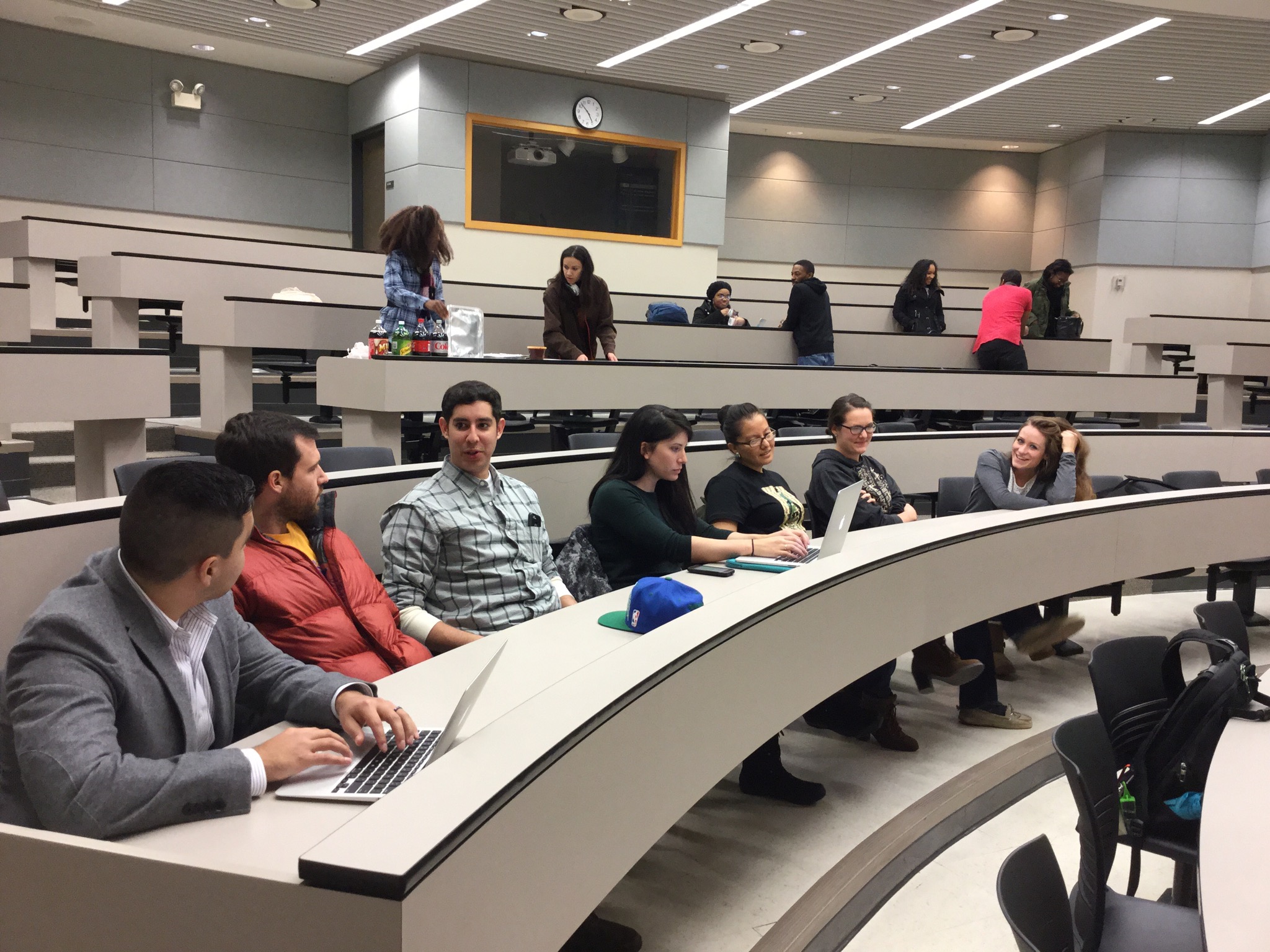
Here’s a pic with the audience waiting patiently for dinner to be served.
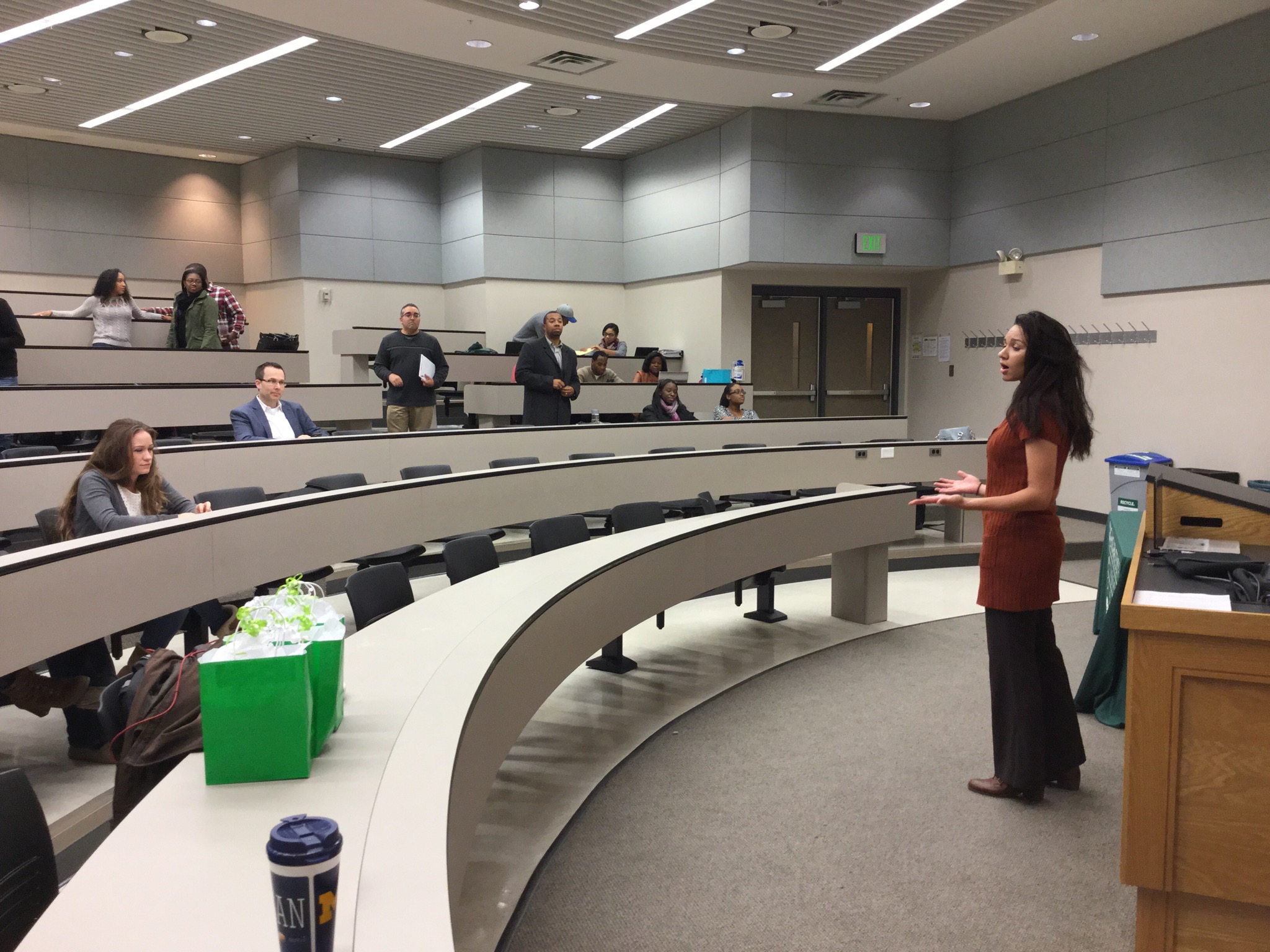

Fletcher previewed next week’s ILPC conference on Indian education — here’s a link to the critically important complaint filed last year by the Michigan Civil Rights Commission with the Dept. of Education on the horrible impacts of American Indian sports mascots on the educational environment.
Special guests included the National NALSA executive board!
ABA’s Ranking of Judicial Candidates More Likely to Disadvantage Women and Minorities
NY Times article here.
Original study here.
Article abstract:
This article uses two newly collected data sets to investigate the reliance by political actors on the external vetting of judicial candidates, in particular vetting conducted by the nation’s largest legal organization, the American Bar Association (ABA). Using these data, I show that minority and female nominees are more likely than whites and males to receive lower ratings, even after controlling for education, experience, and partisanship via matching. These discrepancies are important for two reasons. First, as I show, receiving poor ABA ratings is correlated with confirmation failure. Second, I demonstrate that ABA ratings do not actually predict whether judges will be “better” in terms of reversal rates. Taken together, these findings complicate the ABA’s influential role in judicial nominations, both in terms of setting up possible barriers against minority and female candidates and also in terms of its actual utility in predicting judicial performance.
 Turtle Talk