Neoshia Roemer on ICWA as Reproductive Justice

Neoshia Roemer has posted “The Indian Child Welfare Act as Reproductive Justice,” forthcoming in the Boston University Law Review, on SSRN.

Here is the abstract:

After decades of abuse through family regulation, Congress enacted the Indian Child Welfare Act of 1978 (“ICWA”) to prevent the breakup of Indian families and promote tribal sovereignty. While ICWA seems like an outlier that addresses one category of children, it is not an outlier. Rather, I argue that ICWA is a tool of reproductive justice. By formulating a legal rights framework for reproductive justice in American jurisprudence, I discuss how the reproductive justice movement is grounded in U.S. law beyond the right to terminate a pregnancy that the Supreme Court abrogated in Dobbs v. Jackson Women’s Health Organization. By looking at the history of reproductive rights in American Indian communities, I discuss how family regulation challenges reproductive rights and tribal sovereignty considering Dobbs and Oklahoma v. Castro-Huerta. Indian child removals exist in the same history, context, and policy that disrupted the reproductive rights of American Indian families and tribal sovereignty in other areas. Before concluding that ICWA is still good law and good policy to disrupt family regulation and protect the reproductive rights of American Indian peoples, I consider where challenges to ICWA in Haaland v. Brackeen fit into this paradigm and the ongoing need for the protection of tribal sovereignty and reproductive rights for American Indian peoples. For nearly 400 years, the disruption of reproductive rights, including family regulation, has been at the heart of federal Indian policy. The current frame of family regulation as “saving” children means that it is often divorced from the notion of reproductive rights. As the history behind and contemporary challenges to ICWA demonstrate, it should not, and cannot, be separated from the other reproductive justice issues facing American Indian communities. To strengthen legal protections for American Indian people that disrupt these government interventions, like ICWA, is to realize reproductive rights more fully in the United States.

Highly recommended!!!

Fletcher and Khalil on ICWA Preemption and Commandeering

Fletcher and Randall F. Khalil have posted “Preemption, Commandeering, and the Indian Child Welfare Act,” forthcoming in the Wisconsin Law Review, on SSRN. This paper is part of the law review’s symposium on Interpretation in the States.

The abstract:

This year (2022), the Supreme Court agreed to review wide-ranging constitutional challenges to the Indian Child Welfare Act (ICWA) brought by the State of Texas and three non-Indian foster families in the October 2022 Term. The Fifth Circuit, sitting en banc, held that certain provisions of ICWA violated the anticommandeering principle implied in the Tenth Amendment and the equal protection component of the Fifth Amendment’s Due Process Clause.
We argue that the anticommandeering challenges against ICWA are unfounded because all provisions of ICWA provides a set of legal standards to be applied in state which validly and expressly preempt state law without unlawfully commandeering the States’ executive or legislative branches. Congress’s power to compel state courts to apply federal law is long established and beyond question.
Yet even if some provisions of ICWA did violate the Tenth, we argue that Section 5 of the Fourteenth Amendment sufficiently authorizes Congress’s enactment of ICWA so as to defeat the anti-commandeering concerns. Strangely, no party ever invoked Congress’s power under Section 5 of the Fourteenth Amendment to assess its constitutionality. ICWA seems like an obvious candidate for analysis under Congress’s enforcement powers under Section 5. States routinely discriminated against American Indian families on the basis of their race and ancestry (and their religion and culture), and ICWA is designed to remedy the abuses of state courts and agencies.
We further have no doubt that the state legislatures that adopted ICWA in whole, in part, or as modified also possessed the power to do so, even in the event the Supreme Court holds all or portions of ICWA unconstitutional.

The Wisconsin Law School gargoyle.

Fletcher and Singel on Lawyering and the Indian Child Welfare Act

Fletcher and Singel’s paper, “Lawyering the Indian Child Welfare Act,” has been published in the Michigan Law Review. We’re honored to be part of a symposium on civil rights lawyering!

Our abstract:

This Article describes how the statutory structure of child welfare laws enables lawyers and courts to exploit deep-seated stereotypes about American Indian people rooted in systemic racism to undermine the enforcement of the rights of Indian families and tribes. Even when Indian custodians and tribes are able to protect their rights in court, their adversaries use those same advantages on appeal to attack the constitutional validity of the law. The primary goal of this Article is to help expose those structural issues and the ethically troublesome practices of adoption attorneys as the most important Indian Child Welfare Act (ICWA) case in history, Brackeen v. Haaland, reaches the Supreme Court.

Sarah Deer, Elise Higgins & Thomas White on Racist Editorializing about ICWA

Sarah Deer, Elise Higgins, and Thomas White have published “Editorializing ICWA: 40 Years of Colonial Commentary” in UCLA’s Indigenous Peoples’ Journal of Law, Culture & Resistance.

An excerpt:

Despite studies concluding ICWA has been a successful law to curb the crisis of child removal in Indian country when implemented correctly, a significant number of attorneys, think tanks, and politicians argue that ICWA actually harms Native children and should be repealed. Oth- ers argue that ICWA has served its purpose and is no longer necessary. This article considers how newspaper editorials perpetuate misinformation about ICWA, its history and its purpose. Moreover, we explore how anti-ICWA authors employ “words of colonialism”—in particular, the use of derogatory words and phrases to portray Native people as bad parents and Tribal Nations as dysfunctional. Providing inaccurate and racist characterizations of ICWA is one of the primary tactics used by editorials to delegitimize ICWA. Emotionally triggering and wholly inaccurate language is often employed as a sensationalist method to grab the reader’s attention by presenting the law in terms of clear-cut morality.

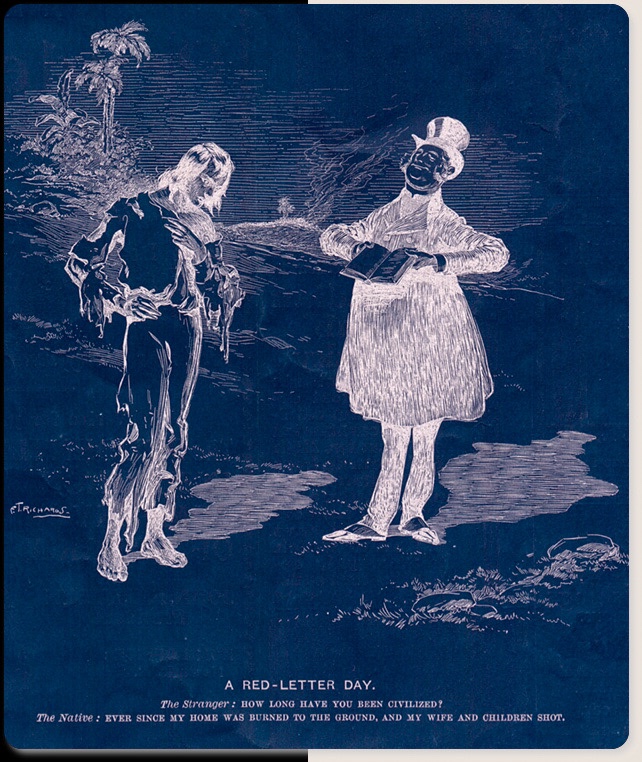
Frederick Thompson Richards, Life Magazine, 1900

Strict Scrutiny Podcast on Brackeen Cases

Here is “Going Down Clutching the Constitution.”

Kate Fort on the Texas Standard Radio Show re: ICWA

Here: “US Supreme Court to take up Texas challenge to Indian Child Welfare Act.”

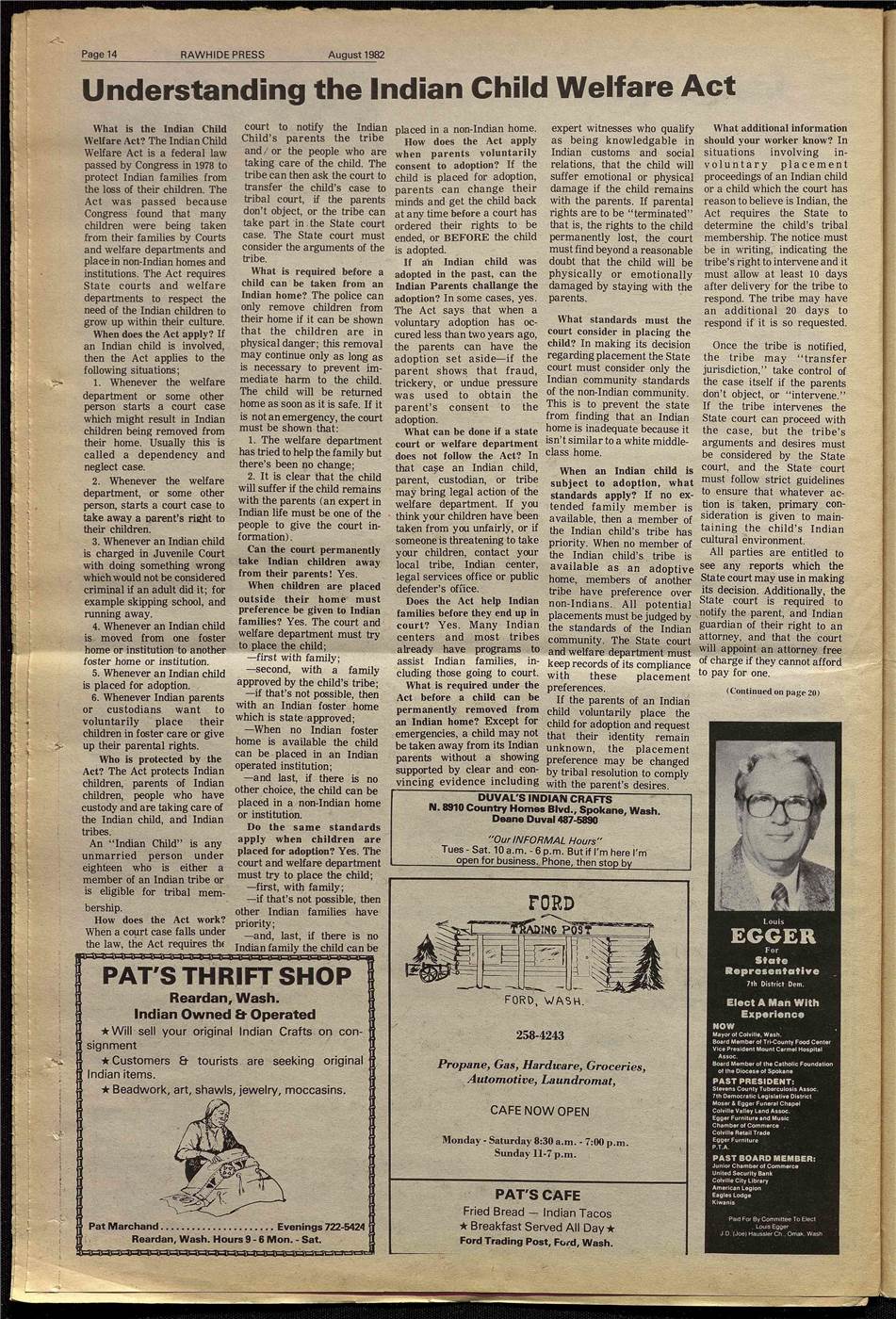
Rawhide Press [Spokane Tribe] 1982

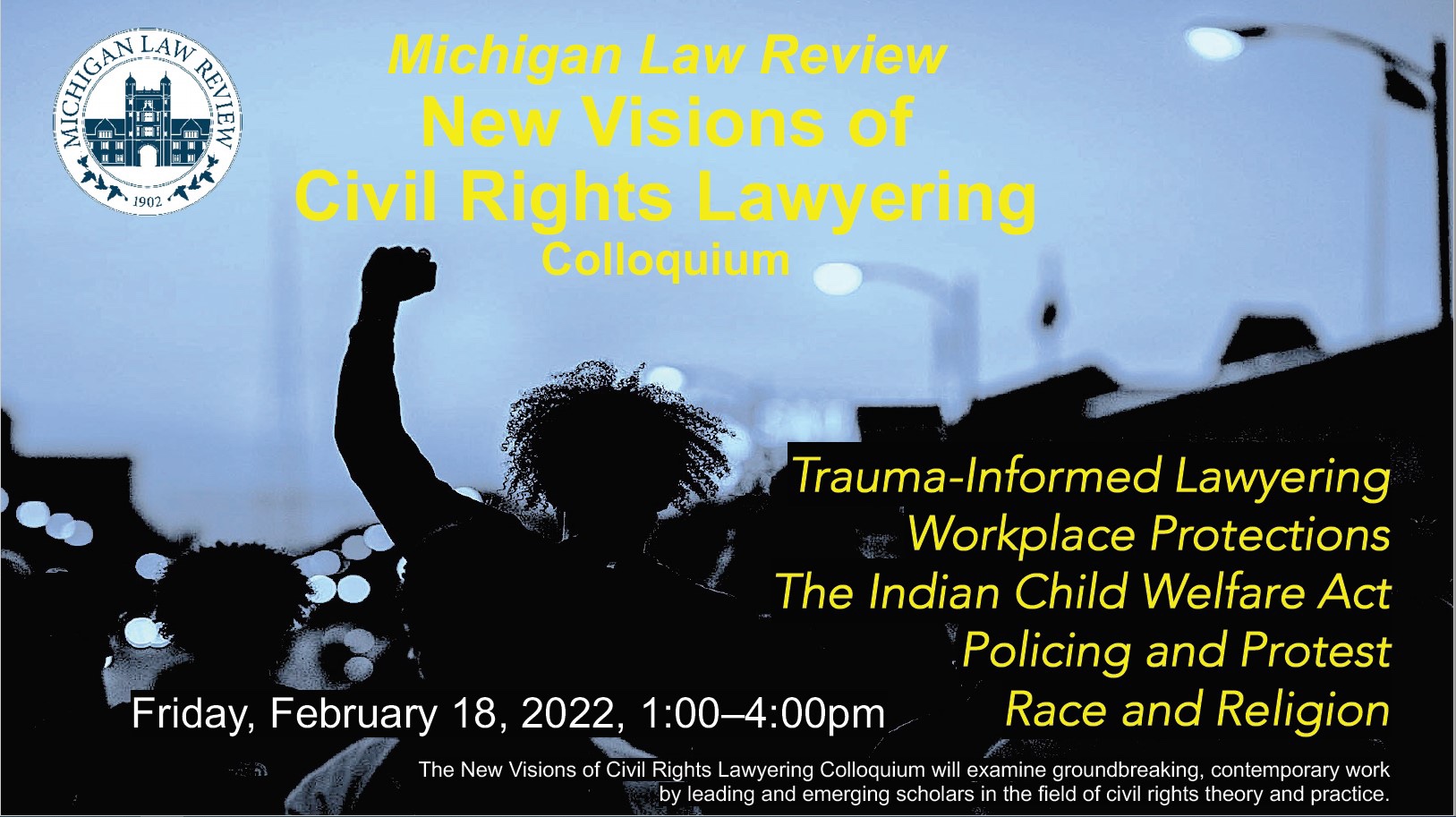
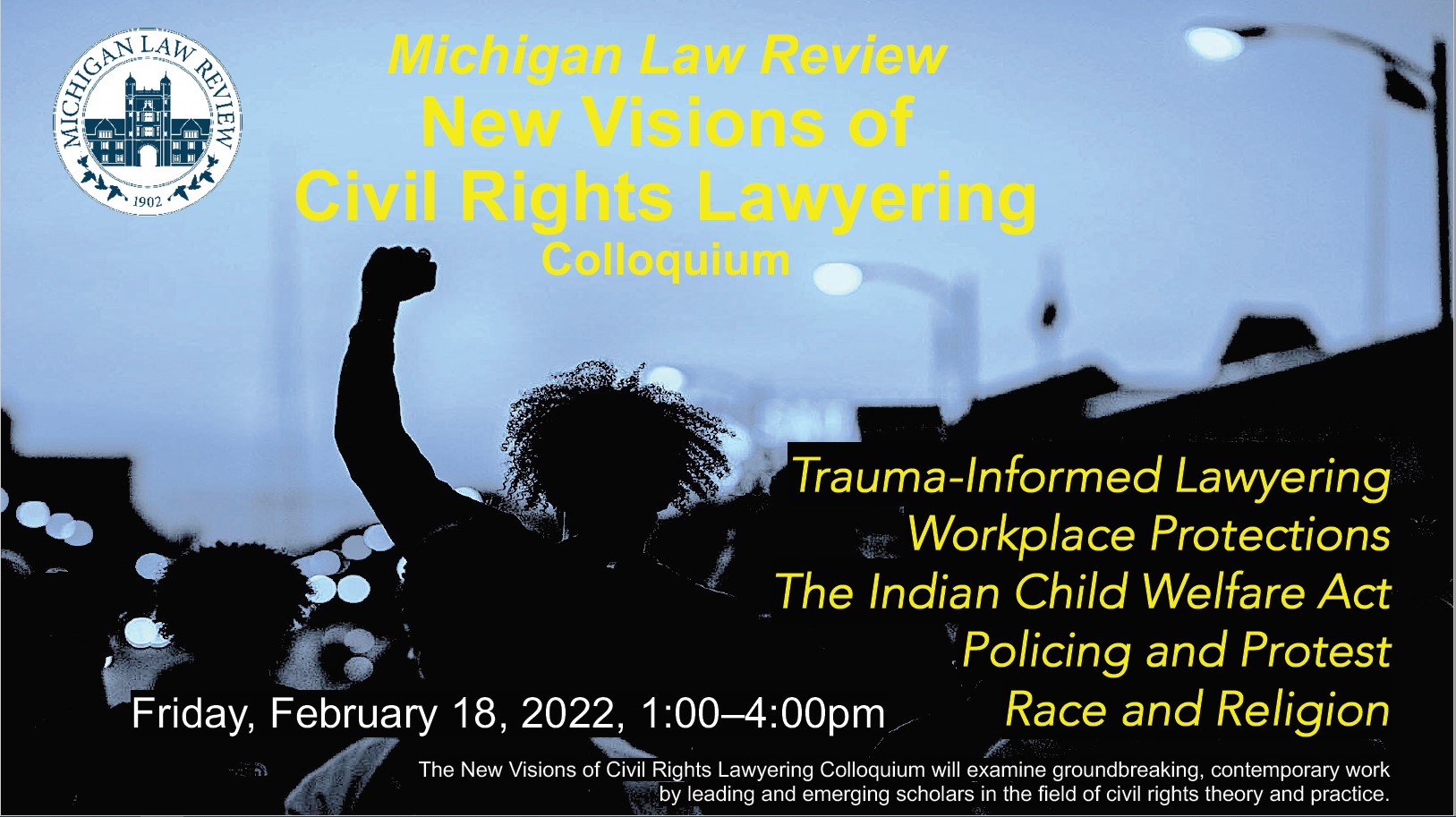
TODAY — Michigan Law Review Colloquium: “New Visions of Civil Rights Lawyering” [includes Fletcher & Singel on ICWA]

Here (zoom webinar link here):

Fletcher and Singel will discuss their forthcoming paper, “Lawyering the Indian Child Welfare Act.”

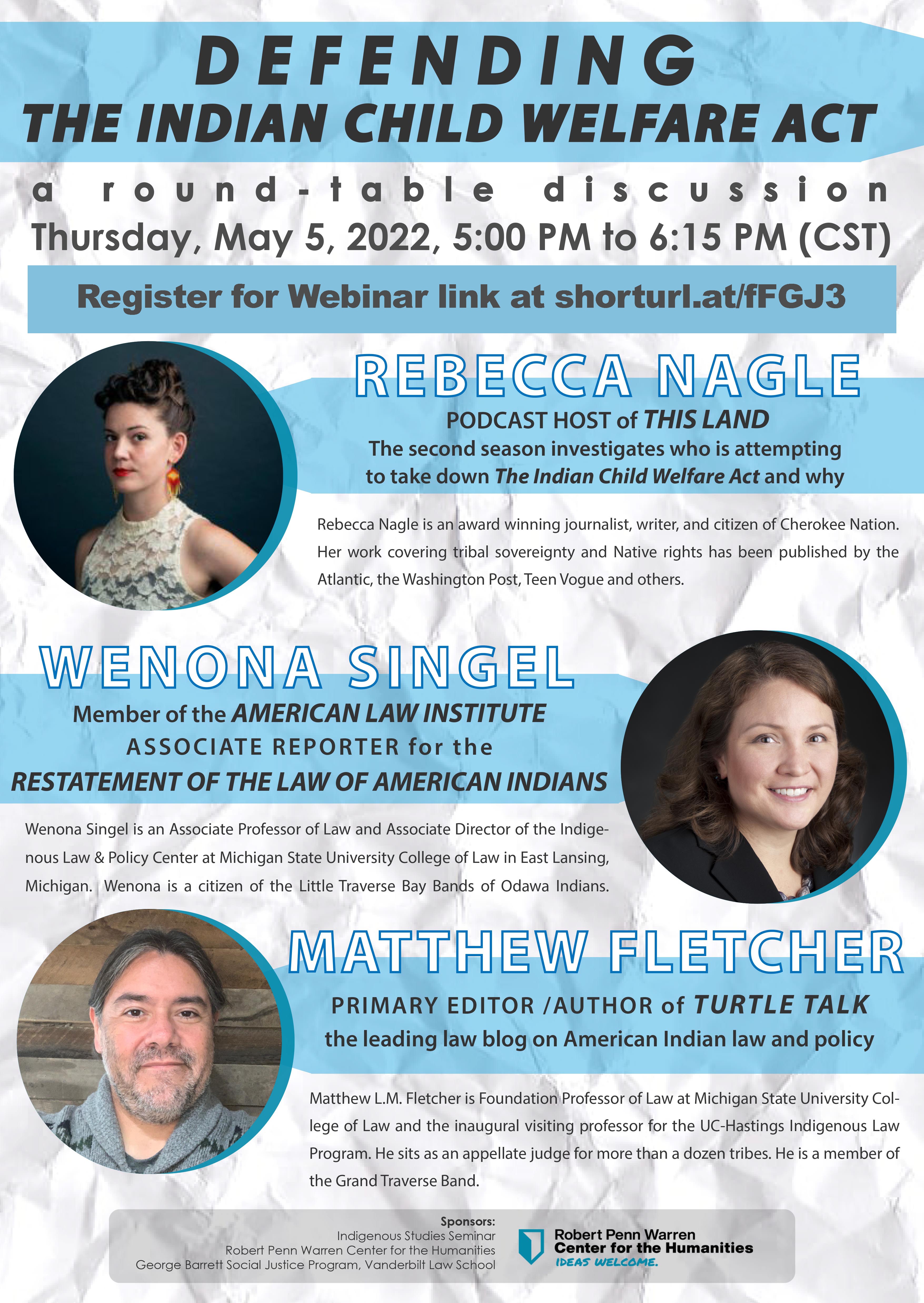
Fletcher, Fort, and Singel: “Defending the Indian Child Welfare Act”

From November 2021: