Register for Webinar Here: https://zoom.us/webinar/register/WN_GS5Q-xsUQL28pLdfPJ70Bg
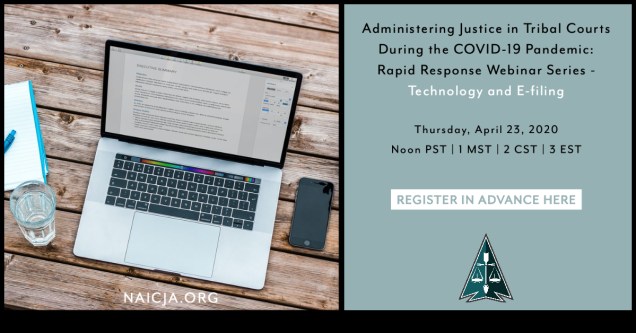
Register for Webinar Here: https://zoom.us/webinar/register/WN_GS5Q-xsUQL28pLdfPJ70Bg

Register for Webinar Here: https://zoom.us/webinar/register/WN_seTZTeVqROaj4uGXI3VOXA

See the Awards Solicitation Letter 2019 here. Details for voting can be found in the letter.
Nominations close at the end of the day on Friday, August 30, 2019.
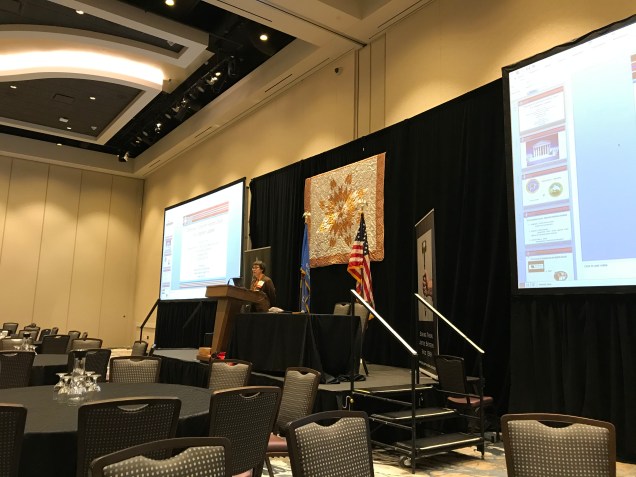
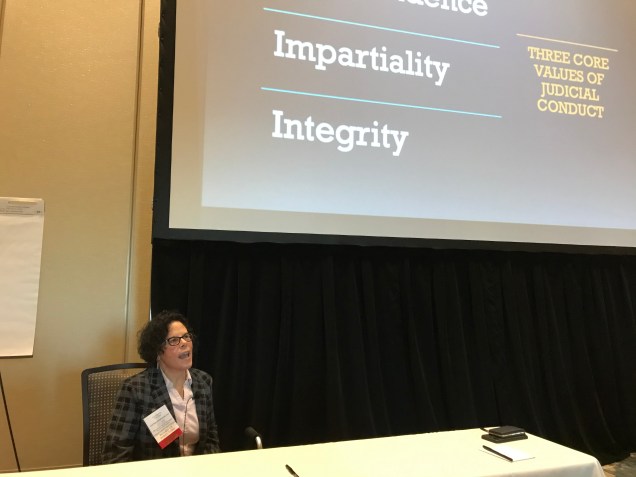
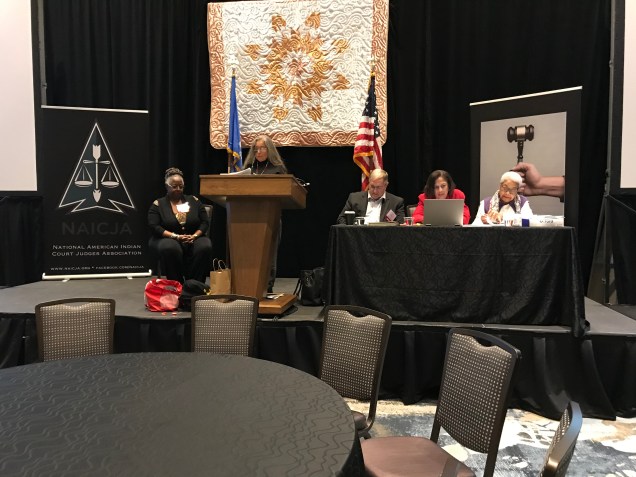
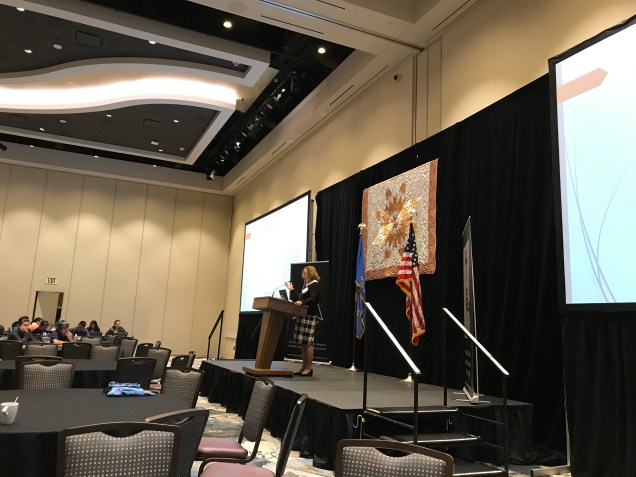
This year marks NAICJA’s 50th anniversary. Please join NAICJA at its conference October 16-18, 2019 to celebrate its anniversary! More information here.
The United Nations Expert Mechanism on the Rights of Indigenous Peoples joins the concern expressed by the United Nations High Commissioner for Human Rights and others regarding the situation of families, children, and individuals being detained in the United States of America at its southern border with Mexico. We call on the United States immediately to reunite children, parents, and caregivers that have been separated to date, and to ensure their basic human rights to family, safety, and security.
In addition, the Expert Mechanism calls attention to the particular impact of the United States’ practices regarding international border detentions and prosecutions on indigenous peoples. Many of the individuals now being stopped at the border are of indigenous origin, including Kekchi, Tzutujil, Kacqchikel, and Mam-speakers and other Maya from Guatemala, as well as indigenous peoples from Honduras, El Salvador, Mexico, and other countries. In many instances, they are fleeing situations of economic, social, and political unrest in their homelands where they have been denied rights to self-determination and territory, and have faced discrimination and violence.
The Expert Mechanism expresses particular concern regarding the vulnerability of indigenous children. Many countries, including the United States, have a long history of forced removal of indigenous children from their families, a practice that is now universally condemned by the human rights communities and by federal law in the U.S. because of the trauma it causes to children, their families, and their communities.
More broadly, indigenous peoples, whether migrants or not, have rights under international
instruments including the UN Declaration on the Rights of Indigenous Peoples, supported by 148 nations across the world, including the United States. These include the right to maintain indigenous cultural identity, to be free from forced family separation, to speak their languages (and have translation services), to be free from discrimination and violence, and indeed to migrate. In some instances current international borders cross indigenous peoples’ homelands, including in the case of the Yaqui and Tohono O’odham people who have territory and family members on both side of the Mexico border. We call on the United States to recognize the particular situation of indigenous peoples in its border practices and policies and to uphold the rights and responsibilities set forth in the Declaration on the Rights of Indigenous Peoples.
Also, here is Mark Trahant’s piece, our previous post with NAICJA’s statement, and NCJFCJ’s statement (which went out on our Twitter feed but not here).


 Turtle Talk
You must be logged in to post a comment.