Columbia Law School Indigenous Peoples Working Conference


COLUMBIA LAW SCHOOL PRESENTS A WORKING CONFERENCE 
Identity and Implementation: The Next Ten Years of the United Nations Declaration on the Rights of Indigenous People

Walter Echohawk, lunchtime keynote speaker

Saturday, November 4, 2017 

Columbia Law School, 435 West 116th Street, New York City

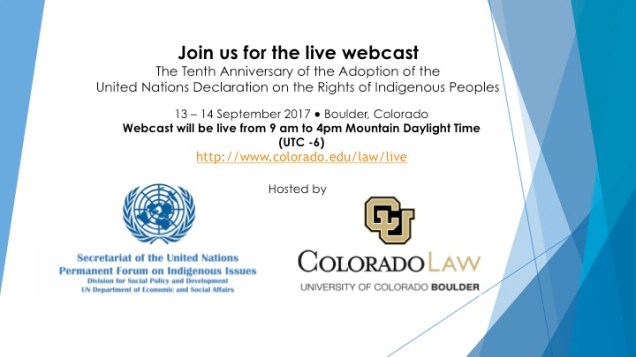
Webcast: The Tenth Anniversary of the Adoption of the United Nations Declaration on the Rights of Indigenous Peoples (Sept. 13-14, 2017)

The Tenth Anniversary of the Adoption of the United Nations Declaration on the Rights of Indigenous Peoples

13–14 September 2017 ● Boulder, Colorado

Webcast will be live from 9 am to 4pm on 13 September 

Mountain Daylight Time (UTC -6)

http://www.colorado.edu/law/live


Other event information here, including registration for the in-person event https://www.un.org/development/desa/indigenouspeoples/uncategorized/2017/08/10th-anniversary-of-the-undrip-at-u-colorado-law-school/

Here:

Webcast UN

Protection of Traditional Cultural Resources – Working Draft of NARF

Here:

Protection of Traditional Cultural Resources – Working Draft of NARF

From NCAI:

Dear Leaders:

This is an important time for protection of tribal cultural resources.  The World Intellectual Property Organization, an agency of the United Nations, is considering the adoption of an agreement among countries to protect the traditional cultural expressions of indigenous peoples.  The WIPO Committee charged with this task will hold an important session in Geneva, Switzerland on June 12-16, 2017.

On May 4-5, 2017, the Native American Rights Fund and the University of Colorado Law School hosted a drafting session to propose text for the upcoming negotiations.  The attached draft focuses on the problem of theft and illegal possession of tribal cultural expressions.    It also addresses false marketing suggesting affiliation, approval or endorsement by indigenous peoples.

At the NCAI Midyear at Mohegan, Connecticut, NCAI will host a consultation session with the U.S. Patent & Trademark Office, the federal agency that engages with WIPO, on June 12, 2017.  This coincides with the first day of the negotiation in Geneva, and so the federal officials leading negotiations for the U.S. government will join by conference call.

We encourage you to review the draft, and please join us at the June 12, 2017 consultation with the Patent & Trademark Office at the NCAI Midyear.  (Even better, please contact us if you have questions on how to attend the negotiation in Geneva.)    You can view the most recent draft document under discussion at WIPO here. <http://www.wipo.int/meetings/en/doc_details.jsp?doc_id=368102>

Thank you very much for your attention to this keenly important issue.

Jacqueline Pata

TICA CLE: “International Treaties, Agreements, and Instruments which include Traditional Knowledge, Genetic Resources, or Traditional Cultural Expressions” (Feb. 2, 2017)

Here.

The description:

This CLE will provide an overview of select international treaties, agreements and other instruments that have provisions regarding Traditional Knowledge (TK), Genetic Resources (GR), or Traditional Cultural Expressions (TCE). 

Primarily in the past 25 years, many such documents have been negotiated, adopted or approved globally and regionally among various nation states, including the United States.  TK, GR and TCE generally include those of Indigenous Peoples.  Provisions on TK, GR, or TCE are contained in global or multi-national documents addressing, among other subjects: Human Rights, Climate Change, the Environment, Natural Resources, Free Trade, Food, Biological Diversity, Genetics, and Intellectual Property. 

Currently, the World Intellectual Property Organization (WIPO), through an Inter-Governmental Committee, is considering a treaty or other instrument on TK, GR, and TCE.  The U.S. Patent and Trademark Office likely will be conducting Listening Sessions with American Indian and Alaska Native Tribes in 2017 on the WIPO TK, GR and TCE instrument negotiations.  This CLE will help tribal governments and their attorneys and advocates prepare for important discussions at the Listening Sessions.

Bob Miller on the United States Duty to Confer with American Indian Governments

Robert Miller has posted his paper, “Consultation or Consent: The United States Duty to Confer with American Indian Governments,” forthcoming in the North Dakota Law Review. Here is the abstract:

This article explores the current international law movement to require nation/states to consult with Indigenous peoples before undertaking actions that impact Indigenous nations and communities. The United Nations took a significant step in this area of law in September 2007 when the General Assembly adopted the Declaration on the Rights of Indigenous Peoples. The Declaration contains many provisions requiring states to confer and consult with Indigenous peoples, and in many instances to obtain their “free, prior and informed consent.” This article undertakes an original and detailed investigation into how the free, prior and informed consent standard emerged in the drafting of the Declaration.

But the article also points out that consultations and obtaining the consent of Indigenous peoples is nothing new in the political and diplomatic relations between American Indian nations and the United States. From the very founding of the U.S., it has maintained a government-to-government relationship with Indian tribes. This relationship is expressly recognized in the U.S. Constitution, and is reflected in hundreds of U.S./Indian treaties and in the history of the interactions between these governments. A nearly constant stream of formal and informal consultations and diplomatic dealings has marked this relationship.

In recent decades, though, the international community has begun focusing on consultations with Indigenous peoples and has increased the international law obligation on states to consult. The international regime is also moving far beyond mere consultations and is requiring states to obtain the free, prior and informed consent of Indigenous peoples. On the surface, requiring the United States to obtain the informed consent of Indian nations and peoples, before undertaking actions that affect them, might be more onerous than just consulting with tribal governments.

This article examines the history and modern-day processes for United States consultations with Indian nations and the emerging international law standard of free, prior and informed consent. The article argues that the United States should continue and even enhance the consent paradigm that has always been the goal of federal/tribal relations. And, the article also argues that the United States should have little trouble adapting to the new international law consent movement.


From Doctrine to Discovery Event, June 25-26 in D.C.

Information here.

The workshop ‘From Doctrine to Declaration’, hosted by the University of St Andrews, Scotland and the College of William and Mary seeks to bring both the Christian Doctrine of Discovery and the UNDRIP into the public forum of the Carnegie Endowment for International Peace, to discuss how the rights of Indigenous Peoples can move forward in the United States. In particular, the workshop highlights those issues currently facing Indian Country that result from the continued existence of the Christian Doctrine of Discovery – including child welfare, environment, treaty rights, federal recognition, and education – and that in reality have the potential to be addressed by adherence to the UNDRIP. This workshop brings leading, mostly Native, advocates, academics and practitioners together with an invited audience of policymakers, think tanks, grant-making foundations and non-governmental organizations for this much-needed discussion.

Victoria Sweet on Human Security and Arctic Indigenous Women

Our own Victoria Sweet has published her paper, “Extracting More than Resources: Human Security and Arctic Indigenous Women,” in the Seattle University Law Review. It is available on SSRN.

Here is the abstract:

The circumpolar Arctic region is at the forefront of rapid change, and with change come concerns regarding potential security threats. While extractive industry development can bring economic benefits to an area, there are also human security concerns associated with these development projects. This has been acknowledged by groups that study the impact extractive industry development projects have on different geographic areas. However, most studies have looked at development projects in southern hemisphere countries or countries classified as “developing.” What has not been explored are human security concerns connected with extractive industry development projects within the “developed” countries like the United States. This Article will change that by focusing on the human security concerns connected to extractive industry development in the circumpolar region of the United States, particularly as these projects may threaten the security of indigenous women in the region.

Electoral Tribunal de Mexico

I’m presenting on Native voting and political rights before the Mexican electoral tribunal. My paper is here.

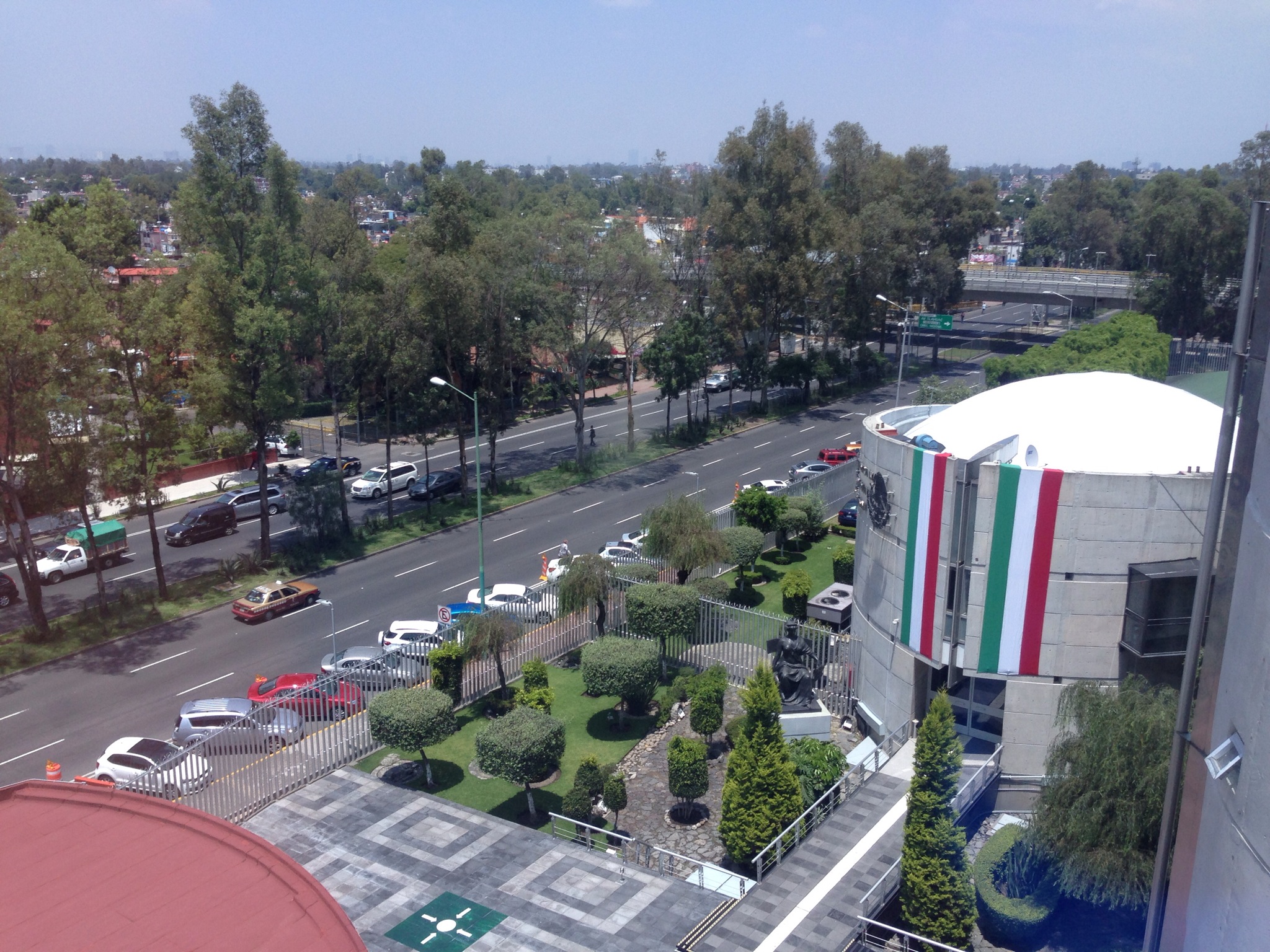
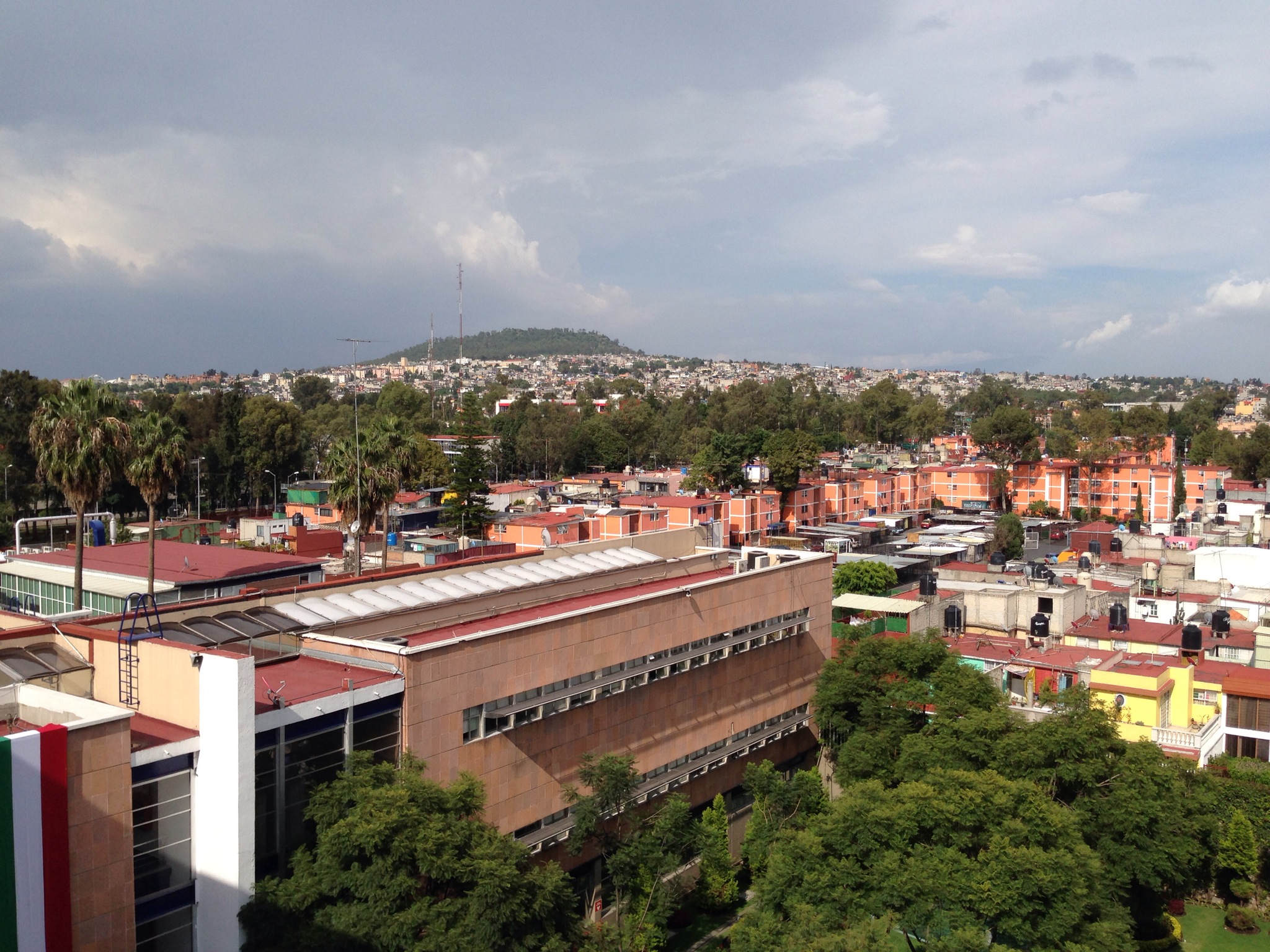
The Tribunal building

IMG_7398.JPG

IMG_7372.JPG

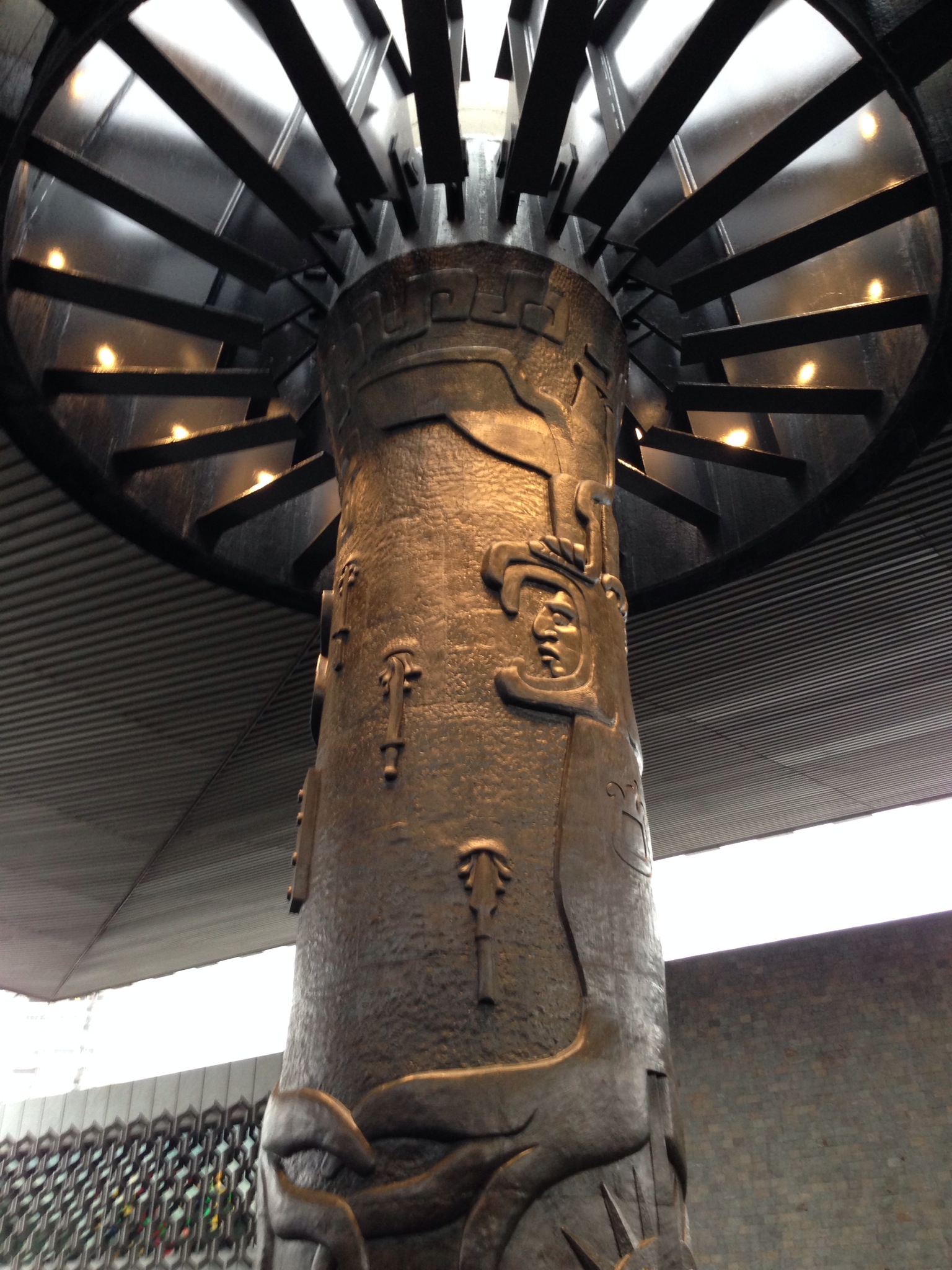
Anthropology museum

IMG_7306.JPG

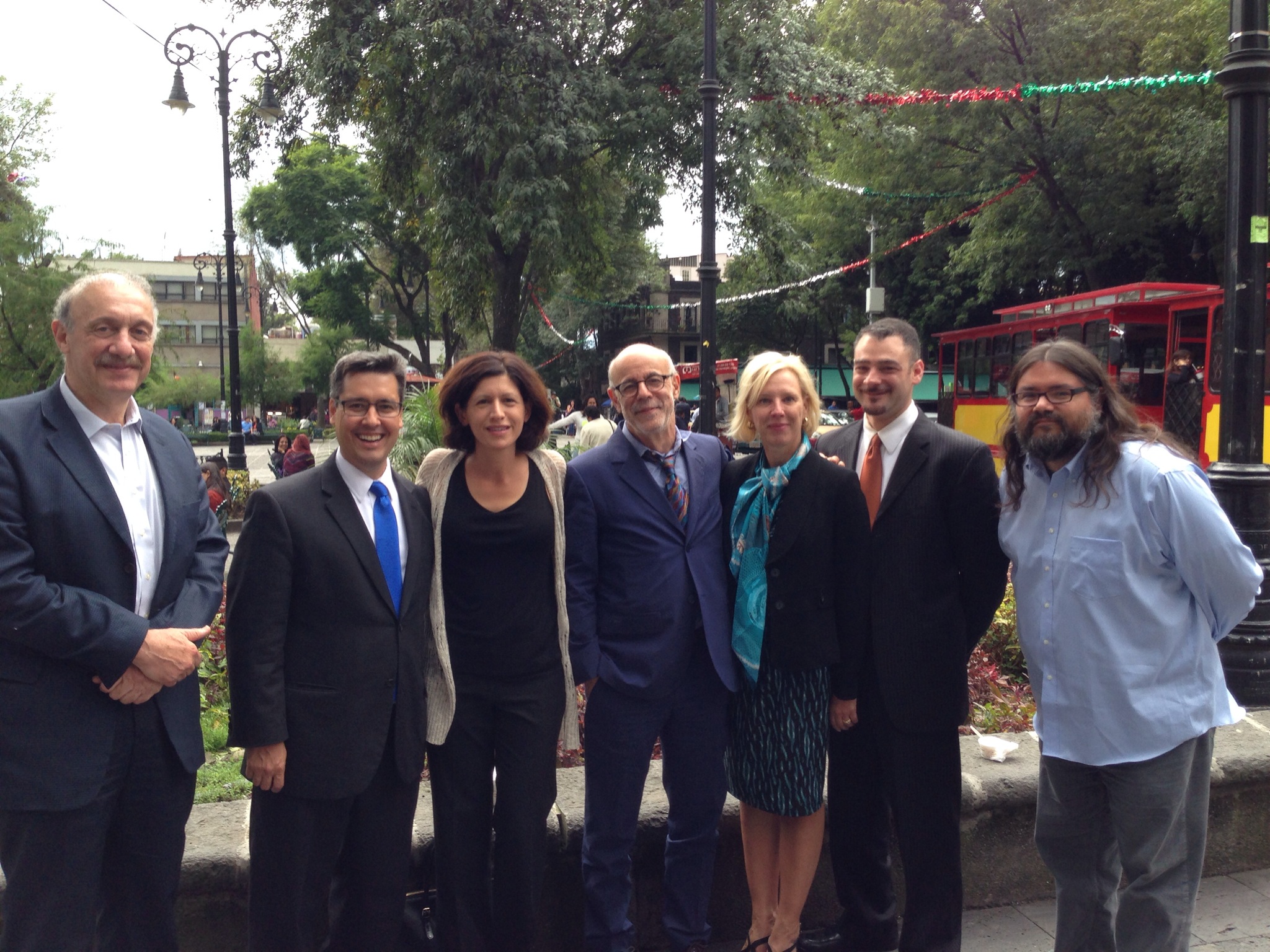
The other American presenters

IMG_7386.JPG

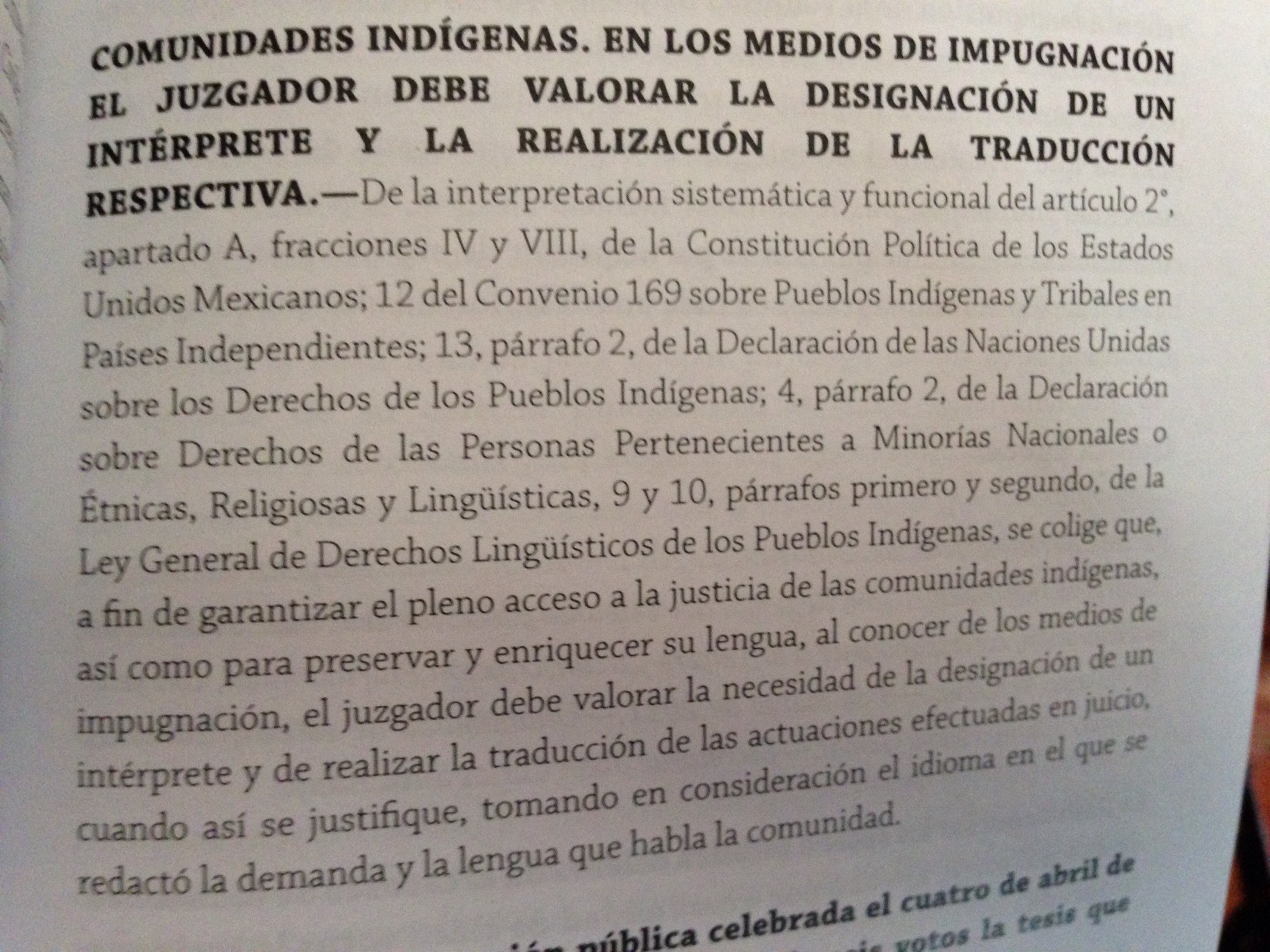
I can’t read it very well but it seems as though the tribunal is using UNDRIP to interpret and apply Indigenous law in tribal elections.

IMG_7362.JPG

Alternative Reports A and B to the UN CERD Regarding Violation of Indigenous Children’s Right to Culture

Speaking of ICWA placement preferences, Here are the reports submitted to the UN Committee on the Elimination of Racial Discrimination by the National Native American Boarding School Healing Coalition, the International Indian Treaty Council, and the National Indian Child Welfare Association:

Alternative Report A: Indigenous Children and the Legacy and Current Impacts of the Boarding School Policies in the United States and the Lack of Redress, Restitution and Restoration by the United States to Address these Impacts or to Acknowledge Responsibility for Them
Alternative Report B: The Continued Removal of Indigenous Children from Their Families and Communities and its Impact on The Right to Culture

Update — a blurb from the authors:

During last week’s two-day dialogue with the United States, the United Nations Committee on the Elimination of Racial Discrimination members asked questions of the US delegation relying on the information provided to it by the United States as well as reports submitted by non-governmental organizations and stakeholders.  The National Indian Child Welfare Association submitted such a report voicing concerns over the problematic implementation of the Indian Child Welfare Act. The report on “The Continued Removal of Indigenous Children from Their Families and Communities and its Impact on the Right to Culture (Alternative Report B)” was drafted in partnership with Suffolk Law’s Indigenous Peoples Rights Clinic, and can be viewed at hhere. During the session, Committee members asked the United States to comment on the over- representation of indigenous children in foster care and the bias in private adoptions. The Committee’s Concluding Observations report should be released next month.

FINAL Report to U.N. Committee on the Elimination of Racial Discrimination Re: American Indigenous Prisoners’ Religious Rights

Here:

8-1-14 Supplemental Joint Submission By Huy NCAI USET NARF ACLU et al to U N Committee on the Elimination of Racial Discrimination Re American Indi