
Sitting Bull in Barcelona

Here is the Order denying the North Dakota’s Motion to Dismiss Turtle Mountain and Spirit Lake’s Complaint.
The Tribes’ Release can be seen here. From the release:
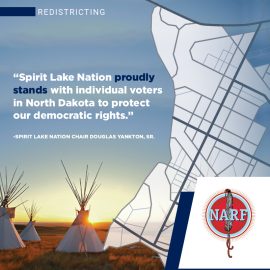
“North Dakota’s newly drawn state legislative map dilutes the voting strength of Spirt Lake members. The Secretary of State has tried to dismiss the case on far-fetched procedural arguments because he doesn’t want to have to argue the facts, but we look forward to the opportunity move forward with this case,” said Spirit Lake Tribe Chair Douglas Yankton, Sr.
“Historically, Native voters in northeastern North Dakota have been able to elect two State House candidates of our choice. The new map reduces our representatives to one and is in direct violation of the Voting Rights Act. We appreciate that the court recognized that Tribes and individual Native voters have the right to be heard and have our voting rights protected,” said Turtle Mountain Chippewa Chair Jamie Azure.
The Motion, Response, Reply, and United States’ Statement of Interest are below.
Previous post on this matter here.
Here is the unpublished opinion in State of Wisconsin v. House:
Briefs here.

Public Law 280 is the classic example of what SCOTUS would strike down as violating the anti-commandeering principle of the Tenth Amendment. It is a mandate to states (six of them, including Wisconsin) to assume criminal jurisdiction over Indian country and it’s basically unfounded (more or less like most other aspects of Indian country criminal jurisdiction). I guess since the mandatory PL280 states consent to this federal commandeering of their legislative process, it’s okay? Or since the states retain prosecutorial discretion in individual cases? Like a lot of crap the Supreme Court has been shoving down our collective throats for the last few decades, anti-commandeering law is just stupid with two Os (thank you Knives Out for that one).
The District Court of Wyoming dismissed a claim against the Eastern Shoshone Tribe and First Nation Healthcare, requiring exhaustion of tribal court remedies. Here is the Order:
And here are the tribal briefs:


Here is “Indigenous legal responses to hate incidents: A Coast Salish case study.”

 Turtle Talk
You must be logged in to post a comment.