Register here.
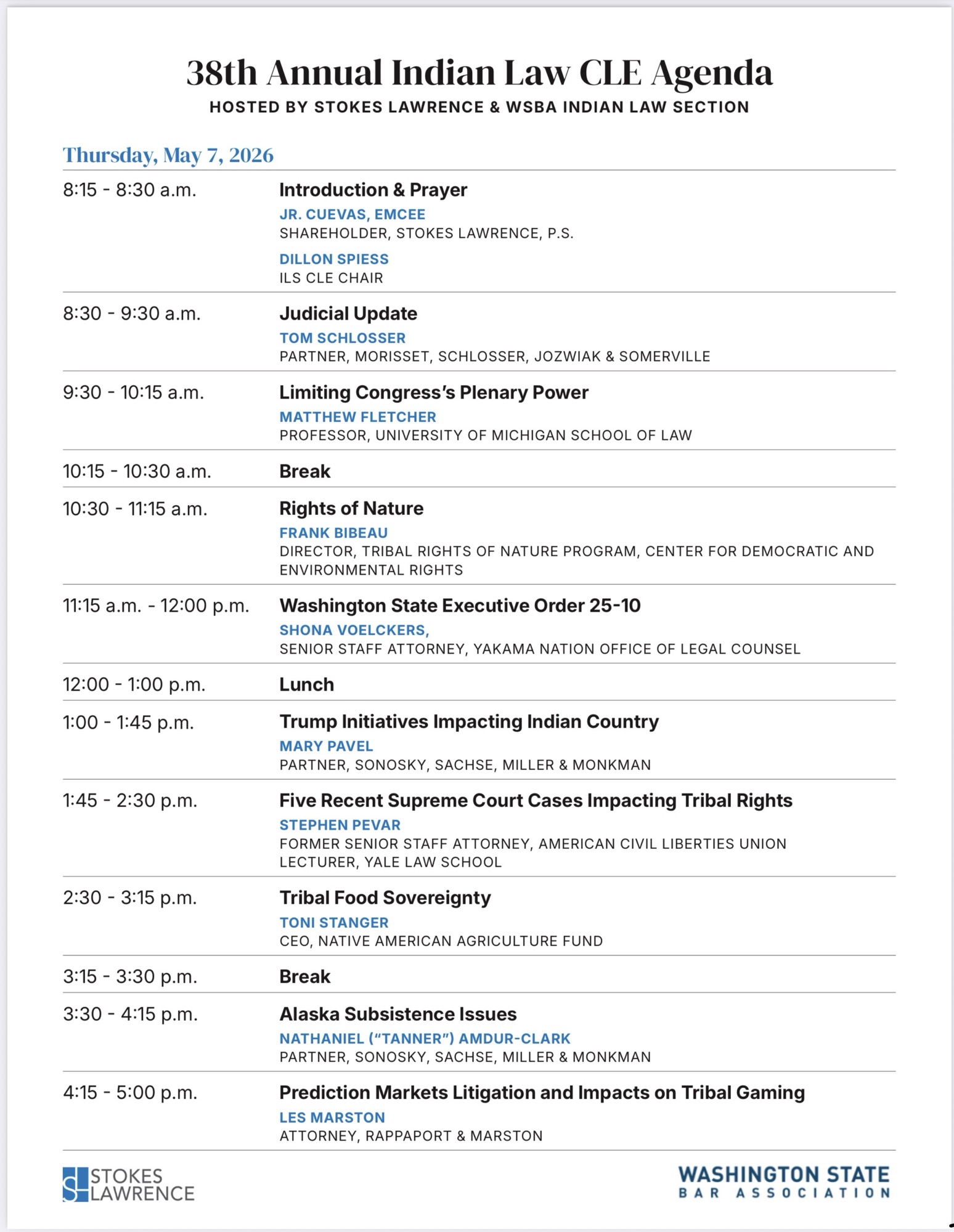
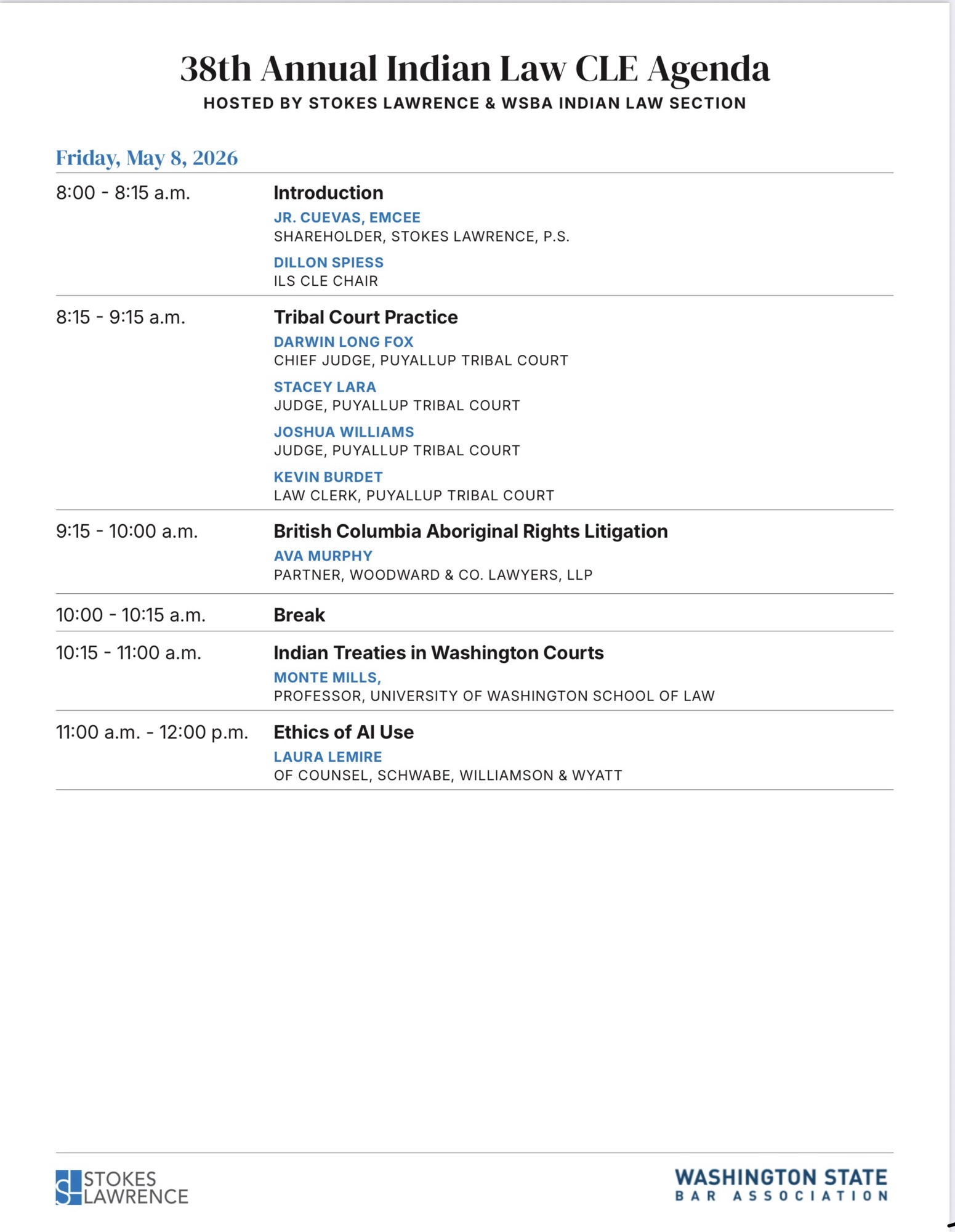
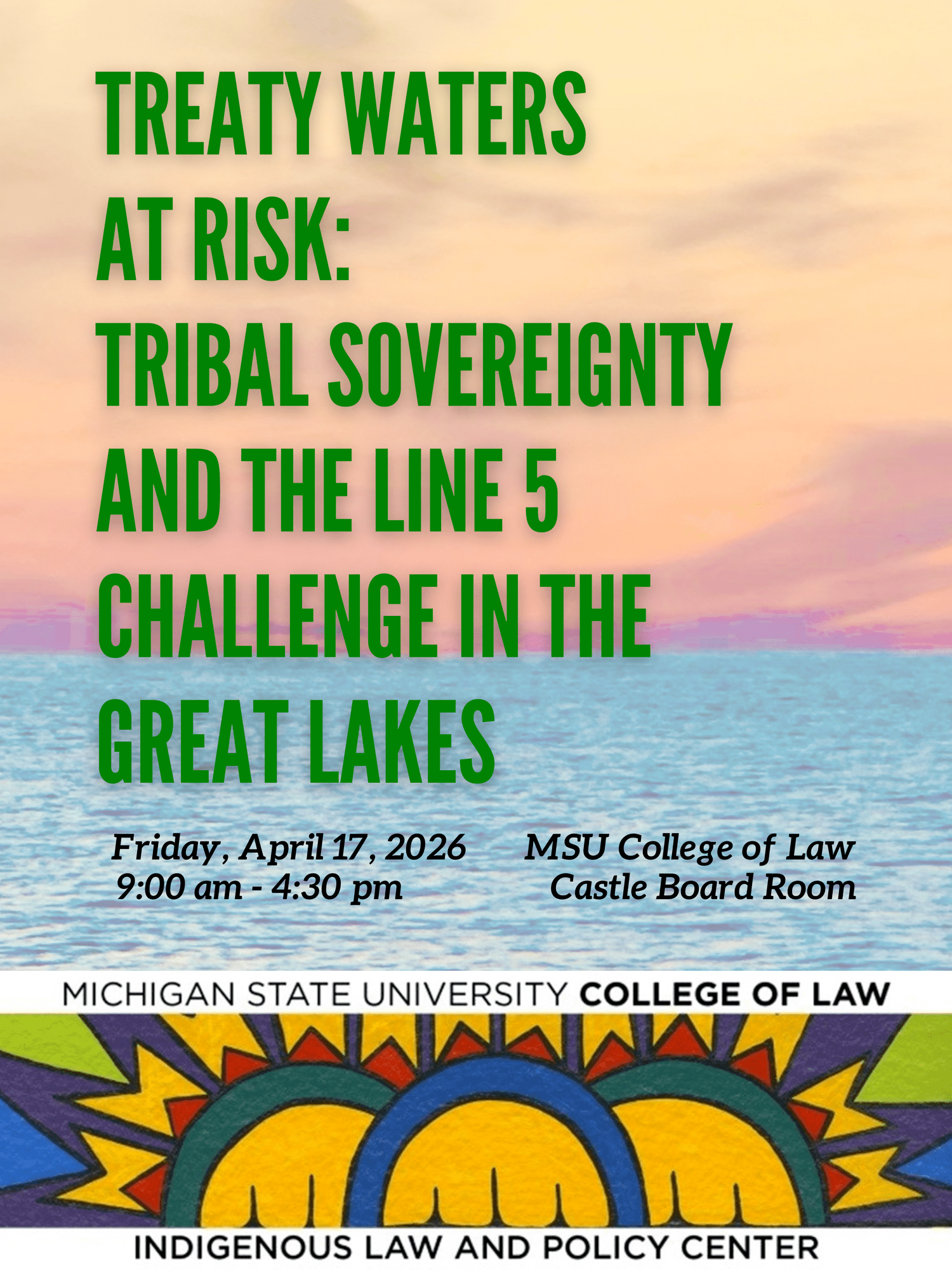
Join us at MSU Law for Treaty Waters at Risk: Tribal Sovereignty and the Line 5 Challenge in the Great Lakes, a one-day conference on Friday, April 17, 2026, examining the legal and environmental stakes of energy infrastructure in treaty-protected waters.
Featuring a keynote by Whitney Gravelle, MSU Law and ILPC alumna and President of the Bay Mills Indian Community, the program brings together leading voices to discuss treaty rights, co-management, and the ongoing Line 5 conflicts at Bad River and the Straits of Mackinac.
Here.
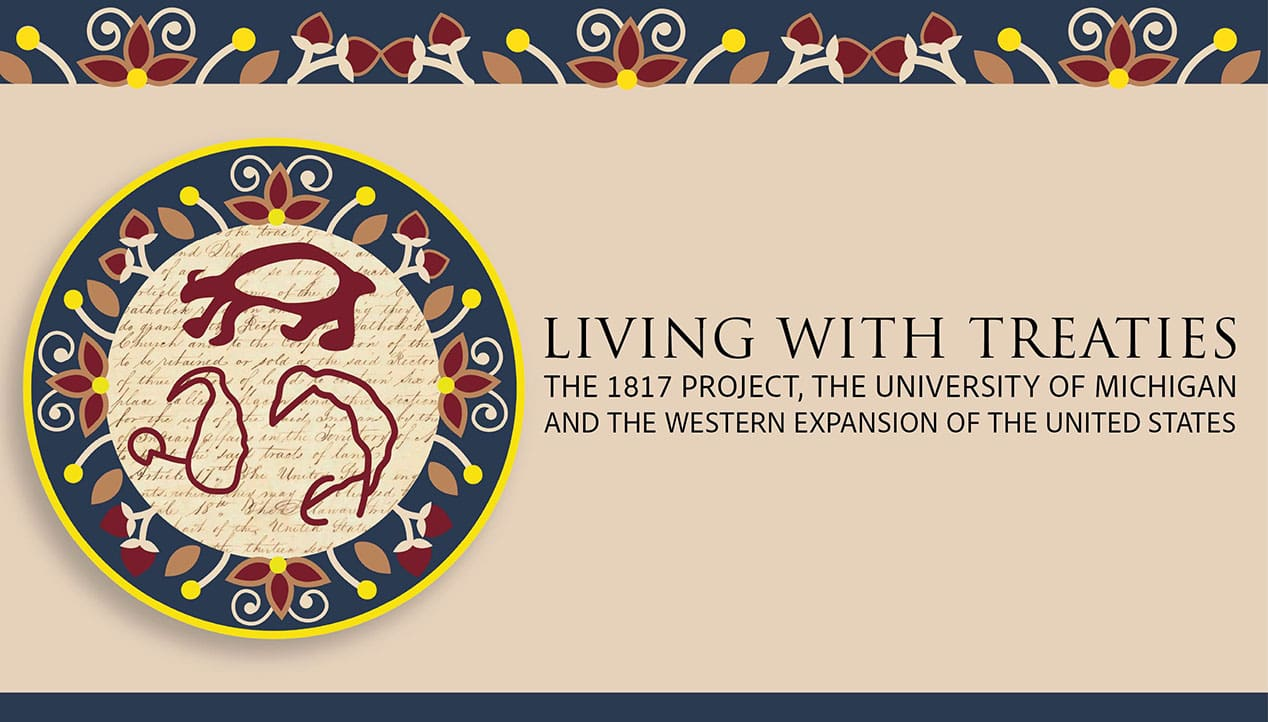
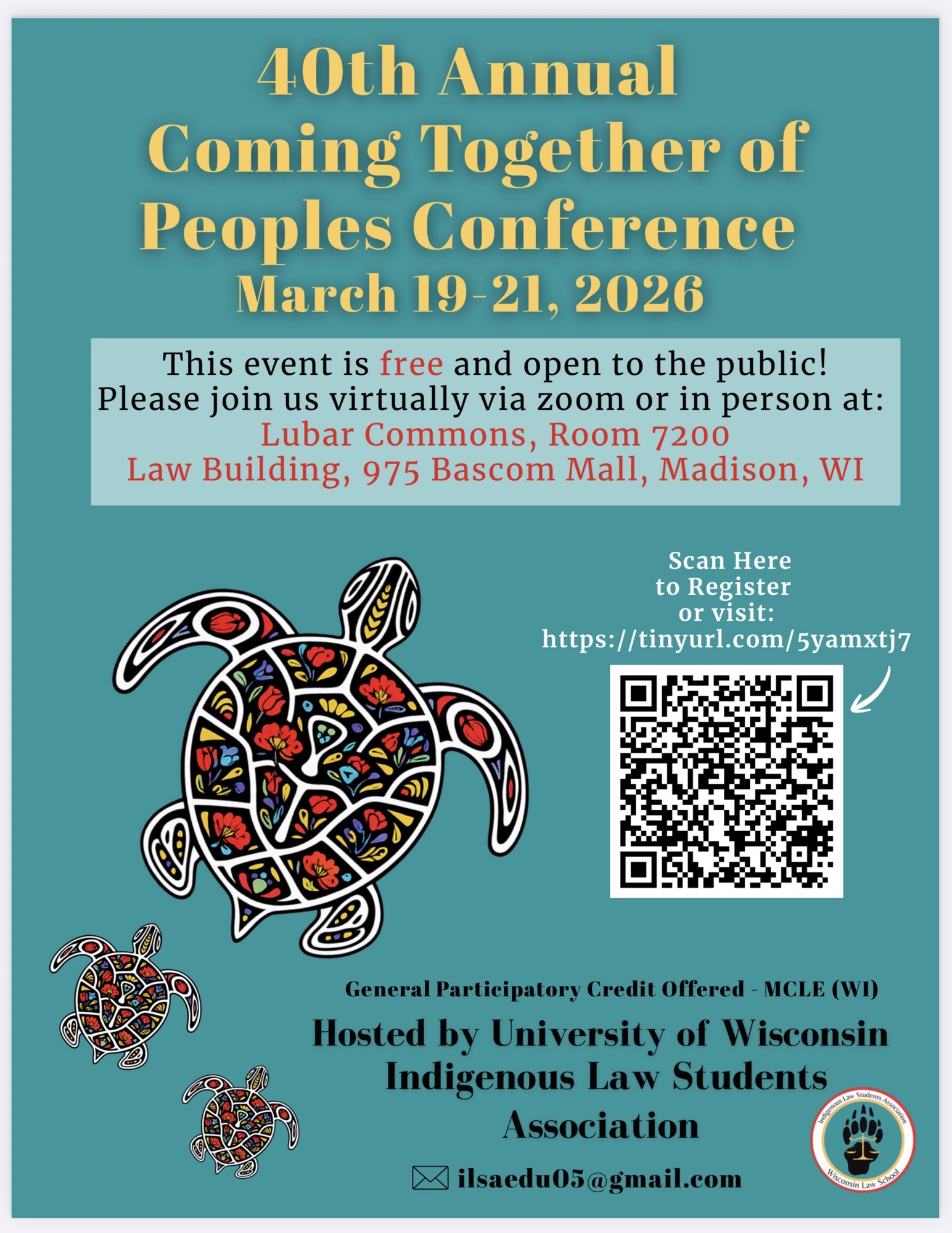
Join us April 9-11, 2026, for Living with Treaties: The 1817 Project, the University of Michigan, and the Western Expansion of the United States. This conference will explore the role of treaties in the development of both the University of Michigan and the state of Michigan, while considering how their effects continue to resonate locally, regionally, and nationally today for an Indigenous present and future.
The conference will bring together members of Anishinaabe Tribal communities; U-M faculty, staff, and students; K-12 educators; scholars; tribal historians; and community activists for roundtable discussions, panels, and workshops that aim to inform and connect with non-specialist audiences.
Conference sessions will focus on key themes that include the role of treaties in the founding and development of the University of Michigan, such as the 1817 Treaty of Fort Meigs; the ongoing impact of 19th-century treaty agreements on tribal communities in the region; and the ways in which these treaties continue to shape contemporary Native activism and legal efforts. Discussions will also explore the broader histories of colonization and Indigenous dispossession across what is now the state of Michigan and the Midwest region of the U.S, with an eye to how local and regional histories provide valuable insights into broader national patterns.
The conference is free and open to all, and will be livestreamed and recorded. Registration is encouraged but not required. We will send out reminder emails and event updates when you register.
The Living with Treaties: The 1817 Project, the University of Michigan, and the Western Expansion of the United States Conference is part of The 1817 Project: Land, Culture, Memory, and Repair, one of the major research initiatives of the University of Michigan’s Inclusive History Project. Led by Eric Hemenway, Bethany Hughes, and Michael Witgen, The 1817 Project is a multi-disciplinary examination of the foundational land transfer by the Ojibwe, Odawa, and Boodewaadamii nations in the 1817 Treaty of Fort Meigs (also known as the Treaty of the Maumee Rapids), which was part of the University of Michigan’s 1817 origins in Detroit and subsequent relocation to Ann Arbor, as well the university’s ongoing connections to Indigenous land and contemporary issues of Native American student experience. Learn more about The 1817 Project.
The Living with Treaties: The 1817 Project, the University of Michigan, and the Western Expansion of the United States Conference is presented by the Inclusive History Project in partnership with the Eisenberg Institute for Historical Studies (EIHS) and with the support of the Bentley Historical Library, Clements Library, the Department of American Culture, the Department of History, the Native American Student Association, the Native American Studies Program, Rackham Graduate School, Penny W. Stamps School of Art & Design, and the University of Michigan Museum of Art (UMMA).
The conference logo was designed by Eva Oldman.
For questions or more information, contact inclusivehistory@umich.edu.
Here:
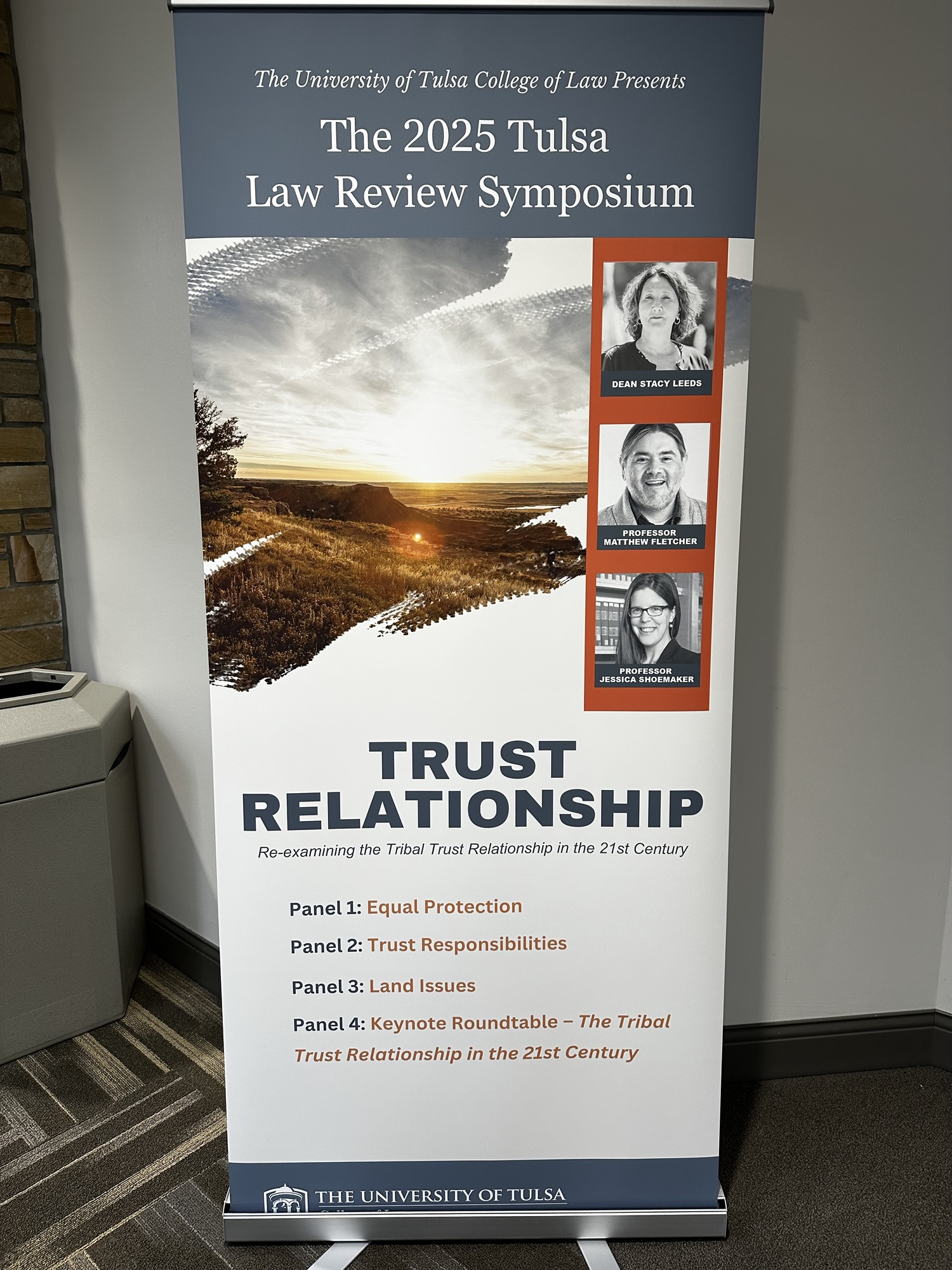
Fletcher’s Uncertainty Principle
Matthew L.M. Fletcher
Tribes as Nations: The Future of the Trust Relationship
Adam Crepelle
The Unenforceable Indian Trust
Ezra Rosser
The New Existentialism in Indian Law
M. Alexander Pearl
Fractionation by Design: Remedy Without Repair in Indigenous-Owned Trust Allotments
Jessica A. Shoemaker
Tribal Co-Management on Ceded Lands: A New Era?
Michael C. Blumm and Adam Eno
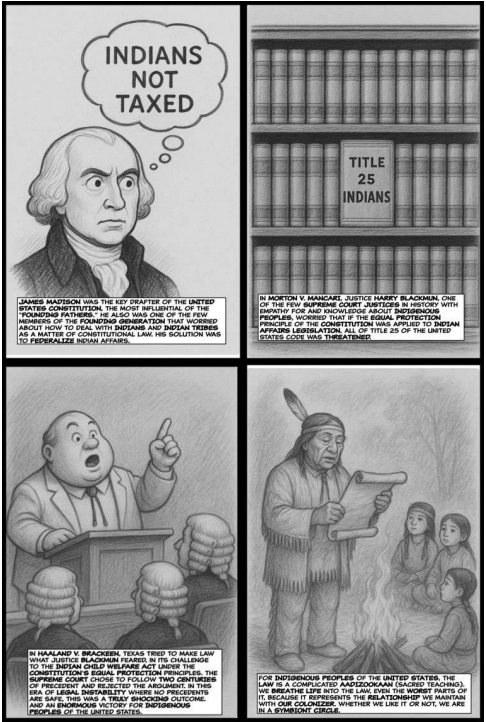
Original Comic: Tribal-Federal Symbiosis—An Aadioozaan
Matthew L.M. Fletcher
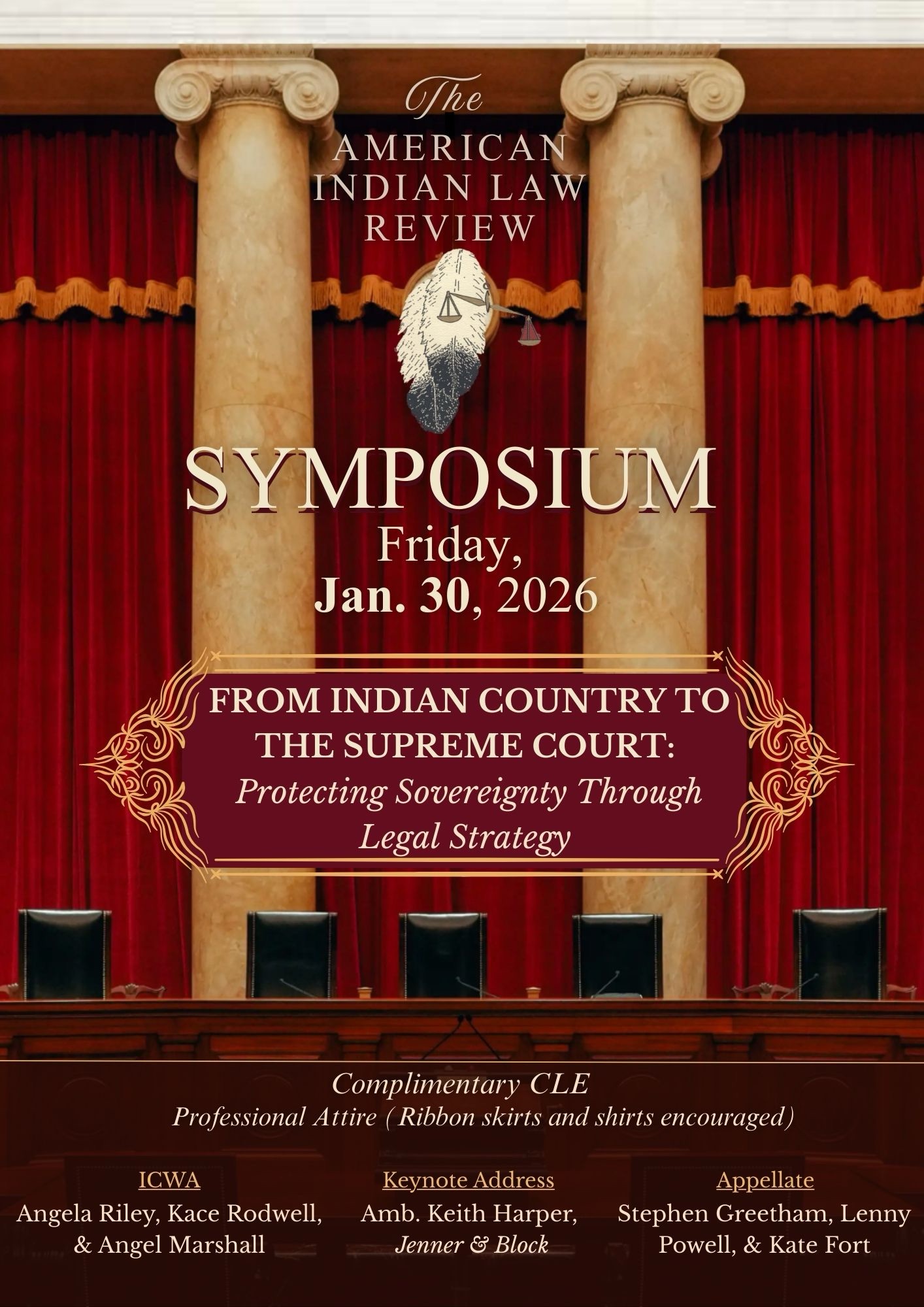



 Turtle Talk
You must be logged in to post a comment.