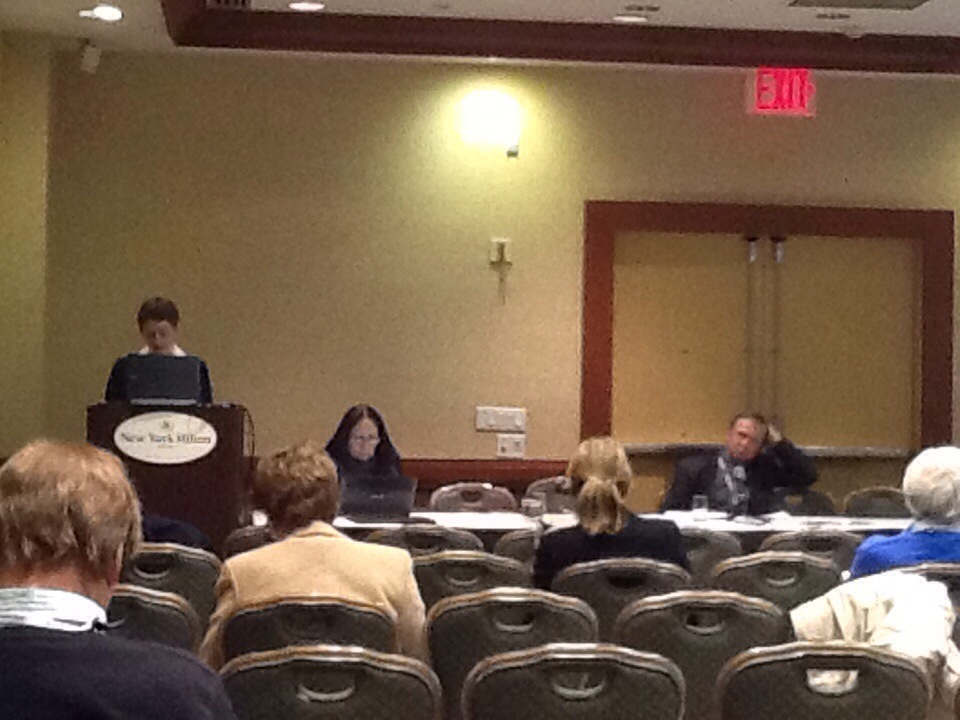
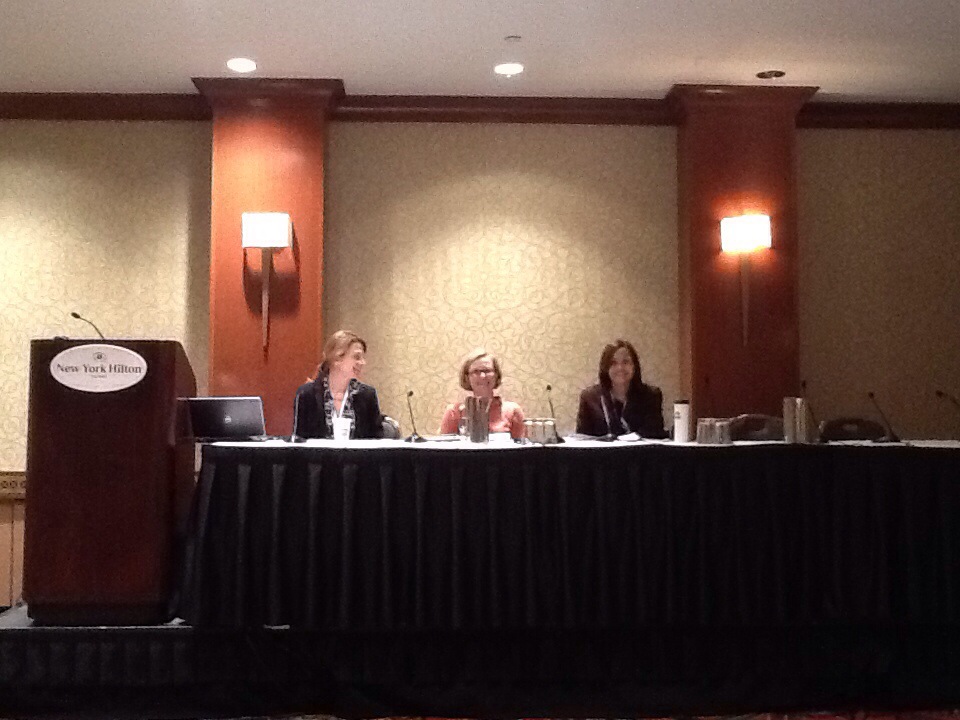
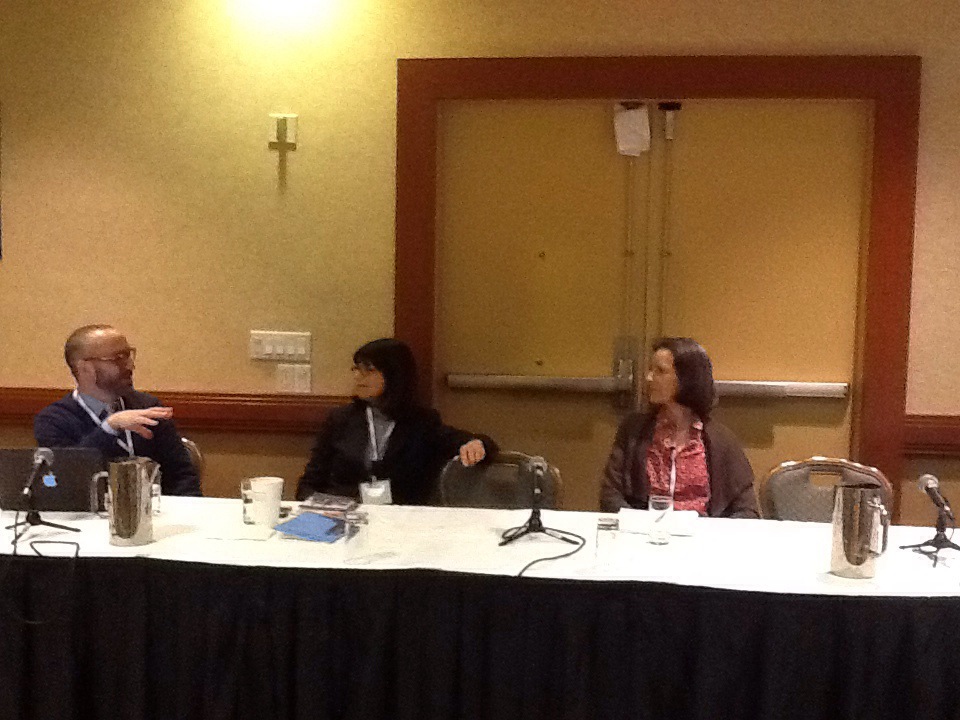
Caroline Mayhew, Christine Zuni Cruz, and Alex Skibine
40.762443
-73.980091
2014 National Tribal Judicial and Court Clerks’ Conference and
Request for Presentation Proposals
The National American Indian Court Judges Association (NAICJA) invites presentation proposals for the 44th Annual National Tribal Judicial and Court Clerks’ Conference which will be held on October 8-10, 2014 at the Cherokee Nation’s Hard Rock Hotel and Casino in Tulsa, Oklahoma. NAICJA’s Annual Conference offers innovative and timely information through high quality presentations by knowledgeable speakers. In 2014, the theme of the conference is “Celebrating Tribal Justice Innovations and Success.” NAICJA is presenting topics that highlight the broad spectrum of innovative and creative American Indian, Alaska Native, Native Hawaiian and First Nation tribal justice system approaches utilized in addressing crime and resolving disputes. For tribal court clerks, NAICJA is providing information on best court administration practices and emerging court technology necessary to support the tribal justice system.
This is your opportunity to share your expertise and display your creativity by developing an original program for presentation. Proposals specifically tailored to meet the needs of the NAICJA audience are strongly preferred. Proposals are due on or before February 28, 2014.
More details here:
Here:
Adoptive Couple v. Baby Girl: At the Intersection of Family Law, Indian Law, and Civil Rights
On June 15, 2013, the Supreme Court decided Adoptive Couple v. Baby Girl, its first case on the Indian Child Welfare Act in 24 years. The case raises conflicting visions of child welfare, race, adoption, fatherhood, and the status of Indian tribes. The 5-4 decision turns on divided views of the statute, with a controlling interpretation that may decimate the rights of birth fathers in ICWA cases and even the scope of ICWA itself. Conflicting amicus briefs from the National Council for Adoption (the trade group for private adoption agencies) and the 18 leading child welfare organizations in the country raise equally divided questions of the connection between the law and the best interests of children. Finally, with claims by the adoptive couple and their amici of race-matching and equal protection concerns, and claims by the birth father and Indian tribes of an adoption industry illegally preying on Indian children, perspectives on the role of race in adoptions and even the constitutional status of Indian tribes are placed in conflict as well. This panel explores these questions with scholars of federal Indian law, family law, constitutional law, and critical race theory.
Panelists:
Kathryn Fort (Michigan State University-College of Law)
Solangel Maldonado (Seton Hall Law School)
Gerald Torres (University of Texas Law School; Visiting Cornell Law School)
Bethany Berger (University of Connecticut School of Law)
Thanks to Bethany for sending this along.
Here.The blurb:
The Haudenosaunee teach that peace is not the absence of war, but rather is an active striving towards universal justice. Today, the Haudenosaunee and many other indigenous peoples are striving to create their version of peace in a world that is often hostile to indigenous sovereignty, illustrated by the land claim legal battles, interference in border crossing rights, and the Adoptive Couple v. Baby Girl case, to name just a few examples. Yet despite these constant battles indigenous peoples continue to strive for a society that creates peace or universal justice. The 10th Haudenosaunee conference brings together speakers and participants to discuss and share ideas about how they view peace and the means they use to achieve that peace.
And the agenda:
You must be logged in to post a comment.