Tribes aren’t alone in warning that the Commodity Futures Trading Commission is exceeding its authority with its proposed rule. Criticism of the rule is also raised in comments submitted by former Senator Chris Dodd, co-author of Dodd-Frank, the legislation that amended the Commodities Exchange Act provisions at the heart of CFTC’s proposed rule; Timothy Massad, a former CFTC chair; 44 state attorneys general; and leading gaming and derivatives interests.
This is the third and final post in a series (first post; second post) on the CFTC’s proposed rule governing prediction market “event contracts.”
Former Sen. Chris Dodd, co-author of Dodd-Frank, says Congress did not authorize this
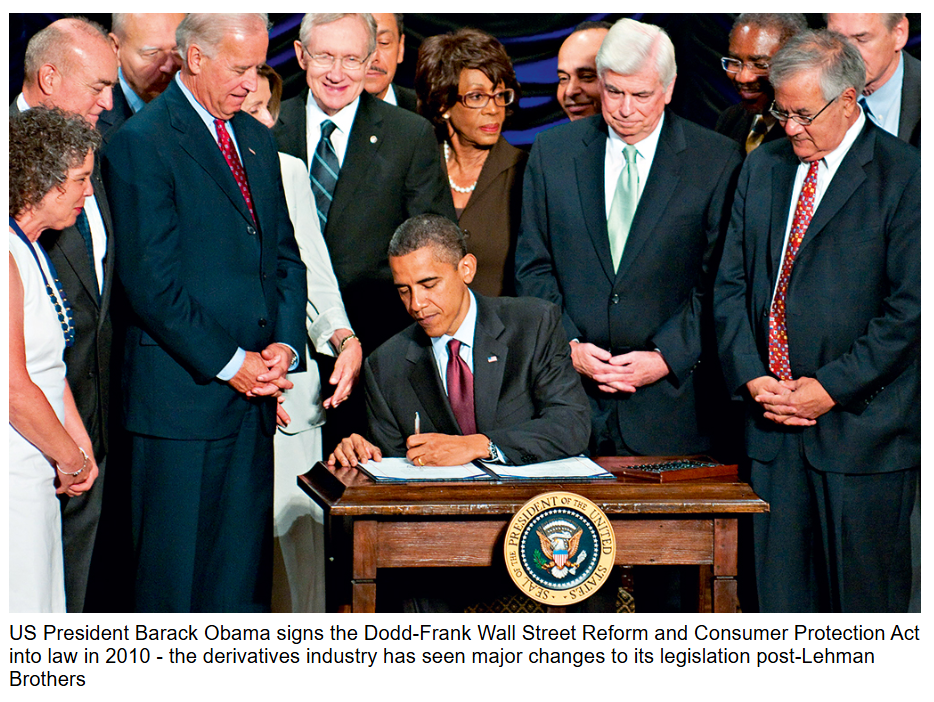
Former Senator Christopher Dodd submitted a comment stating:
The proposed regulatory amendments contradict the language and intent of the Dodd-Frank Act and promote public policies opposing what Congress clearly intended.
These amendments could well endanger consumers and promote speculation. These proposed amendments undermine the traditional police powers of states and also functionally amend the Indian Gaming Regulatory Act (IGRA), which could diminish tribal sovereignty.
A former CFTC chair says the agency has “lost its way”
Former CFTC Chair Timothy Massad opened his comment with an unusually direct statement:
“The Commodity Futures Trading Commission has lost its way . . . . Although I have not submitted comments on any rule proposal since leaving the agency, I feel it is important to do so here because the agency has lost sight of its mission and the limits of its own authority.”
Forty-four state attorneys general raise objections
A bipartisan coalition of 44 state attorneys general, led by Ohio Attorney General Andy Wilson, likewise argues:
“The CFTC in the Proposed Rule goes well beyond its statutory authority. . . . it violates both the major-questions doctrine and the federalism canon . . . . [and] clashes with the CEA’s plain text, structure, and purpose.”
Comments from the American Gaming Association and CME Group
The American Gaming Association, whose members include commercial and Tribal gaming operators, states in its comments:
The proposed rule concedes that sports event contracts involve gaming, yet creates a permissive framework designed to allow them. That approach conflicts with congressional intent, 15 years of regulatory precedent, state and federal law, and the CFTC’s own regulations. It would also displace state and tribal authority while exposing consumers and sports competitions to wagering activity without comparable licensing, geolocation, responsible gaming, integrity monitoring, or enforcement safeguards.
The CFTC is a financial markets regulator, not a national gaming commission. It lacks both the expertise and resources to replace the more than 8,400 state and tribal regulators who oversee legal gaming today. The Commission should withdraw the proposed revisions to Rule 40.11, enforce the existing prohibition on gaming event contracts, respect tribal sovereignty and states’ rights, and put an end to the unlawful nationwide expansion of sports wagering through prediction markets.
CME Group, one of the world’s largest derivatives market operators, also submitted comments, stating that “the Commission’s authority on this score is ambiguous at best, [and] deferring to Congress would be advisable.”
Each of these comments challenge the CFTC’s authority to create a nationwide market for products that function as sports betting while bypassing the federal, Tribal, and state laws that otherwise govern gaming.
The Oklahoma Indian Gaming Association’s Wins Award for Longest Comment
A final note: OIGA’s comment was the most detailed submission to the CFTC, totaling 50 pages and including 291 footnotes.


You must be logged in to post a comment.