*Note: I published a draft of this post this morning while I was still editing it & adding to the Tribal court slideshow. The slideshow now includes 33 images of the Tribal Justice Center construction projects currently underway or built since 2010 and included in the table below. This post is the final version. Apologies for the second post.
For decades, the Supreme Court has treated Tribal jurisdiction as a problem requiring limitation rather than governmental authority requiring respect.
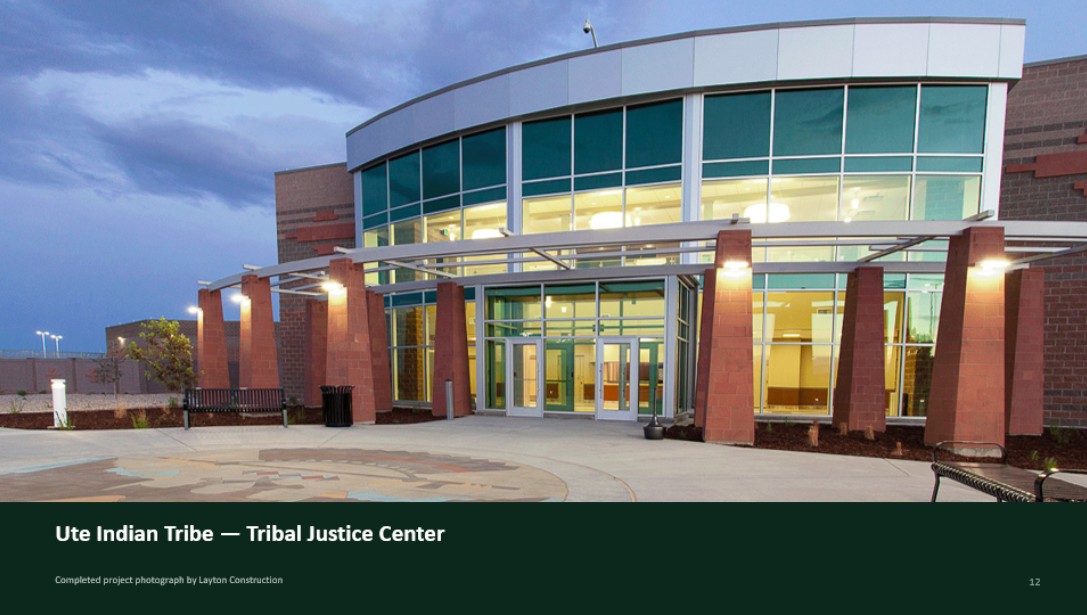
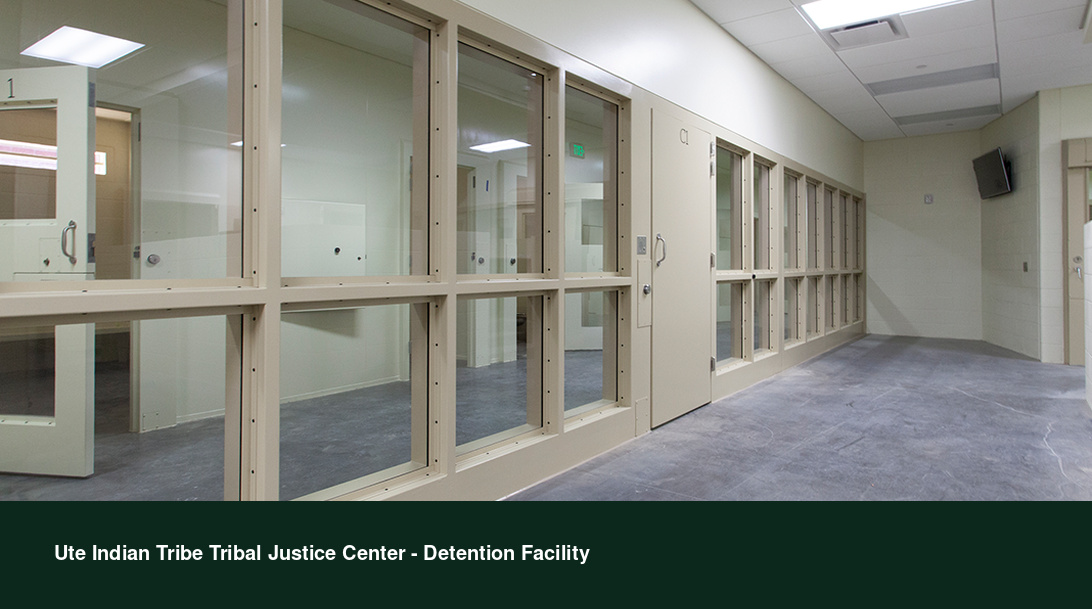
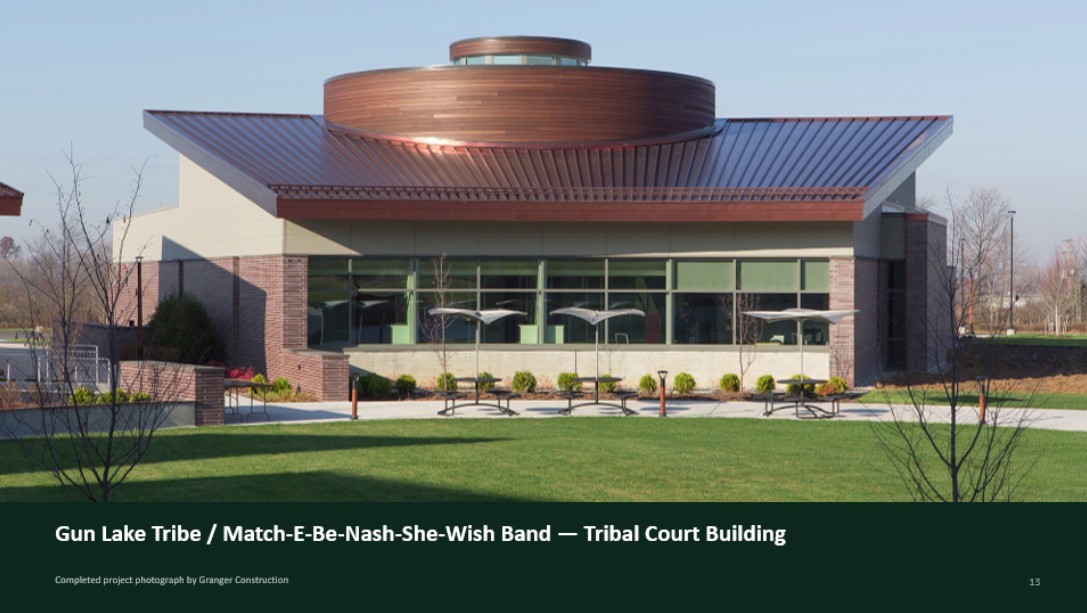
The Tribal Justice construction projects below make visible something federal Indian law too often obscures: Tribal Nations are governments administering entire systems of justice. They prosecute, defend, adjudicate, supervise, treat, heal, and protect.
Below is a summary of selected Tribal court and justice center projects completed since 2010 or currently underway. Together, they range from several thousand to more than 100,000 square feet and represent well over $285 million in reported construction costs or budgets. The actual total is substantially higher because costs for many projects are not public.
None of these buildings makes Tribal justice legitimate. Tribal Nations possessed and exercised authority to govern and resolve disputes long before the United States existed, much less before anyone poured the concrete for a courthouse. These Nations are not constructing legitimacy. They are constructing the physical infrastructure through which longstanding governmental authority operates in the contemporary world.
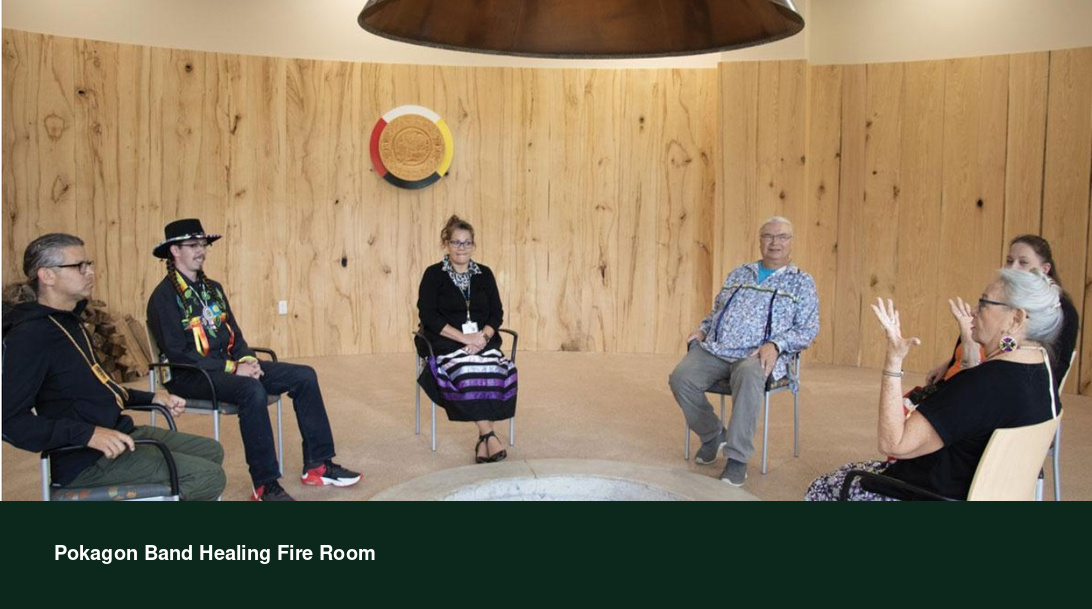
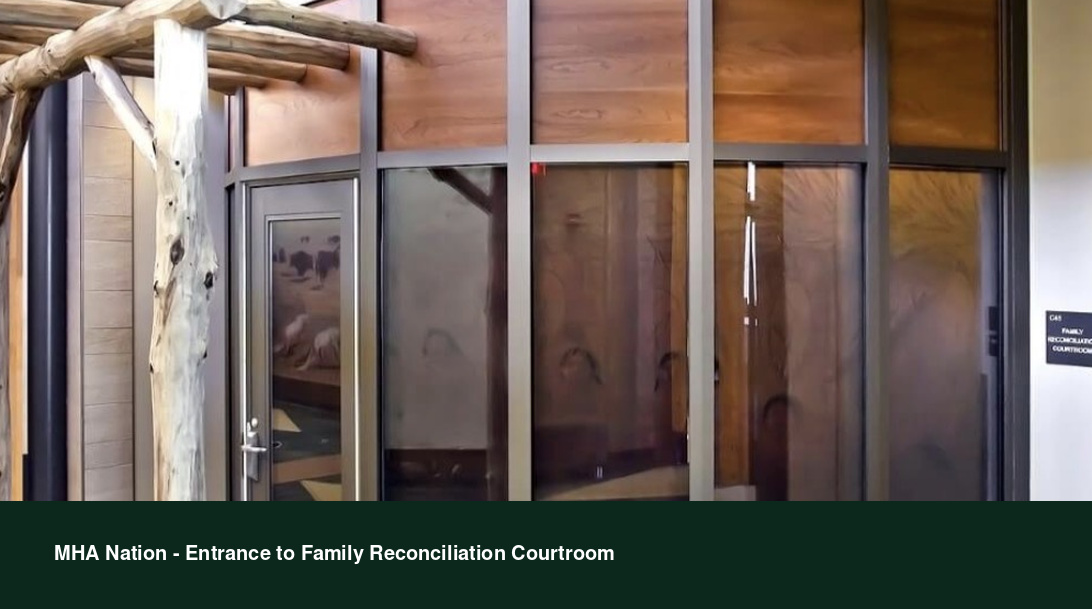
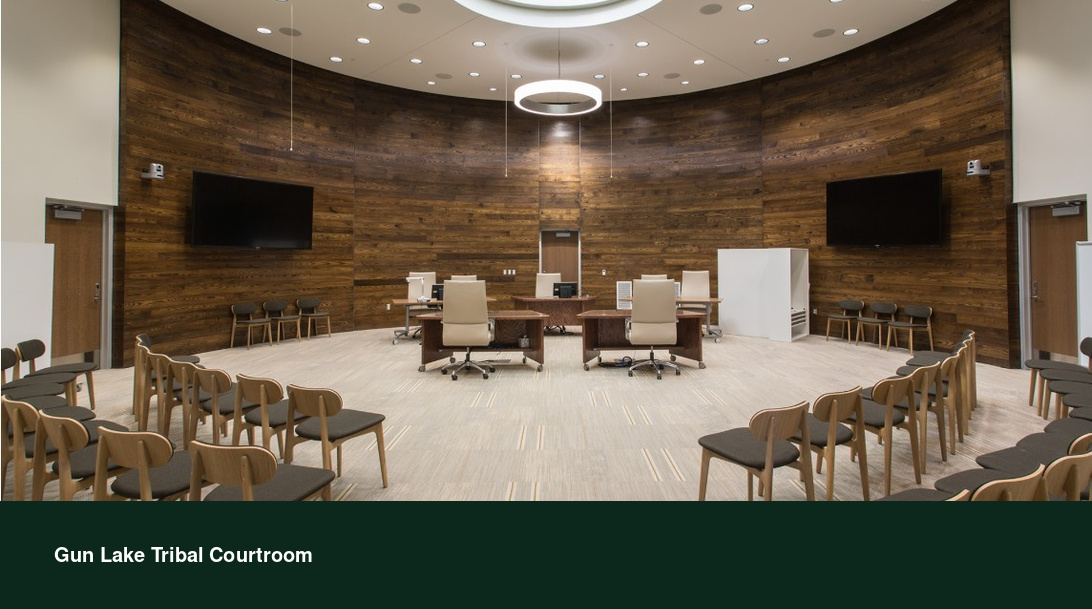
And these justice centers don’t simply reproduce non-Indian courthouses. Many incorporate traditional peacemaking, healing and treatment programs, victim services, culturally grounded design, detention and public-safety functions, and other institutions reflecting Tribal choices about what justice should look like.
It’s worth looking at these institutions against the background of the Supreme Court’s Tribal jurisdiction cases. Again and again, the Court has approached Tribal authority through presumptions of limitation, concerns about the exercise of jurisdiction over nonmembers, and judicially created restrictions on Tribal governmental power.
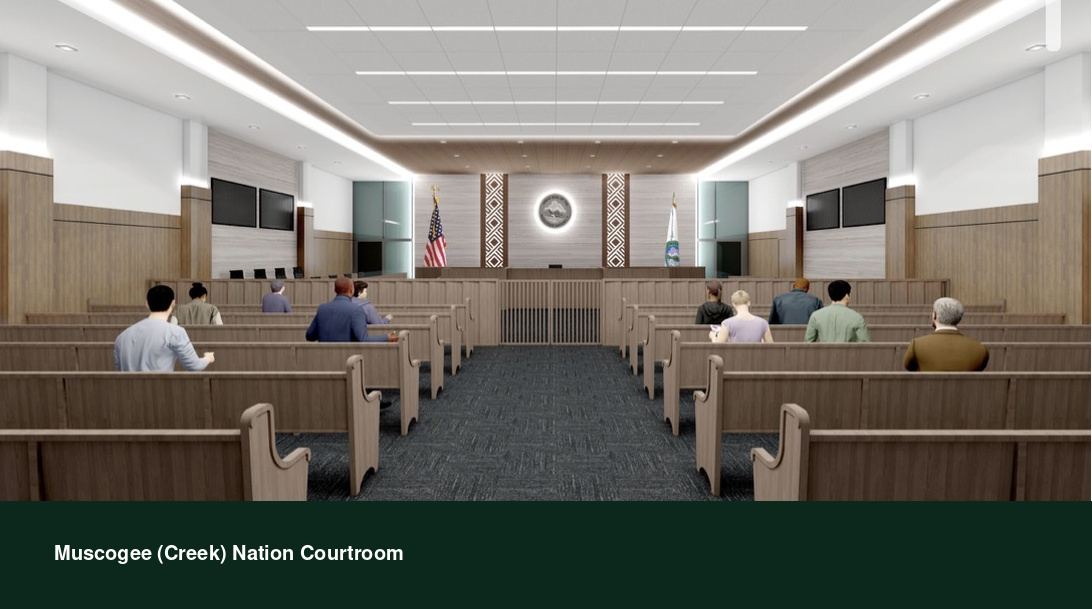
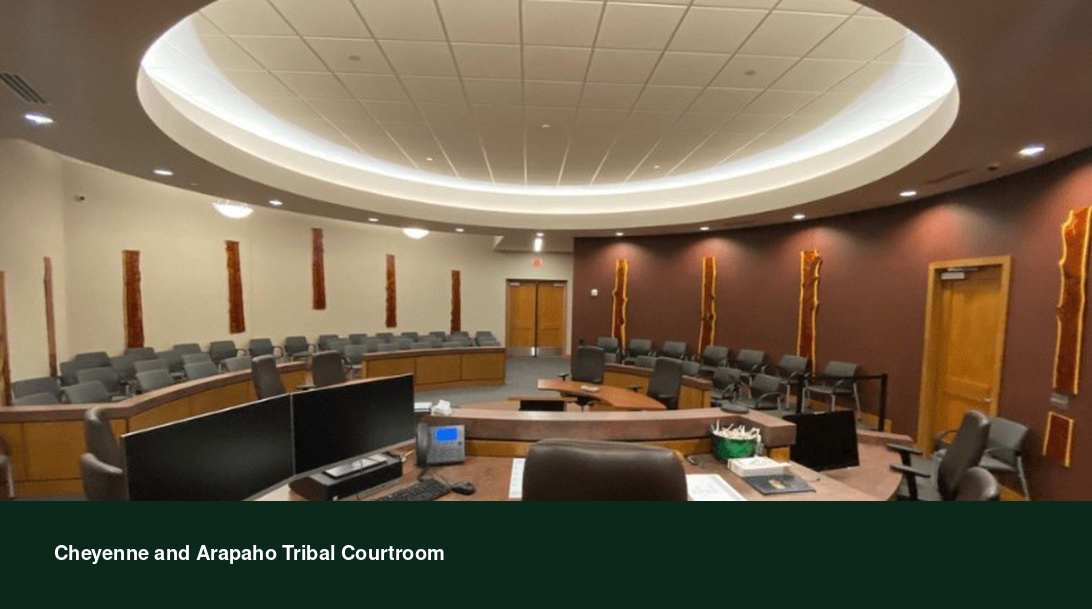
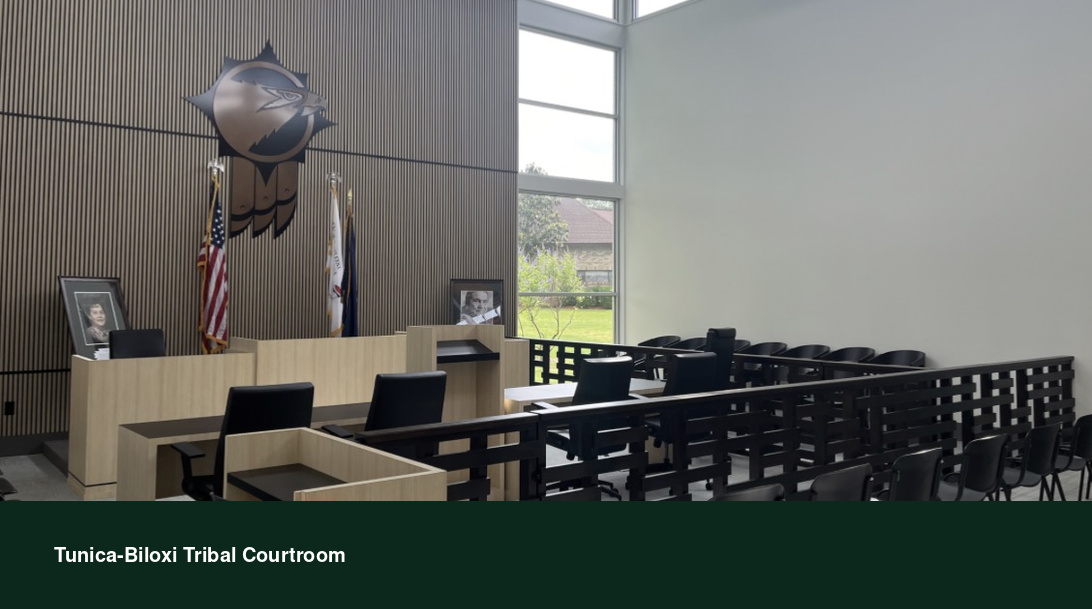
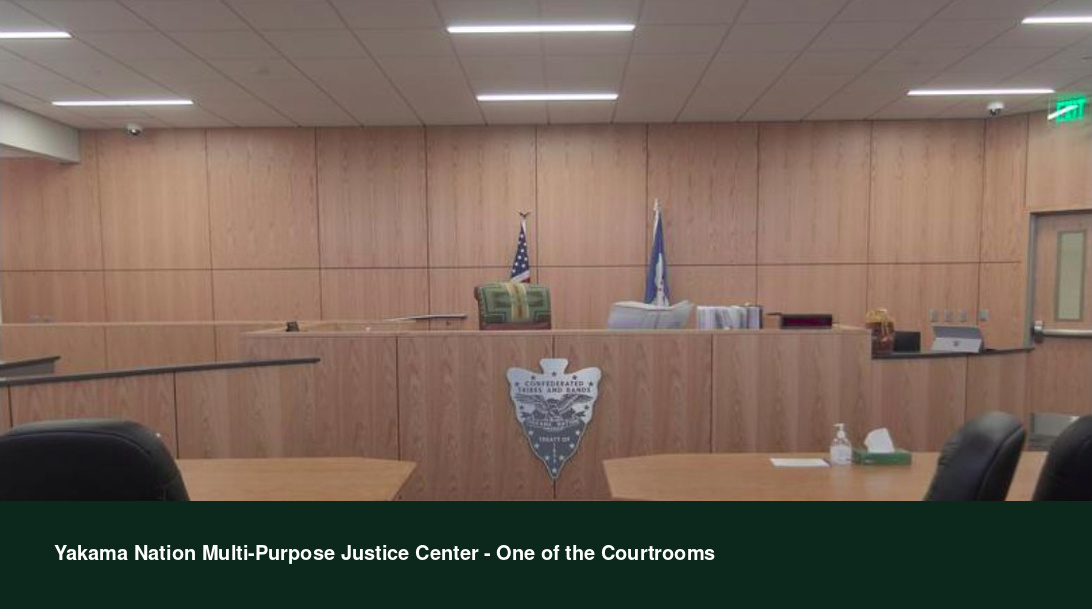
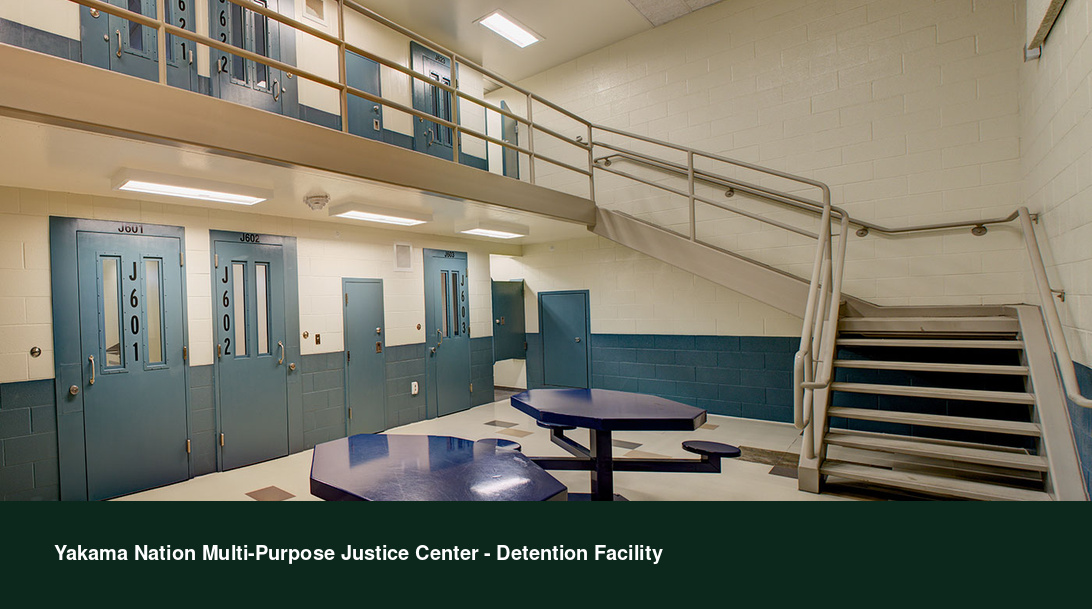
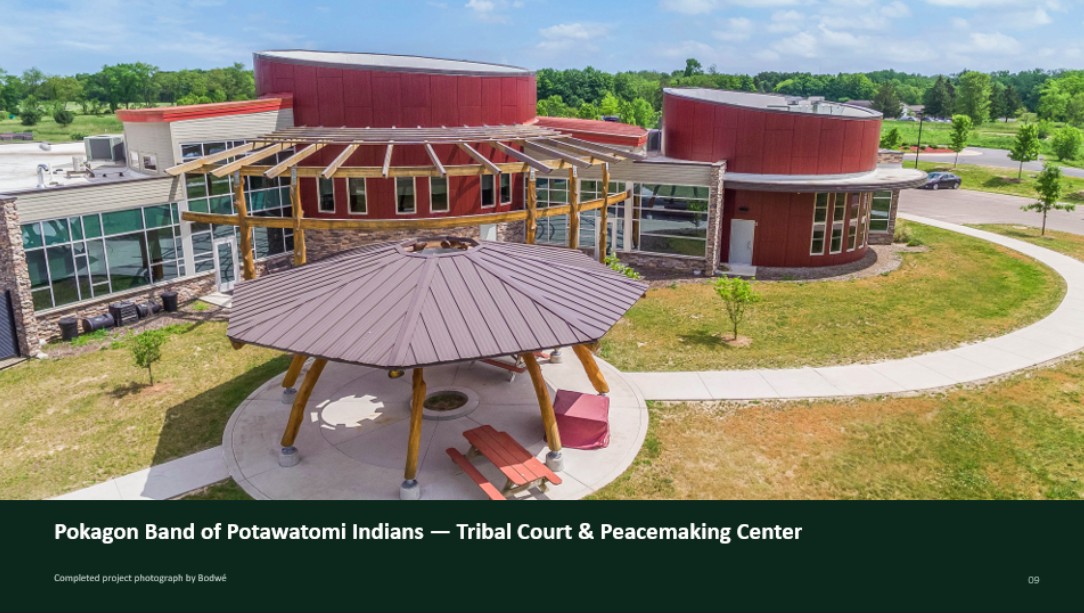
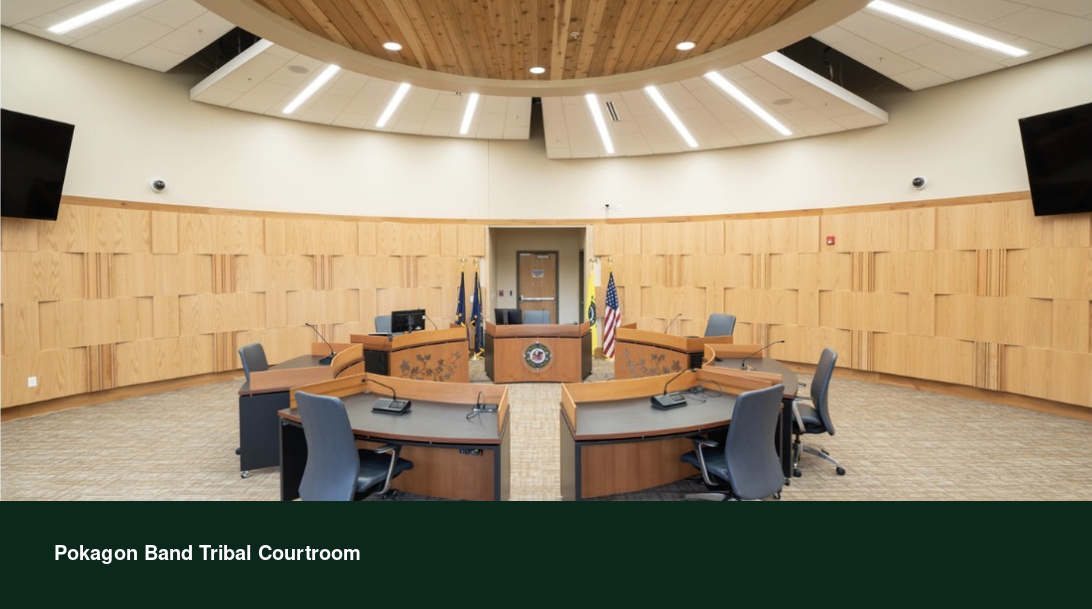
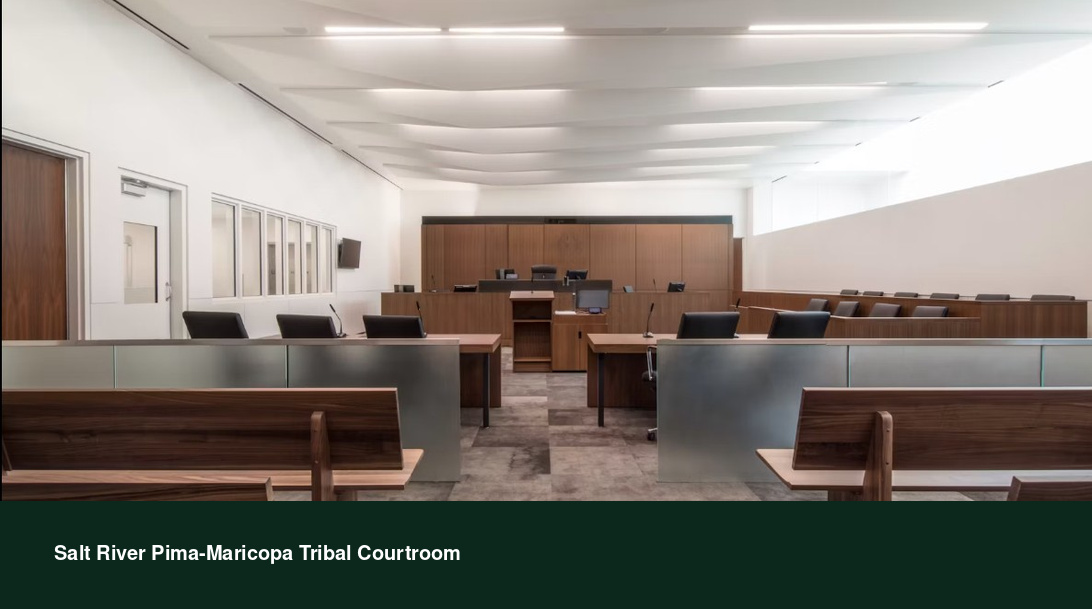
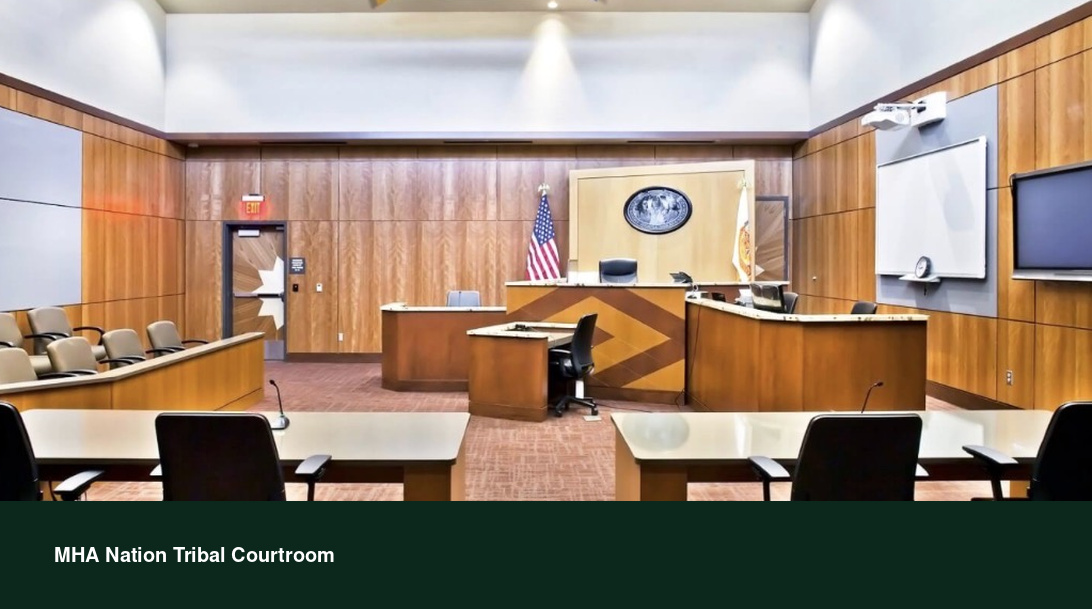
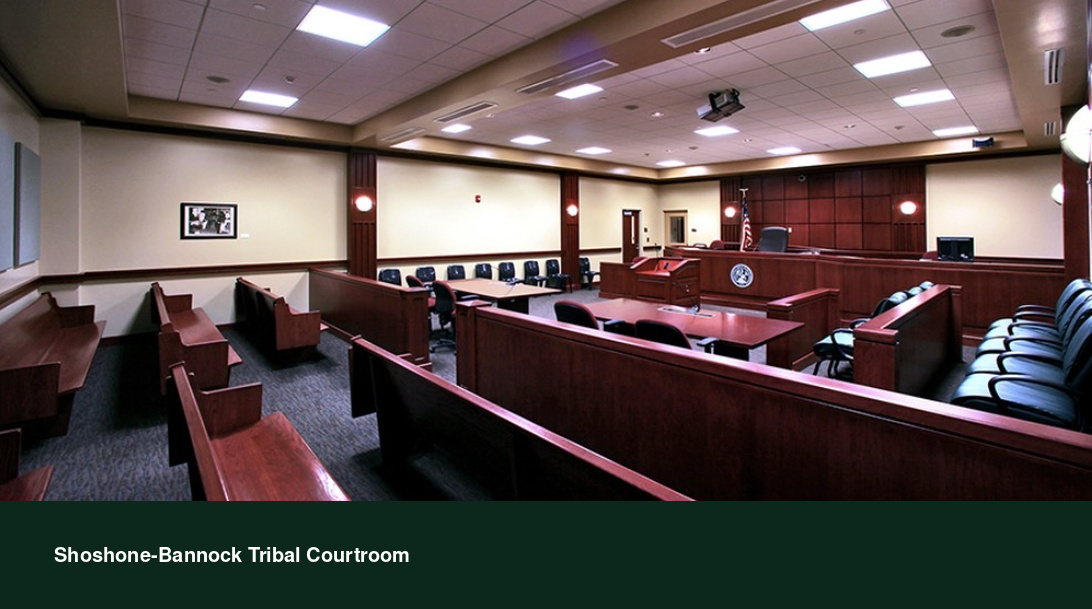
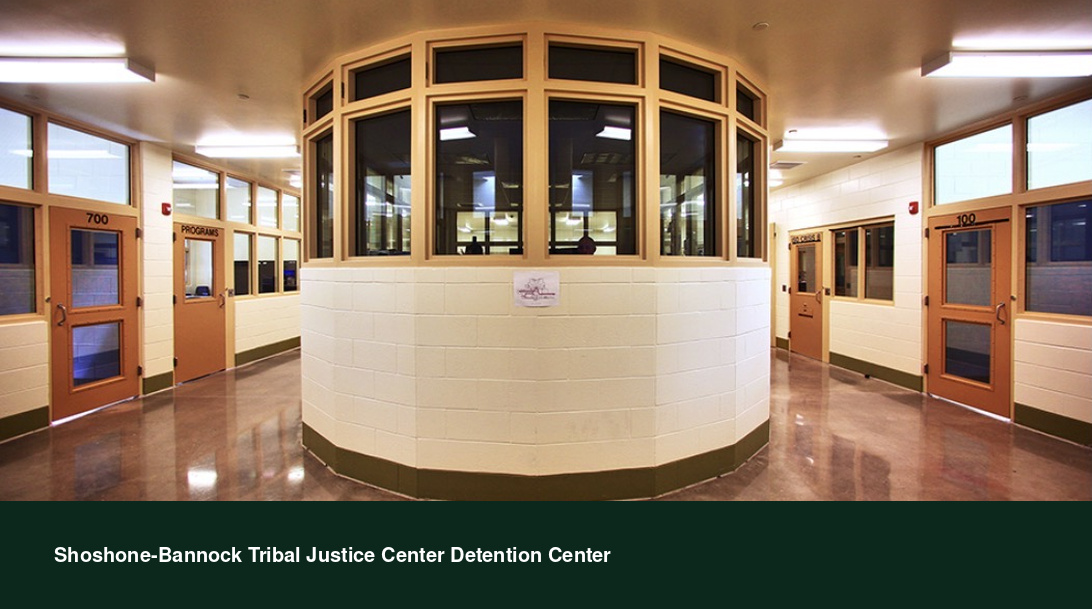
Then look at the photographs and renderings. Look at the courtrooms, judges’ benches, victim services programs, treatment facilities, detention centers, peacemaking rooms, and the governmental infrastructure surrounding them. The dissonance is uncomfortable.
The problem is larger than whether particular Justices respect Tribal judges. Federal Indian law has repeatedly treated Tribal governmental authority as exceptional, where jurisdiction must be justified, bounded, divested, or subjected to limitations that would be extraordinary if imposed upon state governments.
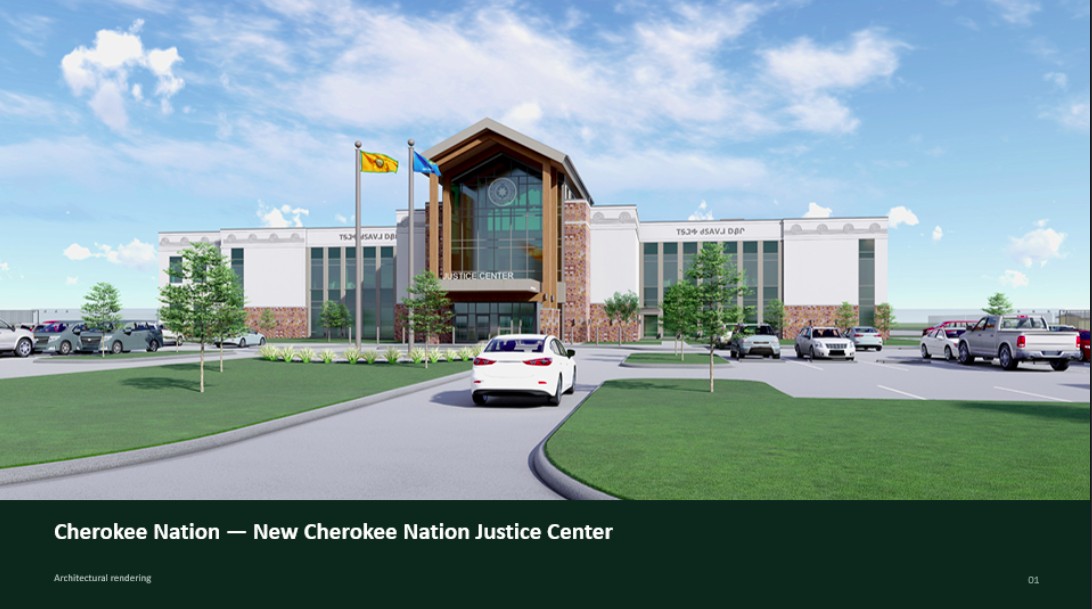
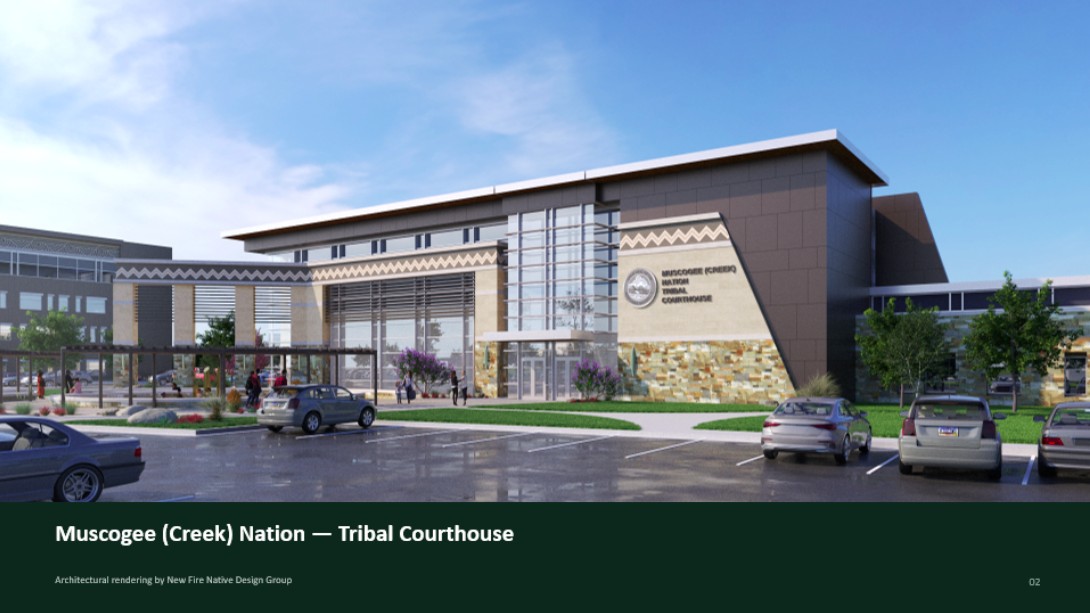
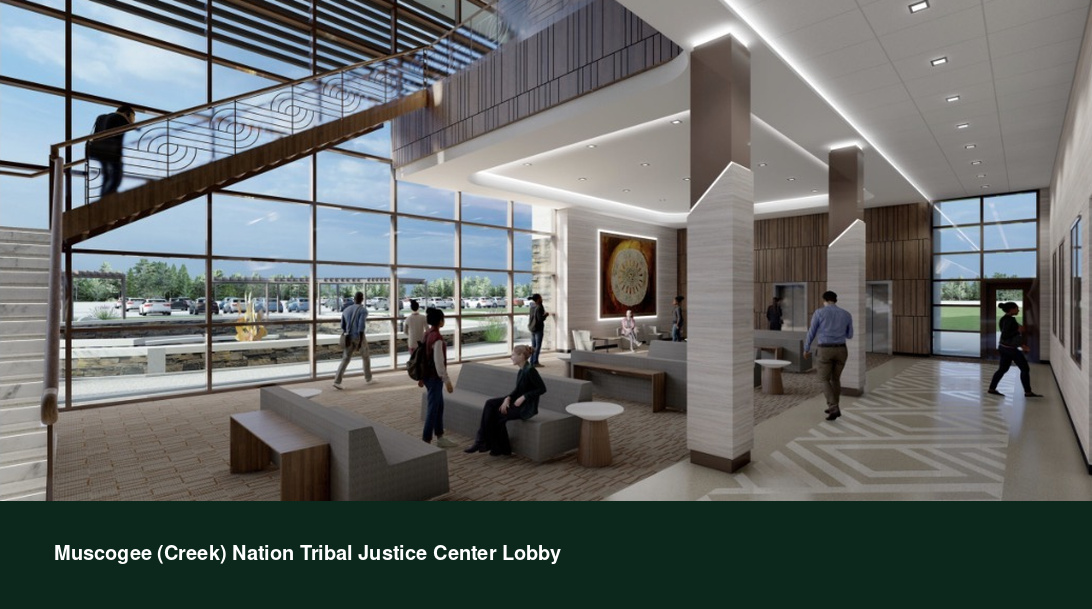
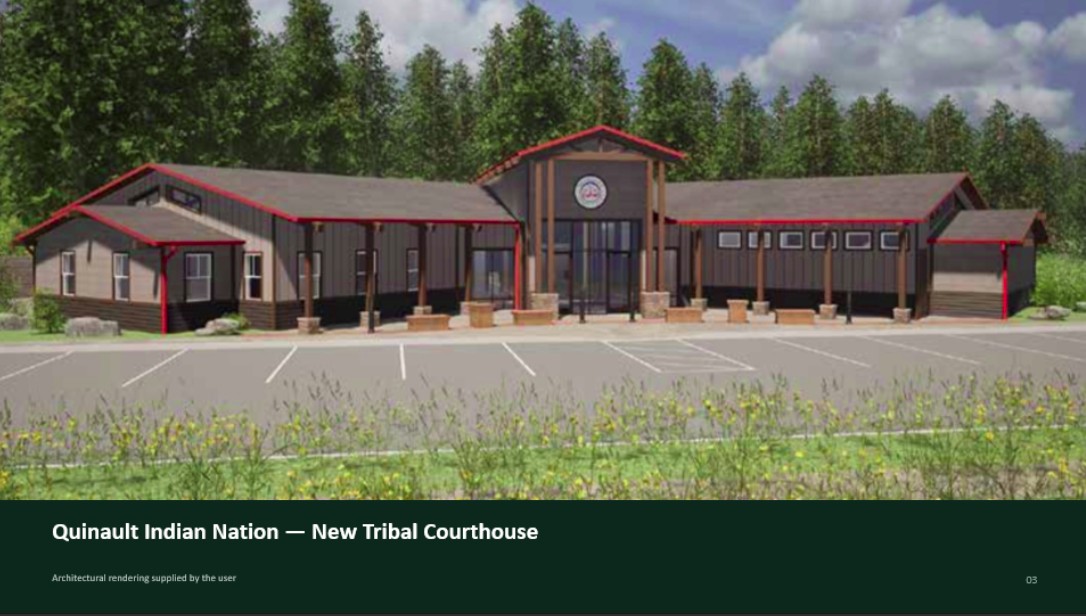
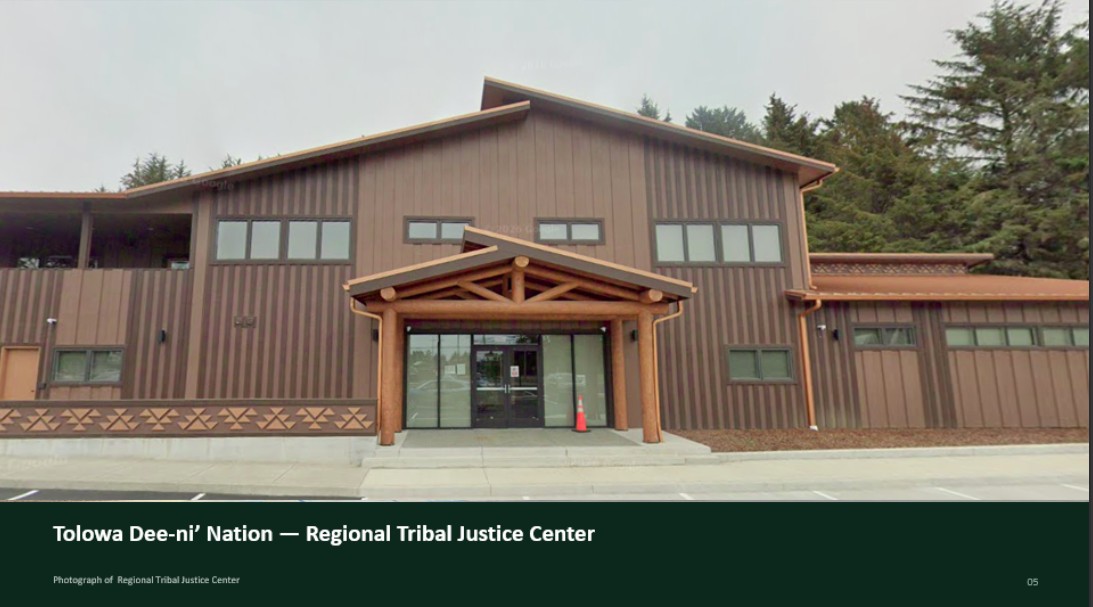
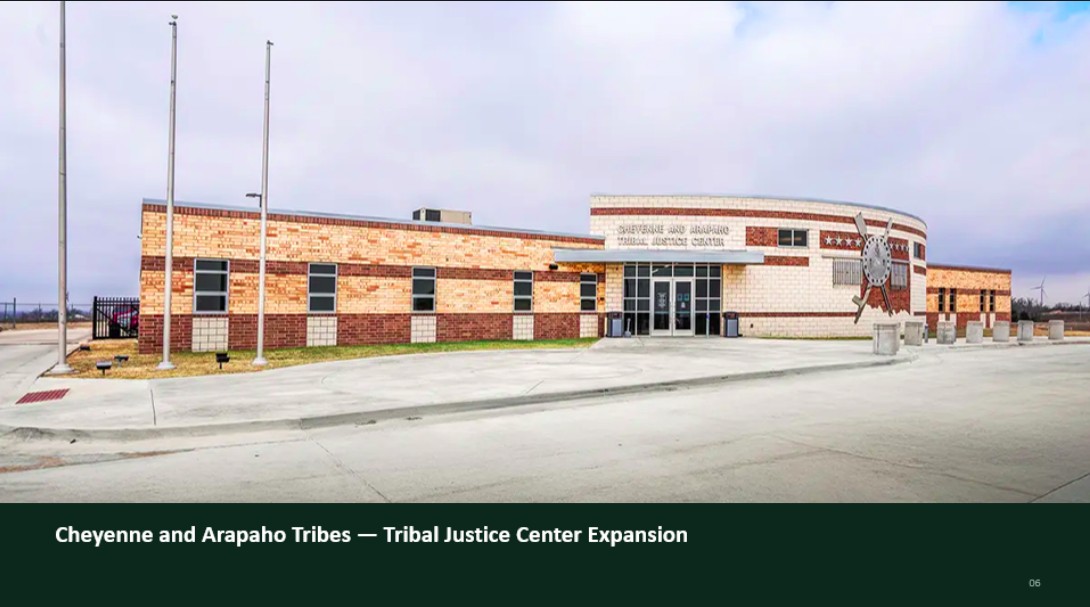
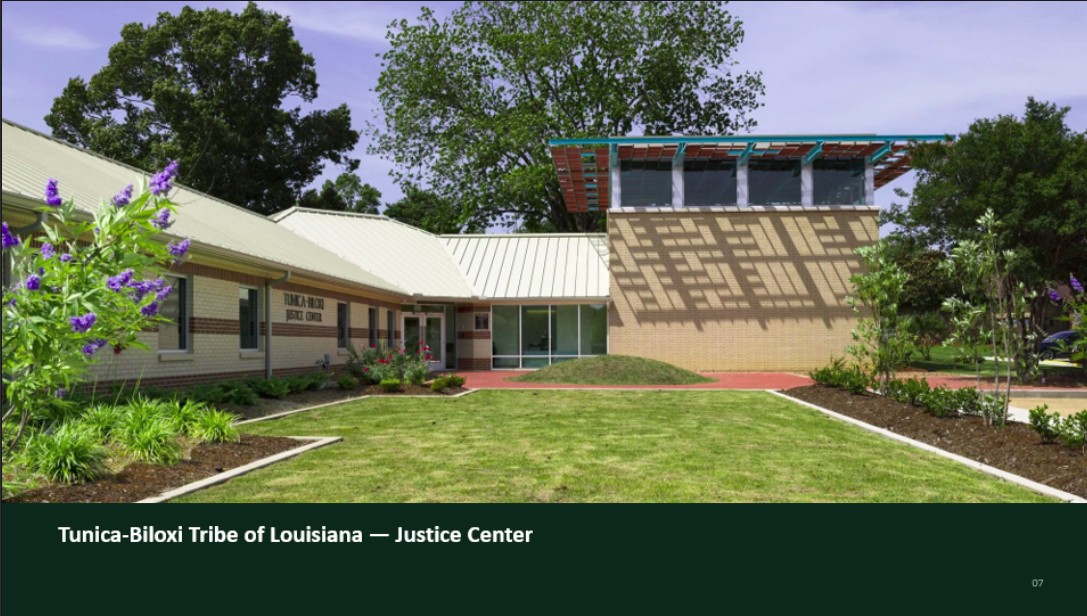
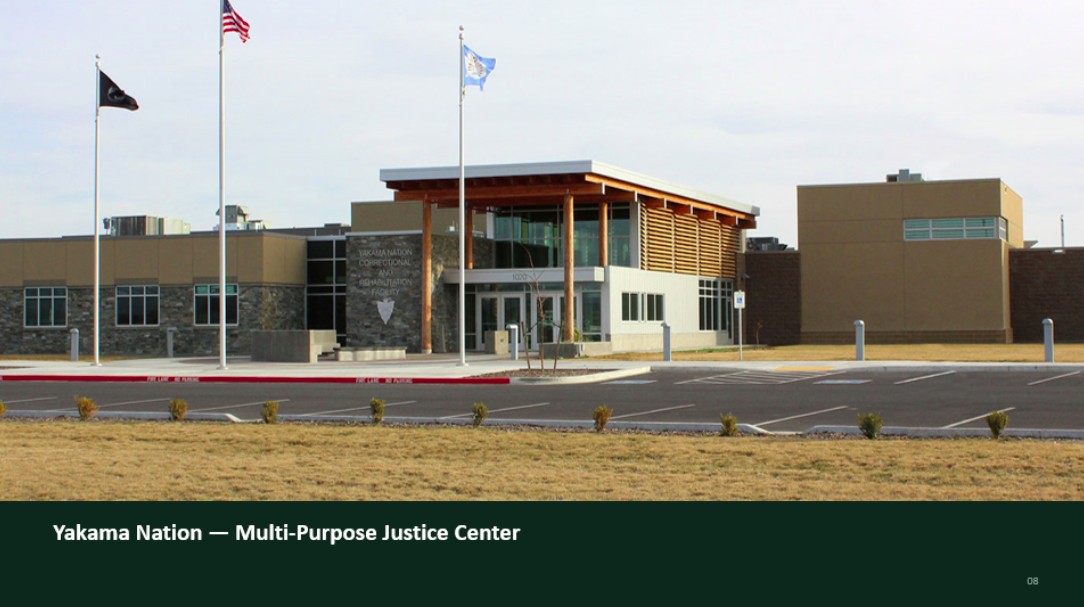
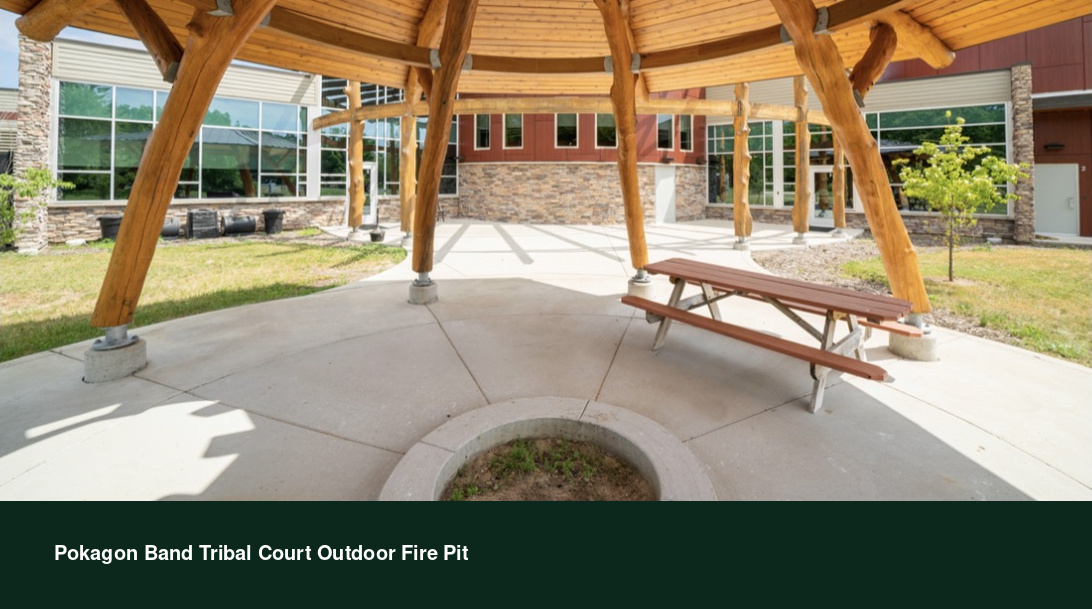
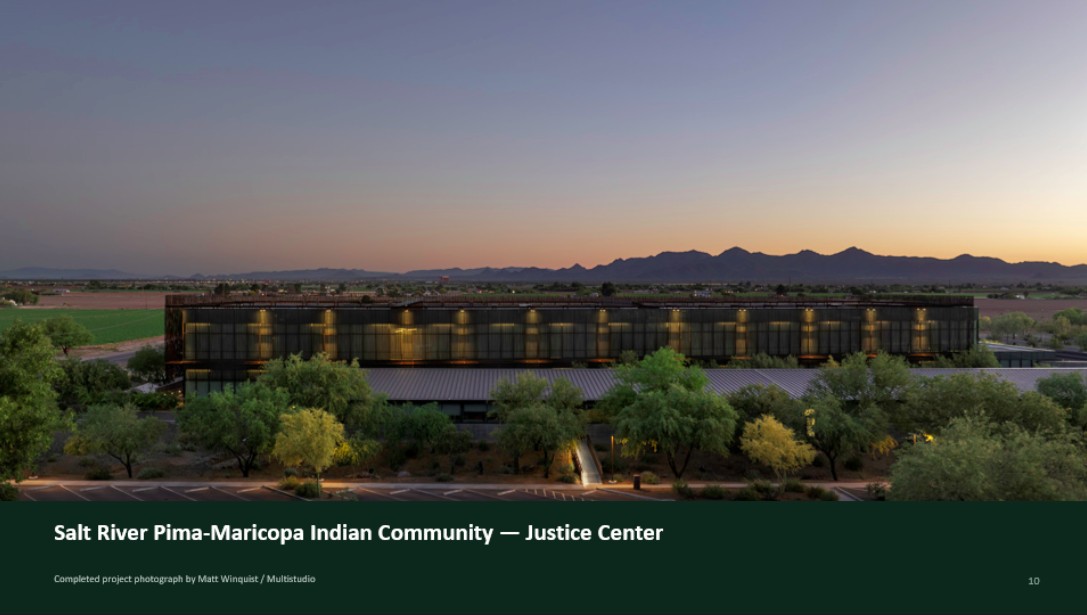
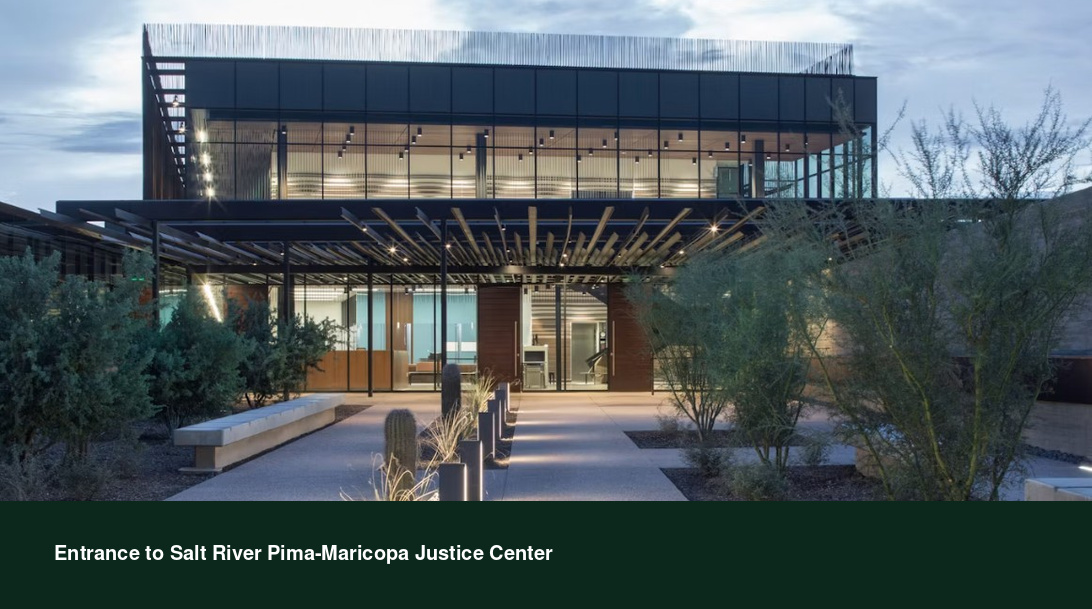
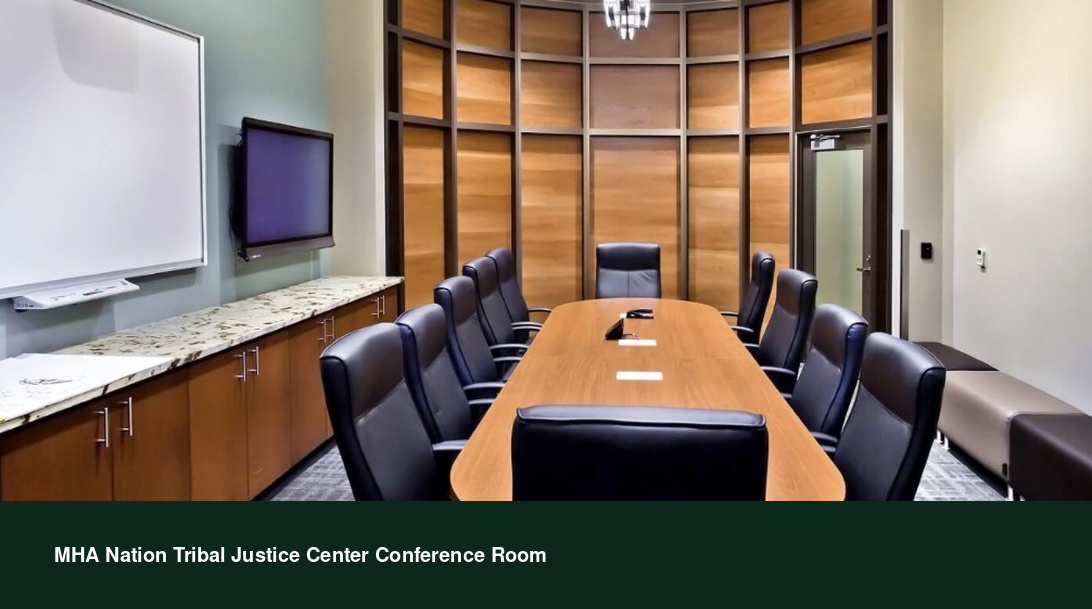
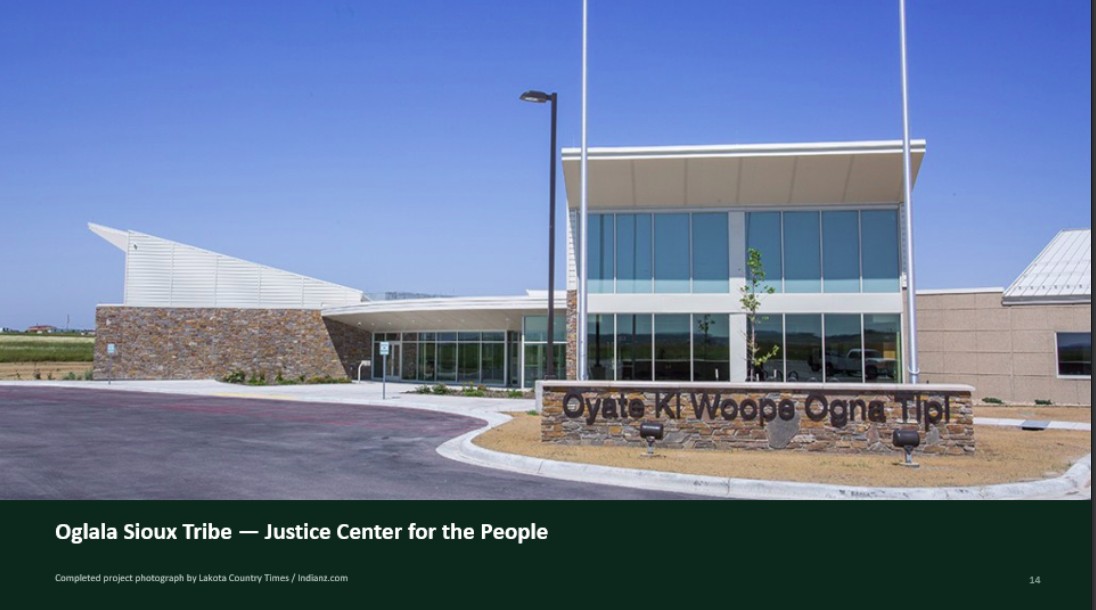
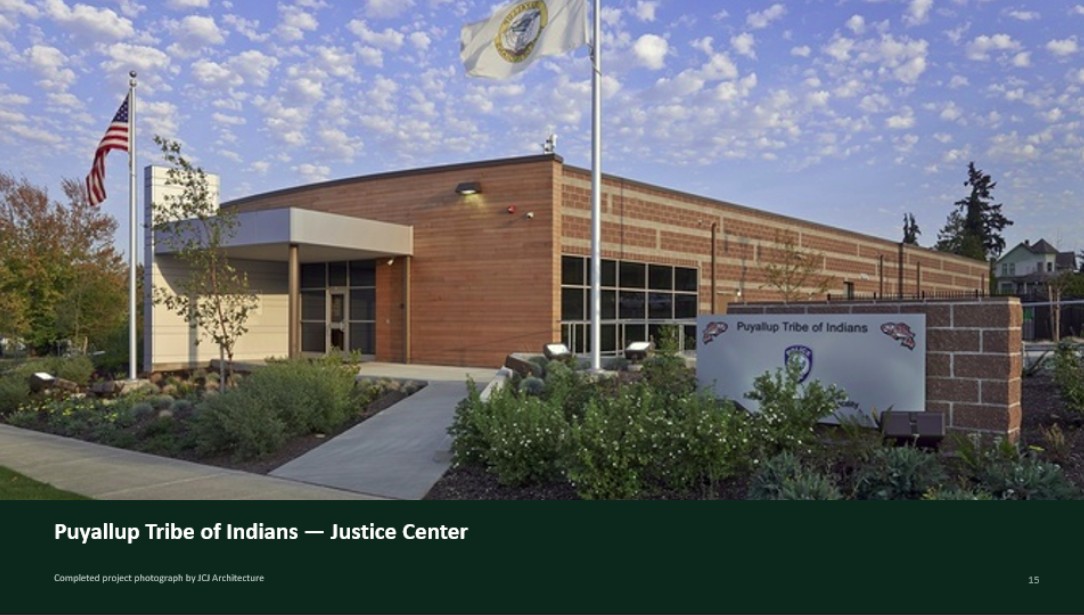
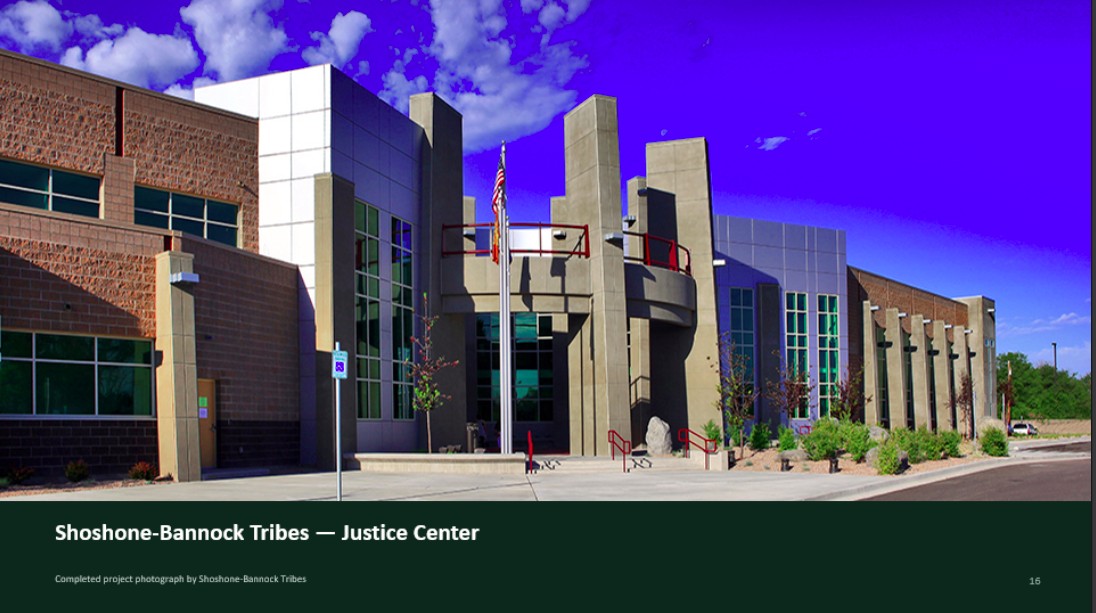
The photographs below offer a different starting point. They show governments building the institutions through which they exercise responsibility for public safety, dispute resolution, accountability, healing, and community well-being.
So look at the photographs. Look at what Tribal Nations have built and are building. Then return to the Supreme Court’s Tribal jurisdiction cases and notice how often these governments are described primarily in terms of the authority they supposedly lack. The question shouldn’t always be whether Tribal courts have done enough to earn the nation’s confidence. Perhaps the harder question is why American law has demanded, for so long, that Tribal governments keep proving that they are governments at all.
Slideshow
| Tribe/Nation | Tribal court project | Reported cost or budget | Reported size |
|---|---|---|---|
| Cherokee Nation (OK) | New Cherokee Nation Justice Center | $40 million, full integrated Justice Center | More than 65,500 sq. ft. full integrated Justice Center |
| Muscogee (Creek) Nation (OK) | New Tribal Courthouse | $30 million cost at groundbreaking; may not be final cost at completion | 43,514 sq. ft., courthouse only |
| Quinault Indian Nation (WA) | New Tribal Courthouse | Not yet established; construction bid pending | 6,625 sq. ft., courthouse only |
| Reno-Sparks Indian Colony (NV) | Multipurpose Justice Center | Not publicly identified | 15,792 sq. ft., entire police/court/human services complex; 7,056 sq. ft., courthouse only |
| Tolowa Dee-ni’ Nation (CA) | Regional Tribal Justice Center | Federal grant and Tribal funds; total not publicly identified | Approximately 7,950 sq. ft., Justice Center addition, including court and related services |
| Cheyenne and Arapaho Tribes (OK) | Tribal Justice Center Expansion | Not publicly identified | 7,852 sq. ft. addition only; 17,072 sq. ft., entire expanded Justice Center |
| Tunica-Biloxi Tribe (LA) | Tunica-Biloxi Justice Center | Not publicly identified | Not publicly identified |
| Confederated Tribes and Bands of the Yakama Nation (WA) | Yakama Multi-Purpose Justice Center | $13,722,782, full reported project | 12,200 sq. ft., full Multi-Purpose Justice Center |
| Pokagon Band of Potawatomi Indians (MI) | Peacekeeping and Justice Center | $21.4 million, contract value for full police and court center | 30,000 sq. ft., full center, per construction manager; Tribal announcement reported 23,000 sq. ft. |
| Salt River Pima-Maricopa Indian Community (AZ) | Justice Center | $38.6 million, full court and practitioners building | 93,000 sq. ft., full Justice Center building |
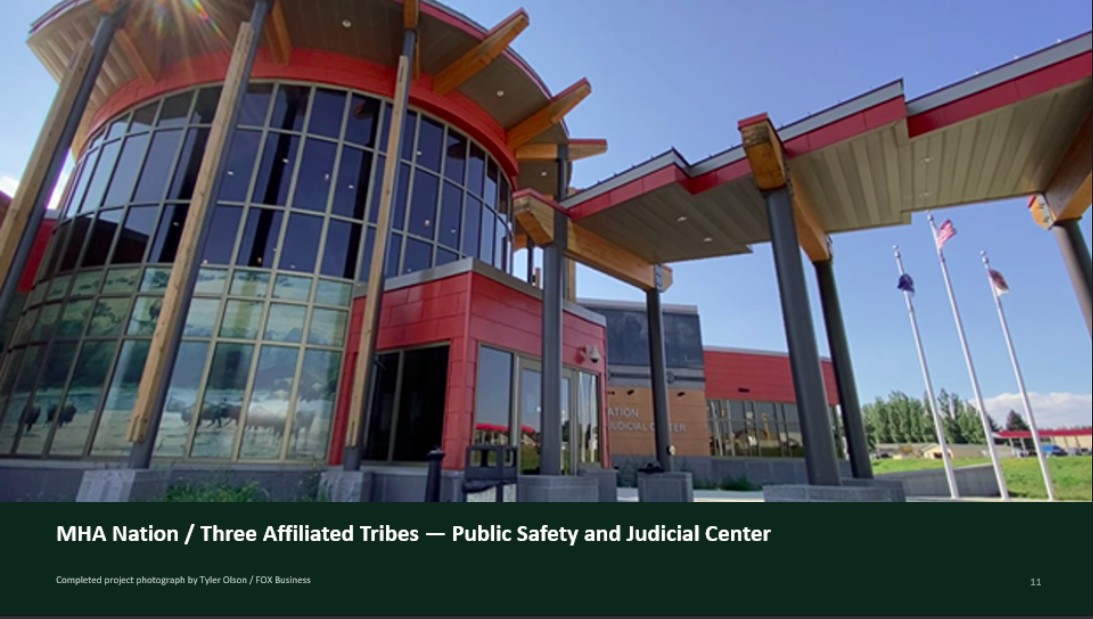
| MHA Nation / Three Affiliated Tribes (ND) | Public Safety and Judicial Center | $17.2 million, Public Safety and Judicial Center building; excludes other complex phases | 29,600 sq. ft., judicial center, not including correctional facility and juvenile attending care facility |
| Ute Indian Tribe of the Uintah and Ouray Reservation (UT) | Tribal Justice Center | $38 million, full integrated court and detention center | More than 105,000 sq. ft., full integrated center |
| Gun Lake Tribe / Match-E-Be-Nash-She-Wish Band of Pottawatomi Indians (MI) | Tribal Court Building | Court building cost not separately reported from government campus project | 9,000 sq. ft., courthouse only |
| Oglala Sioux Tribe (SD) | Justice Center for the People | Approximately $42.2 million, full court, peacemaking facilities, law enforcement, and detention complex | Approximately 93,000 sq. ft., full complex |
| Puyallup Tribe of Indians (WA) | Puyallup Justice Center | $25 million, full integrated Justice Center | 82,300 sq. ft., entire courts, police, and detention facility |
| Shoshone-Bannock Tribes (ID) | Shoshone-Bannock Justice Center | Approximately $19.7 million, full Justice Center | 66,200 sq. ft., full court, police, and detention center |
 Turtle Talk