Annette Nickel, Judge Butts, Maribeth Preston, Judge Maldonado

Annette Nickel, Judge Butts, Maribeth Preston, Judge Maldonado
Spoiler alert–the answer is “gold standard.”


Amazing turn out.
First assignment for students in this class on Monday at MSU Law is here.
It appears there was a mix up on the official “First Assignment” page.
Guest Post by Gavin Clarkson (an update from last year’s post, here):
For the second time in as many years, NO NATIVE CDEs were selected for an award of New Markets Tax Credits. Despite strong objections from Native financial leaders, The CDFI Fund once again ignored the stark economic development needs of the Nation’s Tribal Communities and froze Native CDEs out of this important economic development financing program.
The case for a Native Carve Out for NMTCs is stronger than ever. The time for political action is NOW. Congress will be considering permanent financing of the NMTC Program as part of the Tax Extenders Act of 2014. Native political leaders should insist that a central component of permanent financing must be a mandatory Native American NMTC Carve Out.
The Superior Court of El Dorado County and the Shingle Springs Band of Miwok Indians on the Shingle Springs Rancheria will collaborate to create a court for juvenile and family court cases.
Two judges, Christine Williams of the Shingle Springs Tribal Court and Judge Suzanne N. Kingsbury, presiding judge of the El Dorado County Superior Court, will hear the cases thanks to a grant provided by the Bureau of Justice Assistance, the only grantee this year, a press release stated.
For the first time ever the National Indian Child Welfare Association’s Annual Protecting Our Children Conference will be offering CLE’s to participants. We have applied for CLEs in Minnesota and Oregon and many state offer reciprocal CLEs. Also, we will have information about how to apply to CLEs in all states. The 32nd Annual Conference is being held in Fort Lauderdale, Florida April 13–16. For more information about our conference visit http://www.nicwa.org/conference.
Kate Fort and moderator Becky Howlett:

Viven Olsen, attorney at Prairie Band Potawatomi, with Colette Routel, Russ Brien, and moderator Julia Goodfox

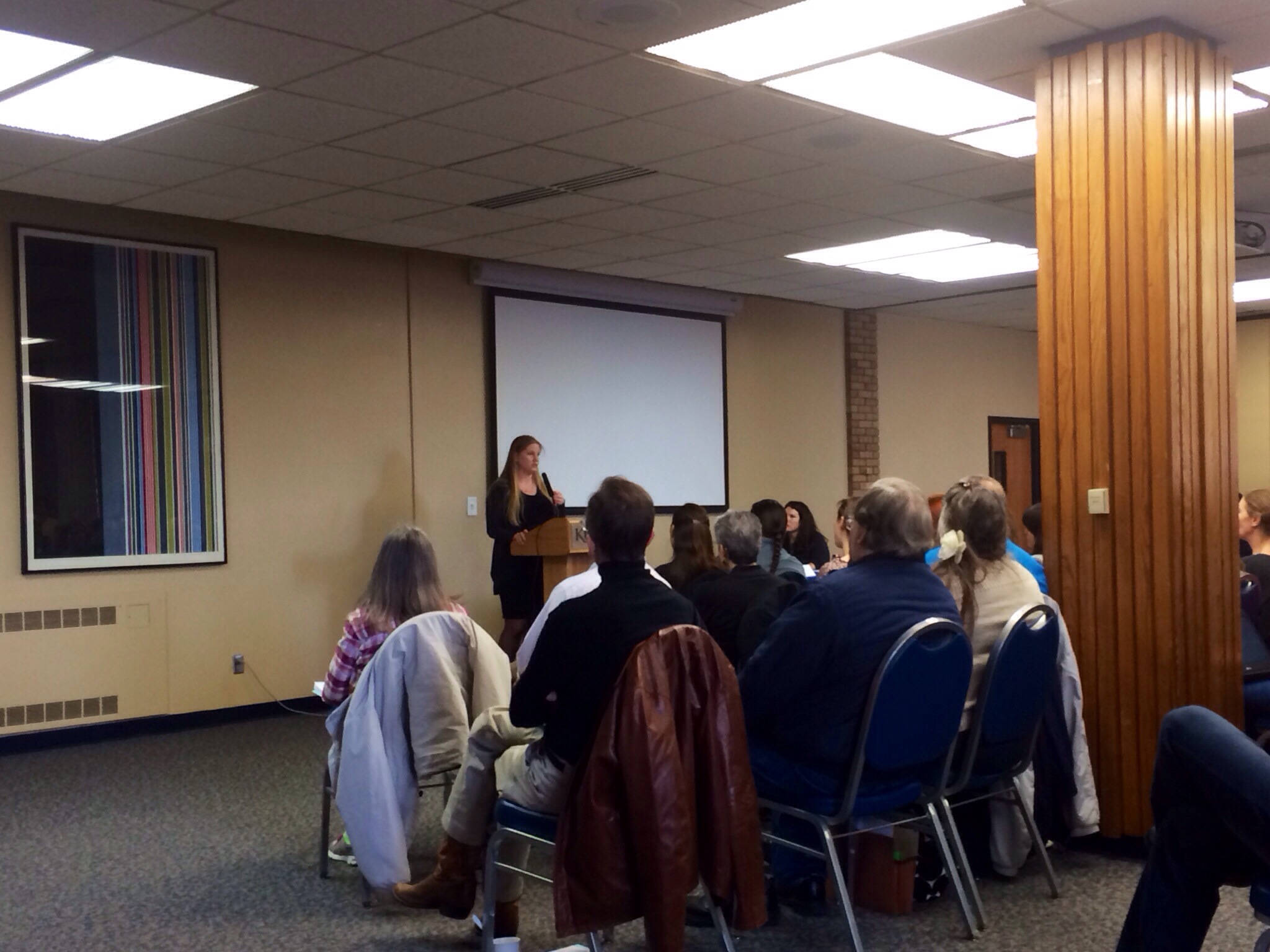
With moderator Elizabeth Kronk Warner and co-panelist Mark Fiddler.


You must be logged in to post a comment.