I will be discussing my book “The Eagle Returns: The Legal History of the Grand Traverse Band of Ottawa and Chippewa Indians.” 
Postcard here (RSVPs encouraged):
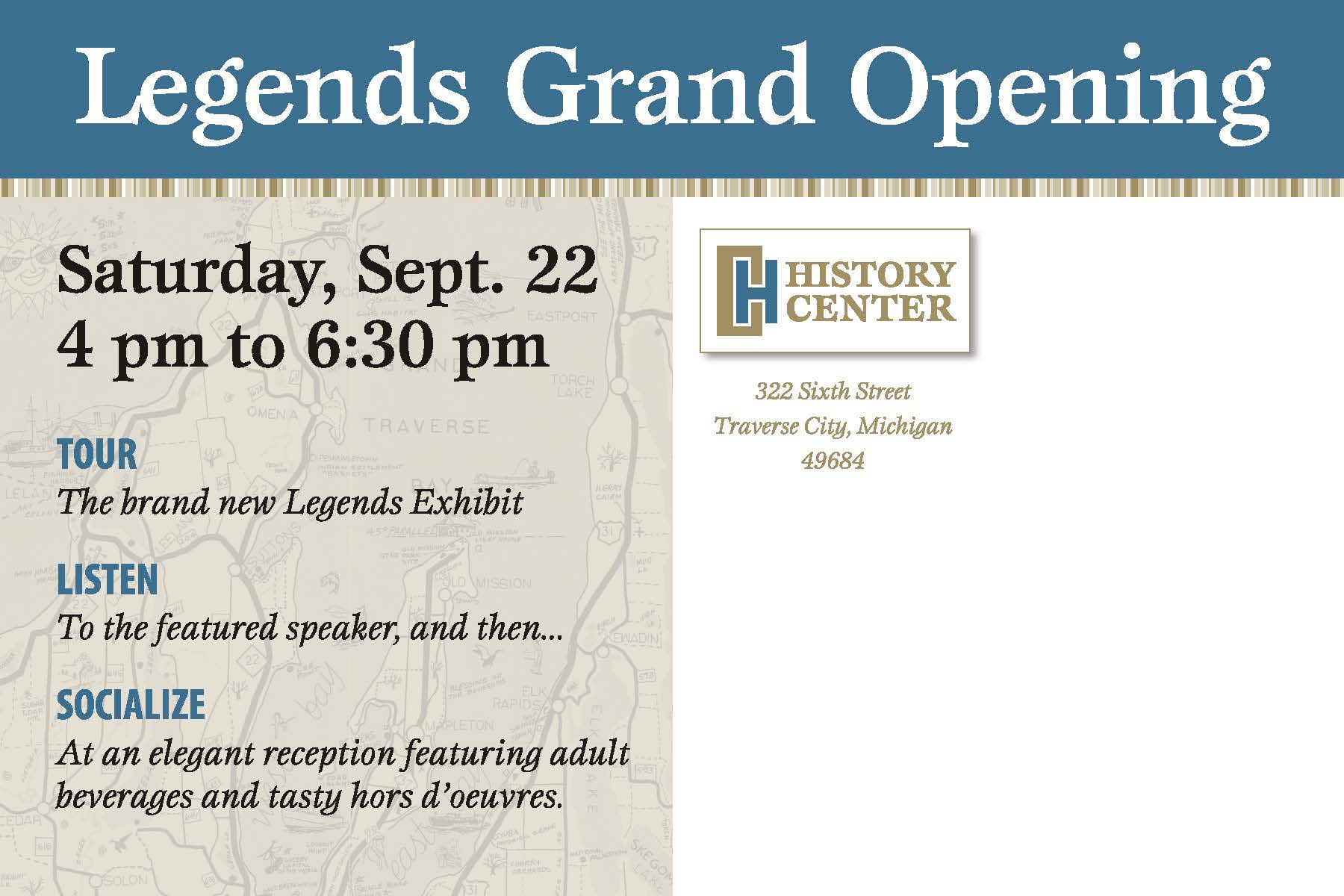
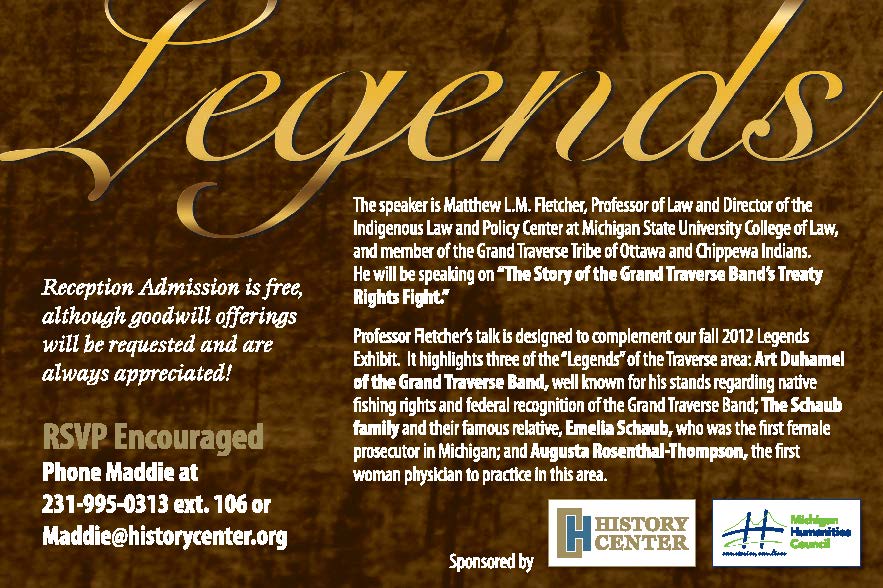
I will be discussing my book “The Eagle Returns: The Legal History of the Grand Traverse Band of Ottawa and Chippewa Indians.”
Postcard here (RSVPs encouraged):
The application package should be mailed to:
Ellie Drumm, Human Resources Officer
United States Attorney’s Office
P.O. Box 208
Grand Rapids, Michigan 49501-0208
Details here (pdf).
To serve as general in-house counsel for the Keweenaw Bay Tribal Council.
Provides legal advice and assistance to the Keweenaw Bay Tribal Council, tribal administrators, program and enterprise directors/managers.
Prepares legal documents. Acts as agent of the Tribal Council in various transactions.
Provides counsel and representation on treaty right issues: hunting, fishing, trapping and gathering, taxation, environment, and civil regulations.
Represents Tribal Council in court and before quasi-judicial or administrative agencies. Provides legal counsel and representation on Indian Child Welfare matters.
Maintains and revises the Tribal Code. Drafts, reviews, revises and acts as consultant in regard to tribal legal codes and legislation.
Reviews and assists in revision of personnel manuals, policies and procedures to ensure compliance with tribal and applicable federal laws.
Supervises Legal Department clerical staff, and may act as Tribal Prosecutor (if appointed by Tribal Council).
Reviews all tribal contracts for legal sufficiency in conjunction with the tribes’ Chief Financial Officer. Represents the tribe in regard to land acquisition, including fee to trust applications.
Serves on advisory committees relative to economic and financial development, environmental concerns, employee benefits and employment policies.
Performs other related duties as directed by the Tribal Council and assigned by the Tribal President.
Information on Kevin Washburn’s confirmation hearing to be Assistant Secretary-Indian Affairs here.
Battle for Whiteclay:
Oglala Sioux Tribe v. Anheuser Busch et al.
Documentary Screening & Panel Discussion
Monday, October 1, 2012
1:30 p.m. – 4:30 p.m.
Oklahoma Judicial Center Auditorium
2100 N. Lincoln Boulevard
Oklahoma City, Oklahoma
Brochure: Battle For Whiteclay
It is available on uTube: http://www.youtube.com/watch?v=HDAdhOxuTwk
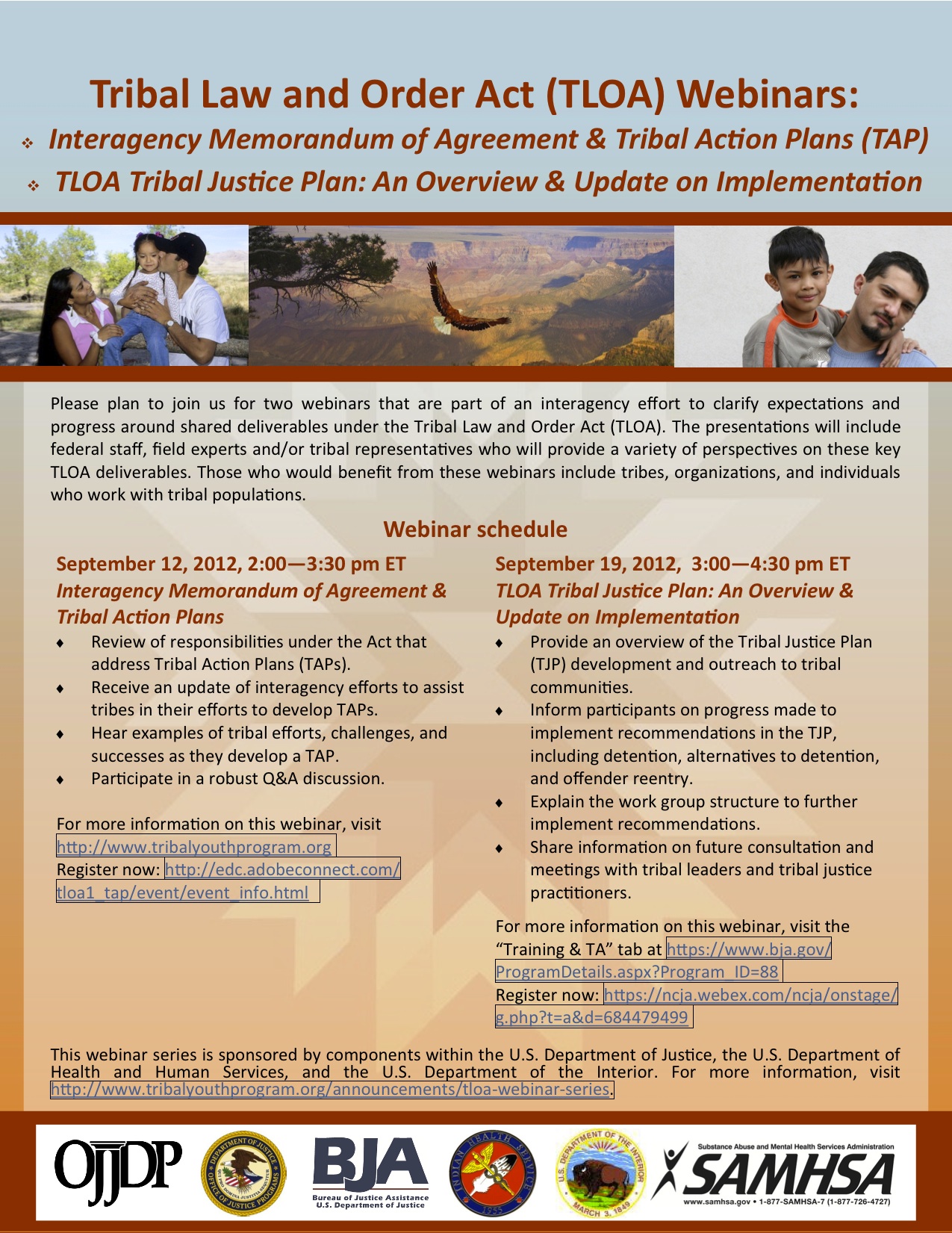
Here is the information:
Here.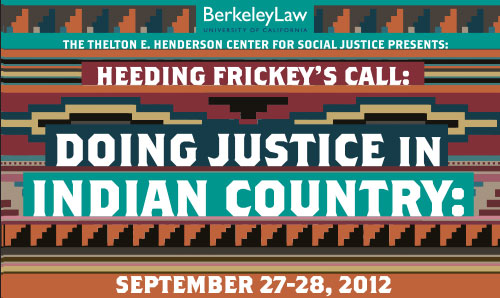
A few years before his untimely death the renowned Indian law scholar Phillip Frickey delivered a lecture at the University of Kansas citing the “failure of scholarship in federal Indian law” to “grapple with the law on the ground in Indian country” or to educate a judiciary that has little knowledge of Native culture. In the aftermath of Professor Frickey’s critique of the abstract writing of law professors, some academics accepted his challenge and expanded their scholarship to address the problems requiring solutions in Indian country. Many of these efforts have been accomplished in partnership with tribal leaders and in response to their expressed needs. Yet significantly more needs to be done. In the face of increasing hostility to Indian law claims in the federal courts, it is imperative for Indian law scholars to assume some of the responsibility for educating the judiciary about Indian country. Moreover, as courthouse doors are closing, it is necessary for tribes, their counsel, and Indian law scholars to expand their audiences and to search for remedies beyond the courts.
This symposium will highlight the challenges facing tribal communities today and ways in which Indian law scholarship has contributed to tackling the issues “on the ground in Indian country.” While recognizing the success stories, the participants will also be encouraged to redouble their efforts, to stretch themselves beyond their usual comfort zones, and to raise the bar for the academy.
 Turtle Talk
You must be logged in to post a comment.