Chris Chavis looking hungry

The 1491s are here!

Mmm mmm good
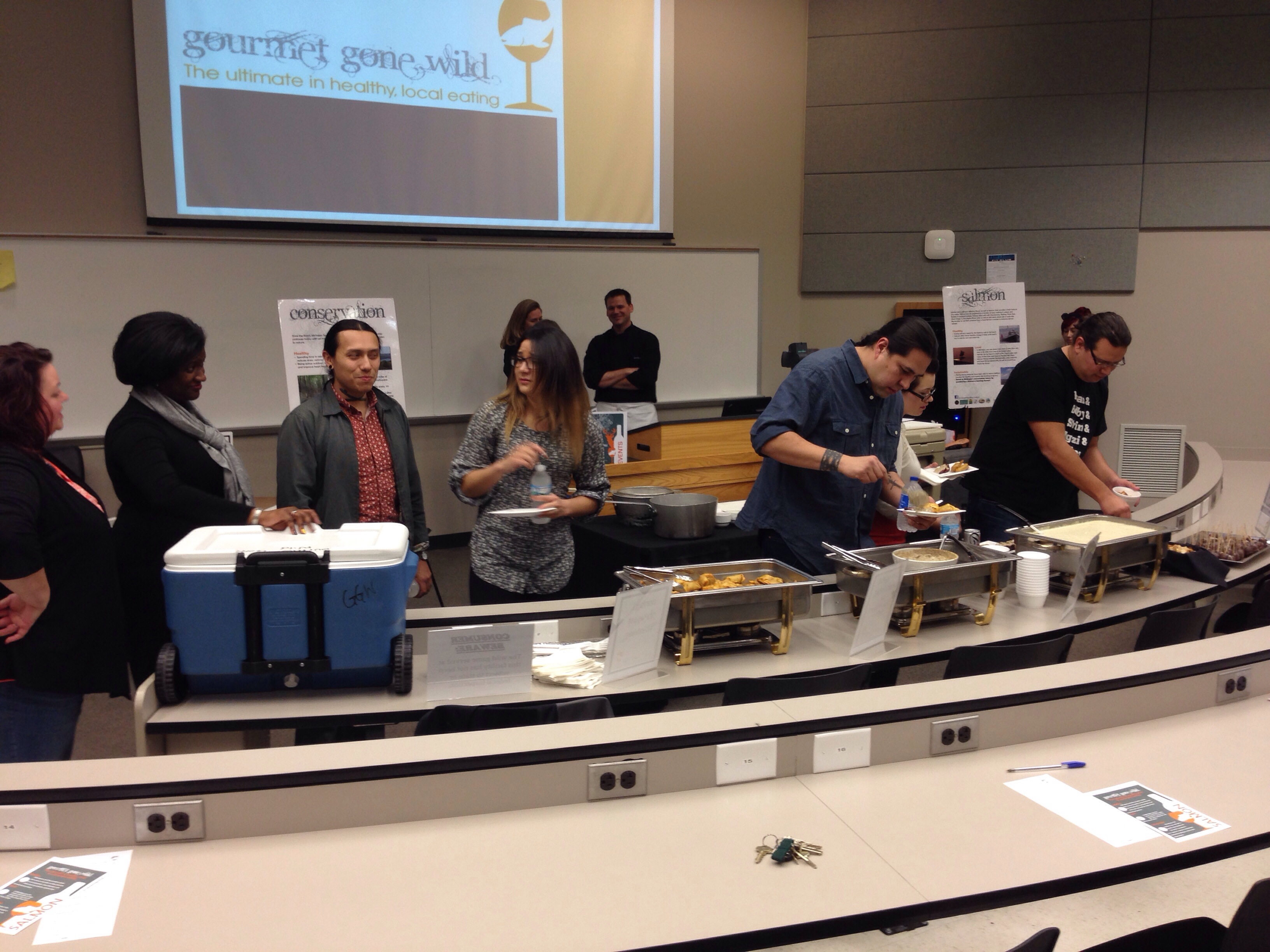
Chris Chavis looking hungry
The 1491s are here!
Mmm mmm good
Jason Hipp has published “Rethinking Rewriting: Tribal Constitutional Amendment and Reform,” in the Columbia Journal of Race and Law. This paper won the 12th Annual NNALSA Indian Law Writing Competition. Here is the abstract:
This Essay examines the recent wave of American Indian tribal constitutional change through the framework of subnational constitutional theory. When tribes rewrite their constitutions, they not only address internal tribal questions and communicate tribal values, but also engage with other subnational entities, i.e. states, and the federal government. This Essay applies that framework to a study of tribal constitutional amendment and reform procedures. Focusing on the processes of constitutional change produces insight into tribes’ status as “domestic dependent sovereigns” in the contemporary era of self-determination, a status reflected in the opportunities, and limitations, inherent in tribal constitutions. In so doing, this Essay aims to highlight an aspect of tribal constitution writing that enables successful reform and communicates the significance and goals of constitutionalism within the tribal context.
Here (PDF):
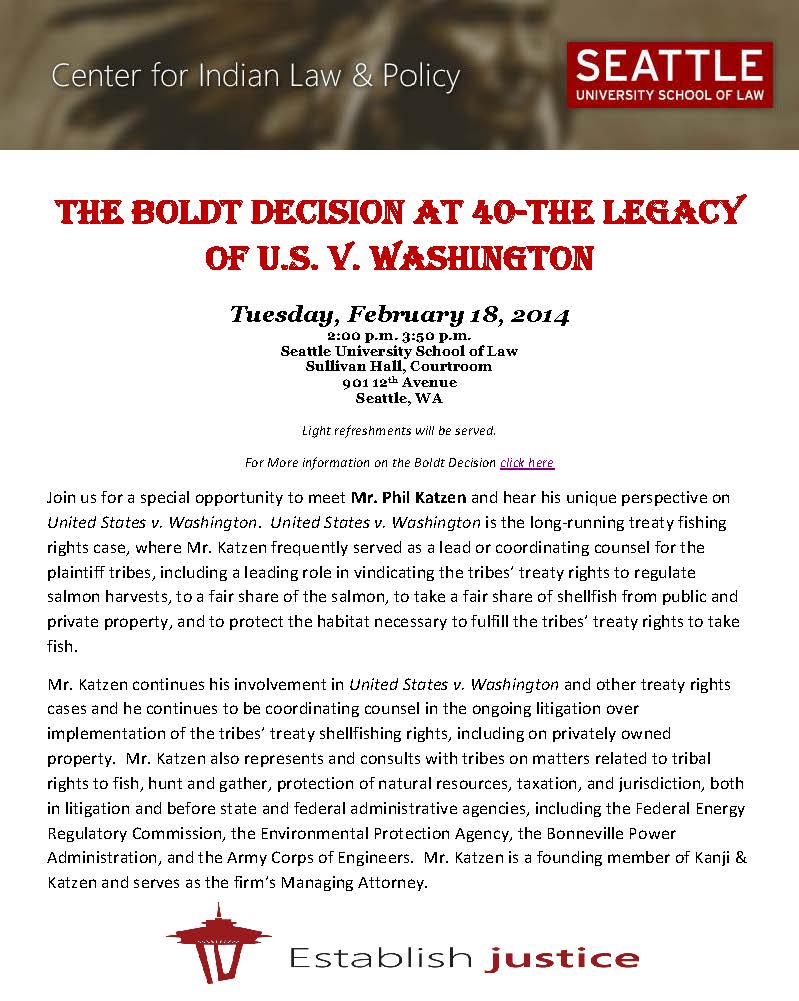
Here. The agenda:

Register here: http://nalsa.eventbrite.com
NALSA Conference General Information
NALSA Program Advertising Form
Schedule
Thursday, February 6, 2014 Stanford Law School, Room 185
7:30 PM – 6:30 PM Crash Course on Indian Law with Karen Biestman
This session will provide students with an overview and background to Indian law that will be useful for the following day’s program. All students welcome!
· Karen Biestman, Associate Dean & Director of the Stanford Native American Cultural Center, and Stanford Law School Lecturer in Law
Friday, February 7, 2014 Stanford Law School, Room 290
8:30 AM – 9: 15 AM Check-in and Continental Breakfast
9:15 AM – 10:45 AM Modern Indian Law in the Context of Recent Supreme Court Cases
· Bethany Berger, Professor of Real Property Law at UConn School of Law
· Matthew Fletcher, Professor of Law & Director of the Indigenous Law & Policy Center at Michigan State University College of Law (my paper here)
· Kristen Carpenter, Associate Professor of Law & Co-Director, American Indian Law Program at the University of Colorado Law School
· Moderator: Deborah Sivas, Luke W. Cole Professor of Environmental Law and Director of the Environmental Law Clinic at Stanford Law School
· Co-sponsored by the American Constitution Society
11:00 AM – 12:30 PM Tribal Jurisdictional Issues and VAWA
· Carole Goldberg, Distinguished Professor of Law at UCLA School of Law
· Wenona Singel, Associate Professor of Law & Associate Director of the Indigenous Law & Policy Center at Michigan State University College of Law
· Wilson Pipestem, Managing Partner and Co-Founder of Ietan Consulting
· Moderator: Maggie McKinley, Post-Doctoral Democracy Fellow at the Ash Center, Harvard Kennedy School of Government
· Co-sponsored by Law Students for Reproductive Justice and Women of Stanford Law
Continue reading
Here:
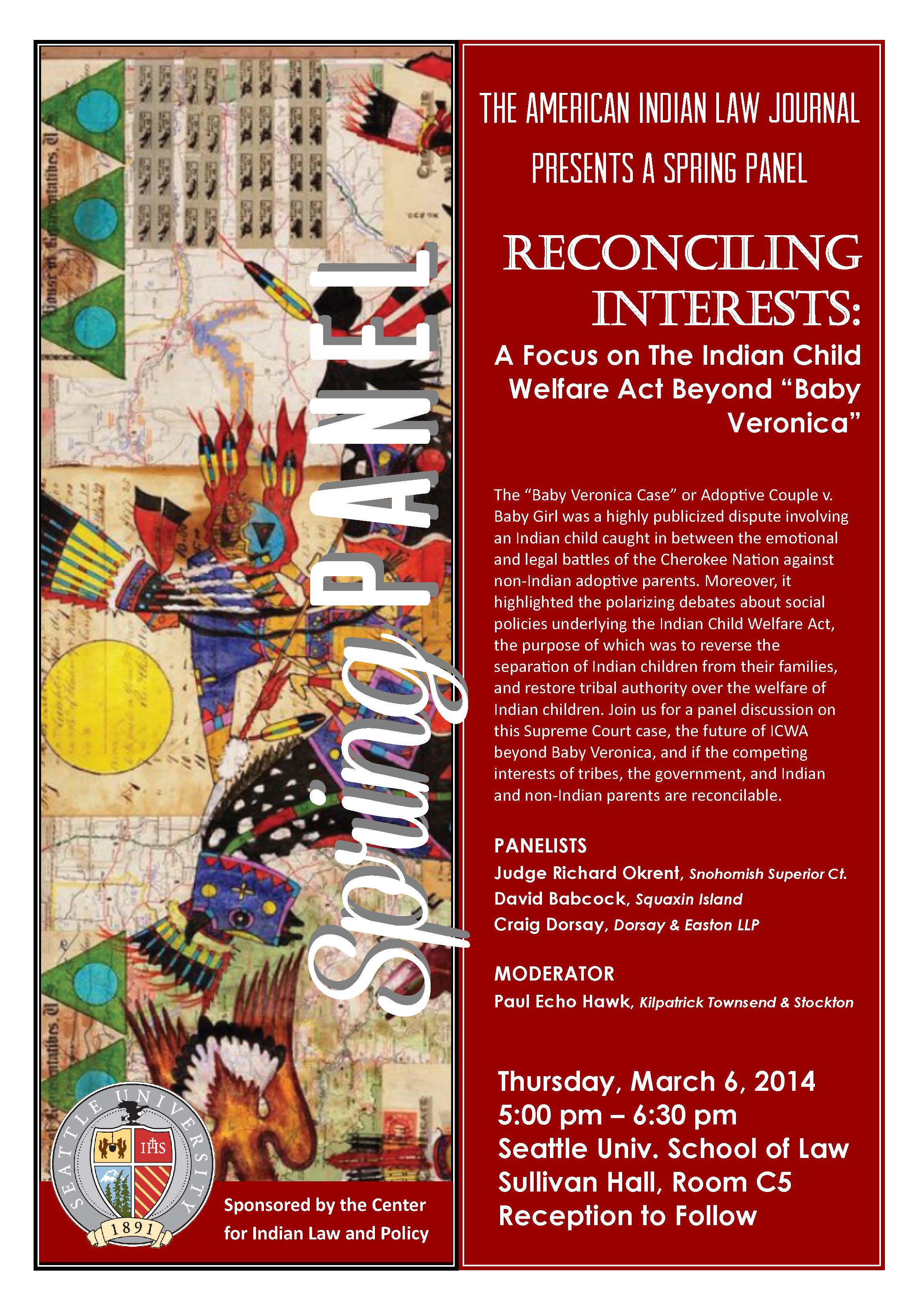
Deconstructing the “Baby Veronica” Case: Implications for the Future of the Indian Child Welfare Act
Friday, February 21, 5:15-6:45 p.m.
Yale Law School, New Haven, CT
Panelists:
In June 2013, the Supreme Court decided Adoptive Couple v. Baby Girl, a widely publicized case involving the adoption of a Cherokee child by non-Natives over the objections of her Cherokee father. At the heart of the controversy was the Indian Child Welfare Act, a federal law designed to protect the best interests of Native children and promote the stability and security of Indian tribes and families. This panel will explore the history behind this landmark law, the current landscape of Indian child welfare, and the implications of the “Baby Veronica” decision for the future placement of Native children. Additionally, panelists will discuss how their organizations collaborated with both tribal and non-tribal stakeholders to develop legal, media, and other advocacy strategies for the case as part of the Tribal Supreme Court Project.
Registration: http://www.rsvpbook.com/event.php?439305
This panel is part of Yale Law School’s 2014 Rebellious Lawyering Conference. To learn more about the conference, please visit: http://www.yale.edu/reblaw.
Here:

Here:

The National Native American Law Students Association (National NALSA) is seeking judges for its 13th Annual Writing Competition. The purpose of the competition is to recognize excellence in legal research and writing related to Indian law. This year, the Seattle University School of Law NALSA chapter and the Seattle University American Indian Law Journal are proud to host the 13th Annual National NALSA Writing Competition. The winner will be published in the American Indian Law Journal’s Spring 2014 publication.
Each year law professors and attorneys generously volunteer their time to review the submissions. At this time, we are seeking judges for this year’s competition. The participation of the judges is necessary to ensure the success of the competition and that the current Indian law community continues to encourage and recognize talented scholarship.
Judges will receive up to four submissions and scoring sheets. The submissions will be sent to each judge sometime near the end of January, with roughly a month to review and score. Winners will be announced at the Federal Bar Association Indian Law Conference in Sante Fe, New Mexico on April 11, 2013.
We hope you will consider donating your time to the competition as a judge. Based on the number of submissions to the Writing Competition last year, it is fair to say that there is a growing interest in the study of Indian law among law students across the country.
The purpose of the Annual Writing Competition is to recognize excellence in legal research and writing related to Indian law, actively encourage the development of writing skills of NNALSA members, and enhance substantive knowledge in the fields of Federal Indian Law, Tribal Law and traditional forms of governance. The competition is open to matriculated law students at any point in their law school career and regardless of race or tribal membership status.
Thank you very much for your consideration. Please email Jenny Campbell, Managing Editor, at campbe43@seattleu.edu or Shay Story, Editor in Chief, at storys@seattleu.edu.
Sincerely,
Jenny Campbell
J.D. Candidate 2014
Managing Editor, American Indian Law Journal
Seattle University School of Law
Here.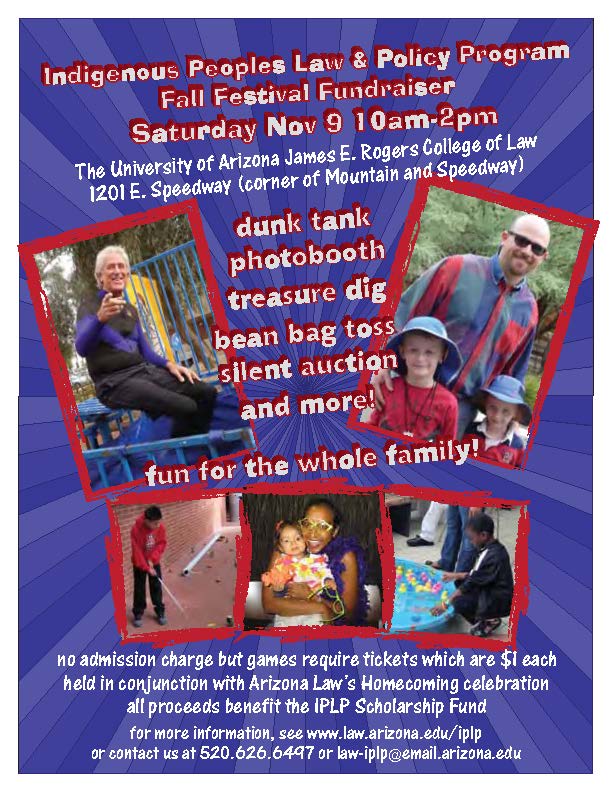


You must be logged in to post a comment.