Such an inspiring talk. Look out for the You Tube video later this week.
Muckleshoot tribal member Rosalie Fish presenting on Missing & Murdered Indigenous Women 10/27 at TEDxYouth@Seattle
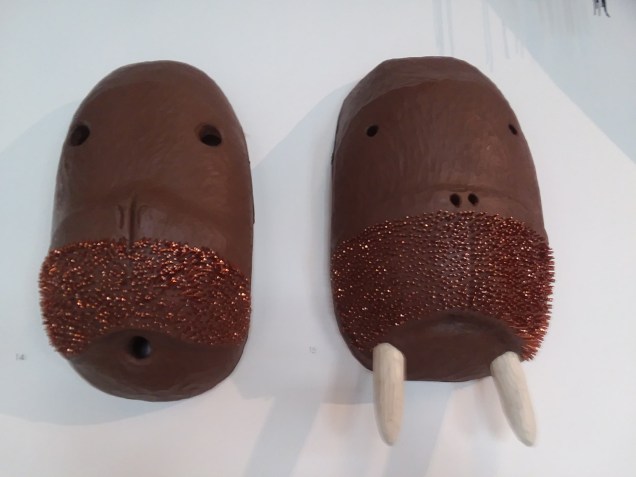
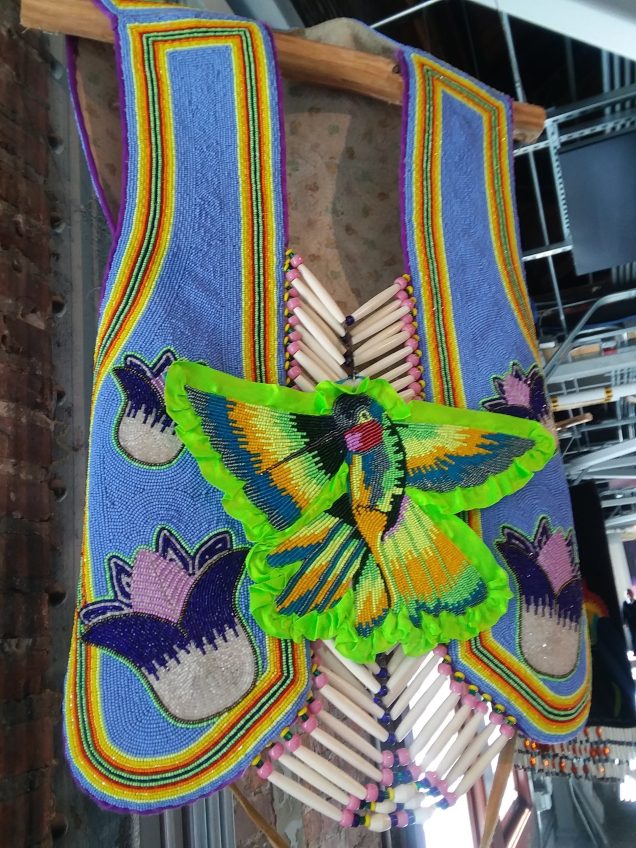
Yǝhaẃ Native arts exhibit at Seattle’s King Street Station

Washington State Bar Association Indian Law Section CLE May 10
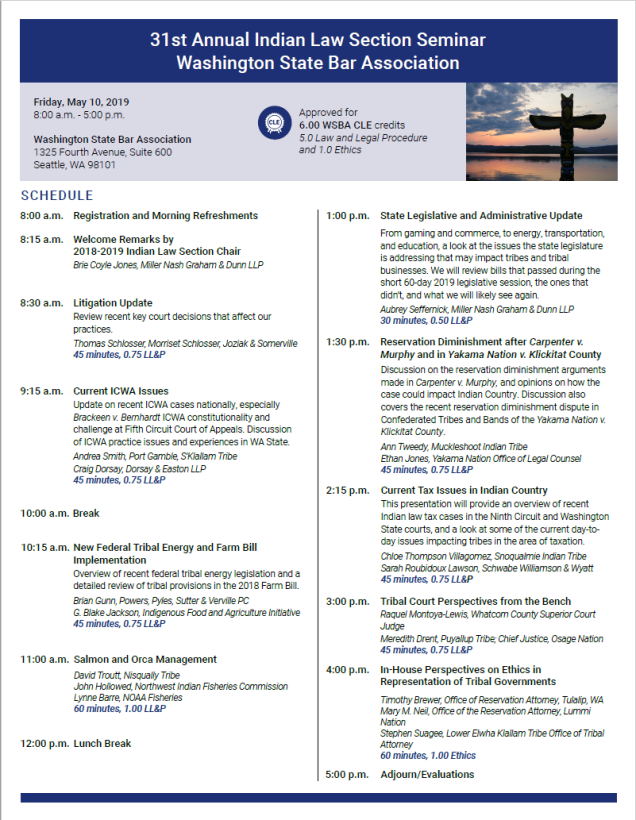
WSBA Indian Law Section’s CLE will be May 10 in Seattle. A pdf of the agenda is here: ILS CLE Agenda – 2019 To register, click here.
Seattle Meeting on Bill Relating to Missing & Murdered Indigenous Women 12/21
Info. is here.
Seattle Is U.S. City with the Most Murdered and Missing Indigenous Women
Here.
The Cut: “94 Percent of Native Women in Seattle Survey Say They’ve Been Raped or Coerced Into Sex”
Here.
Washington State Bar Assoc. Indian Law Section CLE Thursday

The 30th Annual Indian Law Section Seminar –
Looking Back, Moving Forward: Hot Topics in Indian Law
Presented by: WSBA Indian Law Section
When
Thursday, May 17, 2018 7:30 AM – Thursday, May 17, 2018 4:45 PM
Pacific Time
Where
Seattle University School of Law, Sullivan Hall, Room C5
1110 E. Columbia St., Seattle WA 98122
Full agenda here.
Register here.
Senior Attorney Position at Muckleshoot
The Muckleshoot Indian Tribe, located in the Greater Seattle Metropolitan Area, is looking for a senior attorney. At least eight years of federal Indian law experience is required. More information available here. For more information, contact Rob Otsea at rob@muckleshoot.nsn.us.
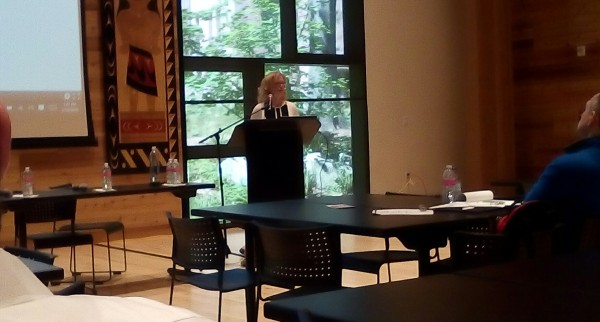
Kate Fort Speaking on Challenges to the ICWA Guidelines
Profile of Seattle’s Urban Indians: “The Invisibles”
Here.
An excerpt:
It can be lonely, and worse. And it isn’t getting better. According to information presented in the Seattle’s Race and Social Justice Initiative three-year plan for 2012 to 2014, American Community Surveys over the last 20 years show that the poverty rate for Natives in Seattle has fluctuated, but only slightly. In 1990, 33 percent of Natives lived in poverty; in 2000, it was 29 percent; by 2009, it was back up to 30 percent. That’s higher than the poverty rate for any other ethnic group. Meanwhile, the poverty rate for white Seattleites has stayed steady at just 9 percent.
For urban Native kids, the stats can look even worse. According to the “Community Health Profile” for the Seattle Indian Health Board released in December 2011, in King County 46.6 percent of American Indian and Alaska Native children under age 6 lived below the poverty line between 2005 and 2009, compared to 13.2 percent of children in the general population.
 Turtle Talk
You must be logged in to post a comment.