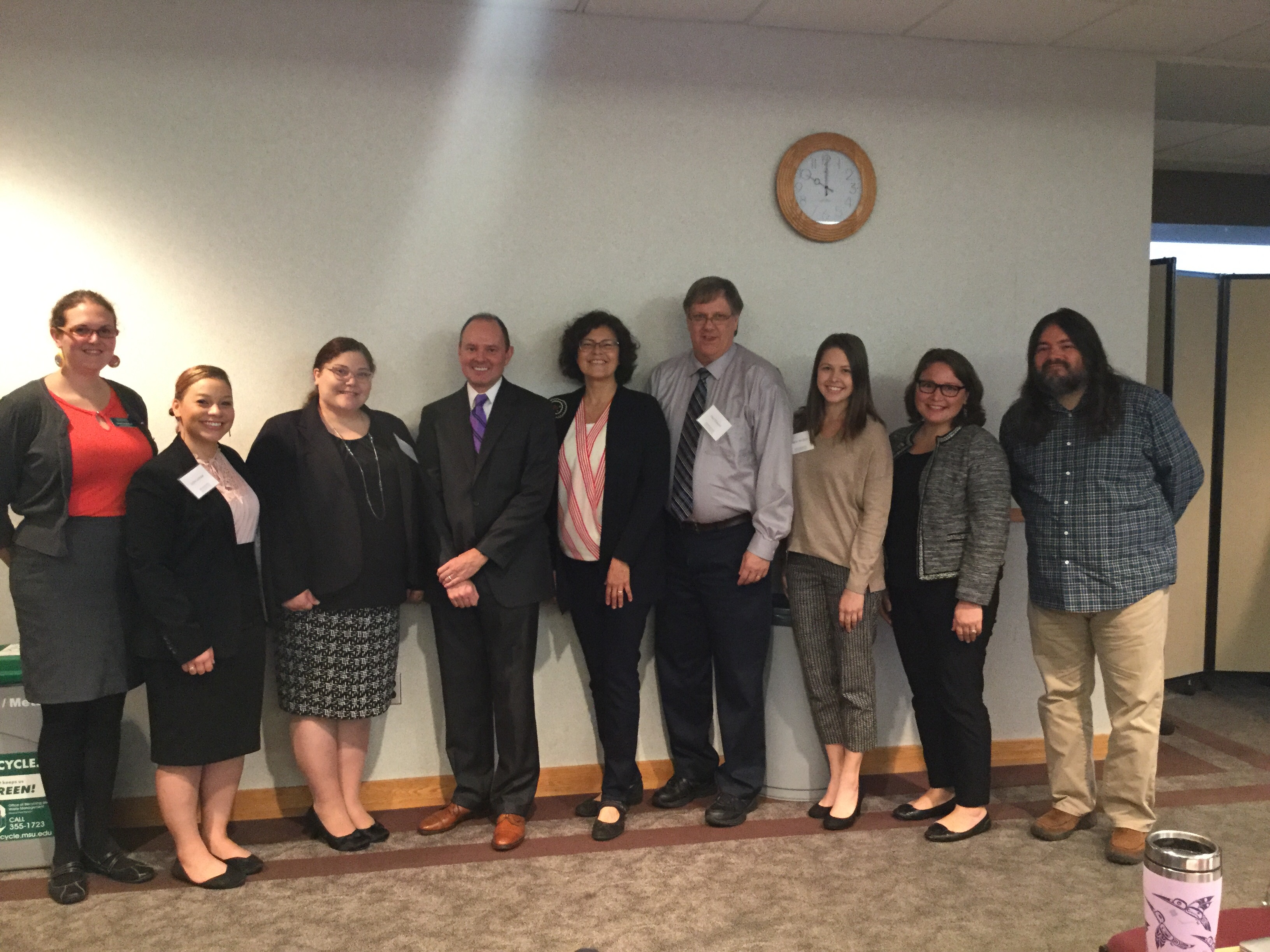
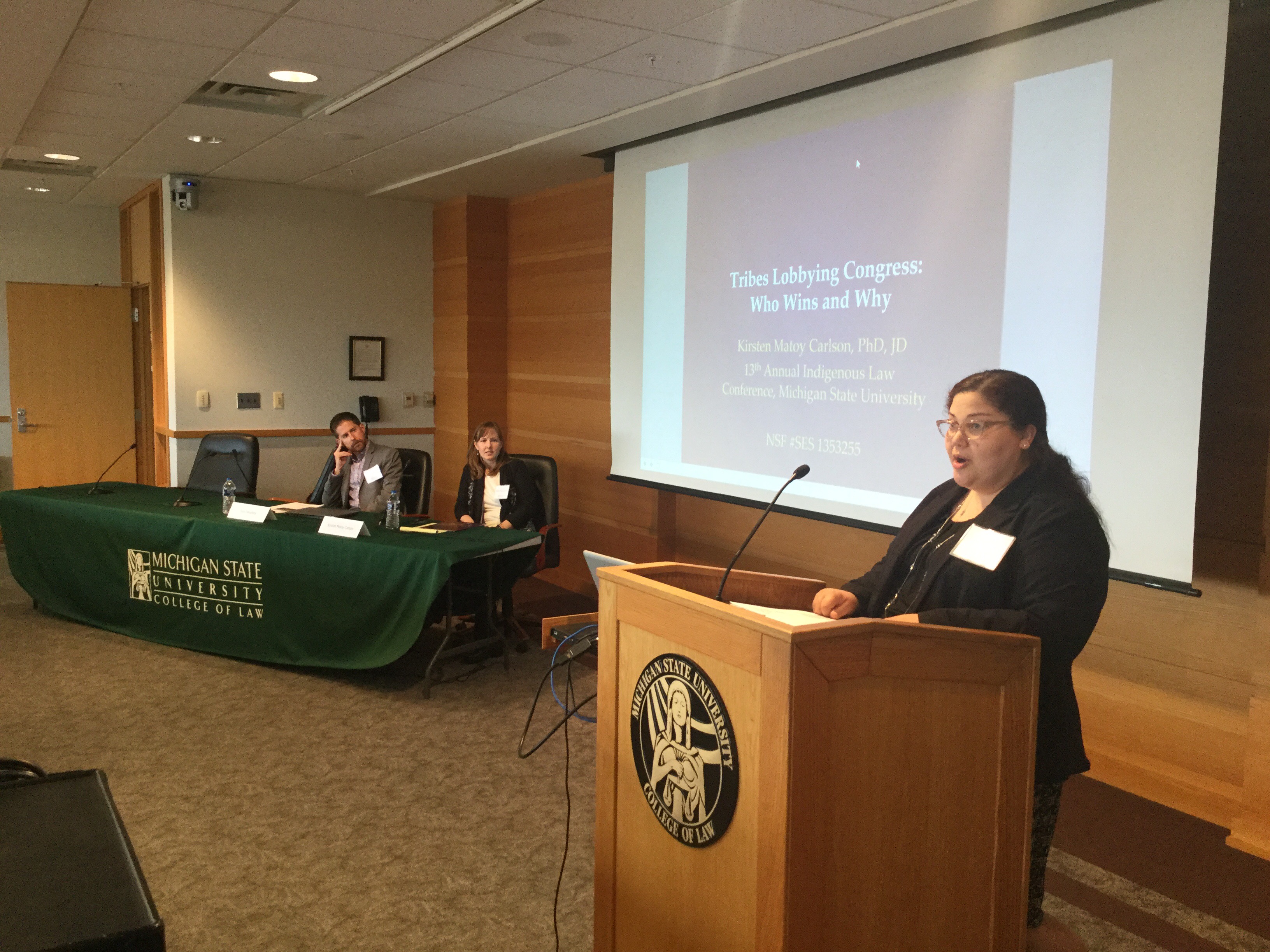


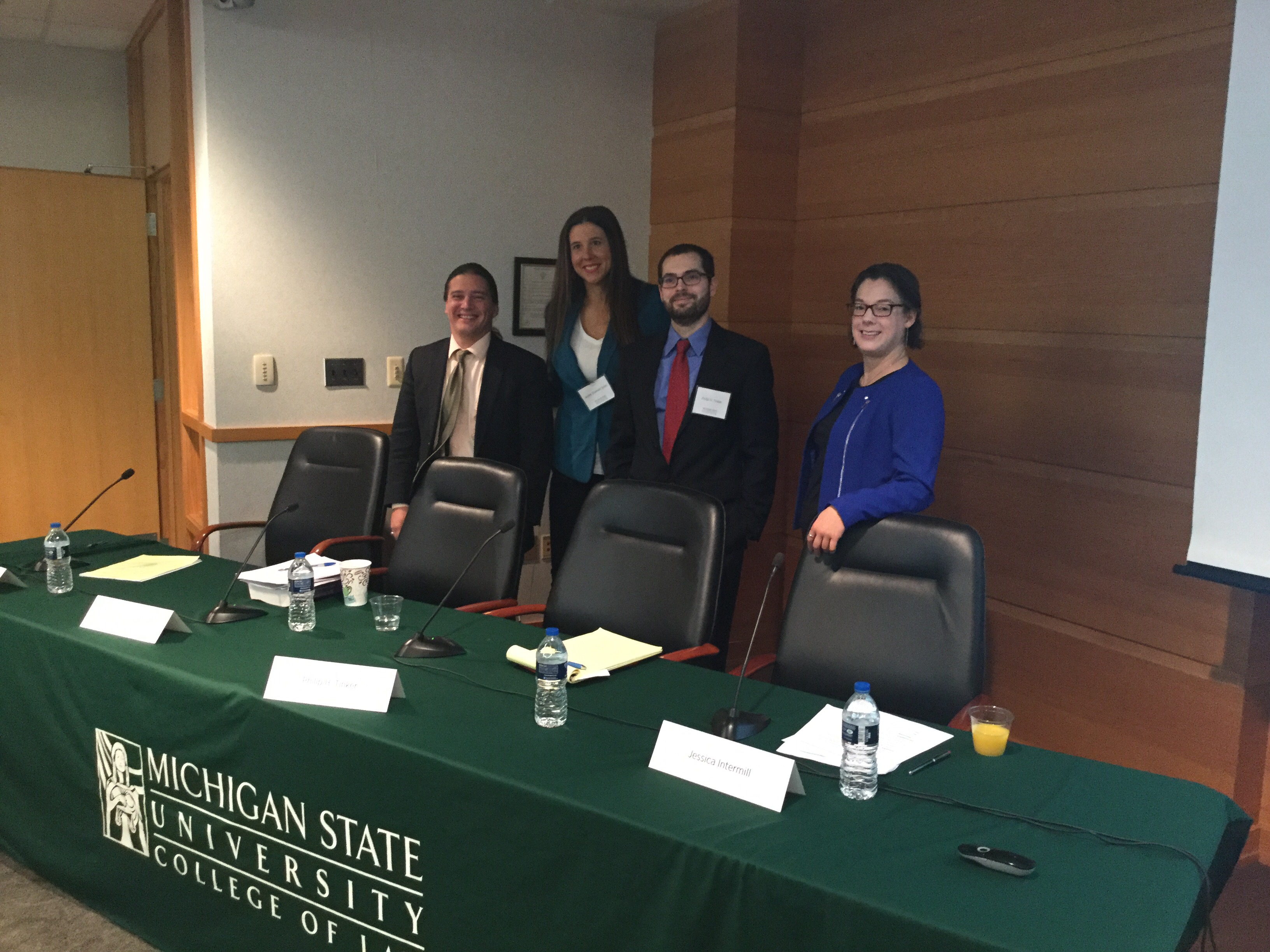

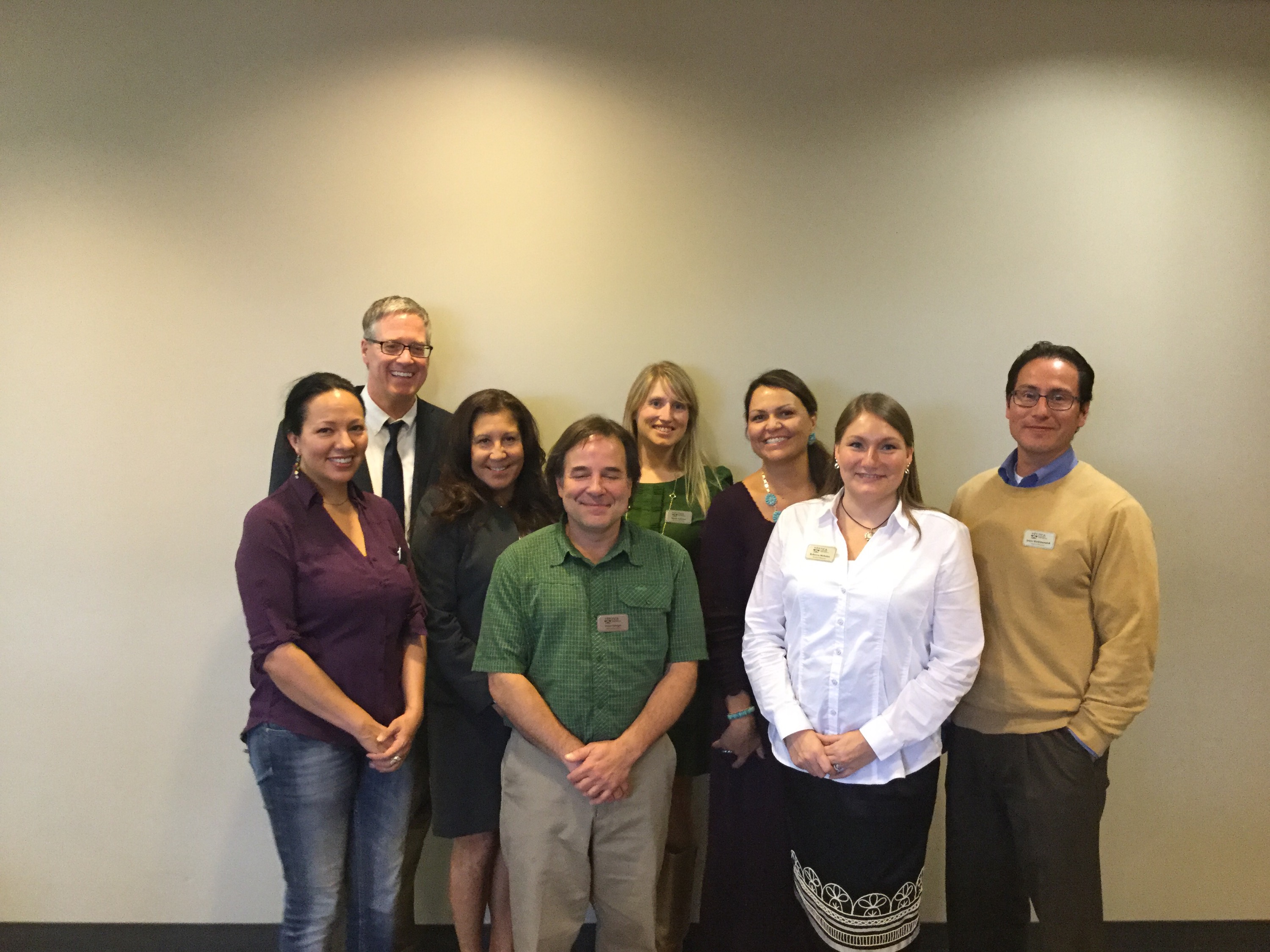
TICA/ILPC Conference Pics

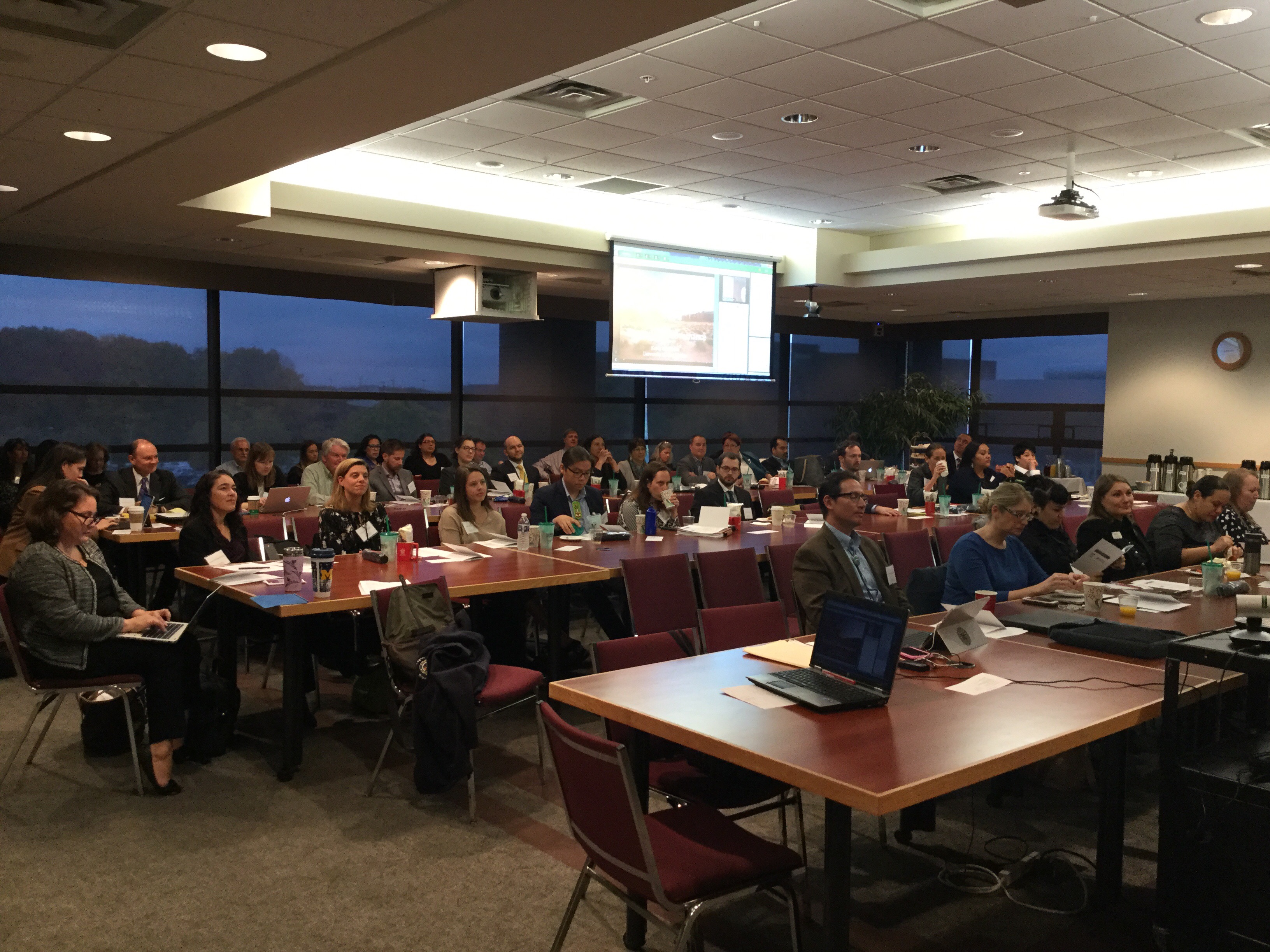
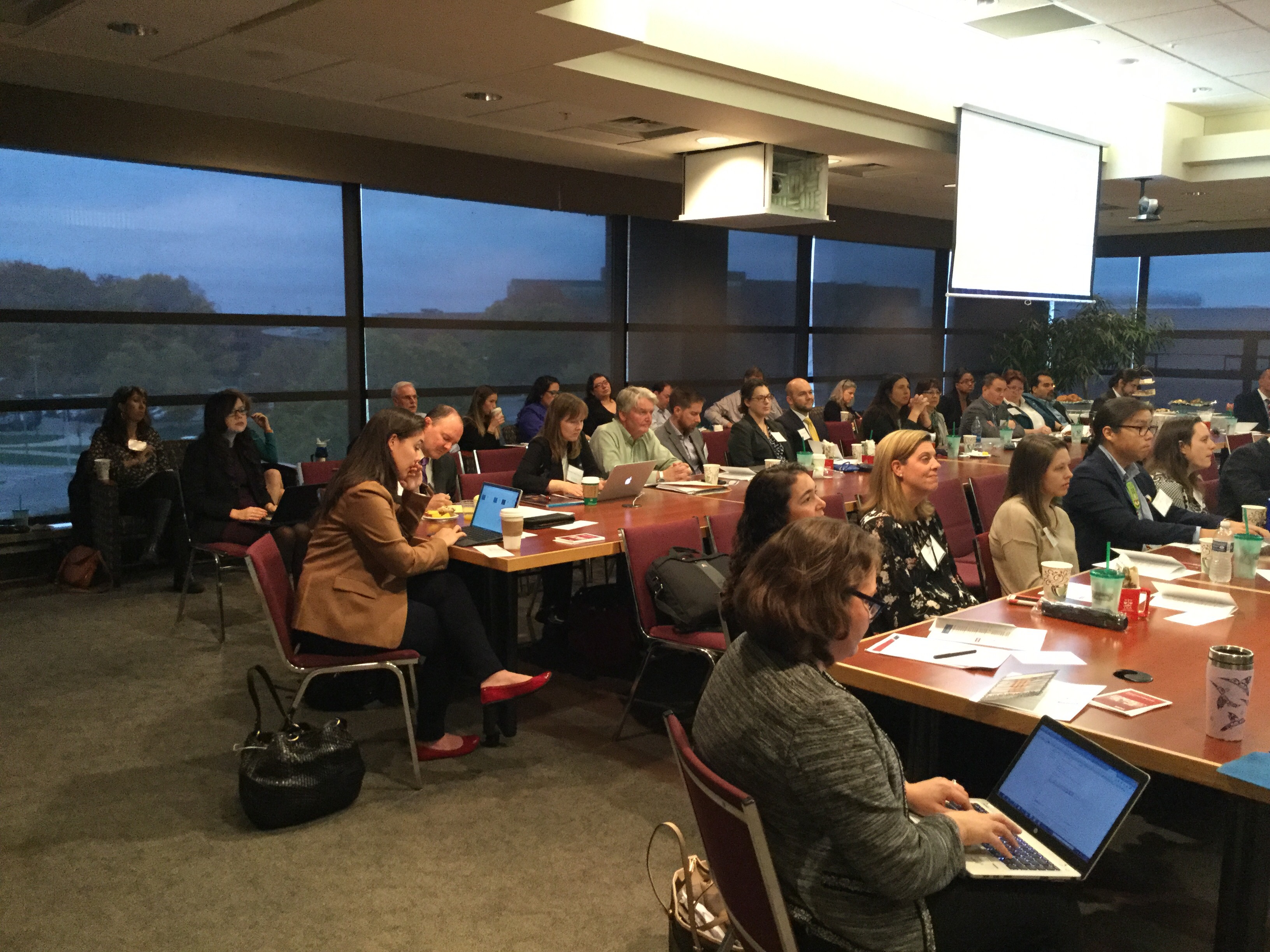
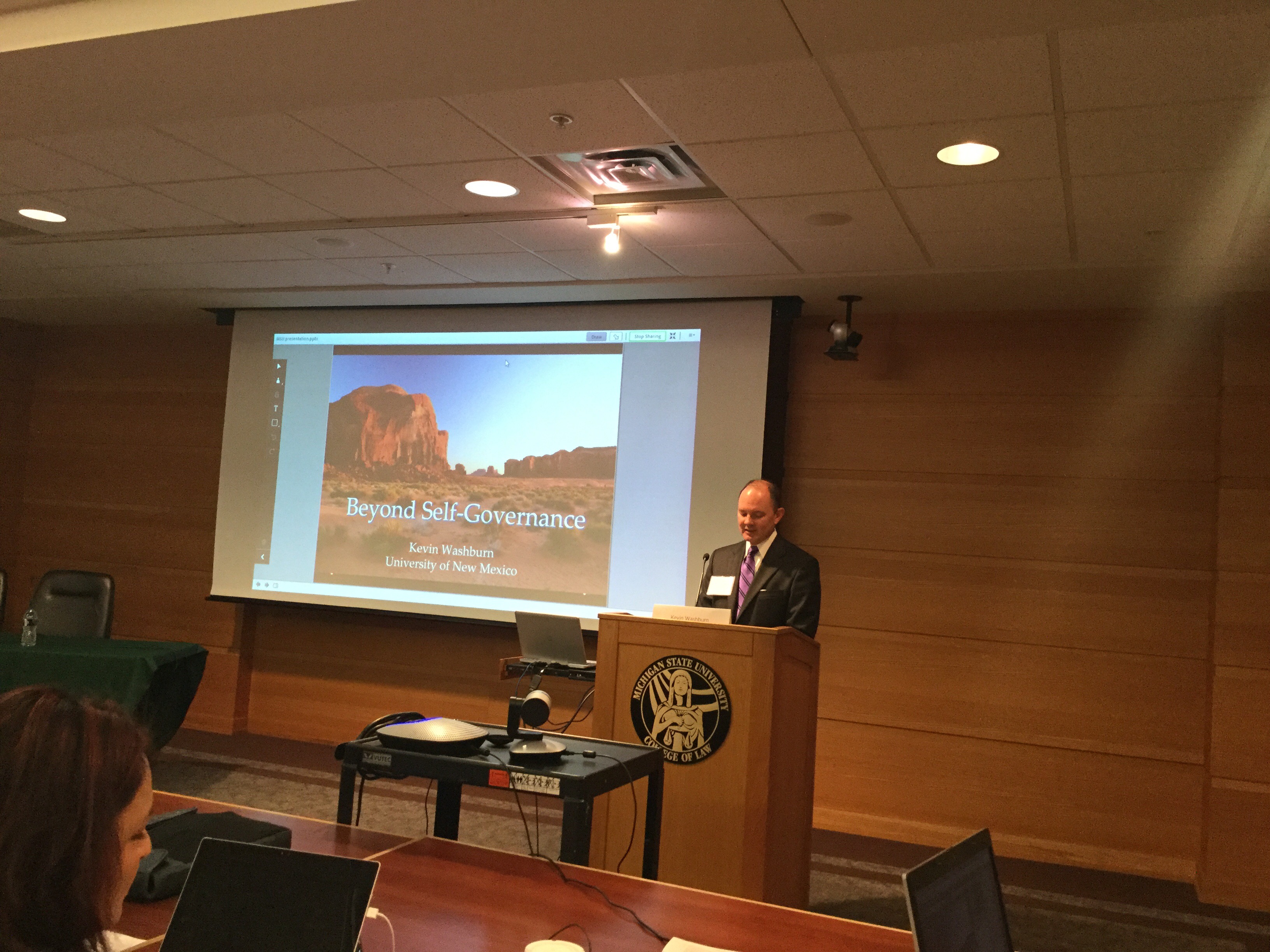
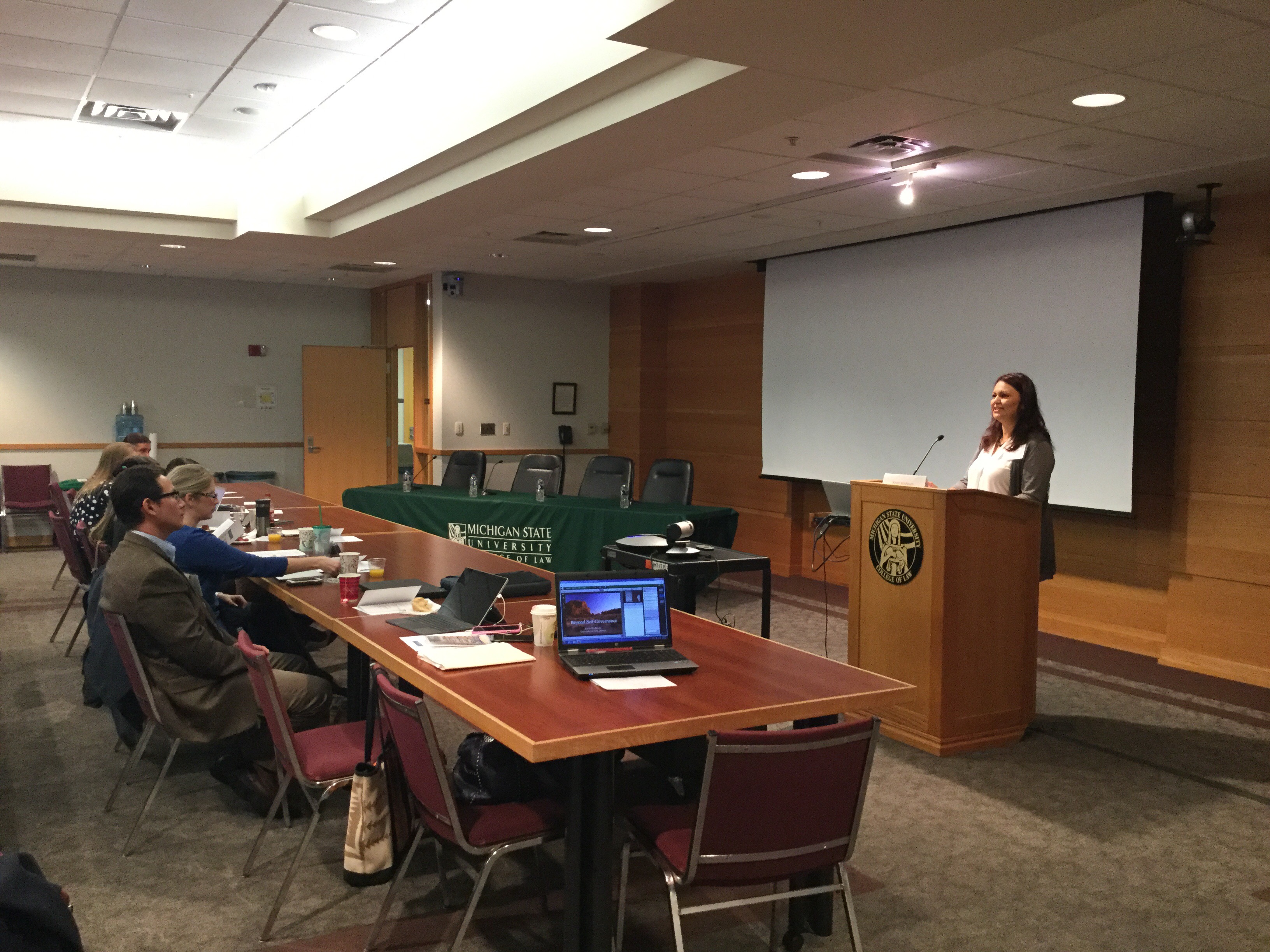
Indigenous Law Conference at Michigan State College of Law
Thursday and Friday, November 3-4, 2016
Online and in-person attendees can register here.
Registration includes TICA membership, continental breakfast and lunch both days along with the reception Thursday night at the East Lansing Marriott. We’ve also applied for 11.25 CLEs from the Minnesota State Bar Association, and will provide forms for those seeking credits in other states.
The current agenda is here.
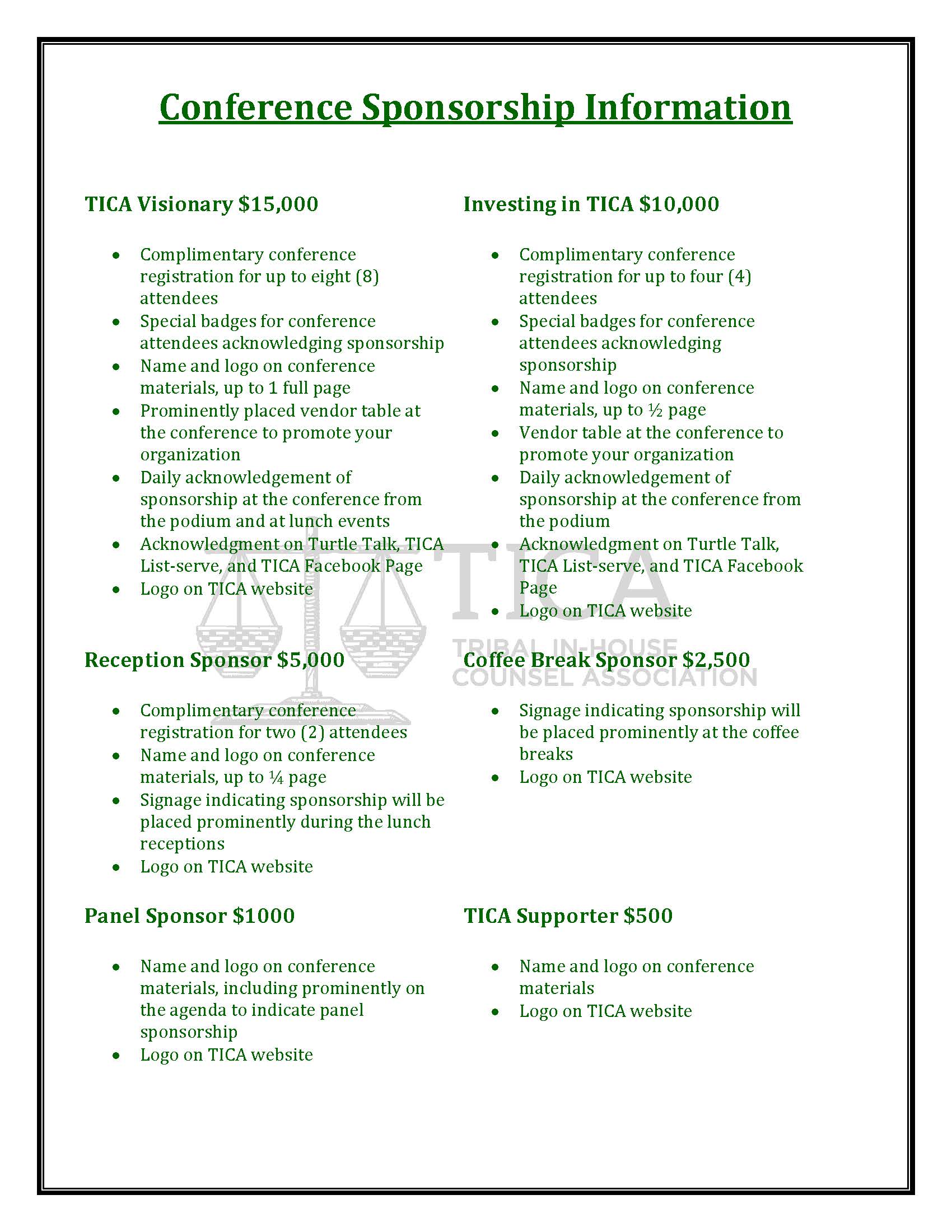
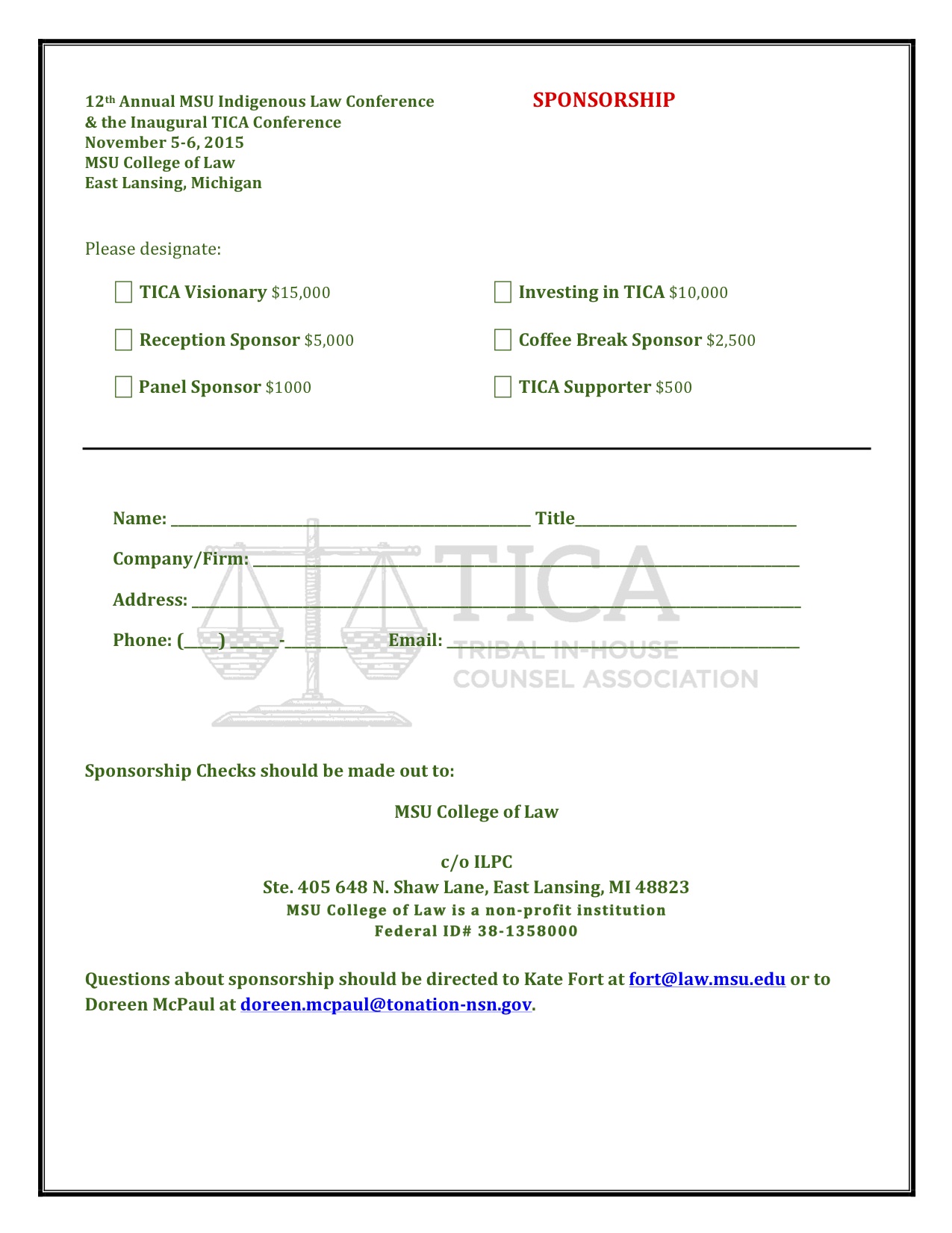
If you, your firm, or organization would like to be a conference sponsor, please see the form here for more information, and our deepest thanks for making the conference possible.
Staff Attorney position at the Lapwai, Idaho office. Announcement here.
It pays to get organized. As you may know, MSU and TICA will be hosting the first Indian law conference (that I know) dedicated exclusively to issues involving in-house counsel for Indian nations. There’s still time to join TICA and answer the call for papers!
Runner Up
Tribal sovereign immunity — a huge winner in 2014, with the Supreme Court reaffirming its commitment to tribal immunity and to Congress’s prerogative when it comes to abrogating that immunity instead of the Supreme Court.
Final Four
Alaska Native tribes had a wild, up and down (mostly up) year. Justice Sotomayor continued her run of writing scholarly opinions in Supreme Court cases that articulated theories of Indian law rarely generated by Supreme Court Justices.
Fourth Round
Bay Mills Indian Community won a surprising Supreme Court victory — that victory could be said to be represented by three of the final eight (along with immunity and Justice Sotomayor). ICWA‘s omnipresence in terms of sheer number of cases, along with AG Holder’s statement of commitment to the enforcement of the statute, was a big deal this year. Judge Diane Humetewa became the first American Indian woman to sit as a federal judge. And crowd favorite 1491s advocacy against the Washington Football Team’s nickname raised their profile considerably.
Third Round
VAWA‘s tribal jurisdiction provisions being successfully implemented at the pilot project tribes, most notably Pascua Yaqui, and with Congress removing the Alaska exclusion, made the statute go fairly deep into the tournament. 2015 promises to be a much bigger year for VAWA. It was a pretty bad year for intra-tribal disputes, what with Chukchansi’s casino shutdown and armed unrest headlining all over. The Gun Lake Tribe‘s success in Congress, the Oneida Tribe of Wisconsin‘s success in the Supreme Court, and the Carcieri challengers‘ ongoing federal court efforts, all registered big this year. Two books made it this far, Structuring Sovereignty and the Cohen Handbook. But perhaps the biggest individual winner was Sarah Deer and her much-deserved award.
Second Round
Omaha Tribe, Cayuga Nation, Sault Tribe, and Lac Courte Oreilles all won important federal appellate victories. Indian country voting rights, Indian gaming, gray wolves, and tribal court exhaustion all had big litigation years. American Indian education, Bill Wood, Kevin Washburn, Frank Pommersheim, Keith Harper, Cobell settlement beneficiaries, the Supreme Court Project, and Adoptive Couple law reviews all burned out early.
First Round
Full of sound and fury but signifying nothing. Made the tournament field, and that means something, but that’s all: Tribal Law and Policy Institute, Native American Bar Association, Bay Mills law review articles, tribal sovereign (payday) lenders, Buena Vista Rancheria, Kialegee Tribal Town, Big Lagoon Rancheria, MHA Nation, Fond du Lac, Wind River, Cowlitz, Navajo, preemption, Rule 19, internet gaming, human trafficking, alternative energy, climate change, Indian criminal sentencing, Tribal General Welfare Exclusion Act, Kumeyaay Cultural Repatriation Committee, Dollar General, Neal Katyal, Eric Holder, McAllen Grace Brethren Church, Judge Canby, Chris Deschene, Rob Williams, Borough of Jim Thorpe, Indian country pot growers, Senate Committee on Indian Affairs, and the State of New Mexico.
The final is here.
#2 Tribal Sovereign Immunity v. #10 Tribal In-House Counsel Association
Immunity won with a narrow 54-46 percent margin over Alaska Native tribes. The big splash of the Supreme Court victory overwhelms the big news year for Alaska Native tribes.
The Tribal In-House Counsel Association wins easily over Justice Sotomayor. As Frank Pommersheim once said, the real practice of Indian law is in the trenches, as opposed to the high-stakes reality television of the Supreme Court. A perfect matchup for the final.
It’s been a long strange trip but we’re down to the final four.
#1 Alaska Native tribes v. #2 Tribal Sovereign Immunity
Alaska Native tribes win again with 55 percent of the vote over Bay Mills Indian Community. The top overall seed defeated the Buena Vista Rancheria, the Omaha Tribe, and the Wisconsin Oneidas before facing Bay Mills.
Tribal sovereign immunity also advances with 74 percent of the vote over ICWA. Immunity knocked out alternative energy, American Indian education, and VAWA before taking out ICWA.
The matchup looks very similar for the Alaska tribal communities. In effect, Bay Mills gets a second chance at the prize, along with all the other tribes that have raised sovereign immunity this year. Westlaw says there are 16 tribal immunity cases from 2014 alone. Of course, there are 229 Alaska Native tribes.
#2 Justice Sotomayor v. #10 Tribal In-House Counsel Association
Justice Sotomayor wins out in the people bracket, narrowly eliminating Judge Humetewa with 54 percent of the vote. She eliminated the McAllen Grace Baptist Church, Frank Pommersheim, and the authors of Structuring Sovereignty before facing Judge Humetewa.
TICA is the big upstart in this inaugural tournament, winners of the groups bracket but the lowest seed remaining. Obviously, I underestimated their staggering power at the beginning. TICA squeaked by NABA and the Tribal Supreme Court Project before gathering steam and completely destroying the Carcieri challengers and the 1491s.
Hmm, this semifinal features one versus many, begging us to ask Spock’s stark question — do the needs of the many outweigh the needs of the few, or the one?
Here are the category finals in all four categories:
Category 1 — Indian nations
#1 Alaska Native tribes v. #3 Bay Mills Indian Community
Alaska Native tribes knock off the Wisconsin Oneidas, who made a very good showing against the northwest leviathan, but Alaska wins 68 percent. And, yes, there is internet in the UP, or there are just plenty of downstaters (hearing me Port Huron?) banking on the BMIC casino? The Gun Lakers only garner 41 percent of the vote.
So the two big tribal winners of the year face off.
Category 2 — Laws, Doctrines, and other stuff
#1 ICWA v. #2 Tribal sovereign immunity
The Indian Child Welfare Act motors on with 64 percent of the vote over intra-tribal disputes. I think we’re all in denial. Too bad, too, cuz tribal sovereign immunity, one of the reasons we have such compelling intra-tribal disputes, also moved on, defeating VAWA narrowly with 54 percent of the vote.
Oil and water face off. We at Turtle Talk know for a fact that ICWA and tribal immunity cases absolutely dominate the federal and state cases we see almost every day here. You can make your living on these two, so long as you’re willing to work for next-to-nothing as an ICWA attorney and so long as you don’t try to make a living suing Indian tribes.
Category 3 — People and Parties
#1 Hon. Diane Humetewa v. #2 Justice Sotomoyor
Sarah Deer gave her a serious run for her money, but fell by a mere two percentage points in the most highly contested (the most votes that is) pairing of the third round. Judge Hemetewa prevails again but only to face the most recognizable and fabulous Supreme Court Justice in history. Yes, I said that.
Category 4 — Other things
#1 1491s v. #10 Tribal In-House Counsel Association
The 1491s sneak past the Cohen Handbookies with 54 percent of the vote. Did I call it or what? All four top seeds are in the final eight. They appear to be in serious trouble though as the Tribal In-House Counsel Association is gaining unbelievable momentum, absolutely crushing the Carcieri beneficiaries with 78 percent of the vote. Of course, that might merely be a question of popularity because who likes those guys anyway? TICA’s going to have to rely more on beneficence to defeat the staggering monolith that is the 1491s.

 Turtle Talk
You must be logged in to post a comment.