Here are the materials in Amboh v. Duchesne County (D. Utah):
Author: Matthew L.M. Fletcher
US Escapes Liability from Fatal Car Accident Caused by Oglala Sioux Corrections Officer
Here are the materials in Estate of Pretend Eagle v. United States (D.S.D.)
Joe Hillman and Clayton Fulton on Tribal Infrastructure and Sovereignty
Joe Hillman and Clayton Fulton have published “Tribal Infrastructure as a Road to Reclaiming Sovereignty” in the Washburn Law Journal.
Here is the abstract:
The ability to shape one’s built environment has always been tied to the idea of sovereignty, both at the levels of individual people and units of communal self-governance. Modern tribal infrastructure is overwhelmingly influenced by a top-down approach where money comes from the federal government and credit for infrastructure projects in tribal communities is a source of pride for distant politicians. This Essay explores the history between infrastructure and sovereignty and proposes that tribes aremore than capable of planning for their communities, and are likely better at it than the U.S. government.

Coalition of Large Tribes Comments on the Tax Treatment of Tribally-Chartered Corporations and Other Entities Organized by Tribes Under Tribal Law
ASU-UCLA Gathering of Indigenous Legal Scholars Part 3


ASU-UCLA Gathering of Indigenous Legal Scholars — Part 2


ASU-UCLA Gathering of Indigenous Legal Scholars — Part 1


Florida COA Orders Dismissal of Casino Patron Tort Claim brought under Gaming Compact
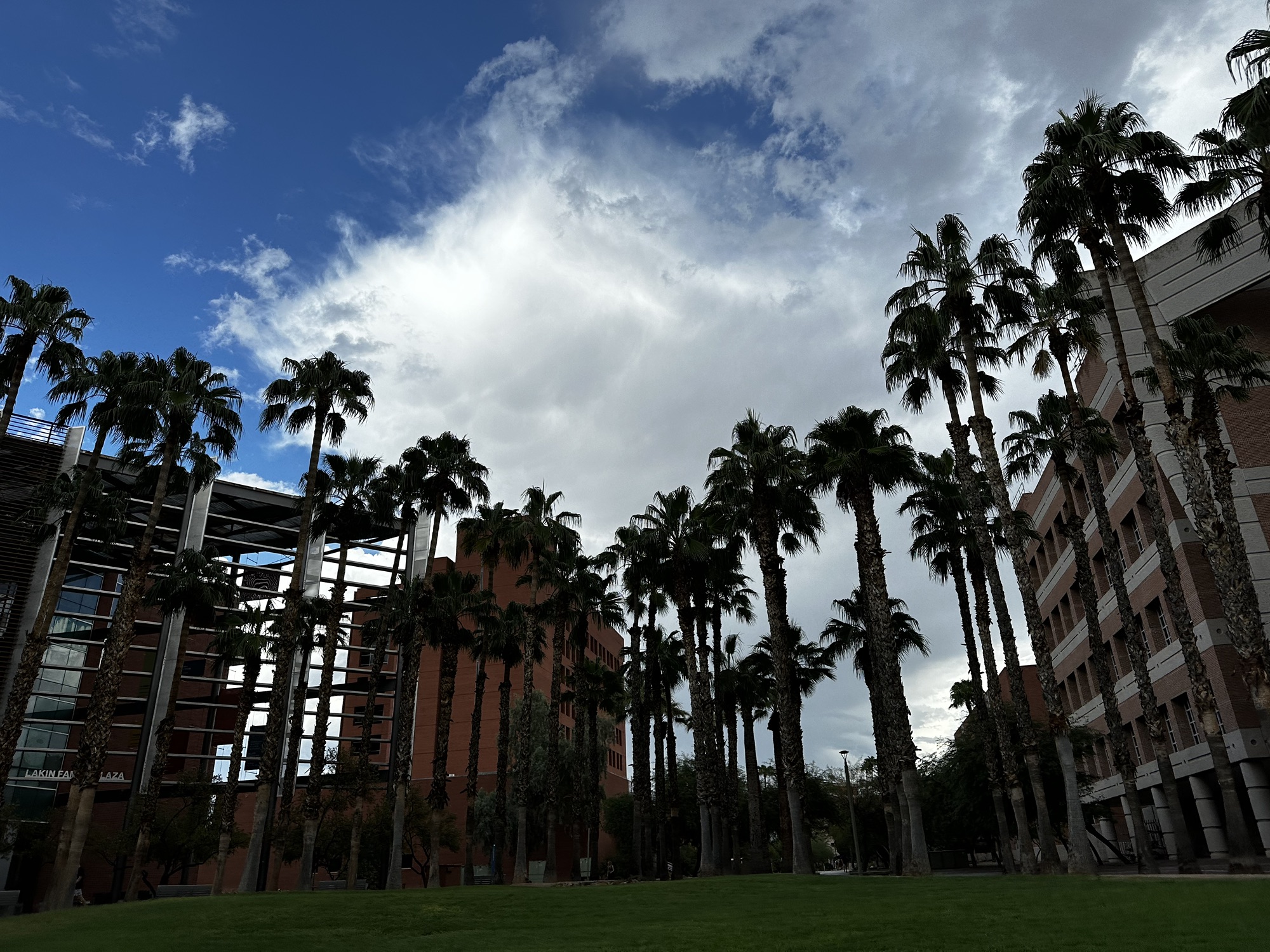
Univ. of Arizona Tribal Leaders Forum Pics


Fletcher on the 200th Anniversary of Johnson v. McIntosh [sorta]
Here is Bizindan Miinawa (Listen Again), available on SSRN and prepared for the Tribal Law Journal’s symposium on Johnson v. McIntosh.
An excerpt:
Are any United States Supreme Court cases real? Johnson v. McIntosh was fake as John Wayne’s teeth. That one was a property dispute, remember? Two wealthy, privileged, and powerful white people squared off over thousands of acres of land acquired from Indigenous nations who called the vast valley of Eagle River home. On one side, you had a former United States Supreme Court justice; on the other, you had a wealthy political benefactor/beneficiary — imagine if a case called Stephen Breyer v. Harlan Crow about Indian land ownership was pending in the Roberts Court’s 2023 Term. No tribal nations or Indigenous peoples to be seen or heard from, or in more modern practice were not allowed to participate. Both attorneys were secretly paid for by the same company — imagine if Stephen Breyer’s attorney (say, Neal Kaytal) was secretly retained by the Trammel Crow Company (or even better, by Club For Growth, his political action committee) to oppose Harlan Crow’s attorney, who would probably be Paul Clement or Ty Cobb. And of course, the property claims at issue barely overlapped, if at all, thanks to stipulations of the parties at the trial level that formed the basis of the factual dispute. It was a sham case.


You must be logged in to post a comment.