Jeannine Bell on How to Improve Discussion of Race in the Classroom

Here is “How to Improve Discussion of Race in the Classroom,” by Jeannine Bell, who teaches at Indiana University law school.

An excerpt:

The grand juries’ decisions not to indict white police officers in the deaths of Michael Brown and Eric Garner bore all the hallmarks of sensitive topics that, to keep the peace, should be discussed only in private, or in small groups of people who share the same race and politics.

I don’t have that luxury. I teach criminal procedure to a racially mixed group of law students. Early in the semester we had discussed the constitutional requirements for the use of deadly force by the police. Coming into class the day after the Ferguson decision was announced, I knew we needed to talk.

I also wanted to talk. Though segregation is no longer required by law, too many Americans nevertheless grew up in segregated neighborhoods and attended segregated schools. A 2013 study by the Public Religion Research Institute revealed many whites’ social networks to be overwhelmingly—more than 90 percent—white. Giving in to the temptation to avoid all talk of race is a mistake because it helps perpetuate those divides.

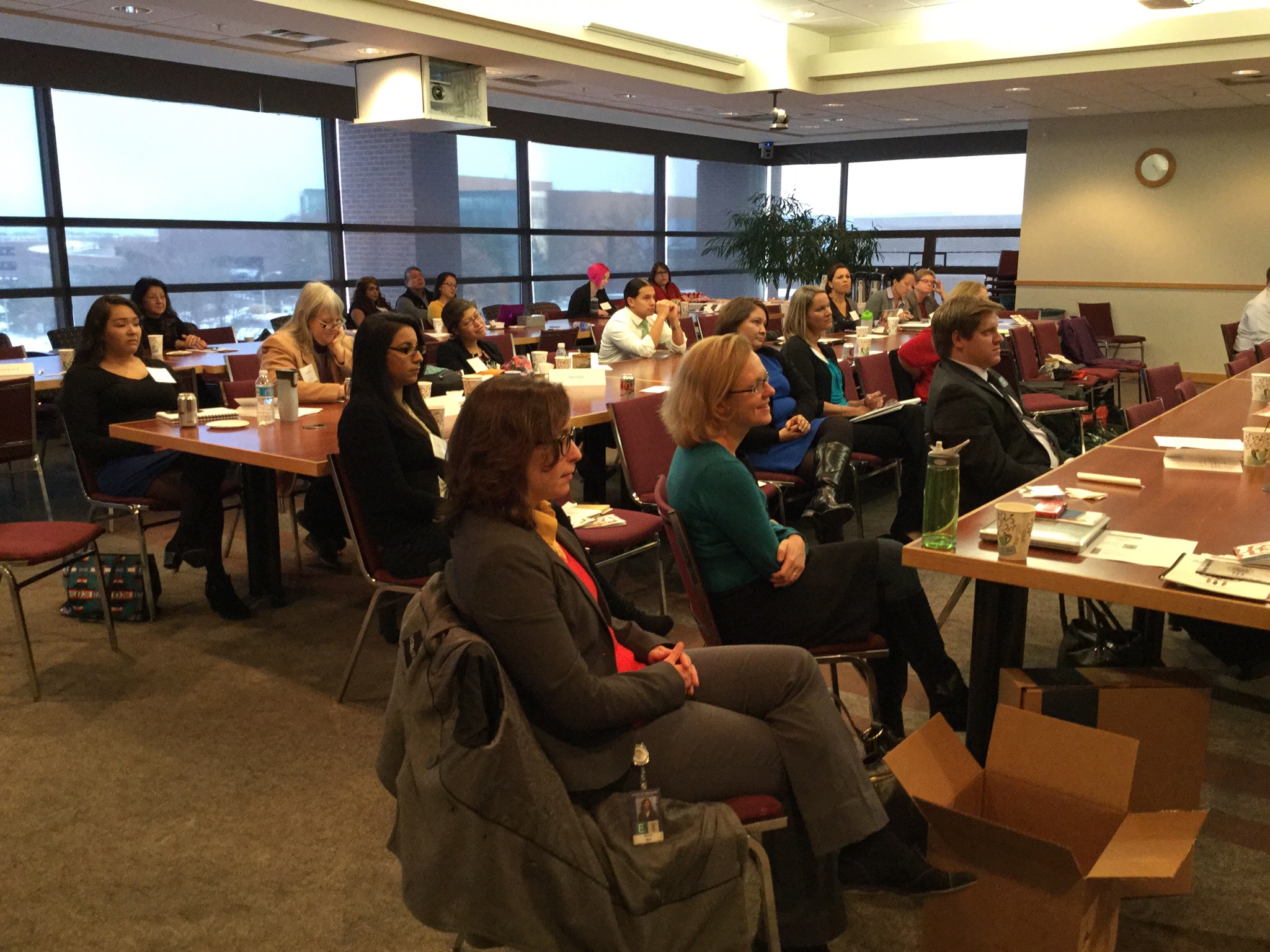
2014 ILPC Conference Final Panel

Rose Petoskey, Shelly Lowe, Melvin Monette, Dr. Tawa Sina, Dr. Angelique Day, and Dr. Suzanne Cross

IMG_1062.JPG

IMG_1060.JPG

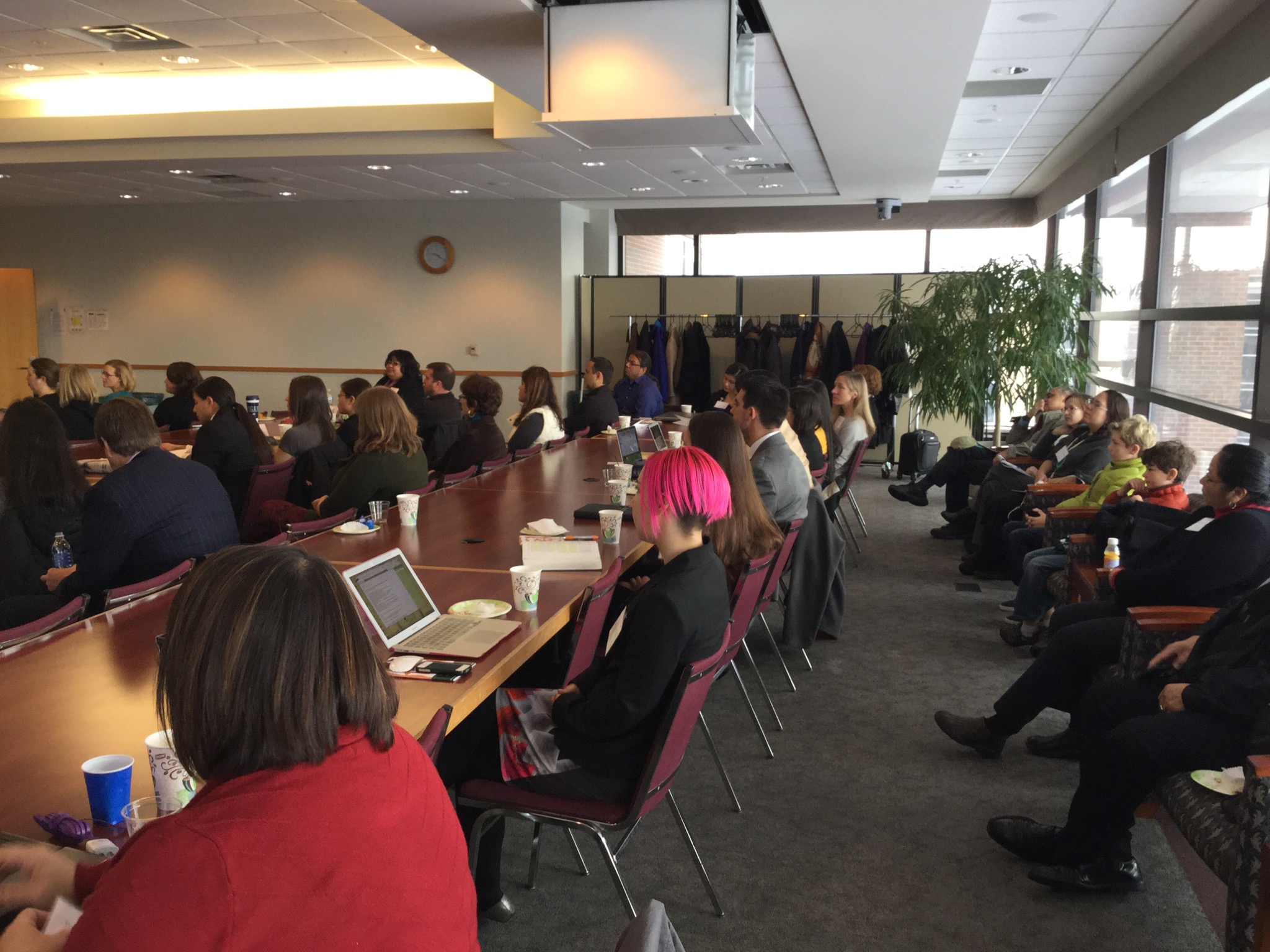
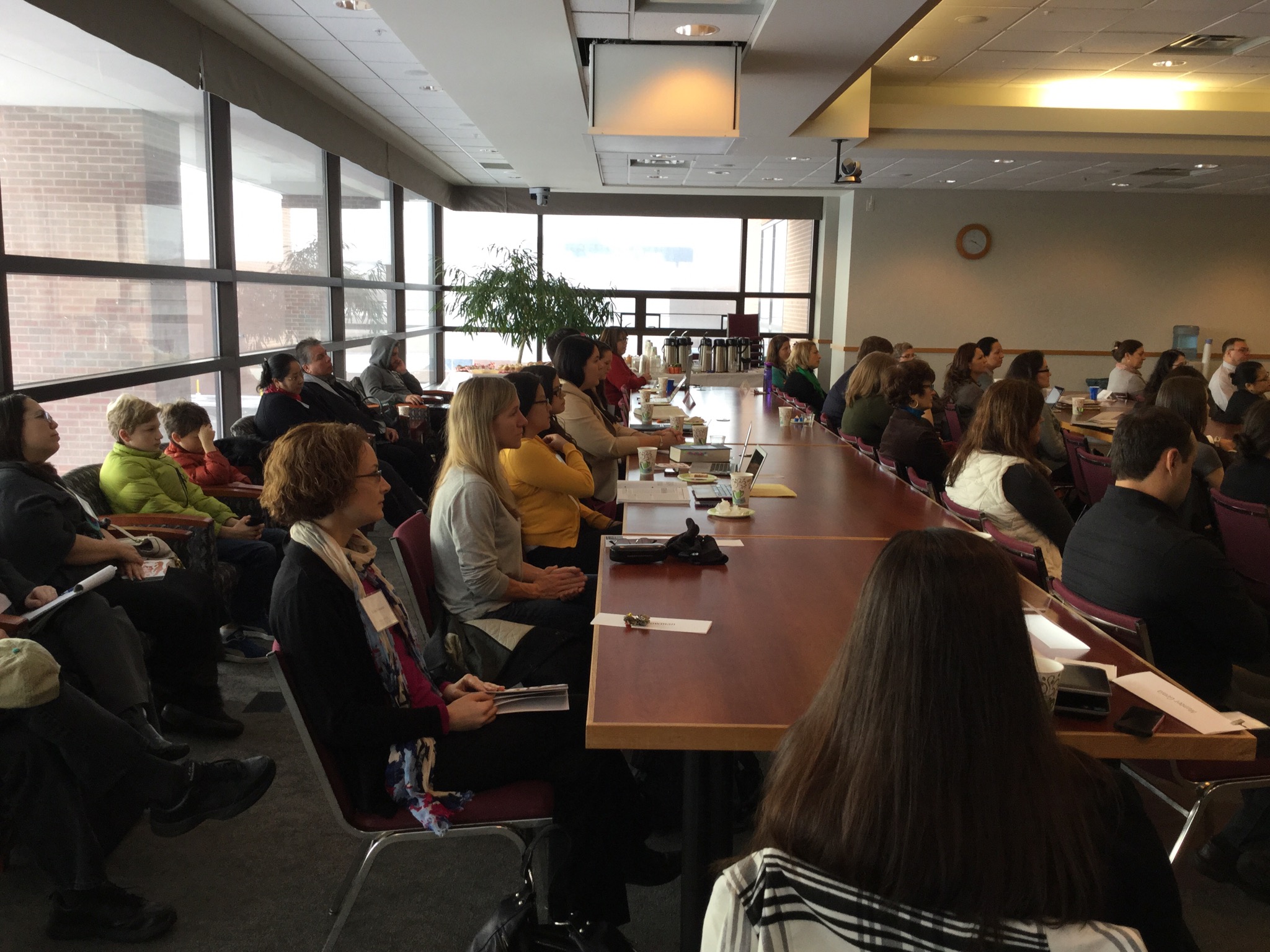
The serious participants

IMG_1067.JPG

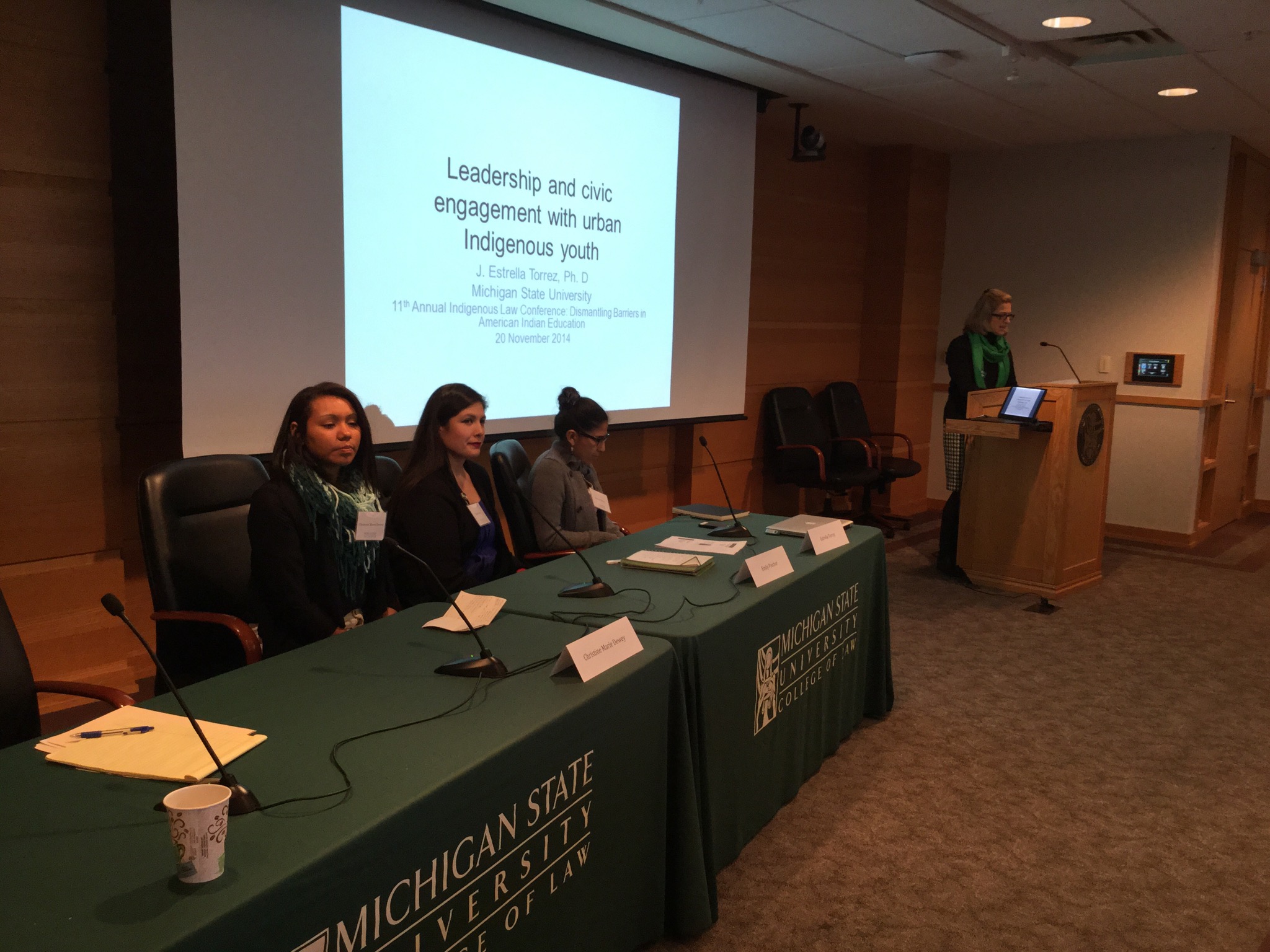
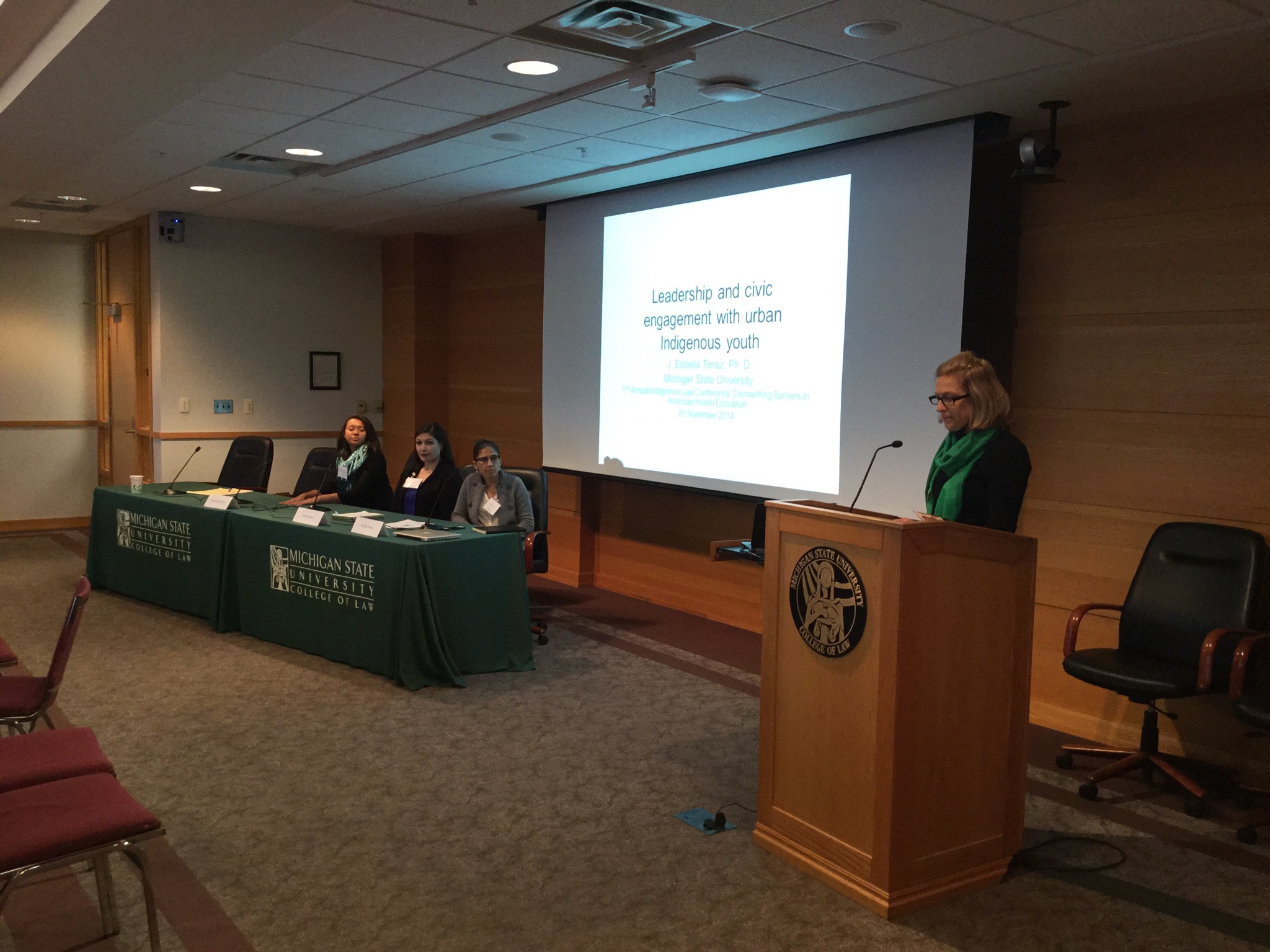
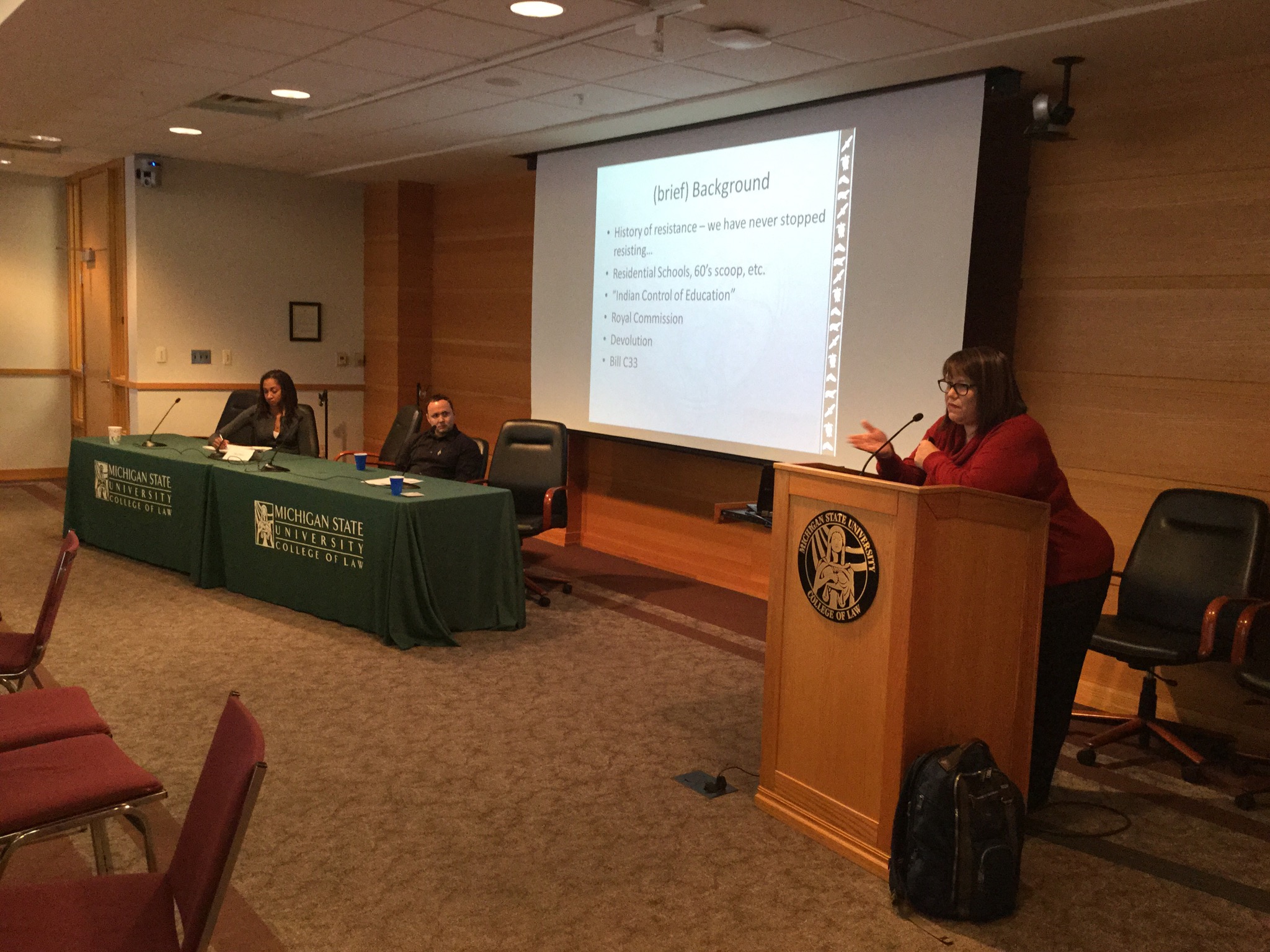
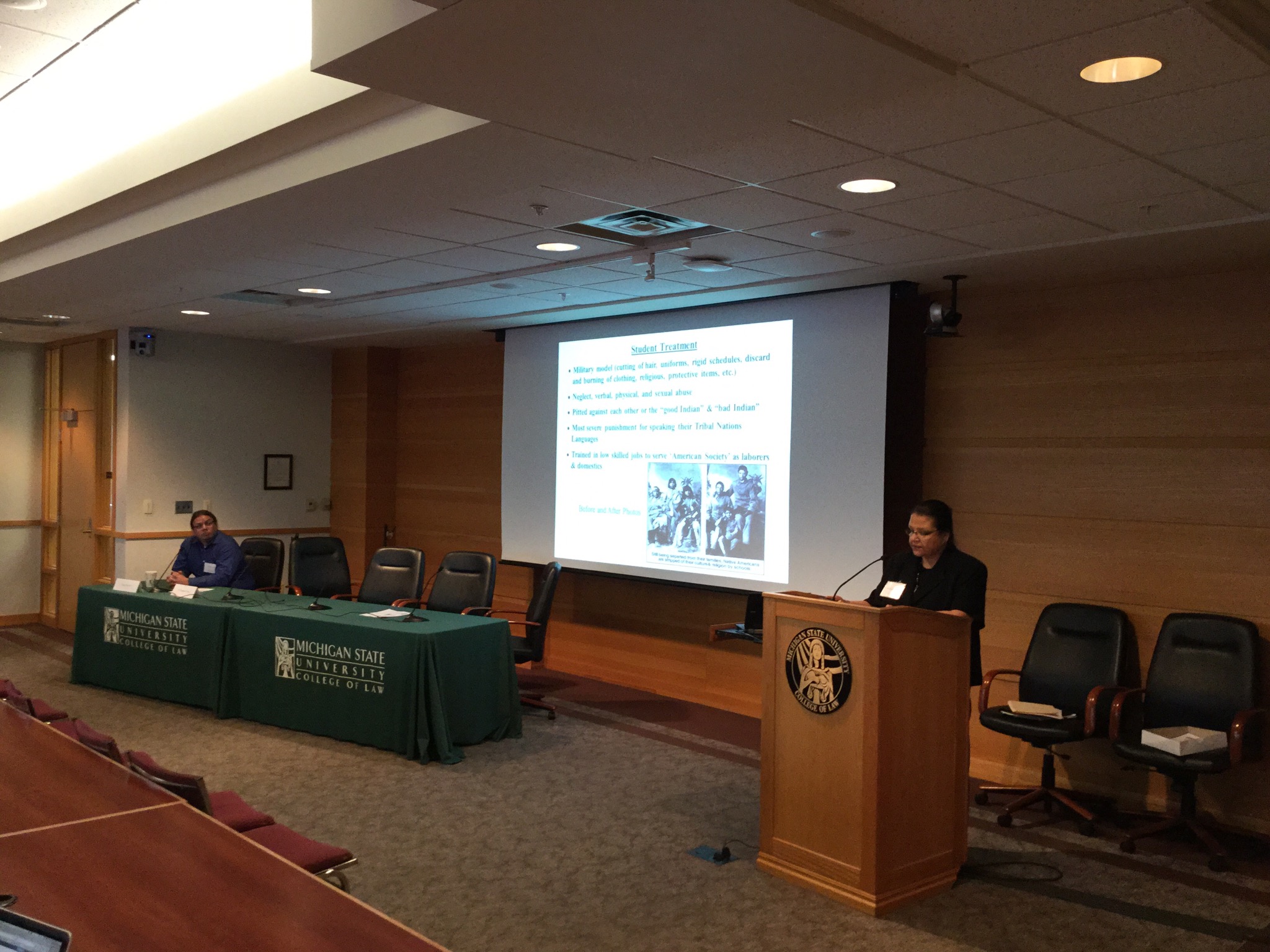
2014 ILPC Conference Fourth Panel

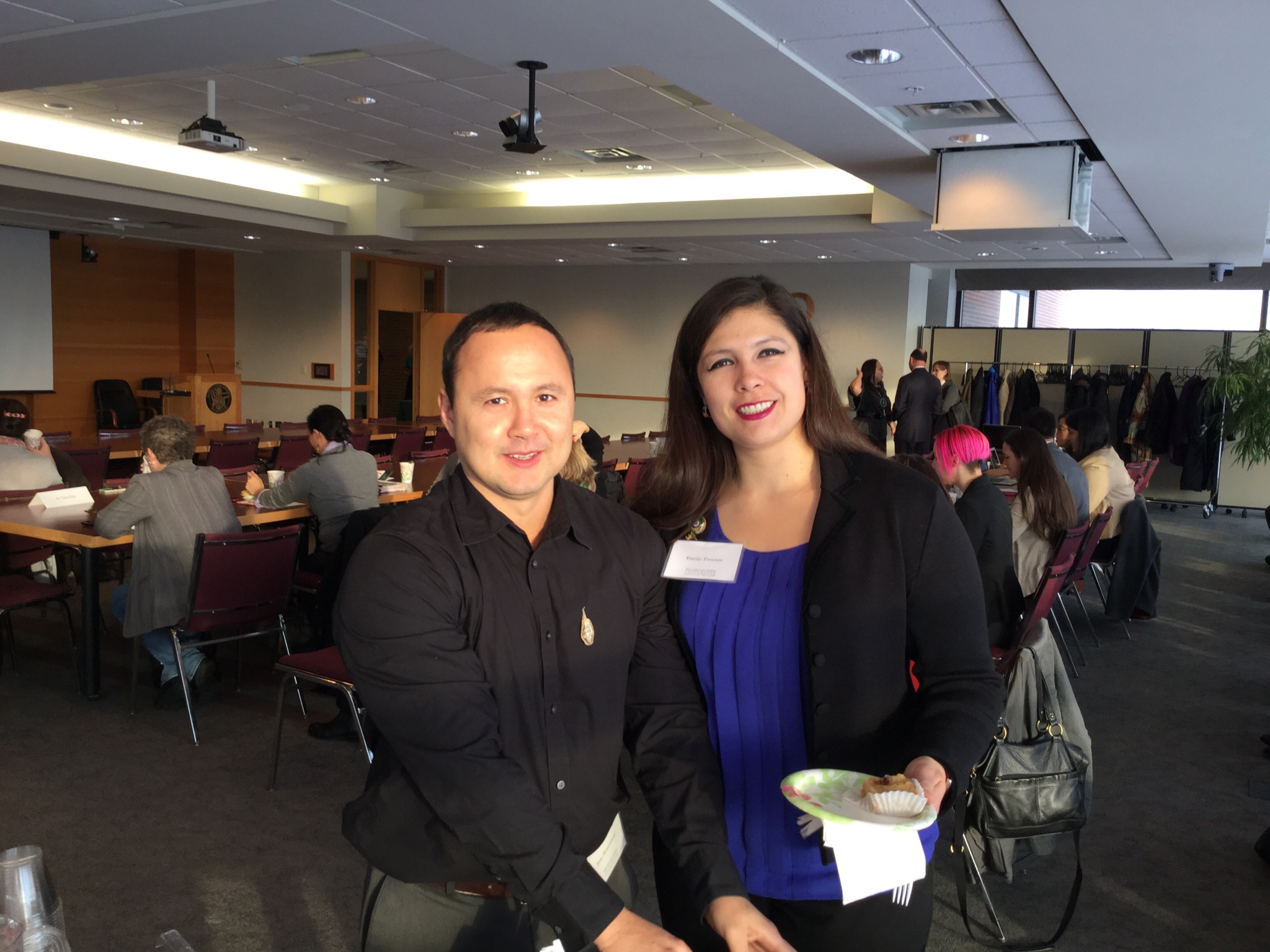
Christina Marie Dewey, Emily Proctor, Estrella Torrez, and Jennifer Rosa

IMG_1056.JPG

IMG_1055.JPG

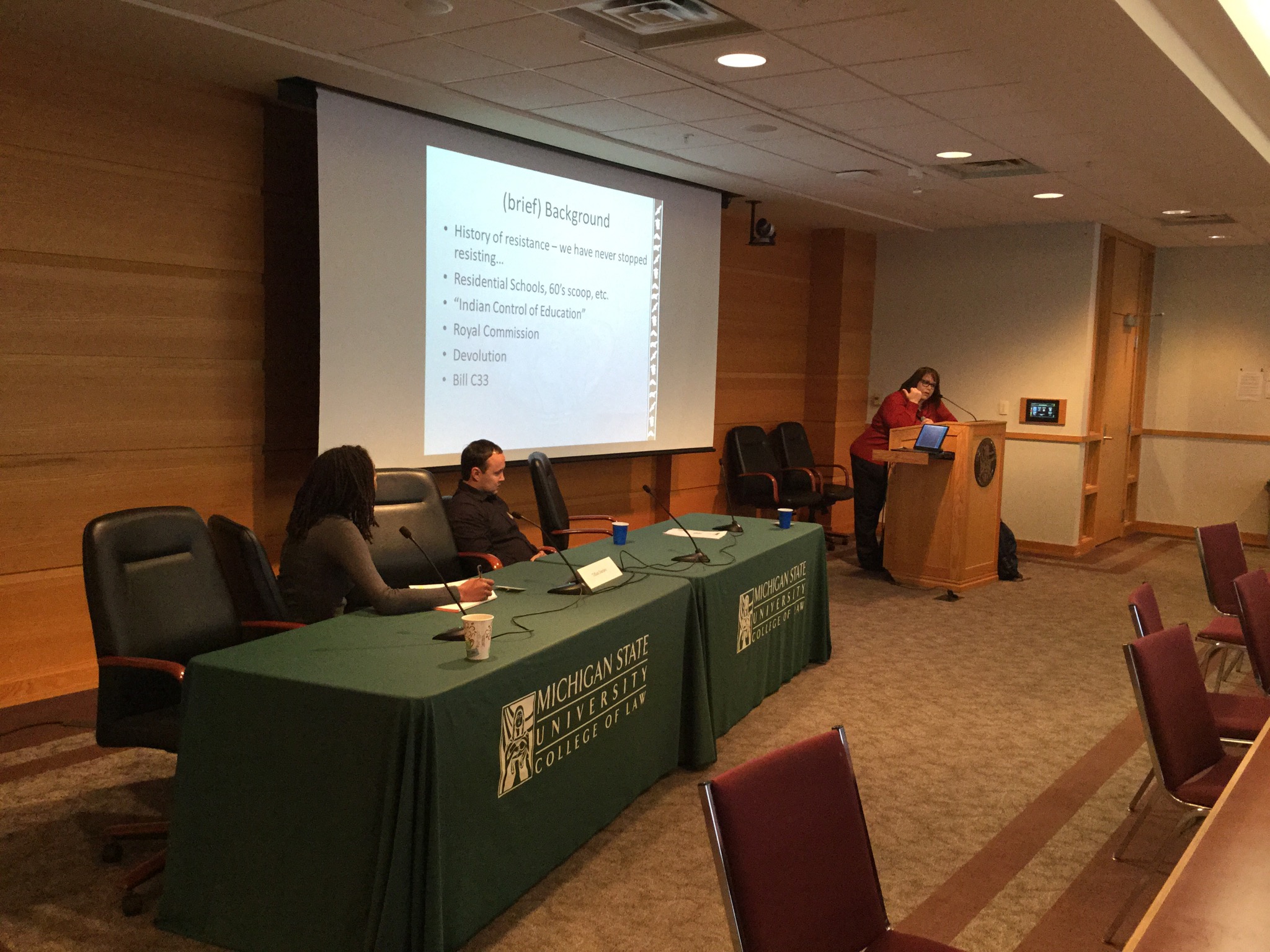
2014 ILPC Third Panel

Tiffani Darden, Eric Hemenway, and Treena Metallic

IMG_1050.JPG

IMG_1054.JPG

2014 ILPC Lunch Speaker — The Incredible Gina Jackson

IMG_1048.JPG

IMG_1049.JPG

ILPC Conference Second Panel

Dr. Nicole Blalack, Melody McCoy, April Day, and Kristi Bowman

IMG_1045.JPG

IMG_1044.JPG

ILPC Conference First Panel — Dr. Suzanne Cross and Hunter Genia

IMG_1042.JPG

IMG_1041.JPG

11th ILPC Conference Pics

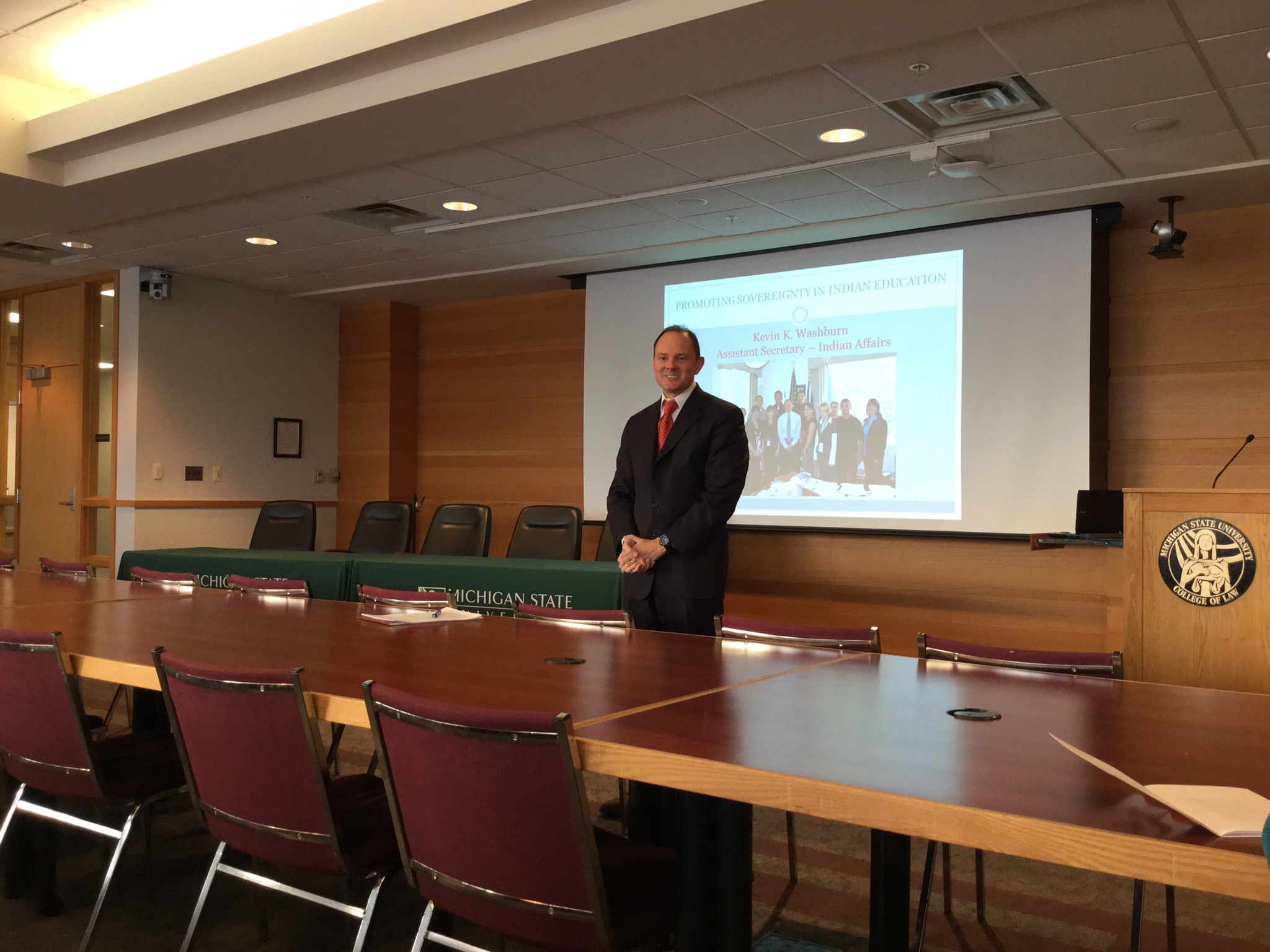
Keynote speaker Kevin Washburn

IMG_1031.JPG

Dean Howarth and Assistant Secretary Washburn

IMG_1018.JPG

NALSA Representing

IMG_1022.JPG

IMG_1024.JPG

Tribal In House Counsel Reps — Doreen and Liz

IMG_1025.JPG

Hungry Indians

IMG_1021.JPG

IMG_1020.JPG

Zaagi’idiwaag

IMG_1027.JPG

The keynote

IMG_1034.JPG

IMG_1036.JPG

IMG_1037.JPG

IMG_1035.JPG

Conference Registration Reminder

Just a reminder post that the registration for the White House Initiative on American Indian and Alaska Native Education listening session is here and the registration for the 11st Annual Indigenous Law Conference–Dismantling Barriers in American Indian Education–is here.  Those events are happening on November 19 and 20 in East Lansing.

See this page for more information about both events.

Press Release: Interior Announces $1.2 Million to Be Awarded to Tribes to Take Control, Operate Their Bureau of Indian Education-Funded Schools

As part of the Obama Administration’s historic commitment to ensure that all students attending Bureau of Indian Education (BIE)-funded schools receive a world- class education, U.S. Secretary of the Interior Sally Jewell and Assistant Secretary – Indian Affairs Kevin K. Washburn today announced that six federally recognized tribes have been awarded $1.2 million in Sovereignty in Indian Education (SIE) enhancement funds to promote tribal control and operation of BIE-funded schools on their reservations. The funds implement a recommendation contained in the Blueprint for Reform of the Bureau of Indian Education issued on June 13, 2014, by the American Indian Education Study Group convened by Secretary Jewell and U.S. Education Secretary Arne Duncan.

“Increasing tribal control over BIE-funded schools not only promotes tribal self-determination, but also provides greater tribal discretion in determining what American Indian children should learn, increasing accountability throughout the school system,” Secretary Jewell said. “With school management authority, these communities will have more power to create lessons with tribal cultural values and Native languages, both of which can ensure their children stay connected to their heritage and help them to succeed in the future. These enhancement funds can make the difference in an effective, relevant and rigorous education for American Indian children.”

The following tribes will receive enhancement funding:

  • Gila River Indian Community, Sacaton, Arizona
  • Standing Rock Sioux Tribe, Fort Yates, North Dakota
  • Turtle Mountain Band of Chippewa, Belcourt, North Dakota
  • Tohono O’Odham Nation, Sells, Arizona
  • Navajo Nation, Window Rock, Arizona
  • Oglala Sioux Tribe, Pine Ridge, South Dakota


Full press release here.