Here.
Roxanne Dunbar-Ortiz: “We All Know Columbus Didn’t Discover America—So How Did He Become a Symbol of Its Founding?”
Here.
Here.
Here is the complaint in Navajo Nation v. Office of Navajo and Hopi Indian Relocation (D. Ariz.):
Here is the complaint in a related suit, Navajo Nation v. United States (Fed. Cl.):
The Bureau of Justice Assistance, Office of Justice Programs, U.S. Department of Justice Invites Tribal Leaders to Consult on Strengthening Public Safety and Law Enforcement to Address Violent Crime in Tribal Communities and Native Villages
The goal of the Bureau of Justice Assistance (BJA) annual consultation with tribal leaders and tribal designees is to identify criminal justice policy issues and tribal priorities to support tribal justice strategies to achieve safer communities. The ultimate goals are to improve law enforcement and public safety in tribal communities and native villages; and support grant administration and criminal justice policy development to support local, state, and tribal law enforcement in achieving safer communities.
The BJA Tribal Consultation Program includes two sessions. They are:
Date: Wednesday, August 25, 2021
Time: 1:00 – 3:00 p.m. ET
The BJA will provide information on tribal justice funding and programs; and preview questions that will be posed during the upcoming Tribal Consultation Virtual Session on September 15th. To register, click here.
Date: Wednesday, September 15, 2021
Time: 1:00 – 3:00 p.m. ET
During this session, BJA will hear from tribal leaders and stakeholders to help inform how BJA tribal assistance funds and programs can best support Tribal and Native communities. Focus areas will include: comprehensive justice system planning; tribal justice facilities; court system enhancements; alcohol and substance abuse programs; civil and criminal legal assistance; alternatives to incarceration; addressing violent crime in Native communities; and other priorities.
By identifying and clarifying those priorities, the session will result in more efficient delivery of needed grant funding, and in turn enhanced safety and security in tribal communities and native villages. This session will include a facilitated question-and-answer session for tribal leadership. To register, click here.
Tribal Leaders are invited to both sessions. Other tribal stakeholders are also invited to participate including tribal justice practitioners, grantees, evaluators/researchers, statisticians, tribal organizations, nonprofit organizations working on tribal issues, and representatives of tribal, federal, state, and local governments working on public safety in tribal communities and native villages.
A framing paper has been developed to help guide tribes as they consider and provide their positions during the virtual session and is available online at the BJA Tribal Consultation webpage.
The Bureau of Justice Assistance (BJA), a component of the Department of Justice’s Office of Justice Programs supports tribal governments in addressing their public safety needs. In addition to providing grants to tribal governments to support public safety efforts, BJA provides training and technical assistance (TTA) to tribal governments and supports implementation of evidence- and research-based practices.

Registration for the 7th Annual Repatriation Conference is now OPEN! The first 100 registrants will receive a FREE conference t-shirt! Through the support of generous sponsors, the Association is offering Conference scholarships to Tribal Practitioners, Elders and students, and staff from smaller museums. Be sure to apply as soon as possible! Scholarships are only available as long as funding is available. Repatriation Conference scholarships will pay for the total amount of the recipient’s registration fee, which will allow full access to the Conference portal, including access to recorded content after the Conference is over for 3 months.
To access registration, visit our webpage here: Conference Registration – Association on American Indian Affairs (indian-affairs.org)
To apply for a scholarship, please visit our webpage here: Conference Scholarships – Association on American Indian Affairs (indian-affairs.org)
Details here.
Here is the unpublished opinion in Albrecht v. County of Riverside:
Briefs:
Scholarships are available on a first come, first serve basis for eligible applications.
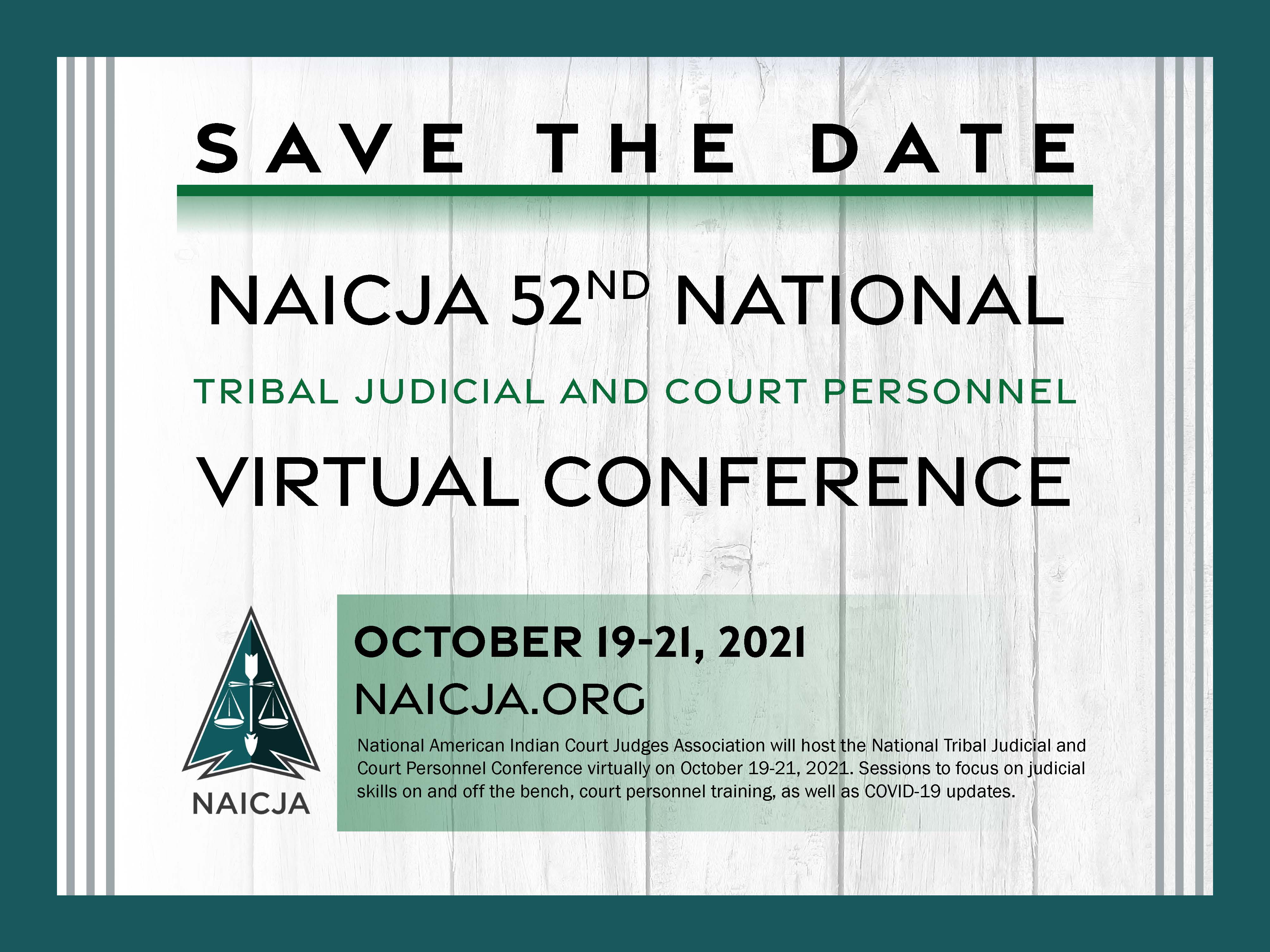
Here are the materials in Mattwaoshshe v. United States (D.D.C.):
38-1 Soldier Creek Wind Motion to Dismiss
39-1 Nextera Energy Motion to Dismiss
40-1 Westar Energy Motion to Dismiss
Not that it would matter much in this issue, but I can’t help but point out of the more anomalously interpreted Indian law statutes of all time is briefly discussed in this opinion. Here is the law, 25 U.S.C. sec. 175:
In all States and Territories where there are reservations or allotted Indians the United States attorney shall represent them in all suits at law and in equity.
Seems pretty clear, eh? No chance. 🙂 Yet another example of the word “shall” being interpreted as the exact opposite of its meaning. . . .
 Turtle Talk
You must be logged in to post a comment.