Here:
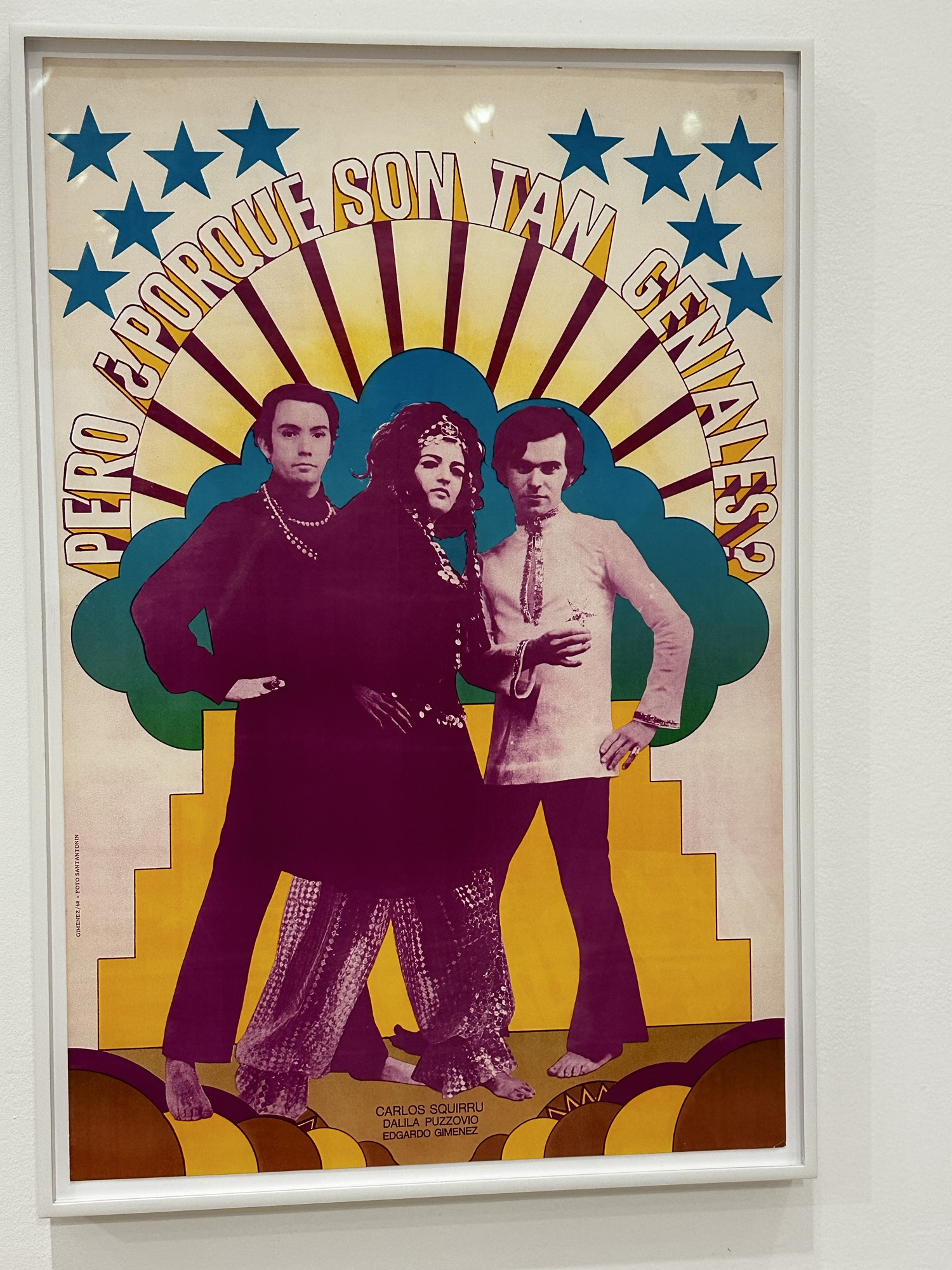
Here:
One or more positions may be filled in either Washington DC or Denver. The first cut-off date for referral of applicants will be 7/27/2026. The second cut-off date will be on the closing date of 8/17/2026.
The Tribal Resource Section (TRS) litigates to uphold and fulfill the United States’ trust responsibility to the nation’s 575 federally recognized Indian tribes. This includes defending the decisions of the Department of the Interior and other federal agencies under the Administrative Procedure Act in furtherance of tribal interests, as well as bringing civil affirmative actions to protect tribal lands, rights, resources, and jurisdiction. This litigation furthers the United States’ government-to-government relationships with tribal nations and generally promotes tribal sovereignty, protects tribal land bases, and ensures legal rights guaranteed by treaties and other reserved rights, such as water rights, reservation boundaries, hunting and fishing rights, and federal and tribal jurisdiction. The litigation handled by the Section is of vital interest to Indian tribes and often addresses issues of first impression.
Consistent with the Tribal Resources Section’s practice, the individual selected will be responsible for handling a range of matters, including some of the most complex and important cases currently arising in this area of the law. This position will allow the individual to utilize his or her superior legal research, writing, and oral advocacy skills in all aspects of negotiation, motions practice, and trial.
National Indian Country Training Initiative Online Training Announcement
Title: ICWA Webinar Series: The Indian Child Welfare Act and the Role of Tribal and State Attorneys
Date: October 8, 2024, 2:00 – 3:45 pm EDT
Register Here: https://usao.webex.com/weblink/register/r07e72e3d5222b35a4d9c7b80a47fc4f7
Registration deadline: October 4, 2024
Non-DOJ applicants will receive notification of their application status by: October 7, 2024
The Indian Child Welfare Act (ICWA) provides minimum Federal standards for the removal of Indian children from their families and placement in foster and adoptive homes. Tribal and State attorneys play important roles in advancing the protections of ICWA. This webinar is the fourth in a multipart series concerning the application of ICWA in State courts and the role of Tribal courts in cases involving ICWA. Kate Fort, a nationally recognized expert on ICWA will discuss the implications of ICWA in representing Tribes and States in child welfare cases. Topics will include transfer, state agreements, and many other important topics. CLE has been requested.
There is no tuition charge for this training.
If you have any questions, please contact Heather Cumper at heather.cumper@usdoj.gov or Leslie A. Hagen at leslie.hagen3@usdoj.gov.
Here is the report.
From the press release:
The Department of Justice announced today that it found reasonable cause to believe that the State of Alaska violates the Americans with Disabilities Act (ADA) by failing to provide community-based services to children with behavioral health disabilities, relying instead on segregated, institutional settings — specifically, psychiatric hospitals and psychiatric residential treatment facilities. This finding comes at the conclusion of the department’s investigation into whether Alaska subjects children with behavioral health disabilities to unnecessary institutionalization in violation of Title II of the ADA.
“Each year, hundreds of children, including Alaska Native children in significant number, are isolated in institutional settings often far from their communities,” said Assistant Attorney General Kristen Clarke of the Justice Department’s Civil Rights Division. “Most of these children could remain in family homes if provided appropriate community-based services. We look forward to working with Alaska to bring the State into compliance with federal law and prevent the unnecessary institutionalization of children.”
Children who are segregated in psychiatric residential treatment facilities commonly stay there longer than six months, and some of them are sent to states as distant as Texas and Missouri, thousands of miles from their families.
The department’s investigation found that Alaska’s system of care is heavily reliant on institutions and that key community-based services and supports needed to serve children with behavioral health disabilities in family homes, such as home-based family treatment, crisis services and therapeutic treatment home services, are often unavailable. As a result, many children with behavioral health disabilities, including a substantial number of Alaska Native children, are forced to endure unnecessary and unduly long admissions to psychiatric hospitals and psychiatric residential treatment facilities both within Alaska and in states across the country.
With today’s announcement, the department has concluded its third investigation in 2022 involving the unnecessary institutionalization of children with behavioral health disabilities.
Here: “March – Missing or Murdered Indigenous Persons: Legal, Prosecution, Advocacy and Healthcare.”
Previous issue here.
Here.
Here.
From Monique Vondall:
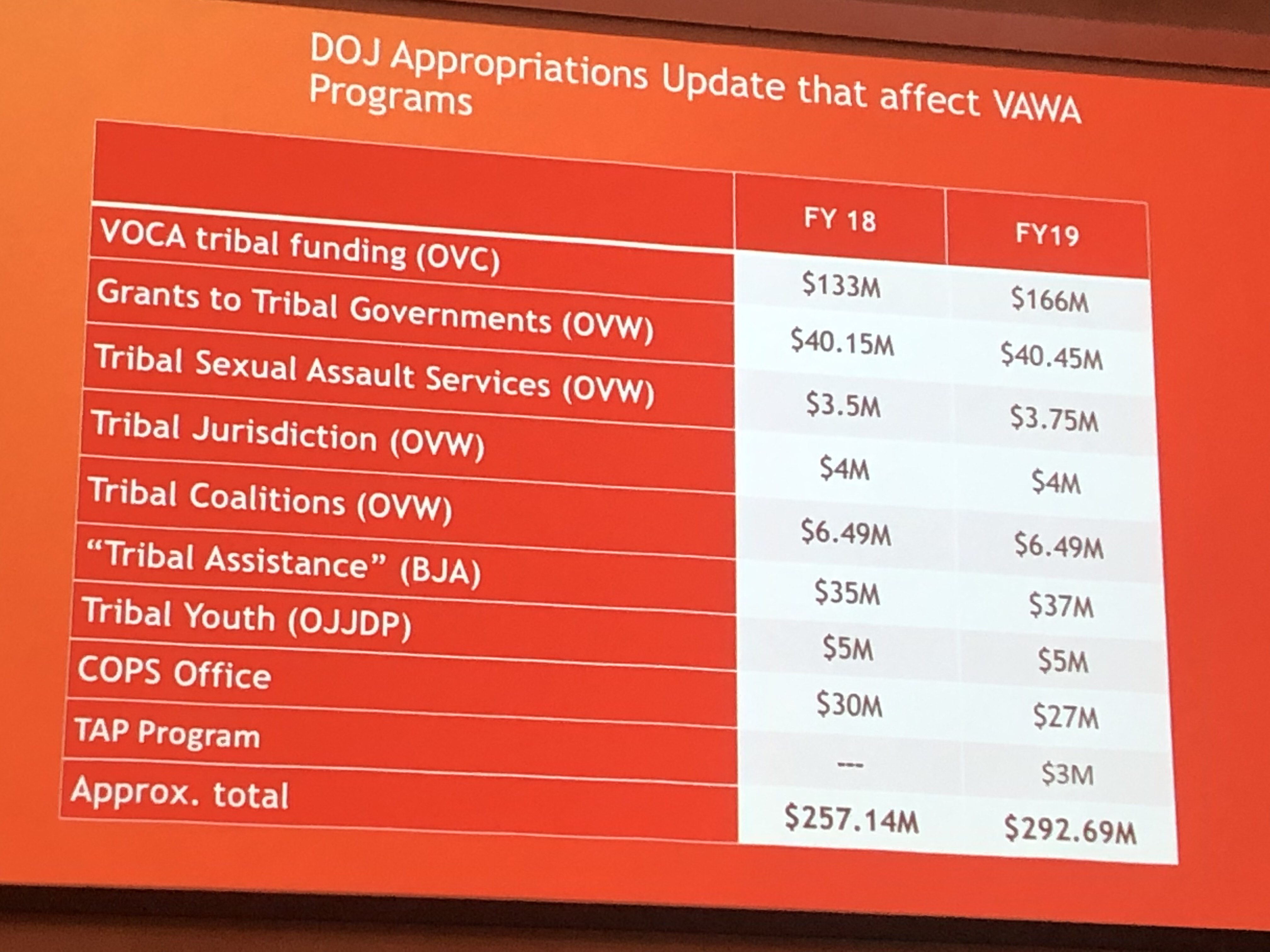
I was at the historic consultation — a first — with the DOJ regarding domestic violence funding for Indian Country. Of the $169 million in grants available only 59 tribes applied and the cap of $500,000 only allowed $29 million to be distributed. The DOJ listening session was met with many requests to continue the set-aside funding for Indian Country.
The Southwest region in Alaska reports the highest percentage of women who experience domestic violence in America. The 2019 Section 903 Reauthorization of VAWA found that Alaska Native women experience domestic violence at a rate of 250% more than any other women in America.

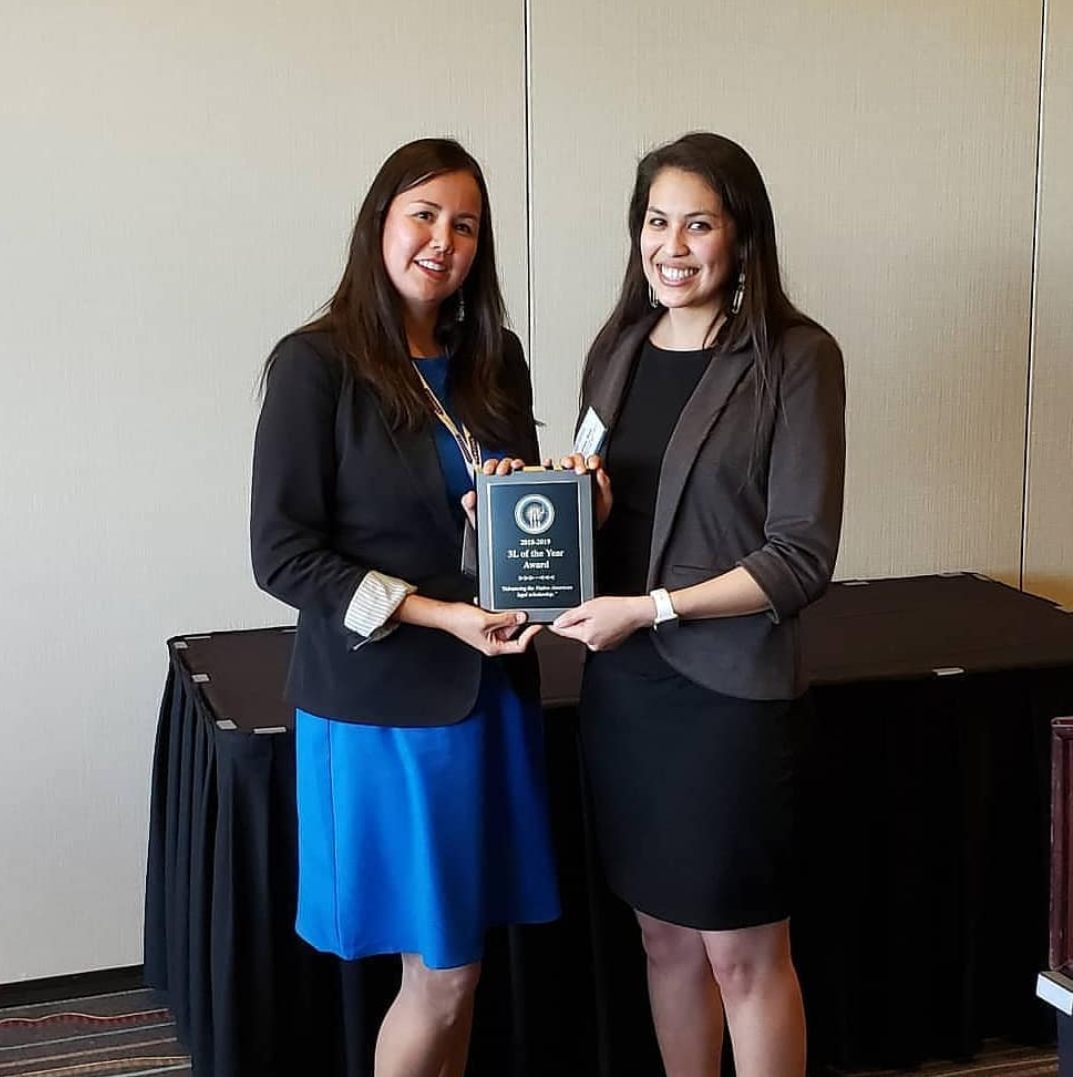
Maurisa Bell grew up on the Wind River Reservation in Riverton, Wyoming. She is an enrolled member of the Eastern Shoshone Tribe and was also raised around her Northern Arapaho family. In 2015, she graduated from Montana State University in Bozeman, MT and completed the Pre-Law Summer Institute program during the summer of 2016. While in law school, Maurisa served as Vice President and Treasurer for the MSU-NALSA, an Area representative for National-NALSA, and volunteered as a student mentor for the Indigenous Law and Policy Center.
She spent her summers in Washington, D.C. working for the Department of Justice’s Office of Tribal Justice; the National Indian Gaming Commission; and Dentons, US LLP in their Native American Law and Policy practice group. She is a dedicated and driven leader who, in just a few weeks, will graduate from the Michigan State University College of Law.
Maurisa will work for Dentons upon graduation, pursuing her passion in helping tribes and tribal communities.
Congratulations, Maurisa!


You must be logged in to post a comment.