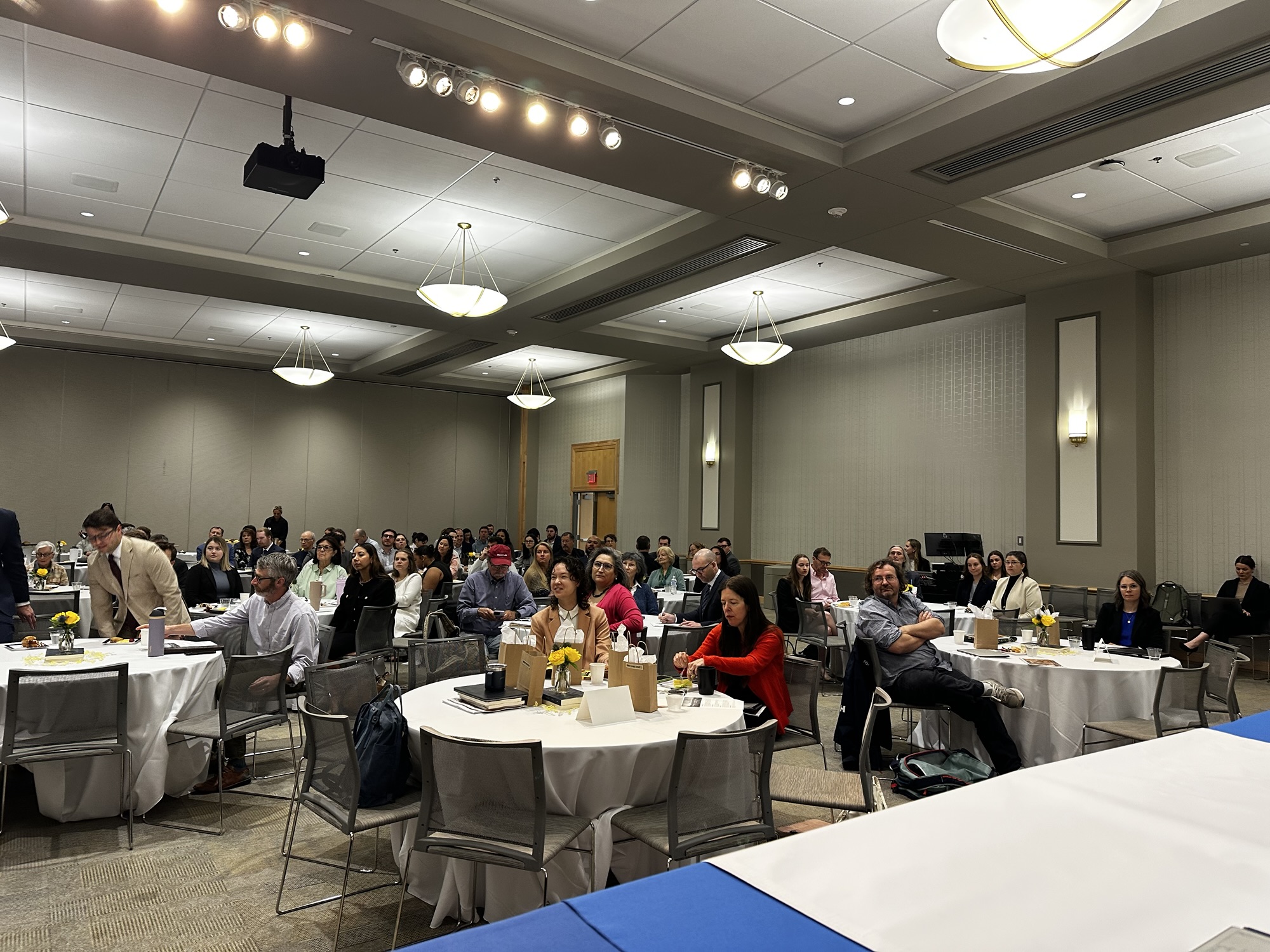
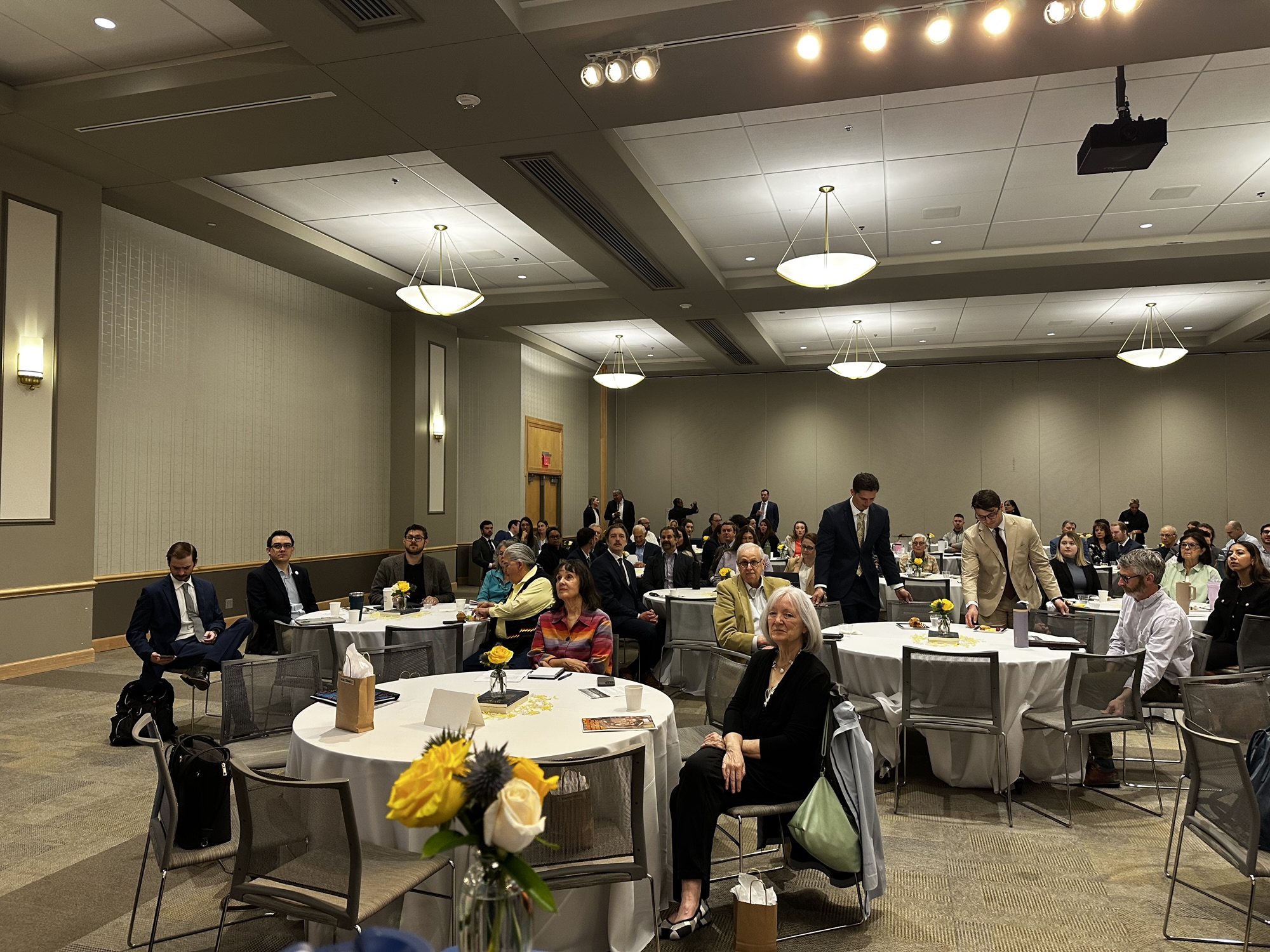
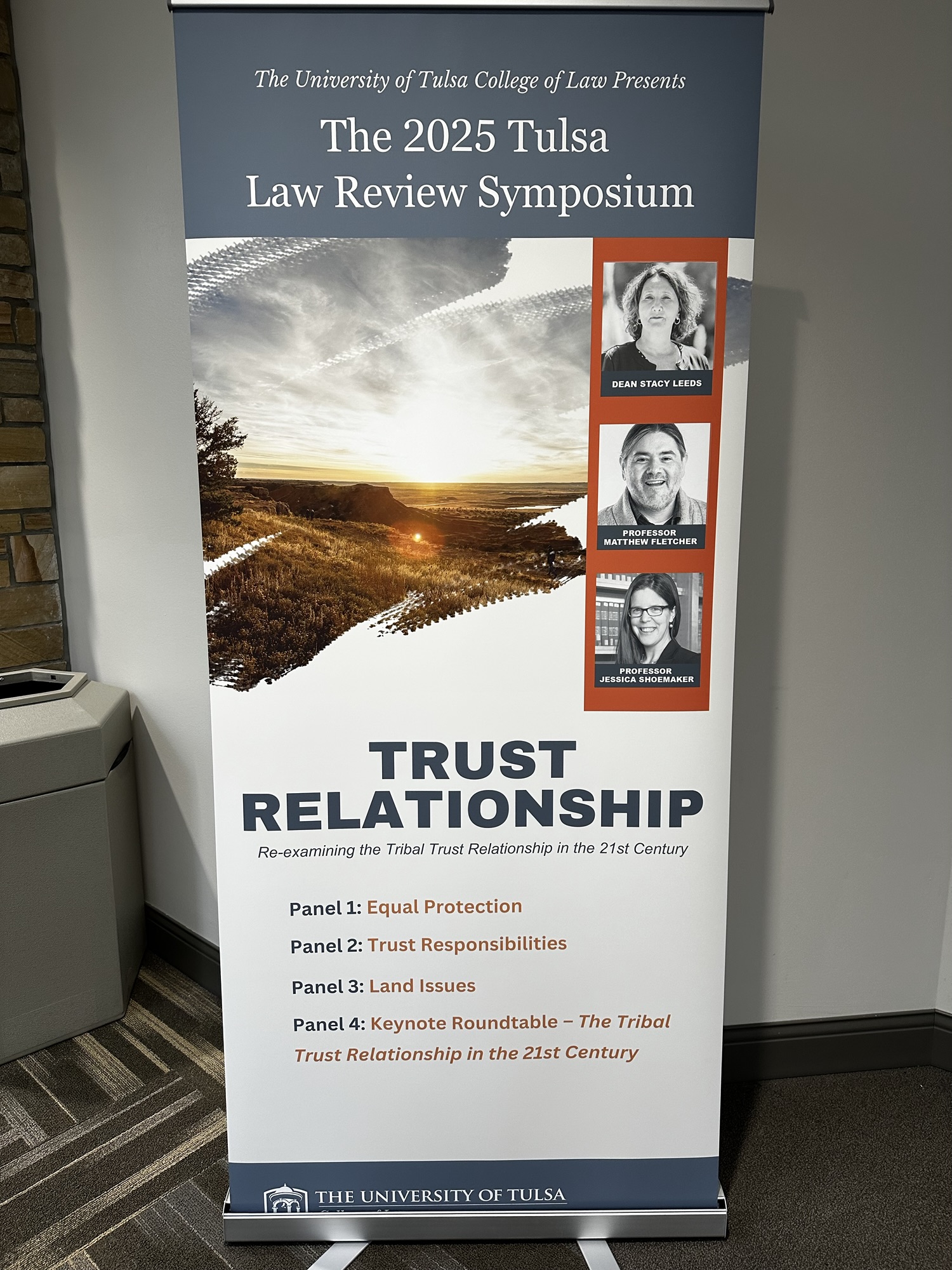
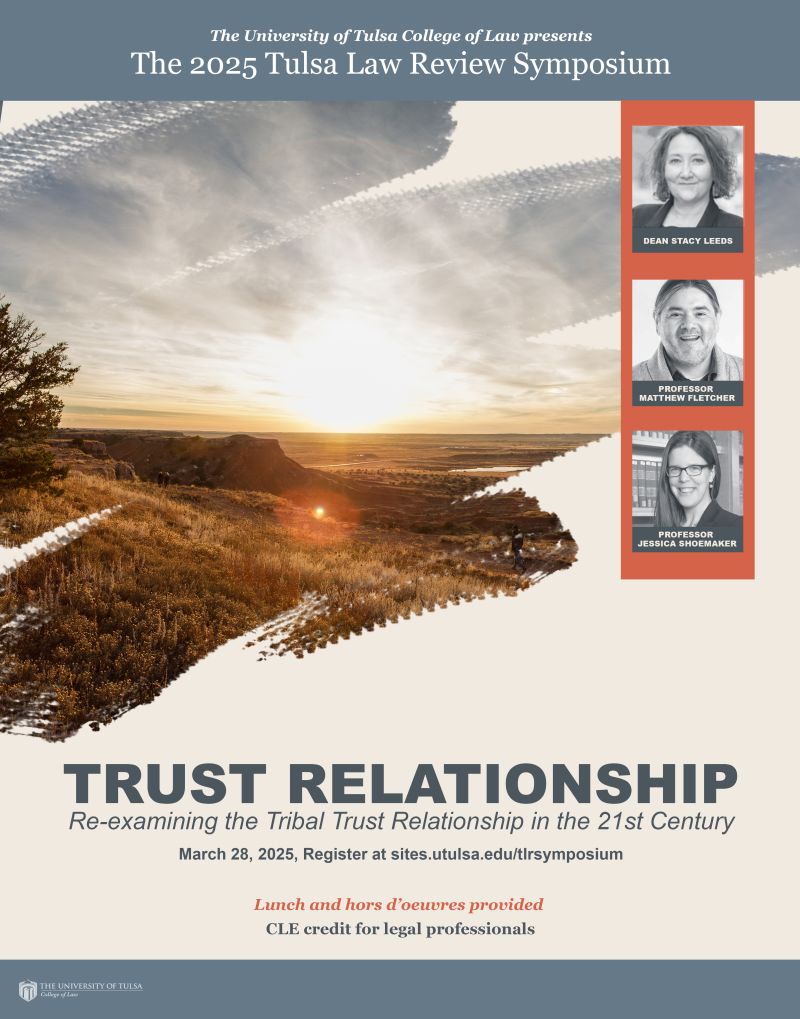
Tulsa Law Review Symposium Lunch Talk

Dean Stacy Leeds
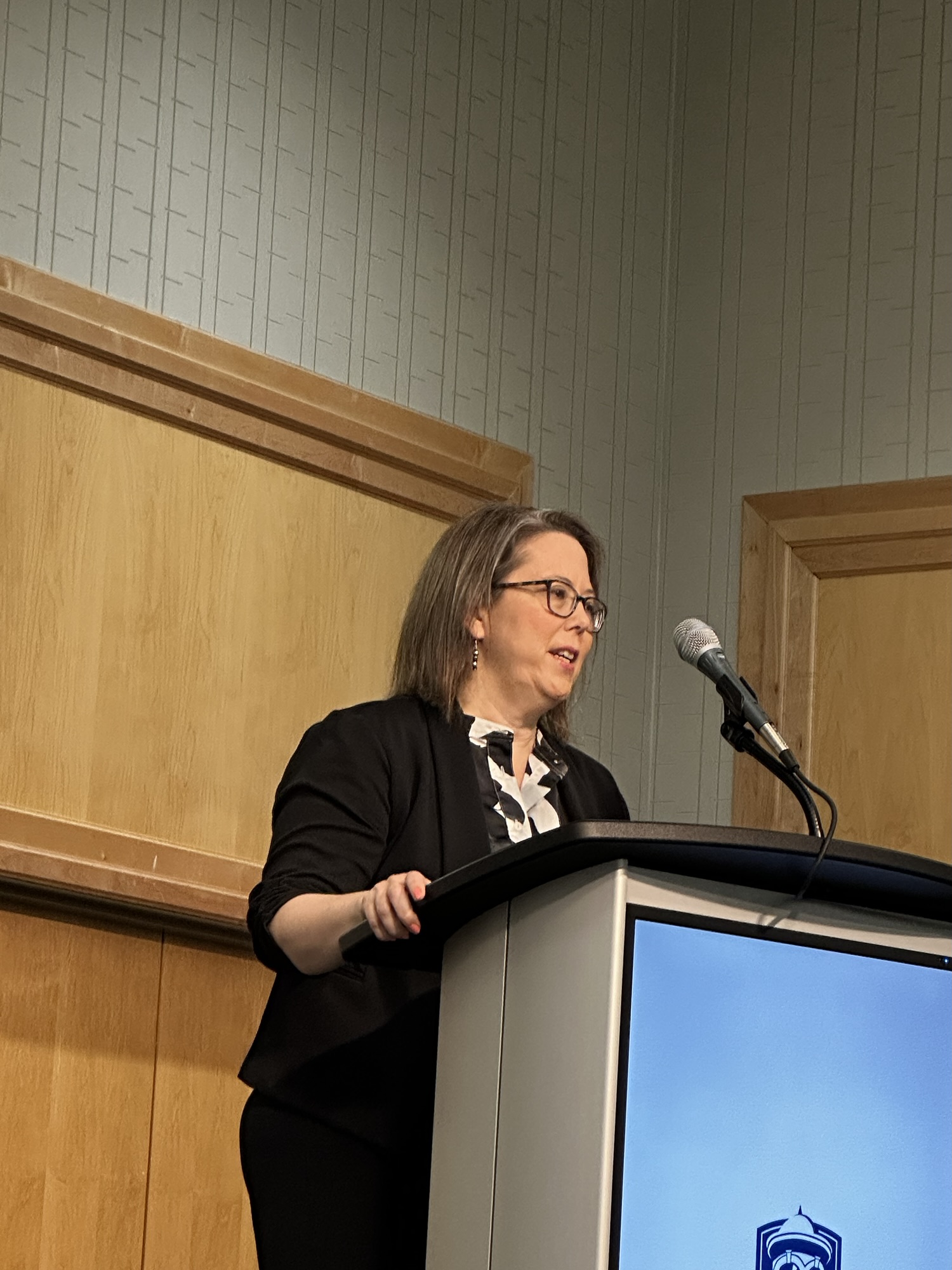
Judge Sara Hill
These are not pics from the lunch, ‘cuz there was a food fight and it got messy.

Tulsa Law School Indian Law Symposium Morning Panels

Marc Roark, Alex Pearl, Torey Dolan, MF
Laura Jones, MSU ILPC Alum
Adam Crepelle
Vicki Limas, Wilson Pipestem, Phil Tinker, Daniel Carter

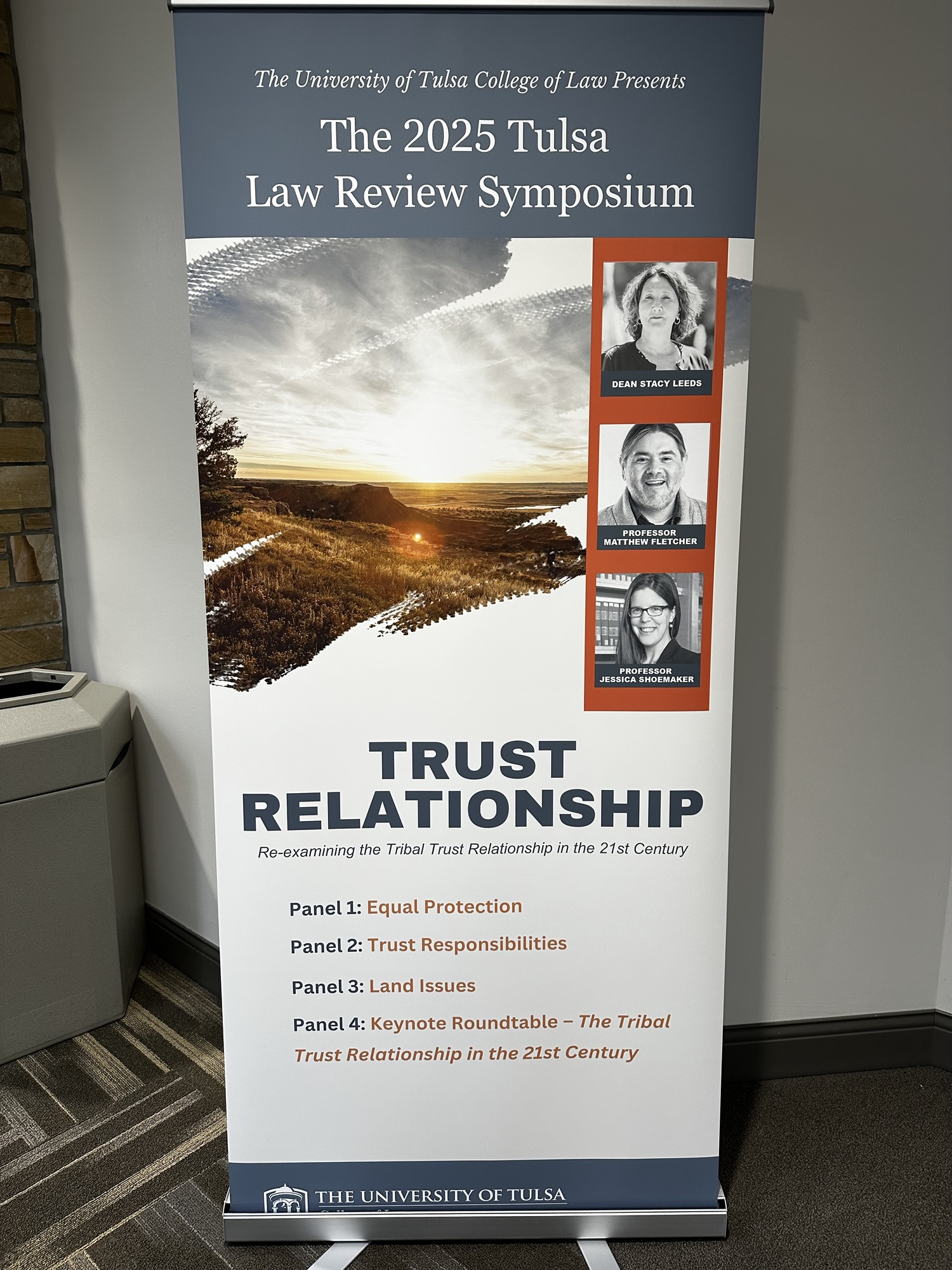
Tulsa Law Review Symposium, March 28, 2025

Tulsa Law Review Indian Law Symposium Issue

Here are the Indian law articles:

Article

PDF

Restoring Oklahoma: Justice and the Rule of Law Post-McGirt
Sara E. Hill

PDF

Digital Economic Zones: A Program for Comprehensive Tribal Economic Sovereignty
W. Gregory Guedel and Philip H. Viles Jr.

PDF

Lessons Learned, Lessons Forgotten: A Tribal Practitioner’s Reading of McGirt and Thoughts on the Road Ahead
Stephen H. Greetham

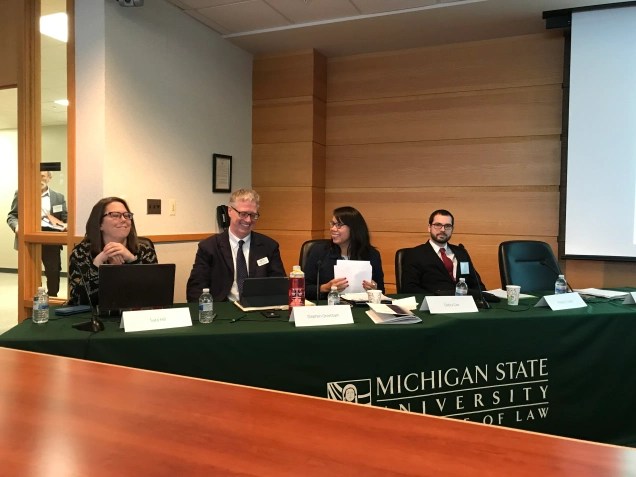
Blast from the distant past (2018), Sara and Stephen on the left prepping for a TICA panel on what was then known as Murphy v. Carpenter.

Tulsa Law Review Symposium on McGirt

Here:

PDF

Introduction
Mary Kathryn Nagle

PDF

The Past May Be Prologue, But It Does Not Dictate Our Future: This Is the Muscogee (Creek) Nation’s Table
Jonodev Chaudhuri

PDF

Reflections on McGirt v. Oklahoma: A Case Team Perspective
Riyaz Kanji, David Giampetroni, and Philip Tinker

PDF

The Indian Treaty Canon and McGirt v. Oklahoma: Righting the Ship
Lauren King

PDF

A Wealth of Sovereign Choices: Tax Implications of McGirt v. Oklahoma and the Promise of Tribal Economic Development
Stacy Leeds and Lonnie Beard

PDF

The Sky Will Not Fall in Oklahoma
Clint Summers

Casenote/Comment

PDF

A Coherent Ethic of Lawyering in Post-McGirt Oklahoma
Julie Combs

Other

PDF

Reclaiming Our Reservation: Mvskoke Tvstvnvke Hoktvke Tuccenet (Etem) Opunayakes
Sarah Deer

Stacy Leeds and Lonnie Beard on the Tax Implications of McGirt v. Oklahoma

Stacy Leeds and Lonnie Beard have posted “A Wealth of Sovereign Choices: Tax Implications of McGirt v. Oklahoma and the Promise of Tribal Economic Development,” forthcoming in the Tulsa Law Review, on SSRN. Here is the abstract:

Justice Neil Gorsuch’s now famous opening line in McGirt v. Oklahoma will long be remembered by Indigenous nations as one of the most powerful judicial statements in the history of federal Indian law. “On the far end of the Trail of Tears was a promise.”

For that promise to be fully realized, the McGirt decision must lead to more than just increased criminal justice system responsibilities for the federal government and the impacted Indigenous nations, collectively known as the “Five Tribes.” The promise at the end of the wholesale removal and relocation of Five Tribes was not simply an empty promise of geographic boundaries, it also included a permanent homeland with fully functioning tribal governments, including powers of taxation. With the re-affirmation of reservation boundaries and the re-assumption of many governmental responsibilities, the Five Tribes necessarily have the power to raise meaningful revenue to govern.

The promise must also include diverse economic development strategies conceived of and implemented by the Five Tribes in order to take advantage of and fully realize McGirt’s newly reaffirmed reservation status. If this challenge is accepted, the Five Tribes have an opportunity to reconfirm and expand government powers that have been denied them for over a century, including the power to make the same sovereign tax choices afforded other sovereigns worldwide.

This article explores the tax implications of the McGirt decision with detailed analysis of what has changed, and what remains the same, for purposes of federal, tribal and state taxing authority. The article suggests several law and policy choices available to the Five Tribes, including how to maximize tax incentives to grow the reservation population base and support a diverse economy through small business and enterprise scale development. The article includes a call to action for tribal governments to formulate a long-term economic strategy that will take advantage of tax attributes that attach to the various reservations. In conclusion, the article suggests possible compact arrangements with other Indigenous nations and with Oklahoma’s state and local governments.

McGirt has been heralded as ushering in substantial changes for the eastern half of Oklahoma. If tribes and Oklahoma play their collective economic cards right, big change could come in the form of positive economic outcomes. Economists predict, or at least hope for, a post-COVID economic revival for rural communities in America’s heartland. To assist in this economic revival, the Five Tribes’ reservations could serve as laboratories for the formulation of economic development strategies that could serve as blueprints for other parts of rural America. For that to happen in eastern Oklahoma, McGirt will need to live up to its full potential, becoming much more than an overturned criminal conviction from inside Indian country.
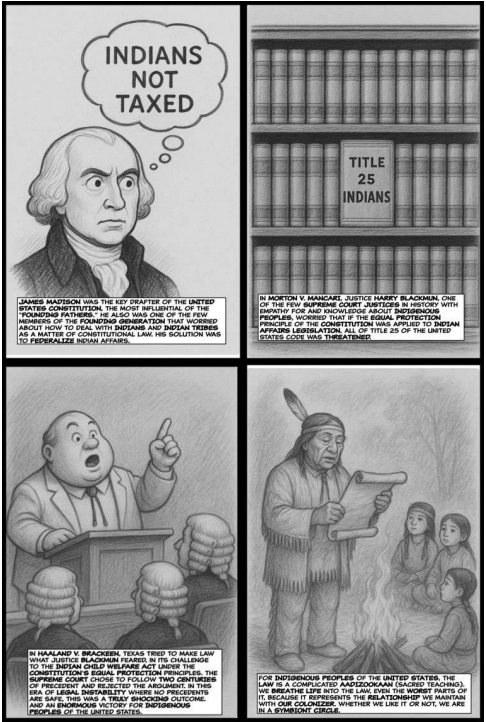
New Paper on the Impact of Indian Law Scholarship

Grant Christensen (The University of North Dakota) and Melissa L. Tatum (University of Arizona – James E. Rogers College of Law) have posted “Reading Indian Law: Evaluating Thirty Years of Indian Law Scholarship,” forthcoming in the Tulsa Law Review.

Here is the abstract:

This article surveys thirty years of law review articles and compiles a formal ranking system to create a list of the 100 most influential Indian law scholarly pieces from the last thirty years. As Indian law has grown from a niche field offered by a couple schools to a robust legal discipline it is now impossible for the thousands of professors, students, practitioners, and judges to identify the most important pieces published each year. This piece, with its first of its kind approach to ranking Indian law scholarship, has the potential to not only highlight other important works but to become an article that is itself the focus of conversation.

Kevin Bruyneel: “Review Essay on Seema Sohi’s Echoes of Mutiny and Suzan Shown Harjo’s Nation to Nation”

Kevin Bruyneel has published “Review Essay on Seema Sohi’s Echoes of Mutiny and Suzan Shown Harjo’s Nation to Nation” in the Tulsa Law Review.

New Indian Law Scholarship in the Tulsa Law Review

Here:

Phil Tinker on Tribal Authority to Regulate Nonmember Conduct in Indian Country

Phil Tinker has posted his paper, “In Search of a Civil Solution: Tribal Authority to Regulate Nonmember Conduct in Indian Country,” forthcoming in the September 2014 issue of the Tulsa Law Review.

Here is the abstract:

Violence in Indian Country is epidemic. Tribal governments, which ostensibly have primary responsibility for keeping the peace within their territory, are hampered by restrictive federal laws that prohibit Tribes from exercising criminal authority over non-Indians. This is so even where those non-Indian lawbreakers live on the reservation and commit acts of violence against tribal members. Instead, the federal government is responsible for investigating and prosecuting most on-reservation crime. This irrational system is the product an archaic federal policies dating back to the 19th century that have never been adequate to protect Indian communities.