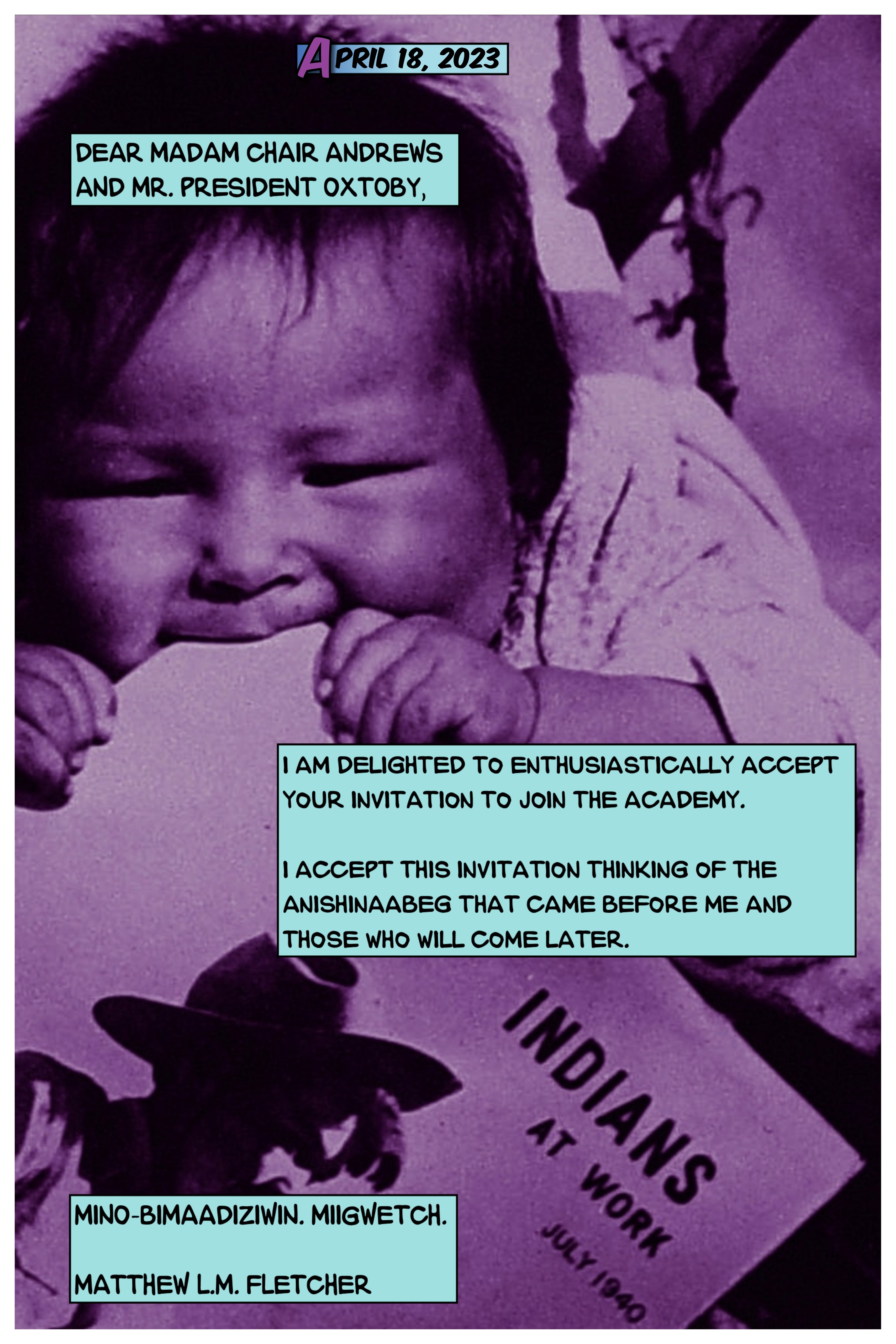
Here’s my acceptance letter:
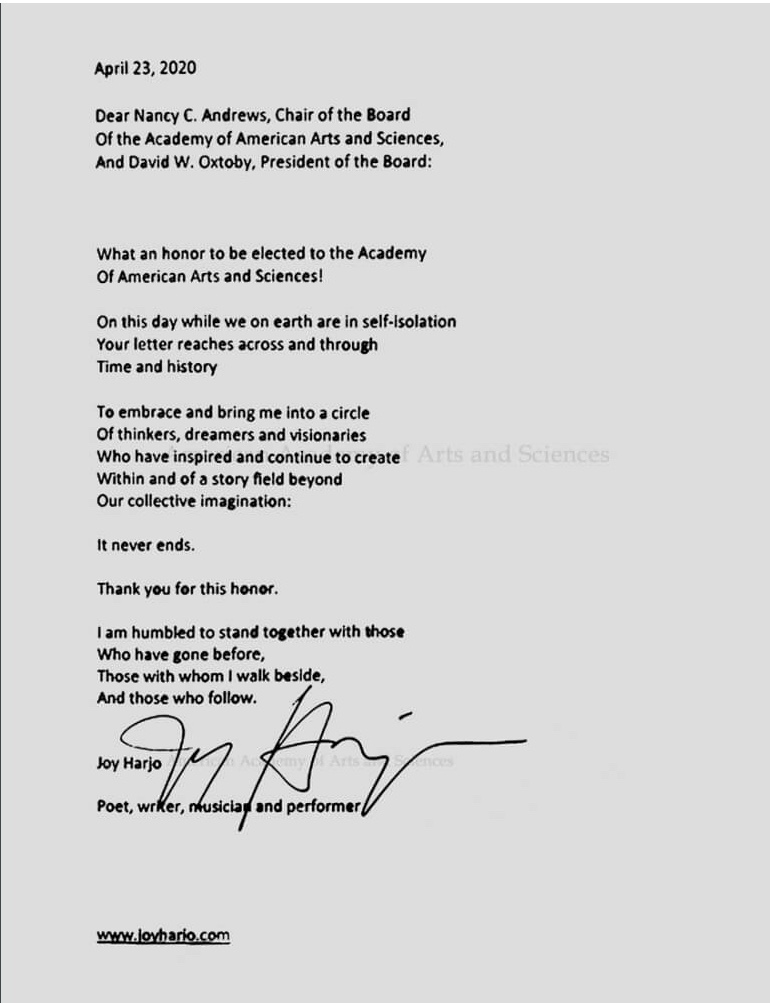
Not as cool as Joy Harjo’s letter from a few years back:
Here’s my acceptance letter:
Not as cool as Joy Harjo’s letter from a few years back:
Here are the materials in Pawnee Nation of Oklahoma v. Zinke (N.D. Okla.):
Friends –
Please join Greenberg Traurig LLP for “Donuts and Deep Thoughts with Walter Echo-Hawk” at 7:00 a.m. on Friday April 11 at the Buffalo Thunder Resort at Pojoaque Pueblo, in the Vista Room. GT will be welcoming early risers participating in the Federal Bar Association Indian Law Conference with the chance to hear from Walter Echo-Hawk about his latest book, In the Light of Justice: The Rise of Human Rights in Native America and the UN Declaration on the Rights of Indigenous Peoples. Donuts and coffee will be free and Walter will speak probably around 7:30 a.m. Friday morning. Please come join us and warm up for a great day at the Conference!
Speaking about his book In the Light of Justice.

Join us for our third (and final) Spring Speakers Series event today, March 13th, at the MSU Law College.

Walter Echo-Hawk’s new book, In the Light of Justice: The Rise of Human Rights in Native America & the UN Declaration on the Rights of Indigenous Peoples, with a foreword by James Anaya, will be published this August.
Echo-Hawk and Anaya are doing a book launch event on June 12 at the annual conference of the Association of Tribal Archives, Libraries, and Museums held at Santa Ana Pueblo.
THE 10 WORST INDIAN CASES EVER
By James Botsford
Finally someone has written a book that shines a light into the dark corners of the Supreme Court’s thievery of the rights of Native America. Did you ever wonder by what quiet sleight-of-hand huge dimensions of the inherent rights and cultures of Native people disappeared or were radically reduced? Turns out some of the worst damage ever done to the original people came from the highest level of the judicial branch… the Justices of the U.S. Supreme Court who historically have enjoyed (and cultivated) the perception that they are objective, neutral and above the fray of politics and ideology. Oh, if only it were true.
The book is In the Courts of the Conqueror, The 10 Worst Indian Law Cases Ever Decided. And this book isn’t written by just any old someone. It was painstakingly researched and written by Walter Echo-Hawk (Pawnee) who Vine Deloria Jr. once referred to as “the best Indian law attorney in America.” Echo-Hawk earned his chops as a staff attorney at the Native American Rights Fund for 35 years where he was personally involved in many of the biggest Indian rights issues of our time.
Echo-Hawk sets the bar high when it comes to intellectual honesty, cultural values and the ethics of legal analysis. From that perspective he walks us through what he believes are the ten worst Indian law cases ever decided. Scholars and activists will quibble over a few of his top ten (or is it bottom ten?), but they’ll risk missing the bigger point, which is the devastation of these decisions as they change the course of history.
Based on numbers of hits, and a nice review of the year, here is the First Top Ten Indian Law Stories of the Year:
Honorable mentions include the indictment of former Sault Ste. Marie tribal official Fred Paquin; Walter Echohawk’s new book; federal court challenges to consecutive sentences by tribal courts; the Saginaw Chippewa reservation boundaries settlement, and the passing of Phil Frickey.
Update (2:30 PM): Obviously, as Alex Skibine noted in the comments section, the Cobell settlement was a huge story for the year, while probably happening too late in the year to generate enough hits to make the top ten list. Same goes for President Obama’s announcement of support for the UN DRIP.
Oklahoma City, OK – Acclaimed Pawnee attorney, activist, and author Walter R. Echo-Hawk will present his book In the Courts of the Conqueror: The 10 Worst Indian Law Cases Ever Decided, at a book talk on Tuesday, September 21, 6:00 pm, at the Oklahoma Heritage Association Museum, 1400 Classen Boulevard, Oklahoma City. The program is co-sponsored by the Association of Tribal Archives, Libraries, and Museums, Crowe & Dunlevy, the Oklahoma Department of Libraries, the Oklahoma Museums Association, and the Oklahoma Heritage Association.
 Turtle Talk
You must be logged in to post a comment.