For more than one hundred years, U.S. policies and practices separated Native American children from their families. Prior to 1978, when the Indian Child Welfare Act went into effect, Native American children were regularly plucked from their homes and sent to live with non-Natives. Some children grew up surrounded by love; others suffered enormous hardships. Many had a powerful desire to reconnect with the culture that they had lost.
In “Lost Birds,” we profile four adopted women who sought out their Native American roots
Author: Victoria Sweet
In Memory of Tillie Black Bear
Tillie Black Bear, a tireless advocate for Native Women, passed away Saturday evening, July 19. Tillie’s work inspired so many and our hearts are with all those she left behind.
NIWRC has made a documentary about the White Buffalo Calf Woman Society available on YouTube. Tillie was one of the founding mothers of this society.
Link to the video available here.
Miigwech for all that you did Tillie Black Bear
Ambassador Keith Harper Delivers Joint Statement on Eliminating Violence against Indigenous Women and Girls
Delivered June 24, 2014 in Geneva on behalf of 35 nations.
Link to statement here.
H/T to the Indian Law Resource Center
Summary and Pictures from Finland, Sacred Sites Conference
I was lucky to be invited to give a keynote presentation at an International Conference titled “Experiencing and Protecting Arctic Sacred Sites and Culturally Important Landscapes – Creating Partnerships with Mutual Respect”. The 3 day event was held at The Saijos Cultural Centre; the Siida Museum, and Saami Educational Institute, Inari, Lapland, Finland. The purpose of the workshop was to launch the multidisciplinary participatory educational research project “Indigenous Peoples’ Sacred and Cultural Sites – Building Partnerships for Safeguarding and Transmitting Unique Arctic Heritage for Future Generations (ISACUS)”.
The participants included elders, scholars, knowledge holders, poets, drum makers, story tellers, politicians, healers, and traditional singers from Saami Land, North America, Siberian tribes, Russian association of Indigenous Peoples, Komi Republic, Canada, Vienna, Germany, and Finland. Issues were addressed during the conference regarding the proposed diamond mine in Utsjoki (near an important Saami sacred site); a proposed mine near Jokkmokk, Sweden, which threatens traditional reindeer grazing grounds; vandalism and desecration at sacred sites in Finland, Canada, North America and Siberia; International Law; and also the revival of Indigenous culture and traditions around the world.
Look for publications as well as more collaborative projects in the future from this group as it works to both raise awareness and encourage collaboration to protect sacred sites in this region. Thanks to the organizers from Arctic Centre, University of Lapland; Arctic Law Thematic Network; Université de Montréal; Sámi Education Institute; Sámi Museum of Finland for this great event.
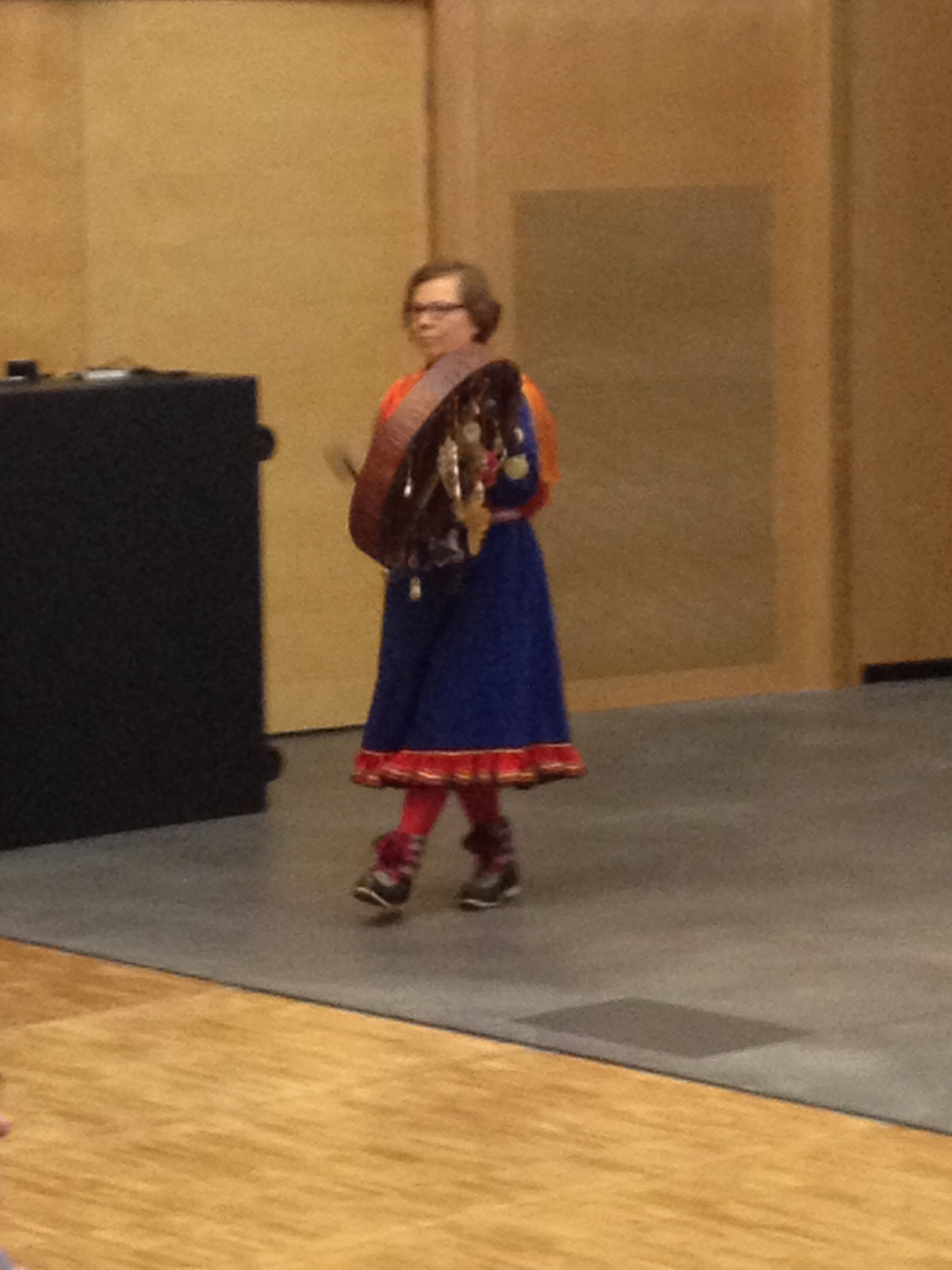
Traditional Saami drum maker playing for us in the opening session.
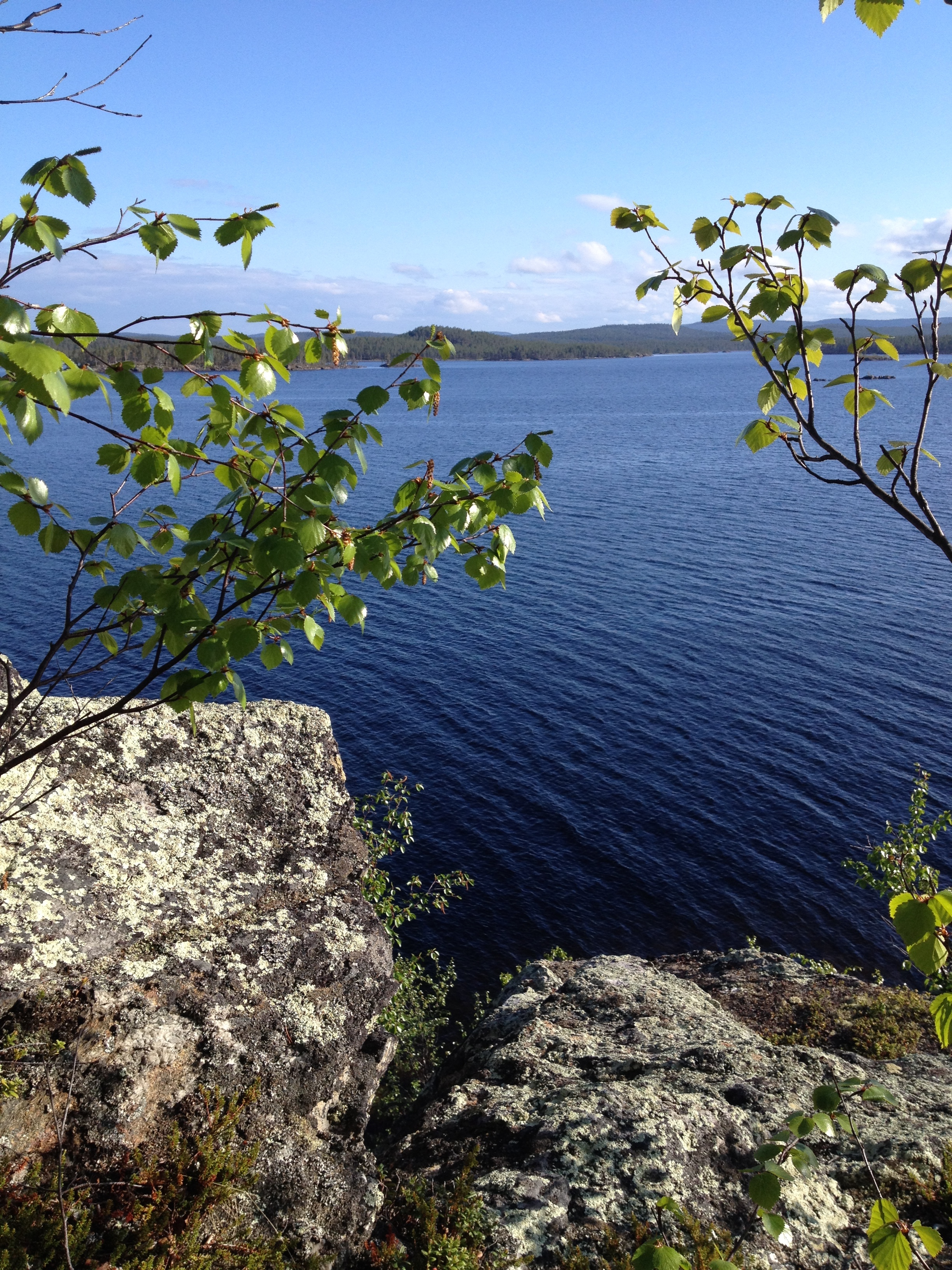
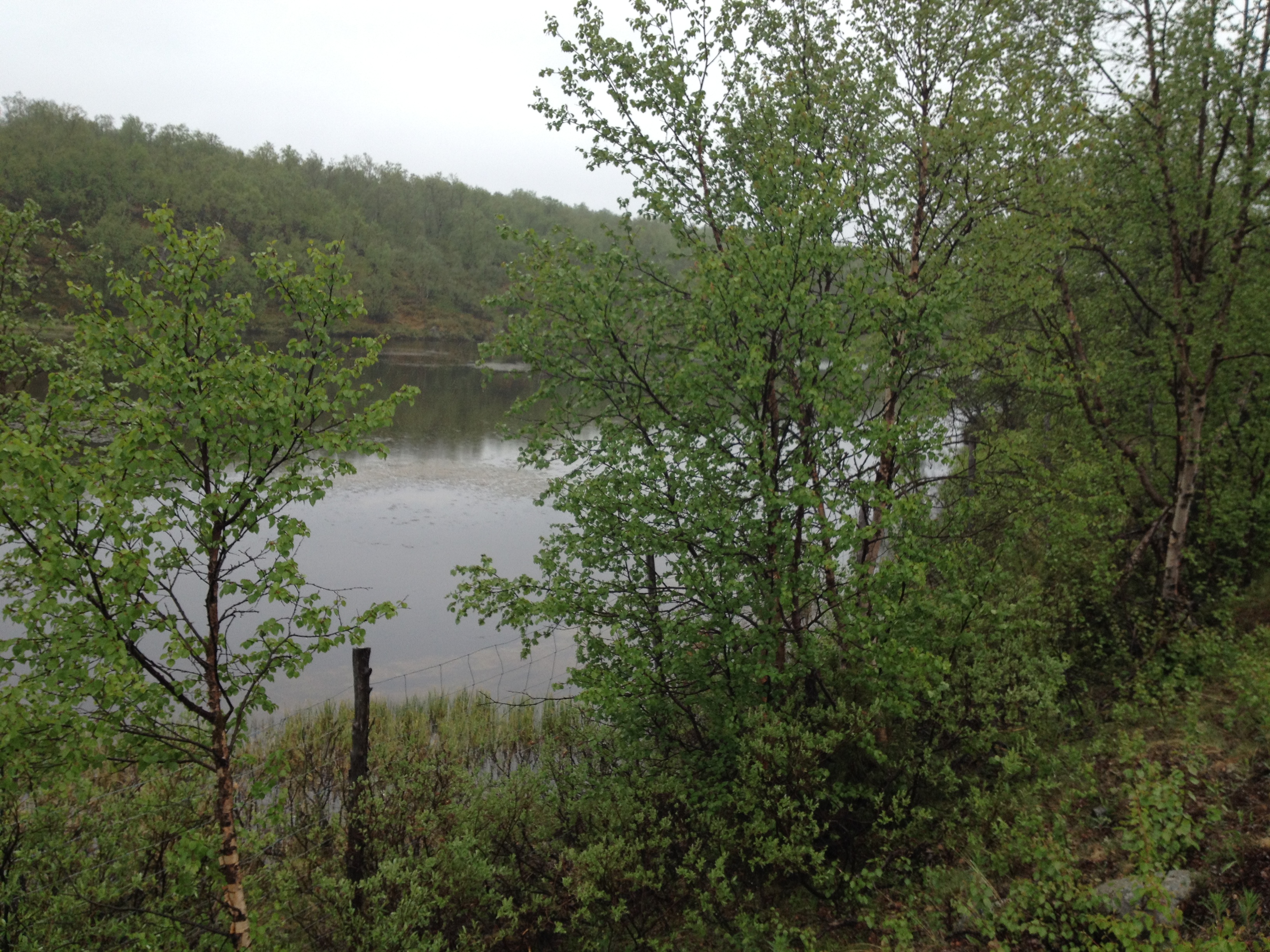
View from one of the sacred islands.
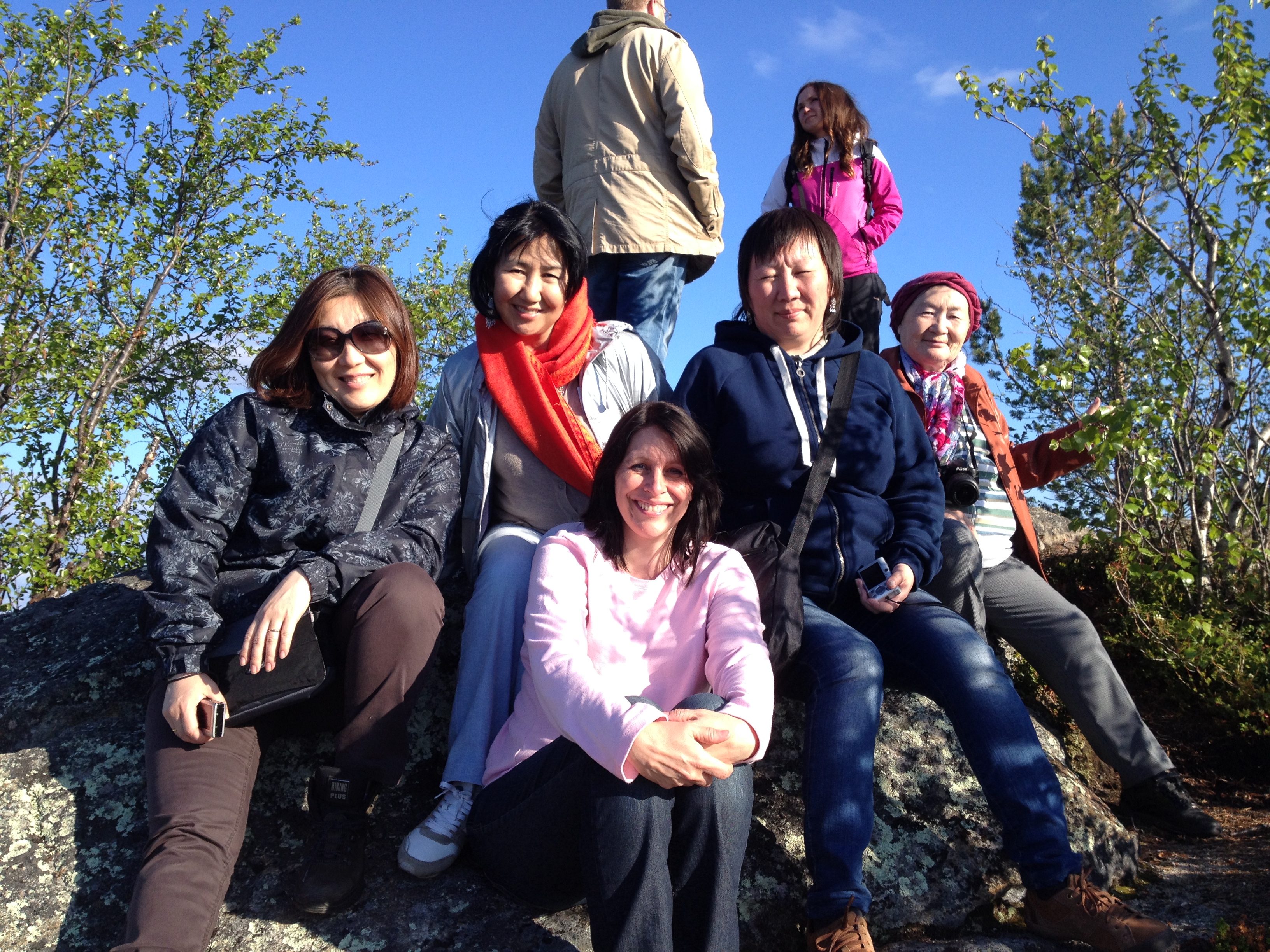
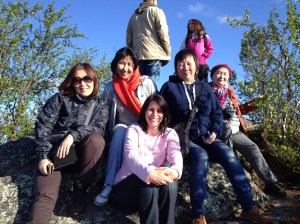
With some of my new friends from Russia.
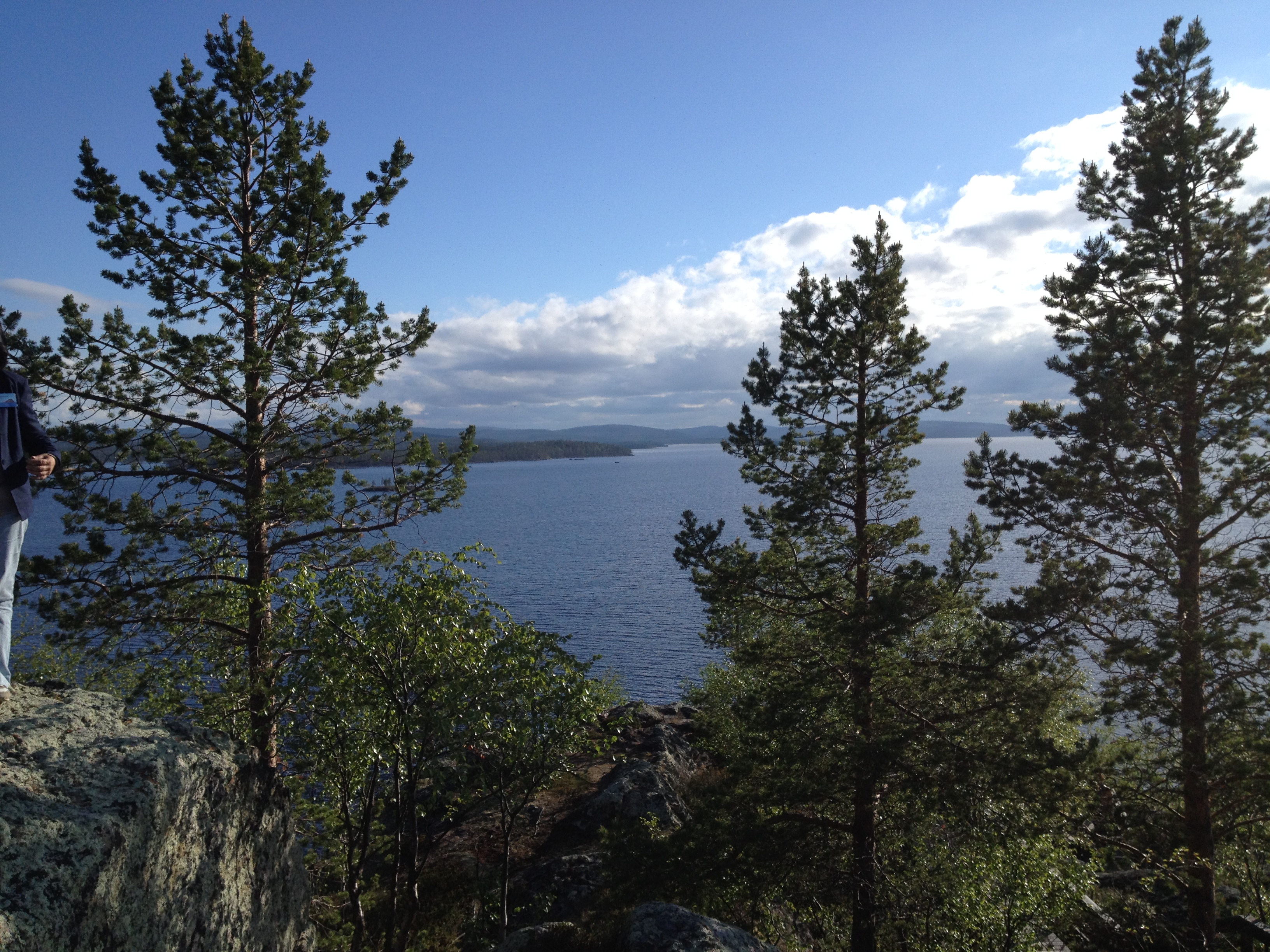
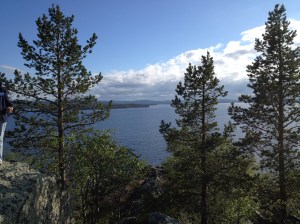
More beautiful views.
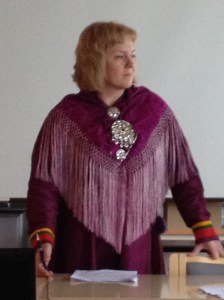
Demonstrating a traditional yoik (joik).
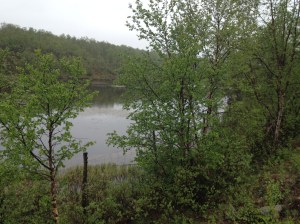
A sacred spring that is said to never freeze even in the coldest winter temperatures. Sweetest water I have ever tasted.
Young Finnish Saami posing in front of protest art, trying to raise awareness of the fight against mining developments within Saami territory that threaten sacred sites and traditional livelihoods.

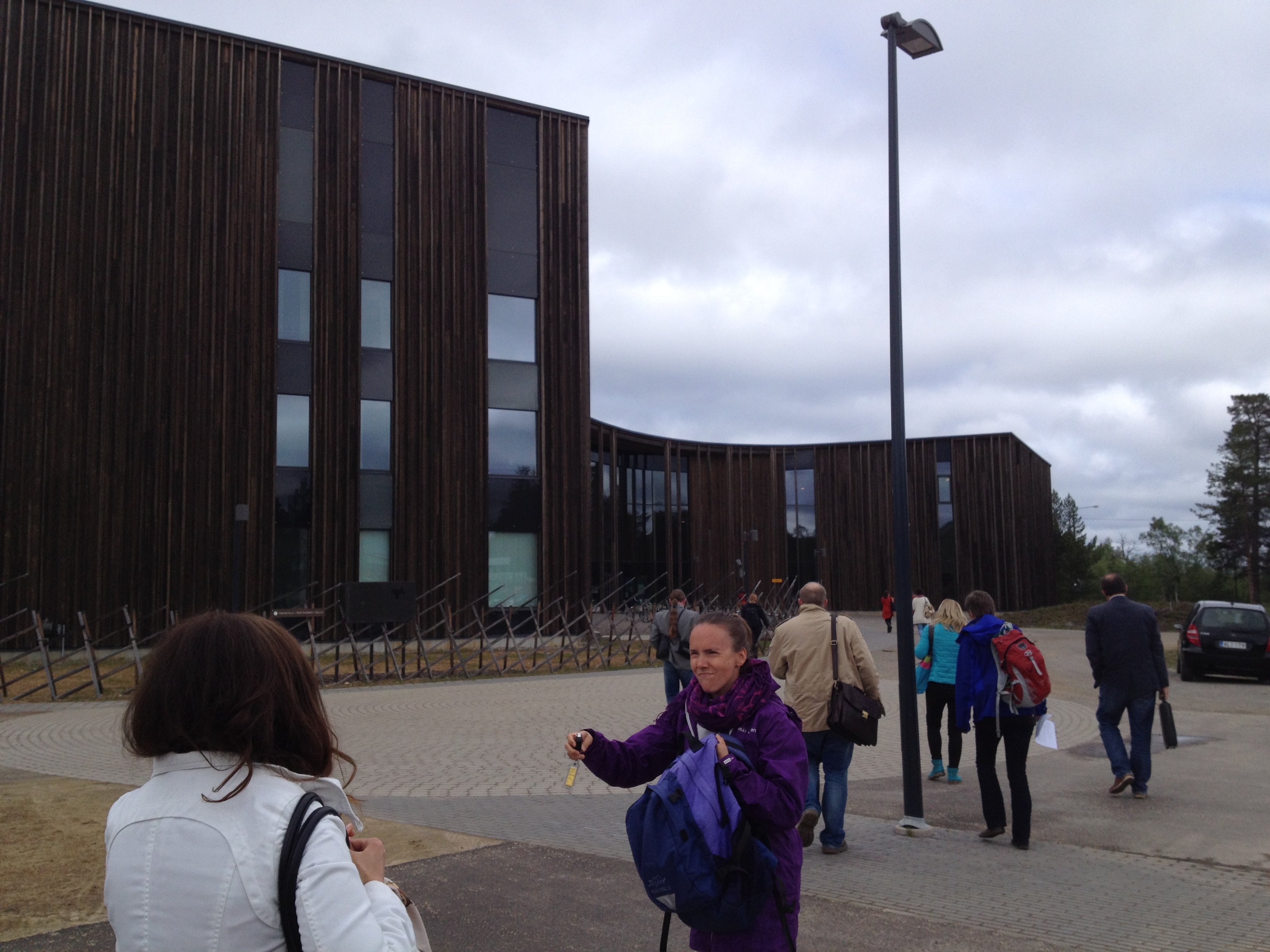
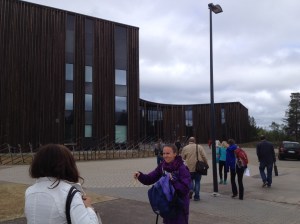
Outside of the Saami parliament building where keynote presentations were given on the first day.
NCJFCJ 77th Annual Conference, July 13-16, 2014
Join us in Chicago, Illinois for this year’s 77th Annual Conference featuring a wide range of juvenile and family law topics including child abuse and neglect, trauma, custody and visitation, judicial leadership, juvenile justice, sex trafficking of minors, family violence, drug courts, psychotropic medications, children testifying in court, detention alternatives, substance abuse, and the adolescent brain.
In addition, this year we are offering a preconference workshop, Special Consideration for Working with Adolescents with Substance Abuse Issues, designed for professionals working with juvenile justice involved youth who also have mental health, substance abuse, or trauma issues. Any juvenile court judges, juvenile drug court coordinators, attorneys, probation officers, case managers, and substance abuse treatment counselors are encouraged to attend.
Information available here.
“When Global Warming Kills Your God,” 23 Yup’ik Men Defying a Fishing Ban for Their Traditional Beliefs
This well-written article (link) paints a powerful picture about the devastating impact that a warming climate is having on Alaska Natives. Cited is the fact that an estimated 86% of Alaska Native villages will require relocation over the next 50 years because of climate changes.
In addition, the article looks at the case of 23 tribal members who were punished for defying a fishing ban. Briefs available here. Their case will be heard in the Alaska Court of Appeals, possibly sometime this summer. According to the article, “the fishermen’s civil disobedience has been framed as a First Amendment issue: The Yup’ik believe they have an obligation to continue their ancestral traditions.” In an amicus brief, the ACLU stated
A Yup’ik fisherman who is a sincere believer in his religious role as a steward of nature, believes that he must fulfill his prescribed role to maintain this ‘collaborative reciprocity’ between hunter and game. Completely barring him from the salmon fishery thwarts the practice of a real religious belief. Under Yup’ik religious belief, this cycle of interplay between humans and animals helped perpetuate the seasons; without the maintaining of that balance, a new year will not follow the old one.
While the trial judge appeared sympathetic, he still felt the state had sufficient reason for imposing the ban. It will be interesting to see how the court of appeals deals with this defense, particularly under current changing conditions.
There, [in the Court of Appeals] state-appointed judges will grapple with the same question the court faced in 1979, when an indigenous hunter named Carlos Frank was charged with illegally transporting a newly slain moose. Frank argued that he had needed the animal for a religious ceremony. Two lower courts found him guilty, but the Alaska Supreme Court reversed the verdict, calling moose meat “the sacramental equivalent to the wine and wafer in Christianity.”
This, in the end, is what’s at stake for the Yup’ik fishermen. Their villages may be swallowed up by the sea, but the people themselves won’t float away. They’ll relocate en masse or drift into the urban diaspora of Anchorage. But if they stop fishing king salmon, the Yup’ik believe they’ll lose something far more fundamental than their homes.
H/T to TH.
Sad Day – Last Original Navajo Code Talker Chester Nez Walks On
Thoughts go out to his family and friends. Gratitude for his service.
Story here.
Article on the use of banishment in the rural Alaska Native village of Tanana
After the recent shooting deaths of two Alaska state troopers, the village of Tanana has turned to banishment as a way of protecting the community. The use of banishment is very controversial, raising a host of legal questions, but the circumstances of this village demonstrate how few options community members feel that they have under current jurisdictional conditions.
Full article here.
The Tanana Village Council, the Athabascan Indian tribal authority in the village of 250, is taking steps to expel two men whose actions contributed to the homicides and who have threatened other community members, council Chairman Curtis Sommer said.
“This is the only way we have to remove individuals who are — how do we say it? — who are dangerous to members of the community,” Sommer said.
The action is infrequent in Alaska, and when it is used, some question whether a tribal entity has the right to limit access to a community otherwise governed by state law. Those who are banished rarely contest the action publicly, and it isn’t clear if banished residents go on to cause problems in other communities because no one tracks them. . . .
The state can’t afford to pay for law enforcement in small villages like this but they also refuse to let tribes have full authority over law enforcement, beyond an unarmed public safety officer, Kendall-Miller said. State troopers are flown in to deal with violence, but they can sometimes take days to arrive. . . .
Sommer concedes banishment is a “slippery slope.”
“It’s got to be very significant circumstances that would warrant this, either violent assaults or murder,” he said. “At what point do we draw the line on this? I do not know. I do know it’s not going to be used frivolously just to get back at someone.”
The village council will ask the state to enforce banishments. The Alaska Department of Law said it would carefully evaluate a banishment order. Kendall-Miller has seen unofficial support in the past.
“We have seen state police officers that have attempted to accommodate the tribal council’s blue ticket orders by helping to prevent individuals from coming back,” Kendall-Miller said. “It has been an informal arrangement that was done out of necessity.”
“If they do not enforce it, we will enforce it ourselves. We will get a group of men together and go to that person and tell him to leave and to not come back.”
H/T to SW.
White Earth Nation Taking over Human Services Cases from Surrounding Counties
In 2011, the Minnesota legislature authorized White Earth to take over all human services programs for tribal members and families in surrounding counties.
Bill text here.
With more tribes looking at options to provide more services for tribal members residing off reservations, it will be interesting to see how this implementation process will work for White Earth.
News coverage on the transfer here.
Before the transfer began, White Earth was offering some human services programs, including tribal child care assistance, child welfare programs, disability waivered services and food distribution programs.
However, people also qualified for several other programs that only the counties offered.
That meant a lot of back and forth and confusion for recipients who were juggling programs from different agencies.
The complete transfer – the first of its kind in Minnesota – will mean people will have their cases streamlined into one place where they can receive all benefits together.
Document with the transfer proposal for Mahnomen county cases here.
H/T to Adrea Korthase!
Article Recognizing the Contribution of Choctaw Code Talkers in WWI
Full Article Here
In the autumn of 1918, US troops were involved in the Meuse-Argonne Offensive on the Western Front. It was one of the largest frontline commitments of American soldiers in WW1, but communications in the field were compromised. The Germans had successfully tapped telephone lines, were deciphering codes and repeatedly capturing runners sent out to deliver messages directly.
“It was a huge problem and they couldn’t figure out a way around it,” says Matt Reed, curator of American Indian Collections at the Oklahoma History Center, the headquarters of the Oklahoma Historical Society.
The solution was stumbled upon by chance, an overheard conversation between two Choctaw soldiers in the 142nd Infantry Regiment. The pair were chatting in camp when a captain walked by and asked what language they were speaking. Realising the potential for communication, he then asked if there were other speakers among the troops. The men knew of Choctaw soldiers at company headquarters. Using a field telephone the captain got the men to deliver a message in their native tongue which their colleagues quickly translated back into English. The Choctaw Telephone Squad was born and so was code talking. . . .
But at the same time,the Choctaw language was under pressure back in the US. It was a time of cultural assimilation. Government attempts to “civilise” American Indians involved putting their children in state-run boarding schools, where they were often severely punished for speaking in their native tongue.
“You had this crazy situation where the Choctaw language was being used as a formidable weapon of war, yet back home children were being beaten at school for using it,” says Judy Allen, senior executive officer of tribal relations with the Choctaw Nation of Oklahoma. “The two soldiers who were overheard by the officer probably thought they were in trouble rather than about to provide the answer to the army’s communication problems.”


You must be logged in to post a comment.