“The racial group most likely to be killed by law enforcement is Native Americans, followed by African Americans, Latinos, Whites, and Asian Americans.”
Here is the report from the Center on Juvenile and Criminal Justice.
“The racial group most likely to be killed by law enforcement is Native Americans, followed by African Americans, Latinos, Whites, and Asian Americans.”
Here is the report from the Center on Juvenile and Criminal Justice.
Here are the materials in Alvarez v. Tracy:
From the court’s syllabus:
The panel affirmed the district court’s denial of a habeas corpus petition brought pursuant to the Indian Civil Rights Act, 25 U.S.C. § 1303 (ICRA), and 28 U.S.C. § 2241, in which Fortino Alvarez challenged convictions and sentences imposed by the Gila River Indian Community tribal court.
The panel declined to exercise jurisdiction over Alvarez’s claims and affirmed the denial of the habeas petition because Alvarez failed to exhaust his claims by bringing them first to the tribal courts, and did not demonstrate that unavailability or futility of direct appeal excuses the exhaustion requirement or that the Community’s appeals process did not comply with the ICRA.Although the Community failed to raise Alvarez’s lack of direct appeal in its motion to dismiss, the panel considered the defense under Wood v. Milyard, 132 S. Ct. 1826 (2012), and Granberry v. Greer, 481 U.S. 129 (1987), and concluded that the strong comity and judicial efficiency interests at stake warrant federal abstention.
Dissenting, Judge Kozinski wrote that the majority does not live up to its solemn responsibility to appear impartial, when it forgives the Community, which was represented by counsel, for failing to raise an exhaustion defense in district court or on appeal, but holds Alvarez to his single oversight of failing, while unrepresented before the Community court, to raise his jury trial and confrontation claims by way of a direct appeal. On the merits, Judge Kozinski would find that the Community violated Alvarez’s right to a jury trial under ICRA by failing to inform him that he needed to request a jury, a structural error fatally undermining the conviction.
Judge Kozinski added:
I have read the opinion many times and disagree with pretty much everything in it, including the numerals and punctuation. I explain why in the pages that follow, but first I pose a more basic question: How can a court committed to justice, as our court surely is, reach a result in which the litigant who can afford a lawyer is forgiven its multiple defaults while the poor, uneducated, un-counseled petitioner has his feet held to the fire? I attribute no ill will or improper motive to my excellent colleagues. They are fair, honorable and dedicated jurists who are doing what they earnestly believe is right. But we see the world very differently.
Here, from Hercules and the Umpire, and How Appealing.
Here.
Here is “From Broken Homes to a Broken System.“
Here are the materials in Cunningham v. Carlin (Nez Perce Tribal Court):
Cunningham Habeas Affidavits and Exhibits Set 1
Cunningham Habeas Exhibits Set 2
Cunningham Habeas Exhibits Set 3
Audio files are available, too — contact Quanah Spencer quanah@qspencerlaw.com.
Pre-meeting

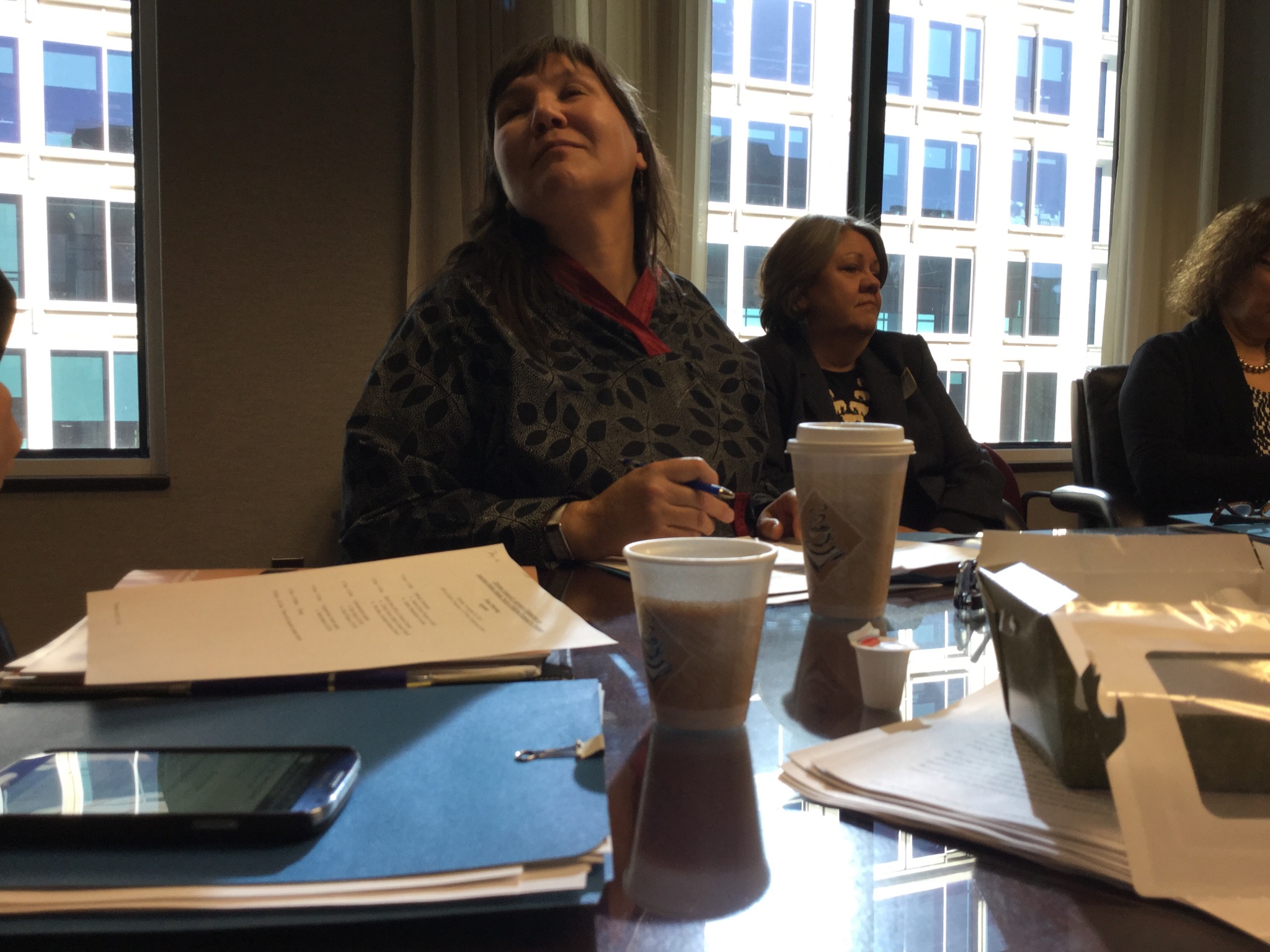

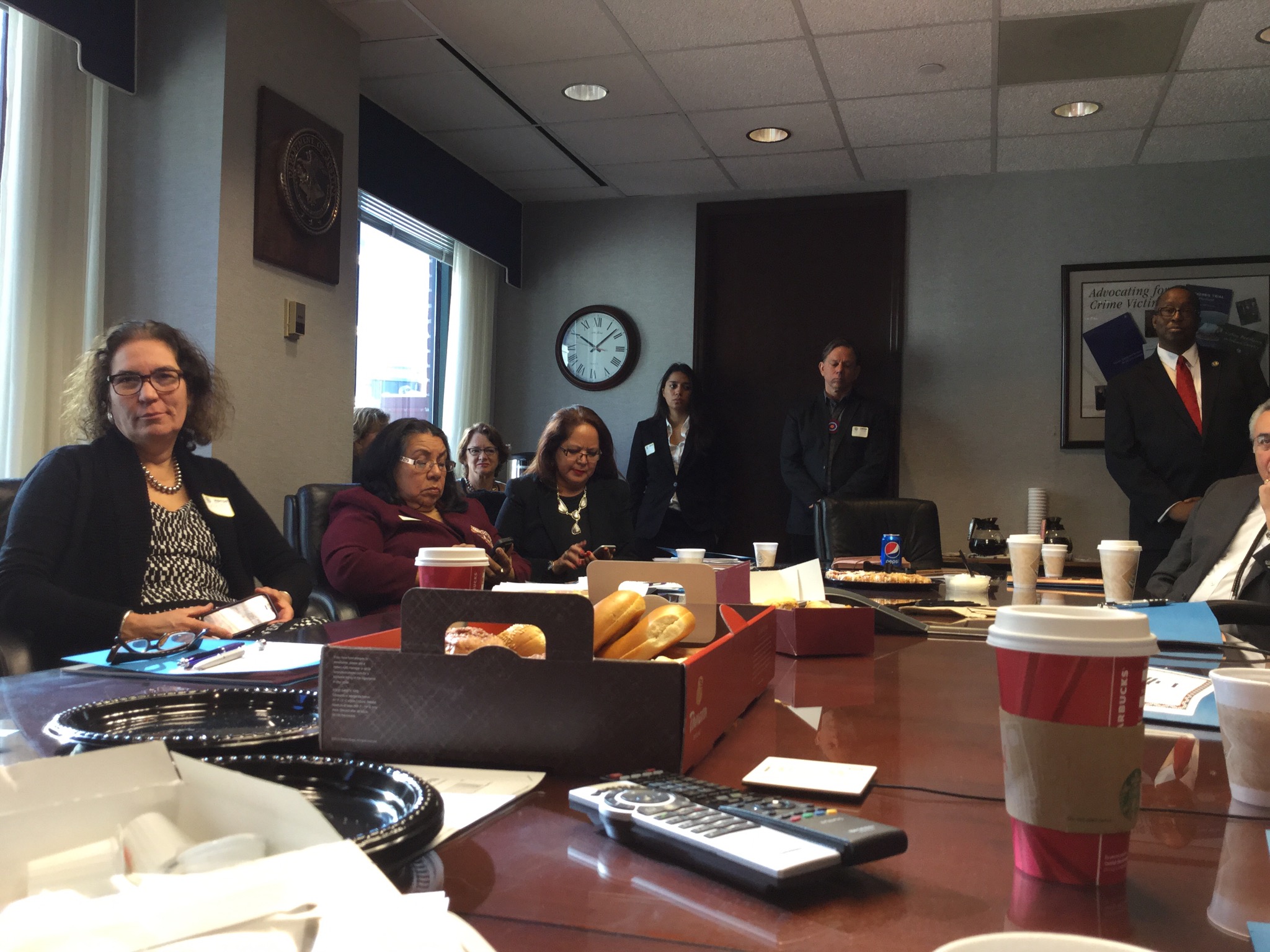
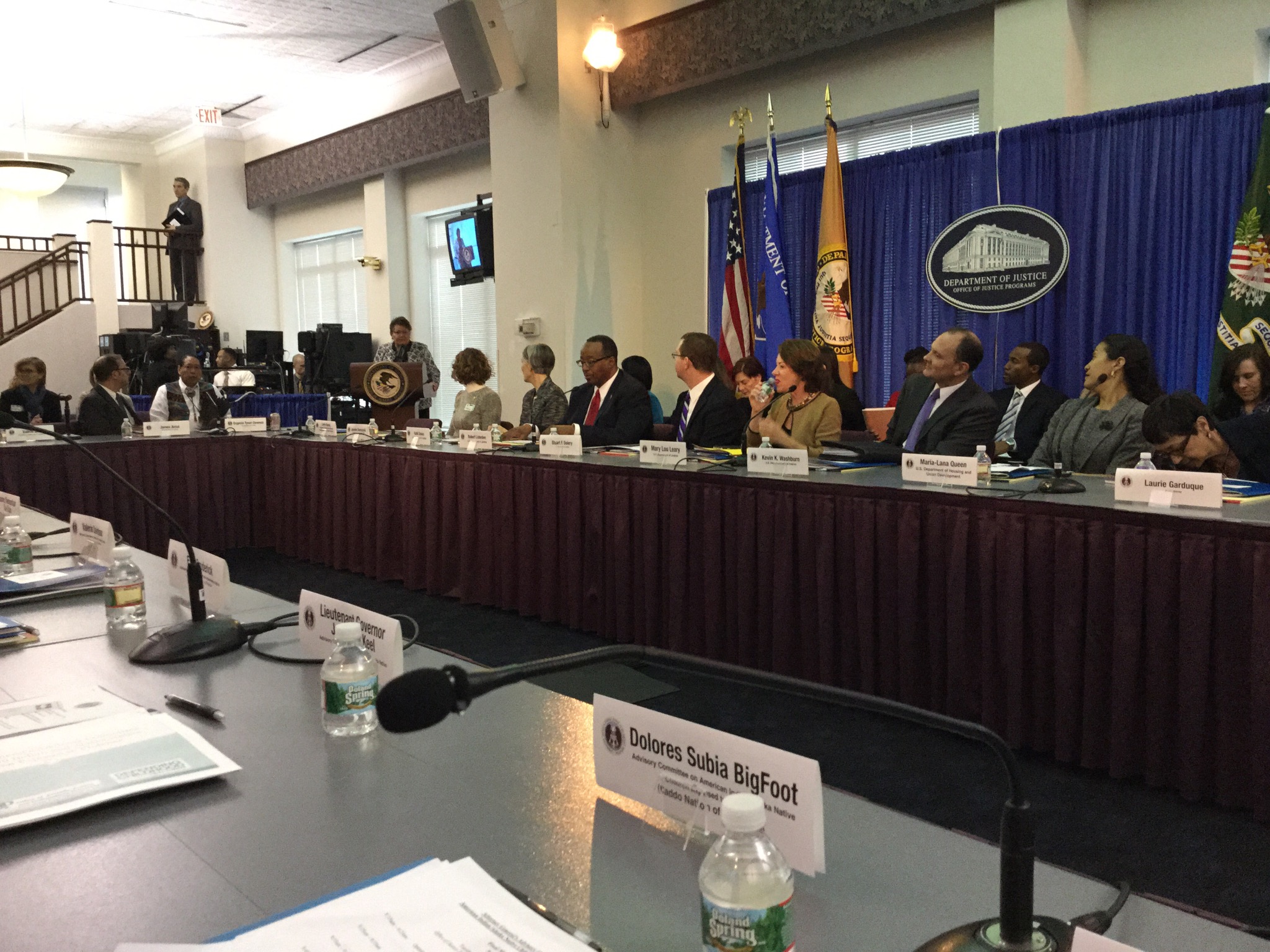
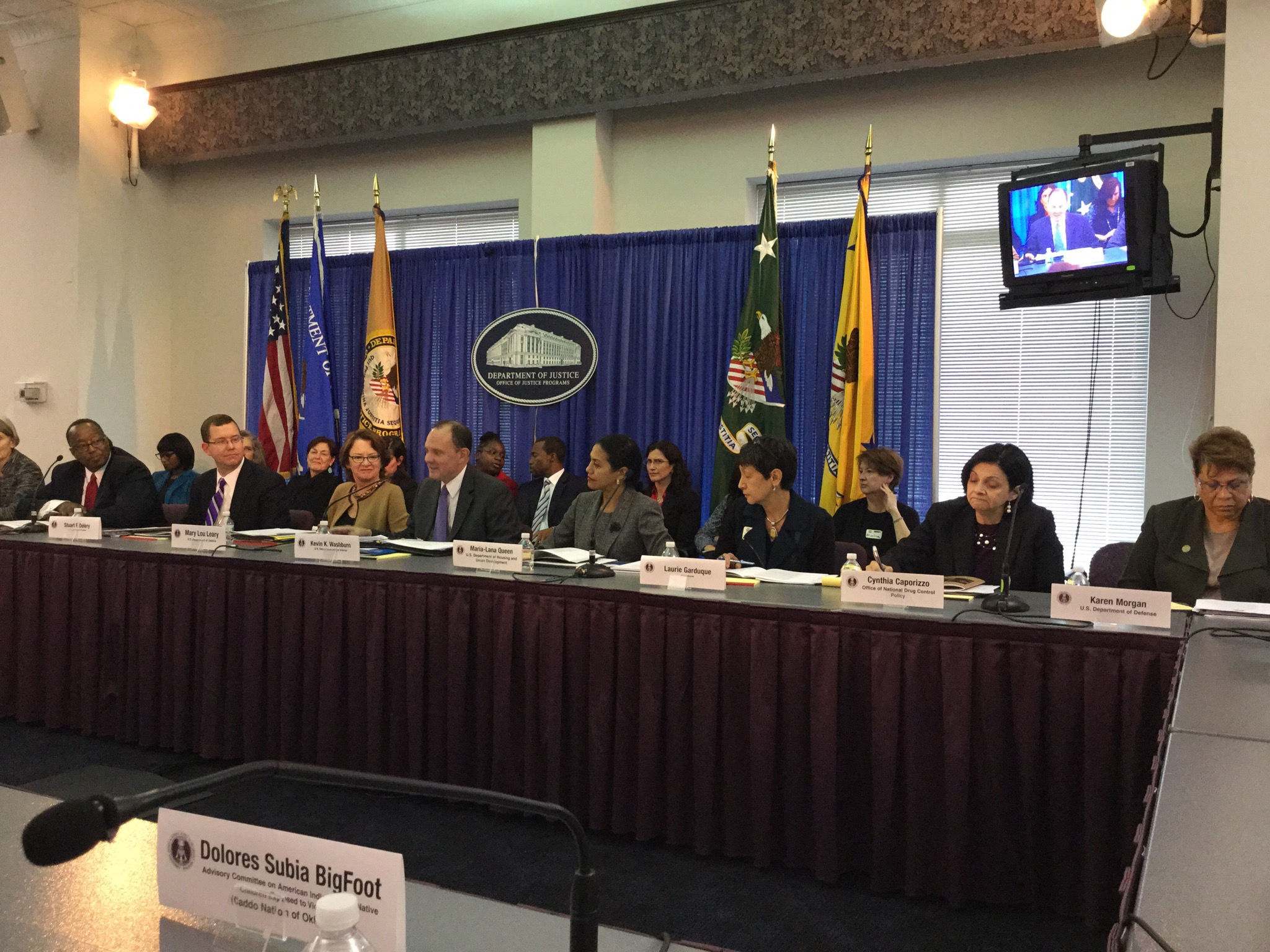
Meeting with Coordinating Council on Juvenile Justice and Delinquency Prevention

Amazing work!
Practical Guide to Implementing VAWA TLOA letter revision 3
Practical Guide VAWA CLE final version
Many thanks for Fred Urbina for sending this around.
 Turtle Talk
You must be logged in to post a comment.