Here:
Amicus Brief – International lawyers – Case of the Indigenous Maya Qeqchi Agua Caliente Community v Guatemala.pdfDownload
More details on the case here.
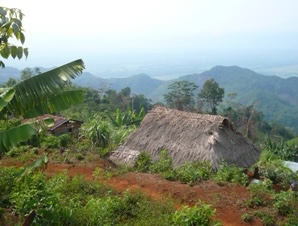
Here:
More details on the case here.
The United Nations Permanent Forum on Indigenous Issues is around the corner, April 26-May 6. Sign up today to join the Implementation Project for a series of online side events to preview the Forum’s agenda and consider applications for tribes in the U.S. https://un-declaration.narf.org/upcoming-webinars-on-the-united-nations/?fbclid=IwAR1oJfN_8n4NNhfBr1J1PseaJcupl34Bk-t7l4AdDdU2rNeD5PvWe2X2III

Here is the statement from the U.N. Special Rapporteurs.
From Nicole Friederichs:
Suffolk Law’s Human Rights and Indigenous Peoples Clinic secures victory for indigenous communities in Guatemala.
On Friday, December 17, the Inter-American Court of Human Rights ruled in favor of indigenous communities in Guatemala in the Case of Maya Kaqchikel indigenous community of Sumpango, et al. v. Guatemala. Suffolk University Law School’s Human Rights and Indigenous Peoples Clinic has been the legal representative of the four named indigenous communities in this case since 2012.
The Court ruled that the State of Guatemala violated the indigenous communities’ rights to freedom of expression and thought, culture, and non-discrimination by promoting a regulatory framework which prevented indigenous peoples from accessing radio frequencies to develop and operate community radio stations. The Inter-American Court ordered Guatemala to (1) adopt legislative and regulatory measures to ensure for the recognition of community radio, (2) reserve indigenous community radio as part of the radio spectrum and (3) to halt all government raids of existing indigenous community radio. This court victory culminates decades of advocacy by indigenous communities in Guatemala and indigenous organizations such as Cultural Survival, one of the petitioners in the case.
What is of particular significance is the Court’s recognition of indigenous peoples’ right to operate their own media, and the relationship of this right to freedom of expression, culture, self-determination, and non-discrimination. This is the first known international case to recognize this right and its recognition by the Inter-American Court should influence how other judicial and human rights bodies interpret and promote this right to media under the U.N. Declaration on the Rights of Indigenous Peoples.
The legal team was led by Nicole Friederichs, Director of Suffolk’s Human Rights and Indigenous Peoples Clinic, along with Suffolk Law Adjunct Prof. Amy Van Zyl-Chavarro. Suffolk Law Prof. Lorie Graham submitted expert testimony, on which the Court relied in its analysis of indigenous peoples’ right to media. Nicole Friederichs noted, “This decision is a victory not only for indigenous communities in Guatemala, but also for indigenous peoples throughout this hemisphere in protecting their rights to freedom of expression and culture and promoting pluralism in media.”
John Minode’e Petoskey has published “International Traditional Knowledge Protection and Indigenous Self Determination” in UCLA Law School’s Indigenous Peoples’ Journal of Law, Culture & Resistance.
An excerpt:
In February 2019, the World Intellectual Property Organization (WIPO) issued a “Proposal For a Study by the WIPO Secretariat on Existing Sui Generis Systems For the Protection of Traditional Knowl- edge in WIPO Member States.” This effort is a part of the organization’s ongoing endeavors to assist indigenous people in protecting their Traditional Knowledge (TK) from misappropriation and outright theft. This Comment will answer WIPO’s call by discussing history of indigenous TK in four countries and how the Indian Arts and Crafts Act (IACA) can offer a viable model for TK protection in light of this history.


You can see the PDF here.
From CU and NARF:
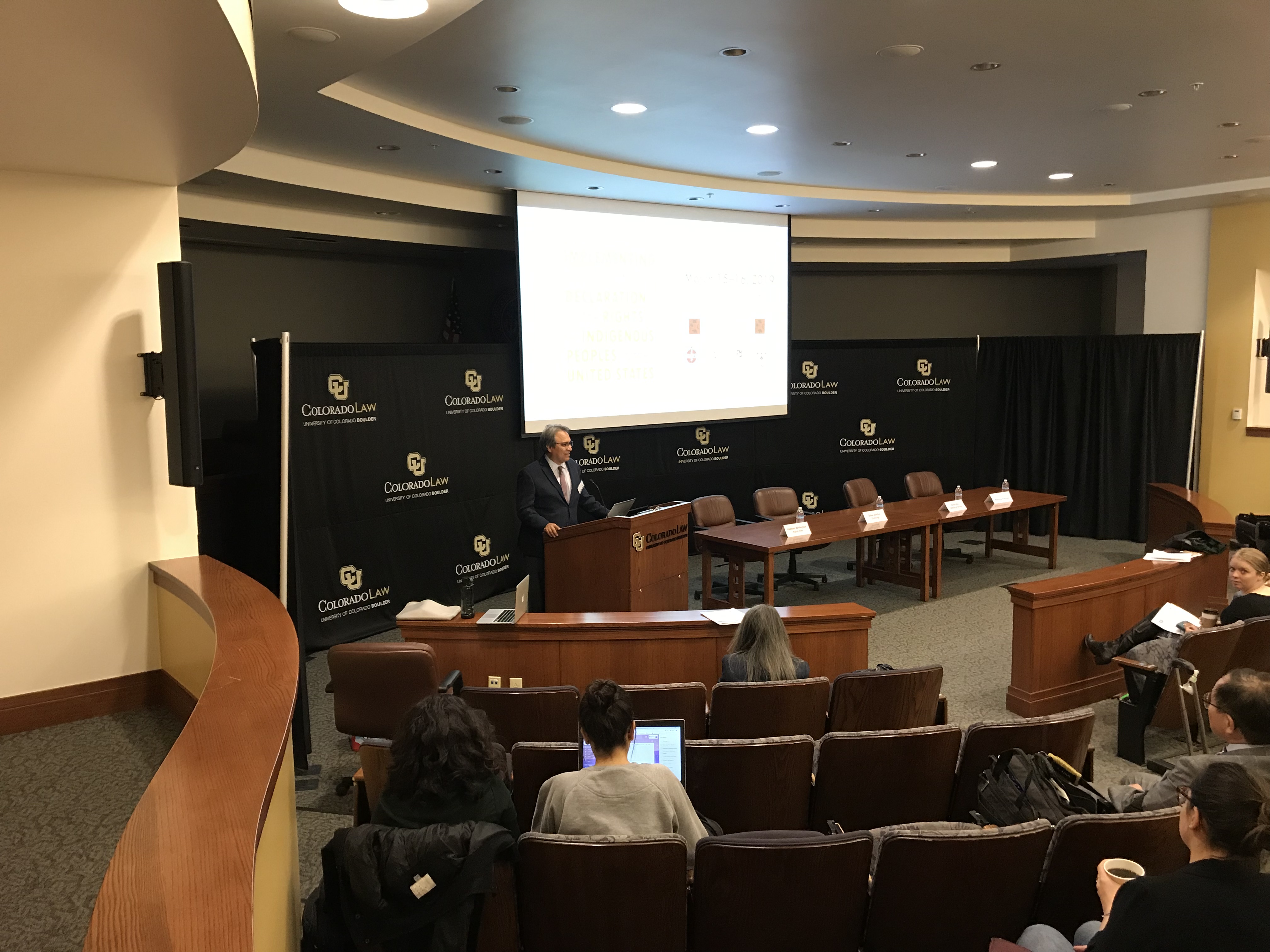
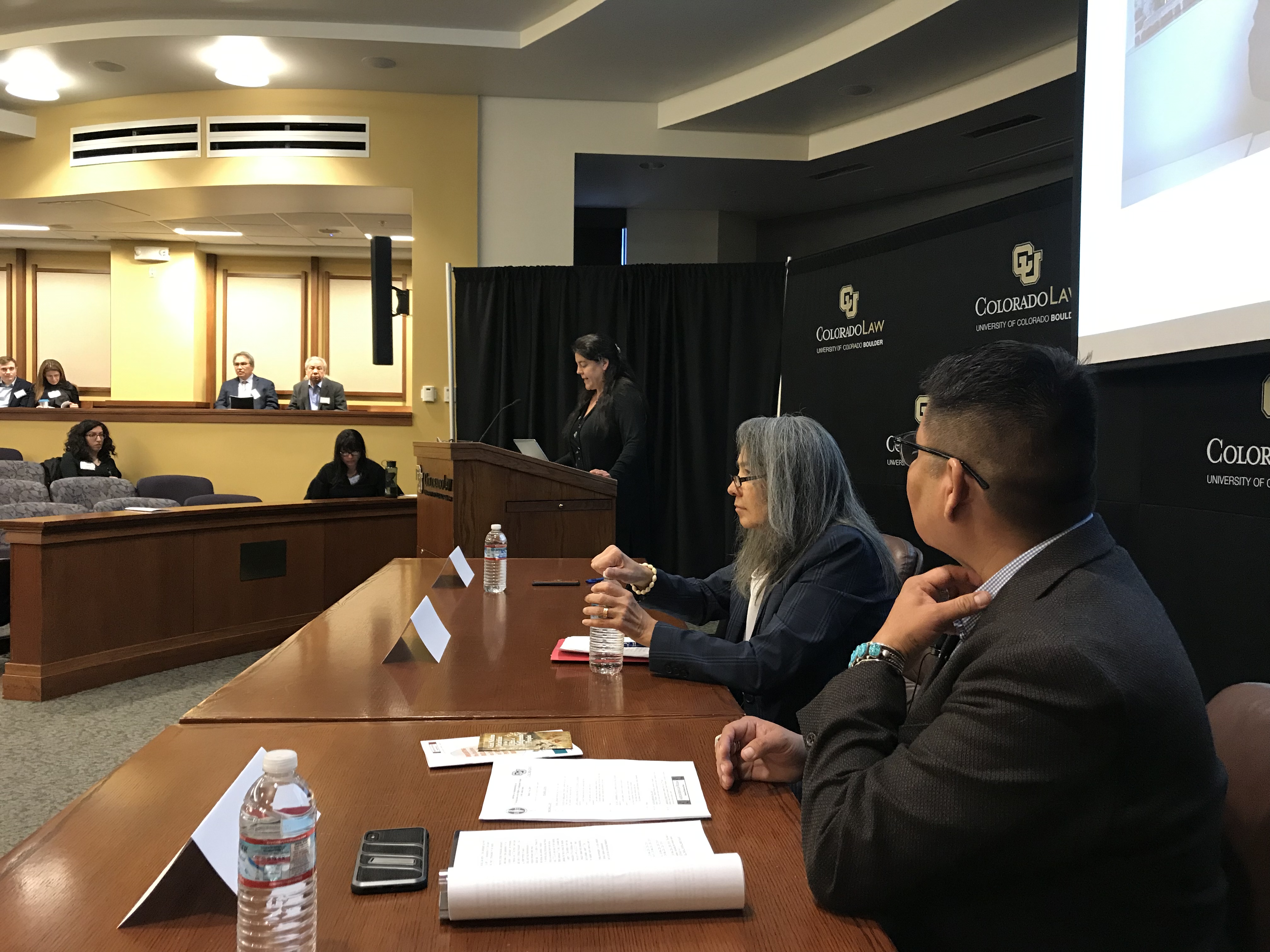
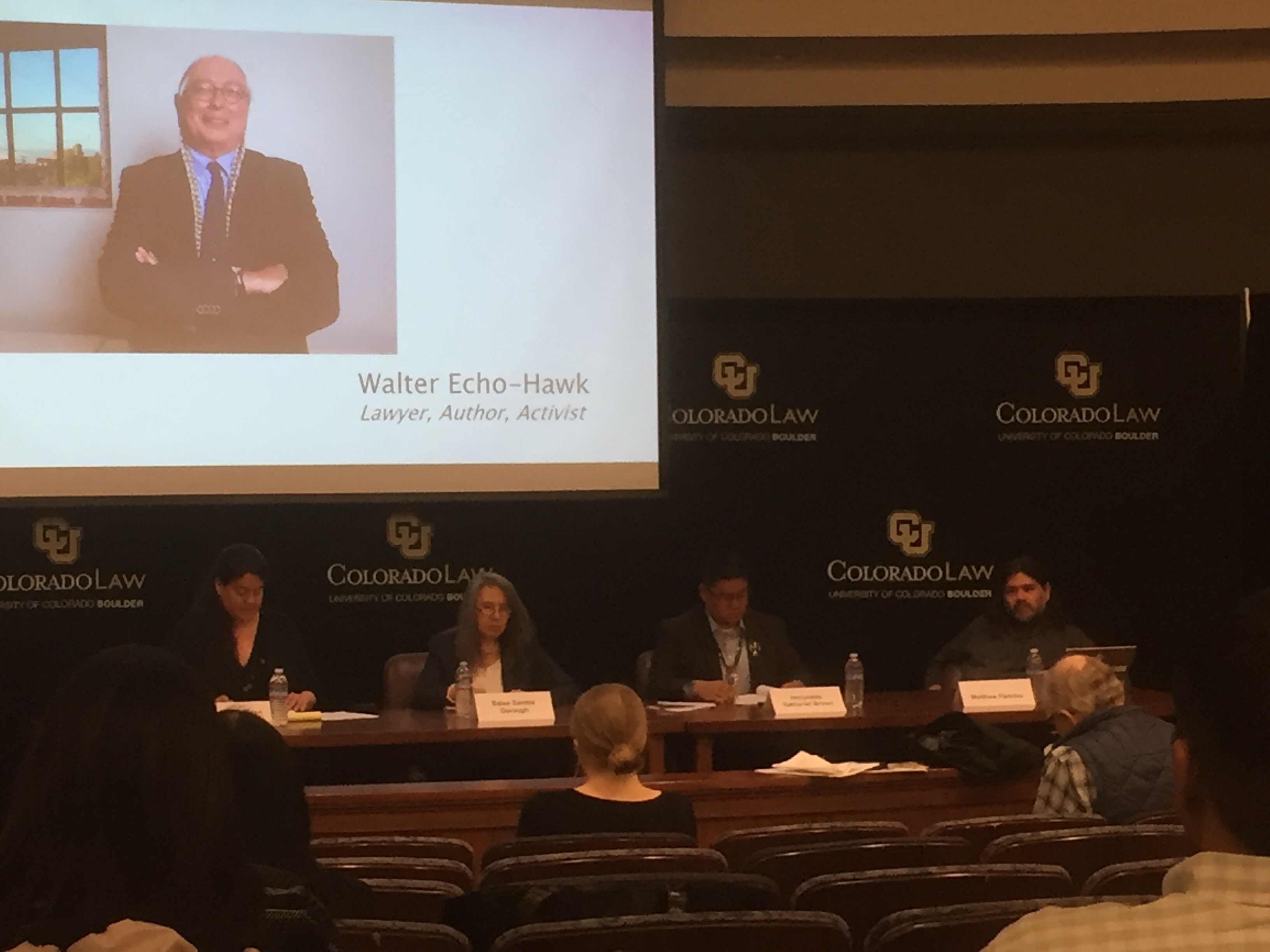
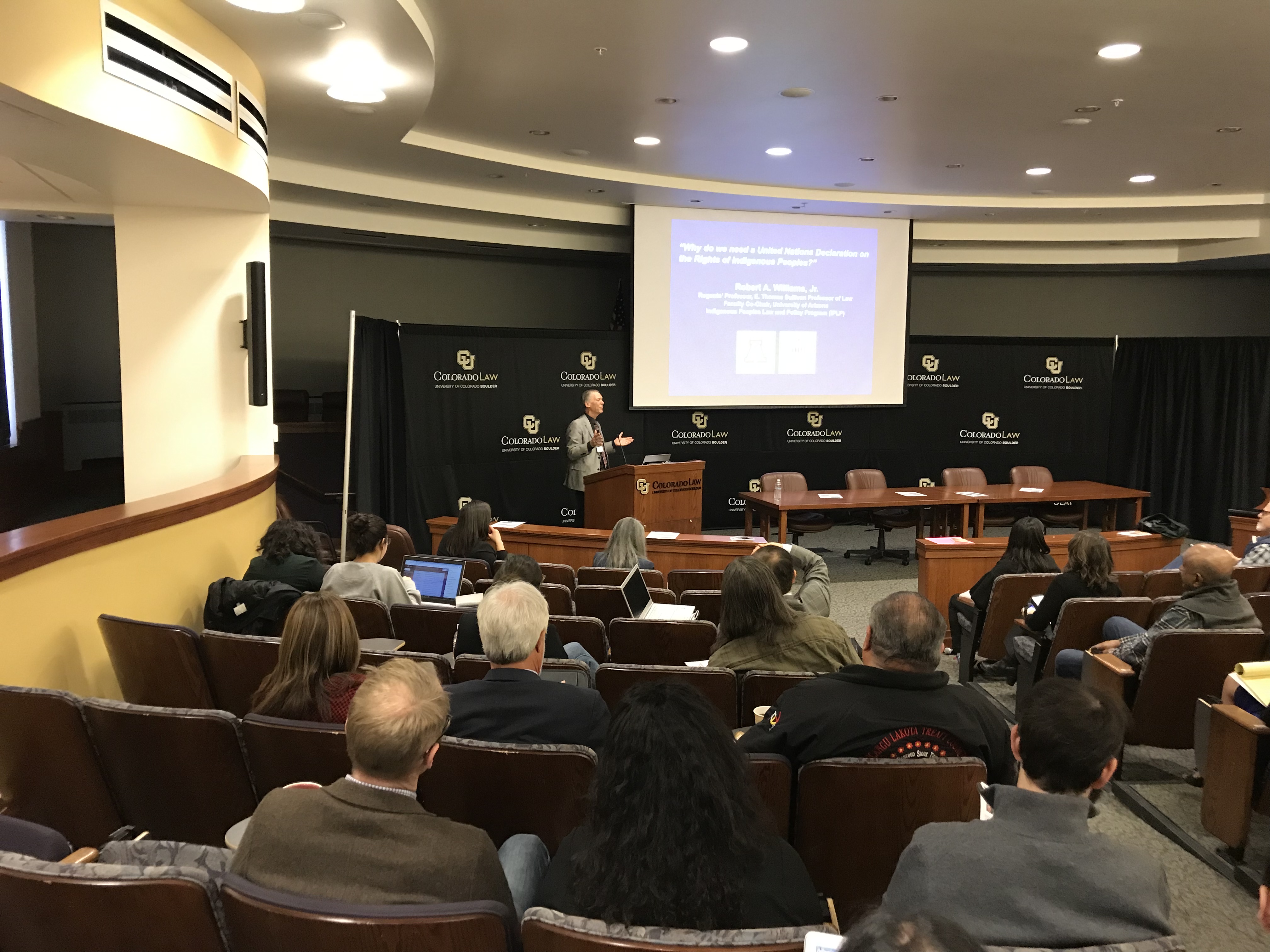
The University of Colorado American Indian Law Program and Native American Rights Fund have teamed up on a Project to Implement the UN Declaration on the Rights of Indigenous Peoples in the United States. Visit our new website (https://un-declaration.narf.org/) for informational materials and upcoming interactive sessions to advance human rights in Indian Country. Among other things, the site features our 2020 Project Report and material on the applicability of the Declaration in various subject matters, with new information being added on a daily basis. This summer we will work with Professor Angela R. Riley’s Native Nations Law and Policy Center at UCLA School of Law to develop a Tribal Implementation Toolkit, and hope to collaborate with other institutions going forward! We’d love to hear from you.





 Turtle Talk
You must be logged in to post a comment.