The Yale Law Journal’s submissions season opened on February 1, and we are reaching out to see if you would be able to share a call for submissions on Turtle Talk. The Articles and Essays submissions guidelines can be found here.
We greatly appreciate your time, and we hope to hear from you soon!
Best,
Ashlee Fox, Meghan Gupta, and Lily Moore-Eissenberg, on behalf of the Yale Law Journal
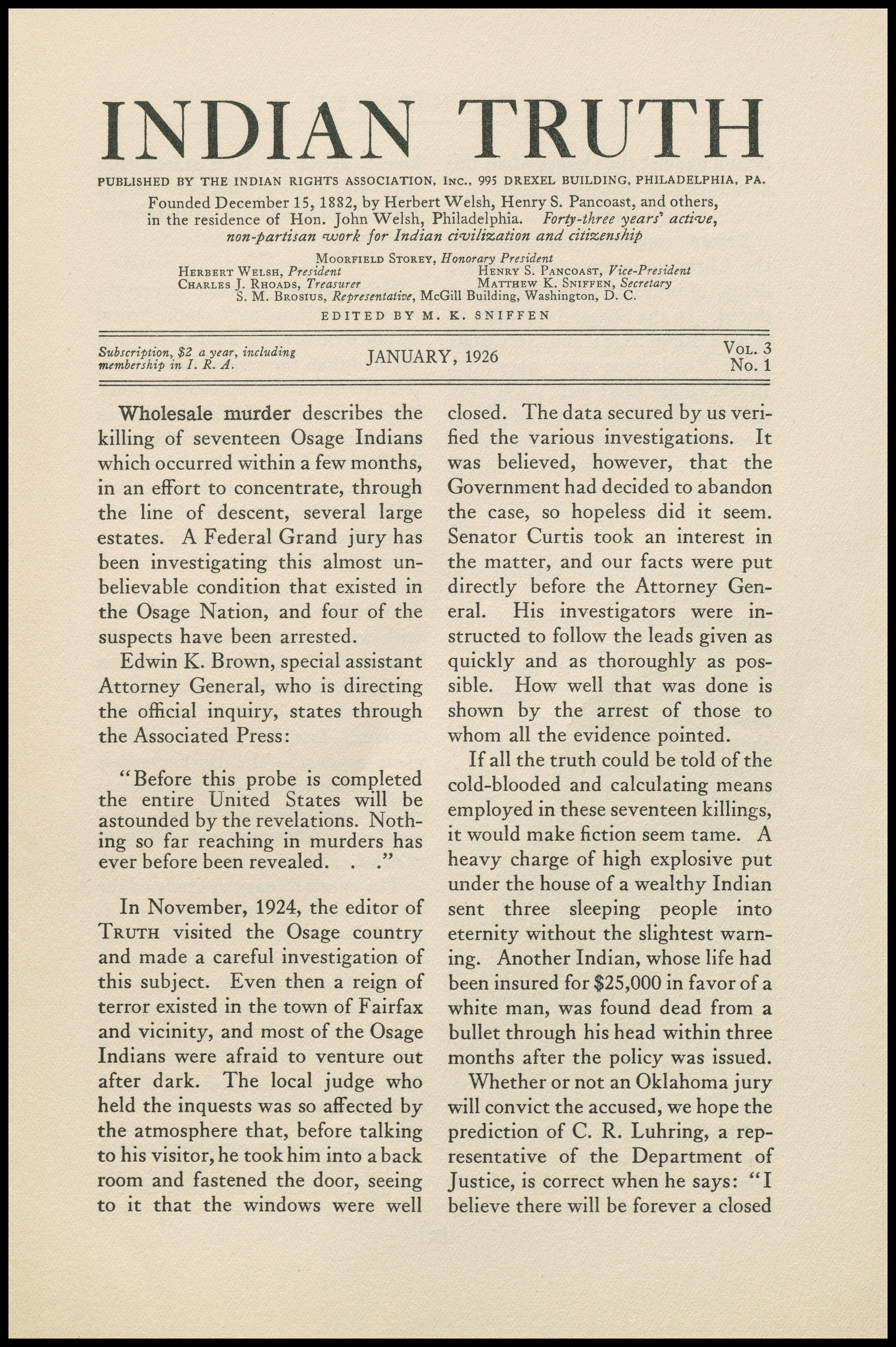
This Note argues for a change in the Supreme Court’s treatment of free exercise claims over Indigenous sacred sites. First, this Note reasons that, in Lyng v. Northwest Indian Cemetery Protective Association, the Court set an impossibly high standard for parties bringing sacred site free exercise claims against the government. This insurmountable standard, masking itself as strict scrutiny, implicitly precludes any claimant from prevailing against a government action designated for a sacred site. Further, statutes aimed at protecting religious liberty have resolved little, leaving no choice but to rework the standard.
Next, this Note delves into three pre-existing theories from like-minded critics of Lyng, analyzing the pros and cons of their proposed approaches to sacred site free exercise claims. Lastly, this Note sets forth a novel test which modifies the framework courts currently use in free exercise jurisprudence. Appreciating the fundamental distinctions between religious land and religious acts, this new test is uniquely tailored to address claims over sacred lands. This proposed test seeks to (1) give religious claimants a realistic opportunity to meet their initial burden in court, (2) put sacred site claims on equal footing with other free exercise claims, and (3) address the Supreme Court’s concerns with overexpanding free exercise doctrine.
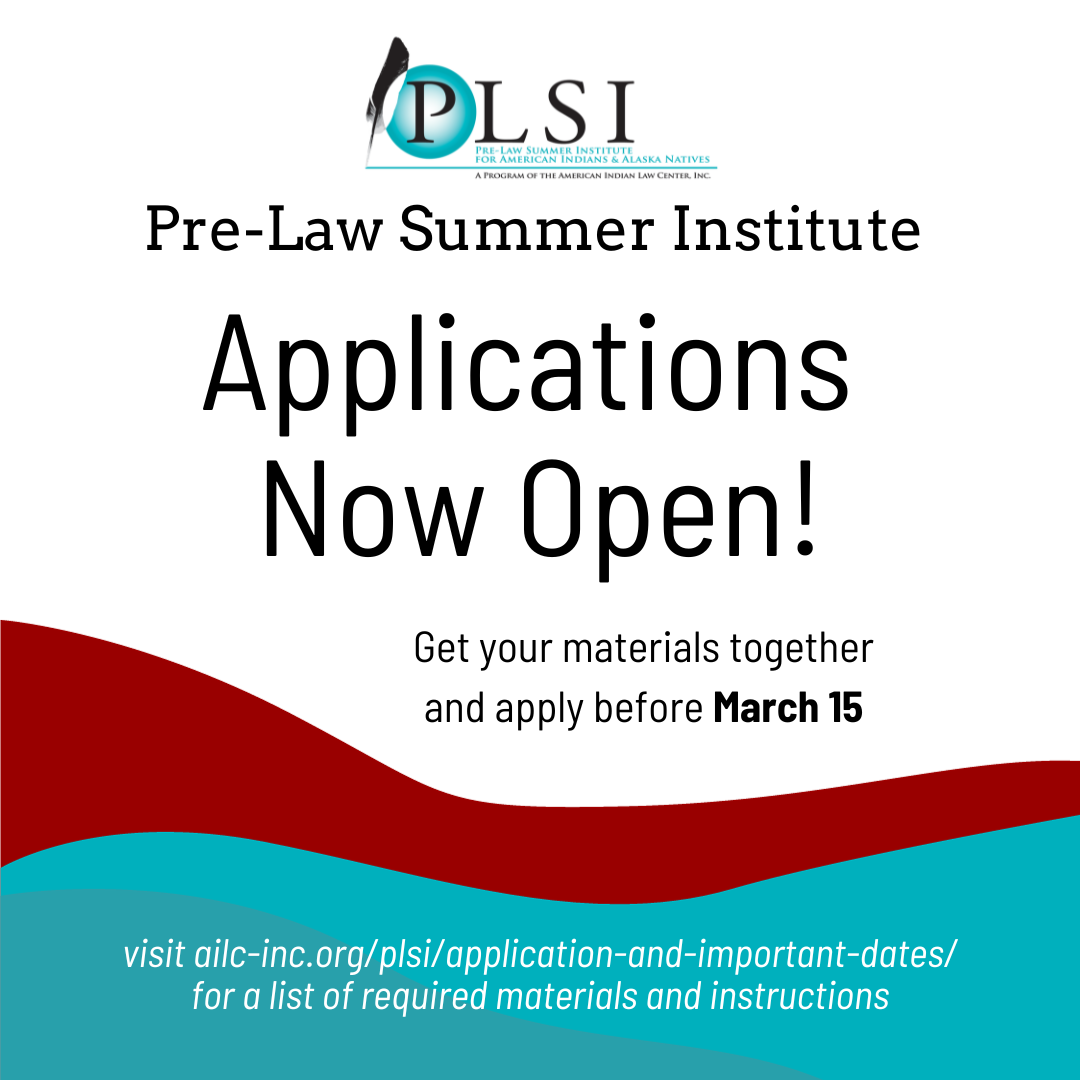
View the application, materials and important dates here. Application must be received by Friday, March 15, 2024. Applicants who miss the deadline will be considered on a space-available basis.
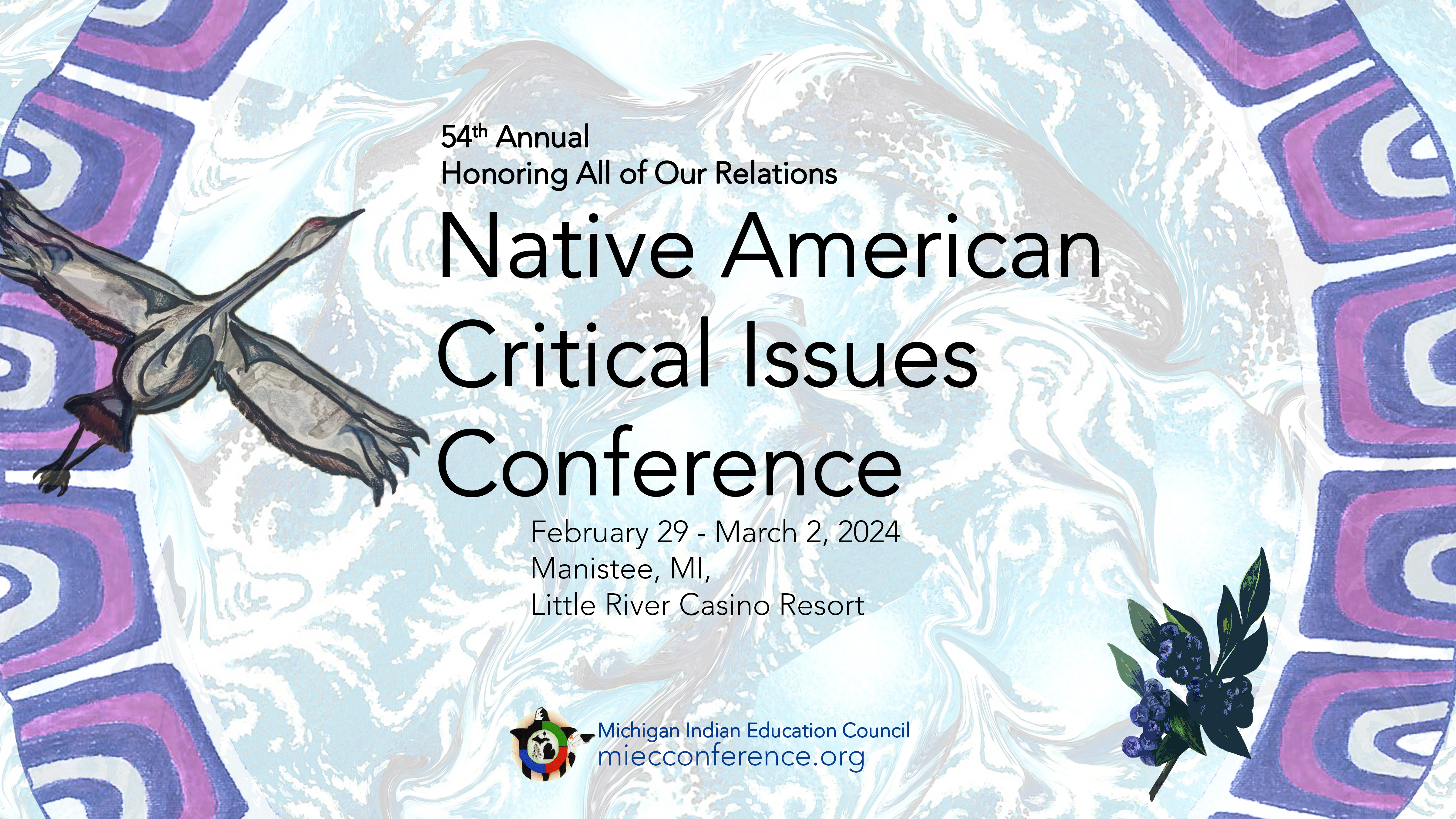
Registration is still open! Event agenda and details here. Travel Reimbursements & Waivers available for Tribal Education Departments and Tribal Colleges and Universities.
Topics Include:
The Need for Native Attorneys
Preparing Students for Law School
Resources and Best Practices for Advisors
Native Student Perspectives
This conference is for school personnel and tribal education department personnel who advise students on careers and higher education. This is not forprospective law students.





 Turtle Talk
You must be logged in to post a comment.