Matthew Villaneuve has published “Habeas Corpus and American Indian Boarding Schools: Indigenous Self-Determination in Body and Mind, 1880–1900” in the Western Historical Quarterly.
Abstract:
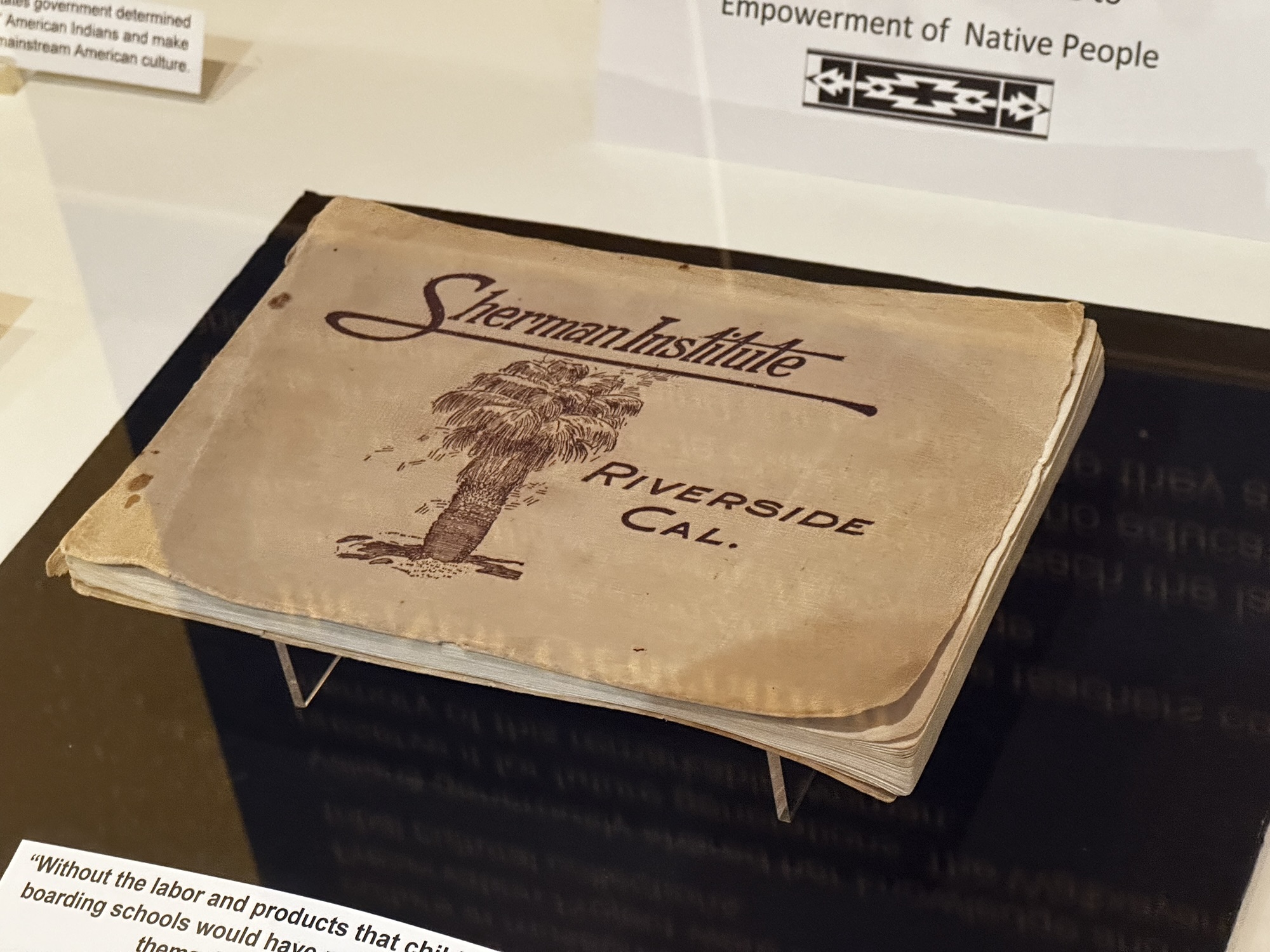
This article examines the history of Native people’s use of habeas corpus to resist family separation employed in the United States’ system of Indian boarding schools. It highlights three cases brought by Native petitioners from Alaska, New Mexico, and Iowa between 1885 and 1900. These cases show how Native parents, husbands, and cousins challenged the federal agents responsible for boarding schools by appealing to federal courts for intervention on behalf of their kin confined in such schools. Moving beyond legal interpretations, however, this article further argues that Native people used these petitions to assert their capacity to make their own decisions about the proper education of their young people and to convey Indigenous values of teaching and learning. Consequently, these cases illustrate an important but understudied means by which Native people used the legal tools available to them to assert self-determination in education. These habeas corpus cases are therefore a crucial part of boarding school history, American Indian and Indigenous history, and the history of U.S. education.
 Turtle Talk
You must be logged in to post a comment.