This was Part II, Part I was here.
Penn Law and Field Center Panel on ICWA [more post-argument discussion]
This was Part II, Part I was here.
This was Part II, Part I was here.
Fletcher and Randall F. Khalil have published “Preemption, Commandeering, and the Indian Child Welfare Act” in the Wisconsin Law Review.
Blurb:
We argue that the anti-commandeering challenges against ICWA are unfounded because all provisions of ICWA provide a set of legal standards to be applied in states which validly and expressly preempt state law without unlawfully commandeering the states’ executive or legislative branches. Congress’s power to compel state courts to apply federal law is long established and beyond question.
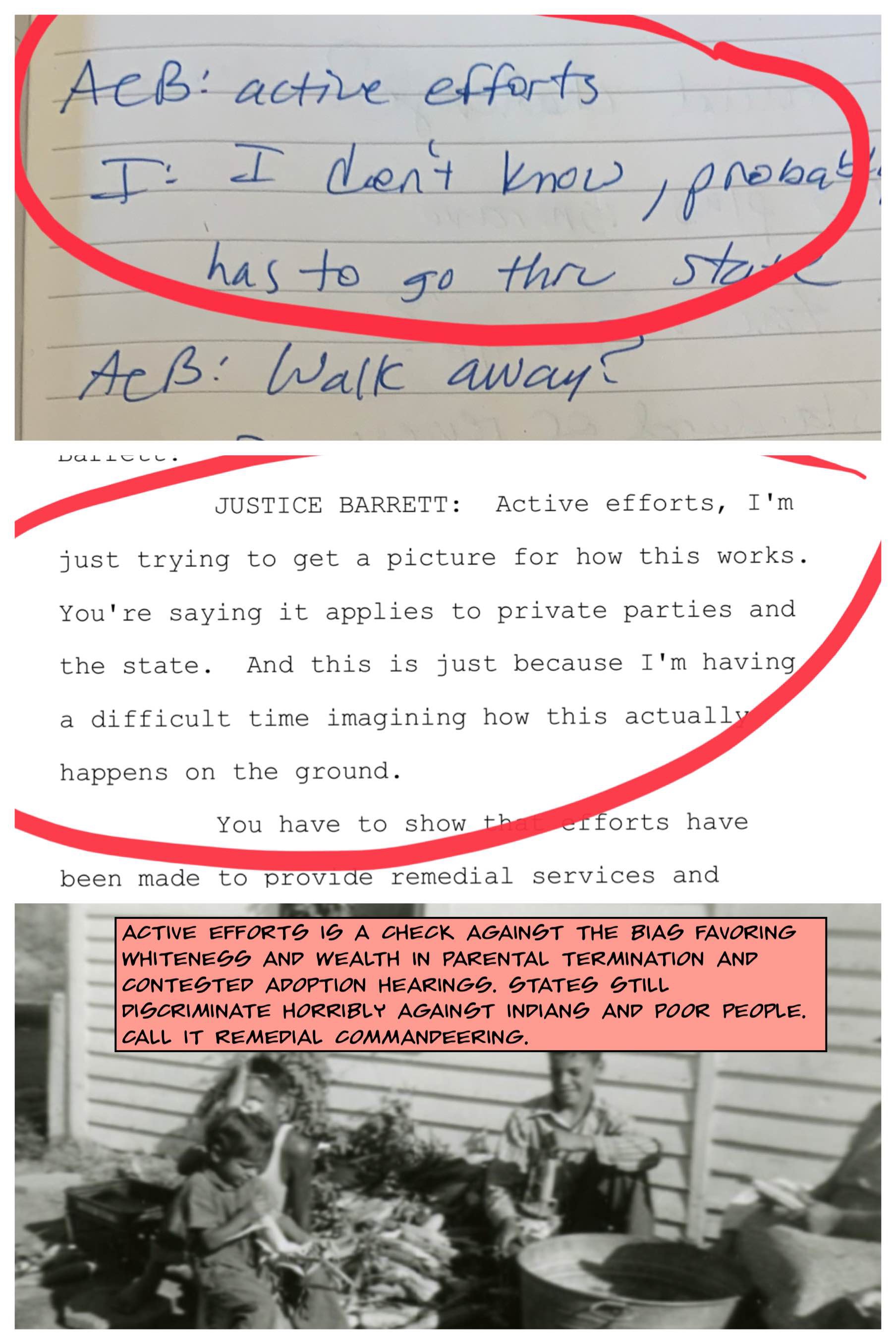
Here.


Here.
Each side presented their oral arguments Wednesday to the U.S. Supreme Court for the most serious challenge to the Indian Child Welfare Act in recent memory. The decision in Haaland v. Brackeen will be a major force in the future of ICWA and the scope of tribal sovereignty. Today on Native America Calling, Shawn Spruceanalyzes the legal debate from a Native perspective with Matthew Fletcher (Grand Traverse Band of Ottawa and Chippewa Indians), law professor at the University of Michigan Law School and author of the Turtle Talk blog; independent journalist Suzette Brewer (citizen of the Cherokee Nation); and Dr. Sarah Kastelic (Alutiiq), director of the National Indian Child Welfare Association.
Posted an earlier draft of this before, but here is the all-but-final version, now available on SSRN here.
Here is “Preemption, Commandeering, and the Indian Child Welfare Act,” published in the Wisconsin Law Review.

Ann Estin has posted “Equal Protection and the Indian Child Welfare Act: States, Tribal Nations, and Family Law,” forthcoming in the Journal of the American Academy of Matrimonial Lawyers, on SSRN.
Here is the abstract:
Congress has long exercised plenary power to set the boundaries of federal, state and tribal jurisdiction, and Supreme Court precedents have required that such legislation be tied rationally to the fulfillment of Congress’s unique obligation to Indian tribes. Exercising this power, Congress set parameters for state and tribal jurisdiction in child welfare and adoption cases with the Indian Child Welfare Act of 1978 (ICWA). In response to the recent Equal Protection challenge to ICWA by a small number of states in Haaland v. Brackeen, many more states have argued in support of the legislation, which addressed longstanding problems in the states’ treatment of Indian children and provided an important framework for cross-border cooperation in child welfare cases. Looking beyond ICWA, this article points to unresolved jurisdictional and conflict of laws challenges in other types of family litigation that crosses borders between states and Indian country. Arguing that citizens of tribal nations should have the same right to bring family disputes to courts in their communities that other Americans enjoy, the article argues for greater cooperation and comity between states and tribes across the spectrum of family law.
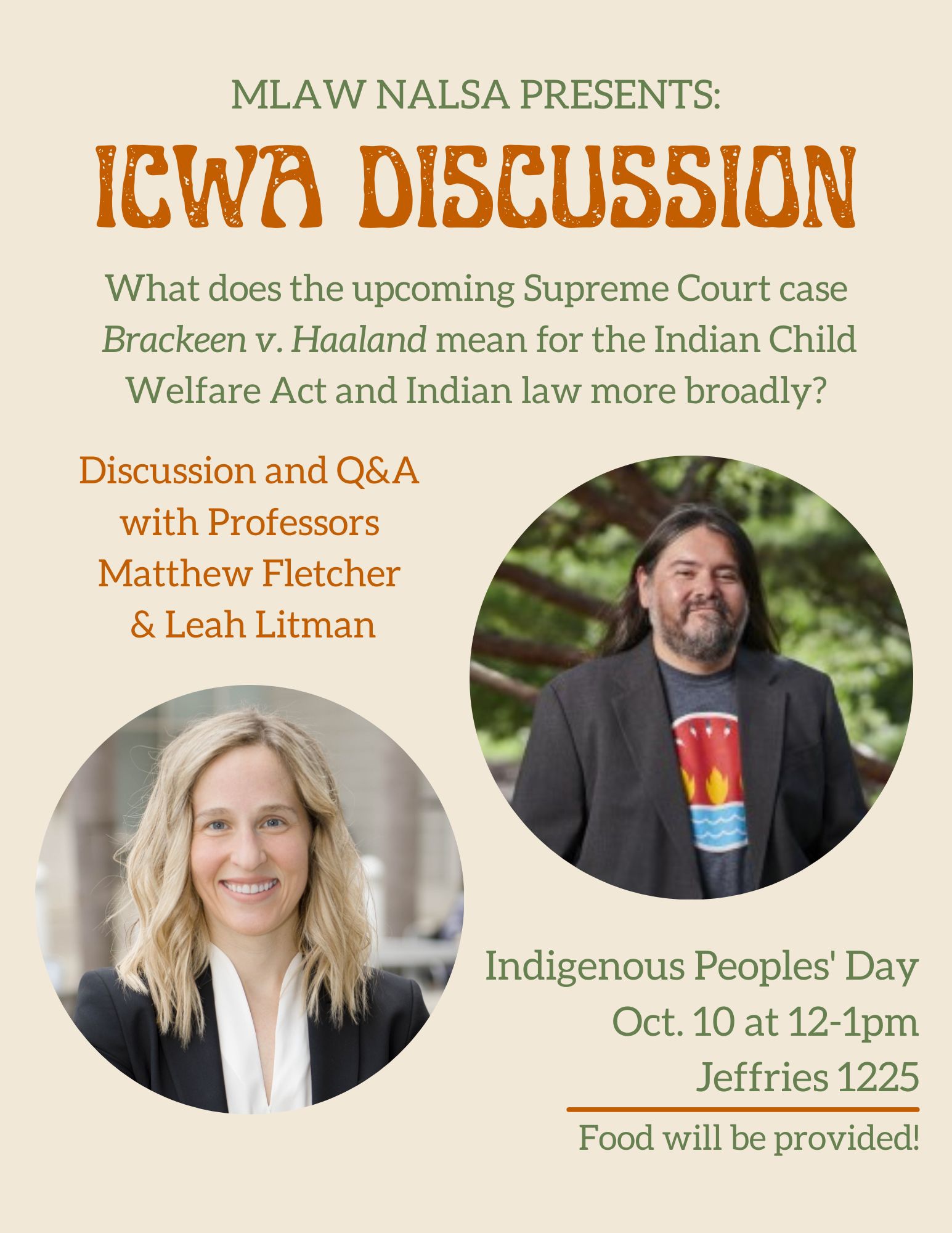
Comic here.
Here:
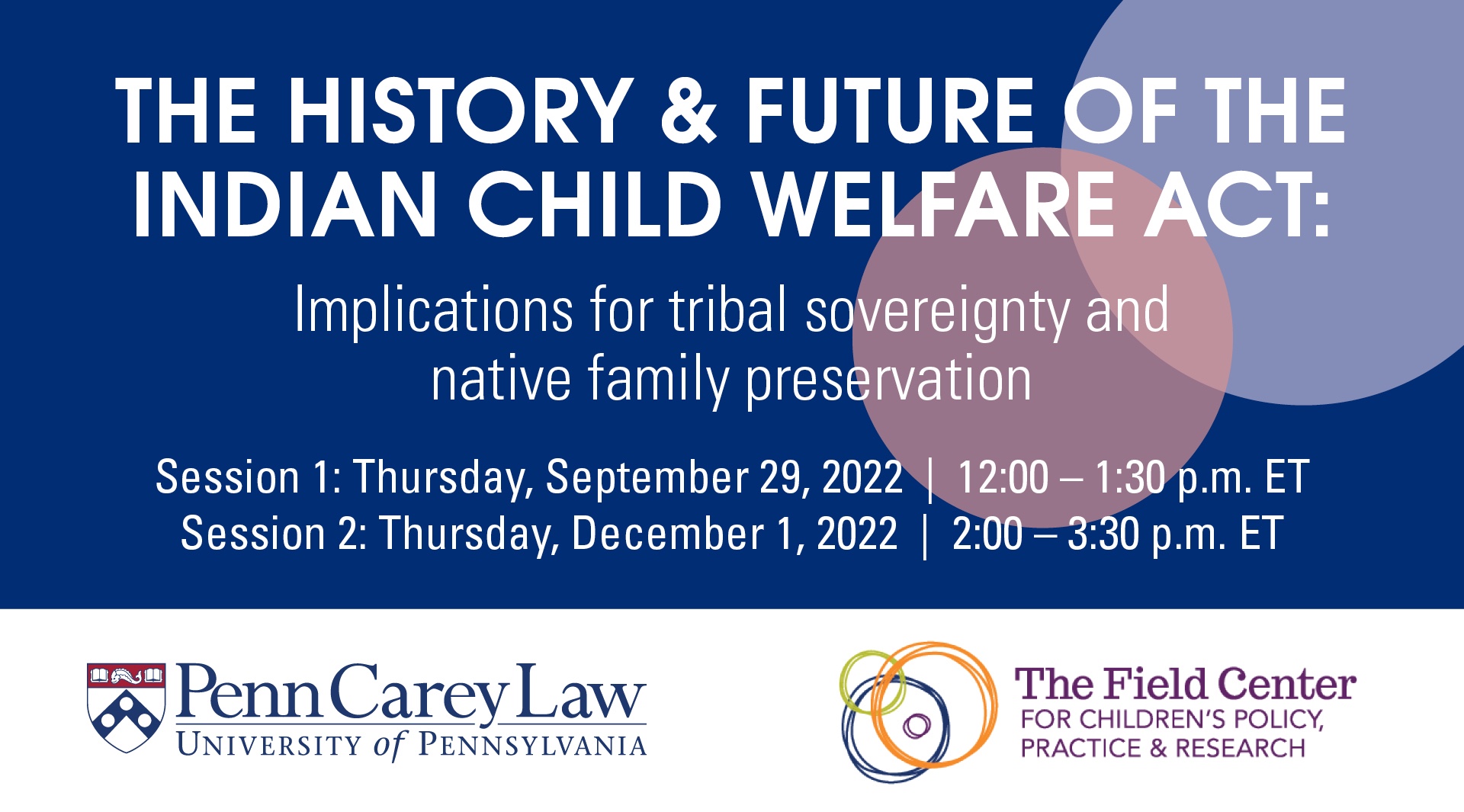
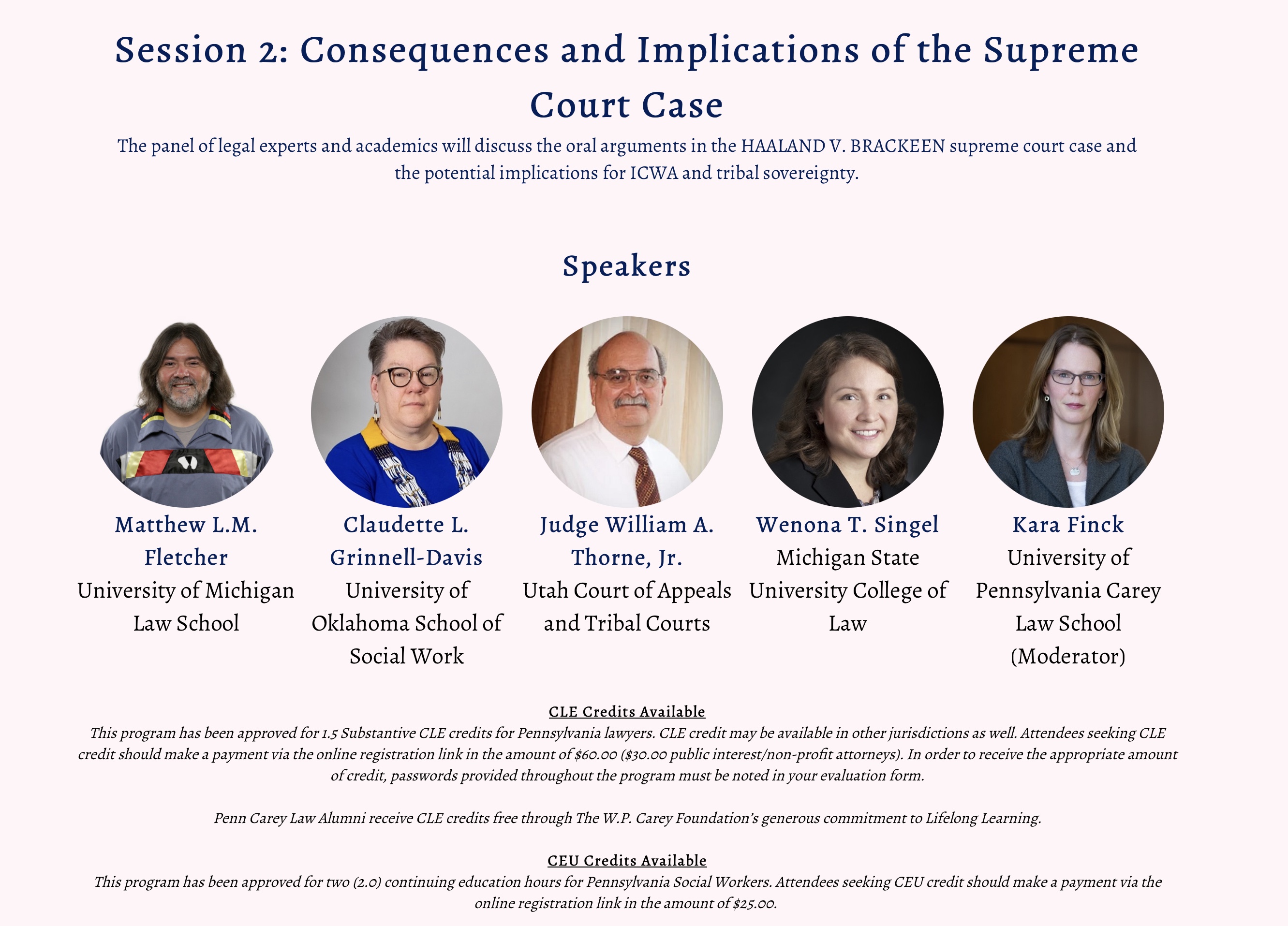
Next session is December 1:

 Turtle Talk
You must be logged in to post a comment.