Here is the motion in Kumeyayy Cultural Repatriation Committee v. University of California (S.D. Cal.):
Materials in a related case, White v. University of California, are here.
Here is the motion in Kumeyayy Cultural Repatriation Committee v. University of California (S.D. Cal.):
Materials in a related case, White v. University of California, are here.
Here are the materials, available in a federal court removal petition by the defendants:
Here:
Interior Motion to Dismiss Navajo Complaint
Our prior post on this suit, including complaint, is here.
Here is the opinion in State v. Taylor. Also, a concurring and dissenting opinion. And the COA opinion.
Here are the materials in Thorpe v. Borough of Thorpe (M.D. Pa.):
From Indianz:
The Cranbrook Institute of Science in Michigan is preparing to repatriate 59 ancestors to a group of tribes.
The 13 tribes requested the ancestors in 2008. The museum’s board of directors voted to repatriate the remains under the Native American Graves Protection and Repatriation Act.
“It is the right thing to do,” Michael Stafford, the Institute’s director, told The Detroit Free Press. “We don’t view these remains as data. We see them as people, with spirits and souls.”
The Little Traverse Bay Bands of Odawa Indians is coordinating the process. The band will work with the other tribes on the reburial.
“We see this as a human rights issue,” Eric Hemenway, a repatriation expert for the tribe, told the paper.
Get the Story:
Tribes to finally lay ancestors to rest (The Detroit Free Press 7/21)
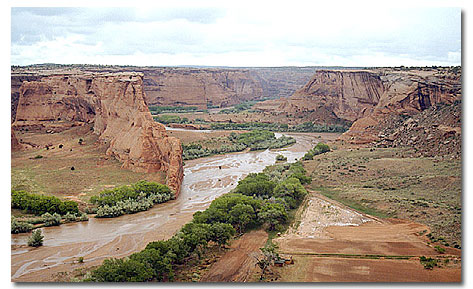
Debora Threedy (Utah) has posted two papers on SSRN. The first is called “United States v. Hatahley: A Legal Archaeology Case Study in Law and Racial Conflict.” Here is the abstract:
In this case study, the author examines the ways in which race affects the progress and outcome of litigation under the Federal Tort Claims Act. The litigation is brought by individual Navajo plaintiffs against the federal government for the destruction of over a hundred horses and burros. The background conflict over access to public land is laid out, and then the article looks at the difficulty in assessing damages, the impact of the litigation on the underlying land claims, and the question of judicial bias.
The second is called “Claiming the Shields: Law, Anthropology, and the Role of Storytelling in a NAGPRA Repatriation Case Study,” and was published in the Journal of Land, Resources & Environmental Law. Here is the abstract:
This article is a case study of a repatriation dispute under the Native American Graves Protection and Repatriation Act (NAGPRA). The dispute arose when different tribal groups claimed a set of three leather shields held by the National Park Service. The article examines in depth the claims of the three groups, focusing on the disconnect between legal and anthropological determinations of cultural affiliation and using storytelling as a lens to evaluate the claims.
 Turtle Talk
You must be logged in to post a comment.