Here:
Petition here.

Here are the materials in United States v. Michigan (No. 23-1944):

Here is the oral argument audio (Ryan Mills for Sault Tribe).
Briefs:
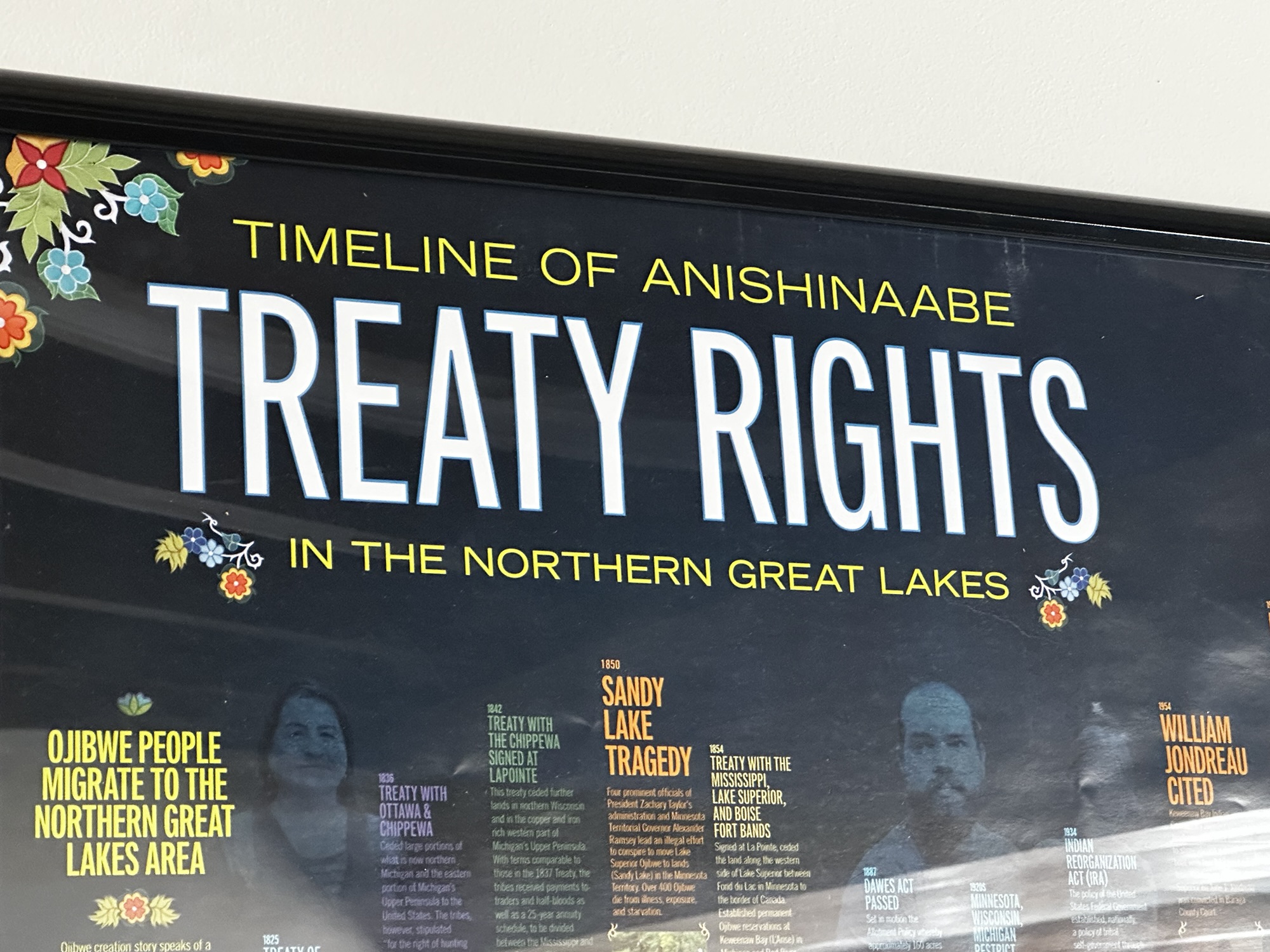
Details on the consent decree here.

Postscript — Frank Kelley was wrong.
Here are the materials in United States v. Michigan (W.D. Mich.):
My last half-assed effort to keep up with the pleadings is here.
And since there are still potential billable hours, except a robust and wasteful appeal or several and, ultimately, a cert petition or several.

Lots of lawyers making money on what appears to be utterly farcical litigation.
Here are the updated materials in United States v. Michigan (W.D. Mich.):
2074 State Opposition to Motion to Reconsider
2075 GTB Response to Motion to Reconsider
2076 Federal and Tribal Opposition to Sault Motion to Reconsider Stay Order
2077 Sault Tribe Objections to Proposed Consent Decree
Prior post with the details of the consent decree here.
Here are materials in an interlocutory (?) appeal on whether the amici can formally intervene in the case (there is a federal brief, joined by the four tribes who signed onto the consent decree, that is sealed):
Here are the materials in United States v. Michigan (W.D. Mich.):
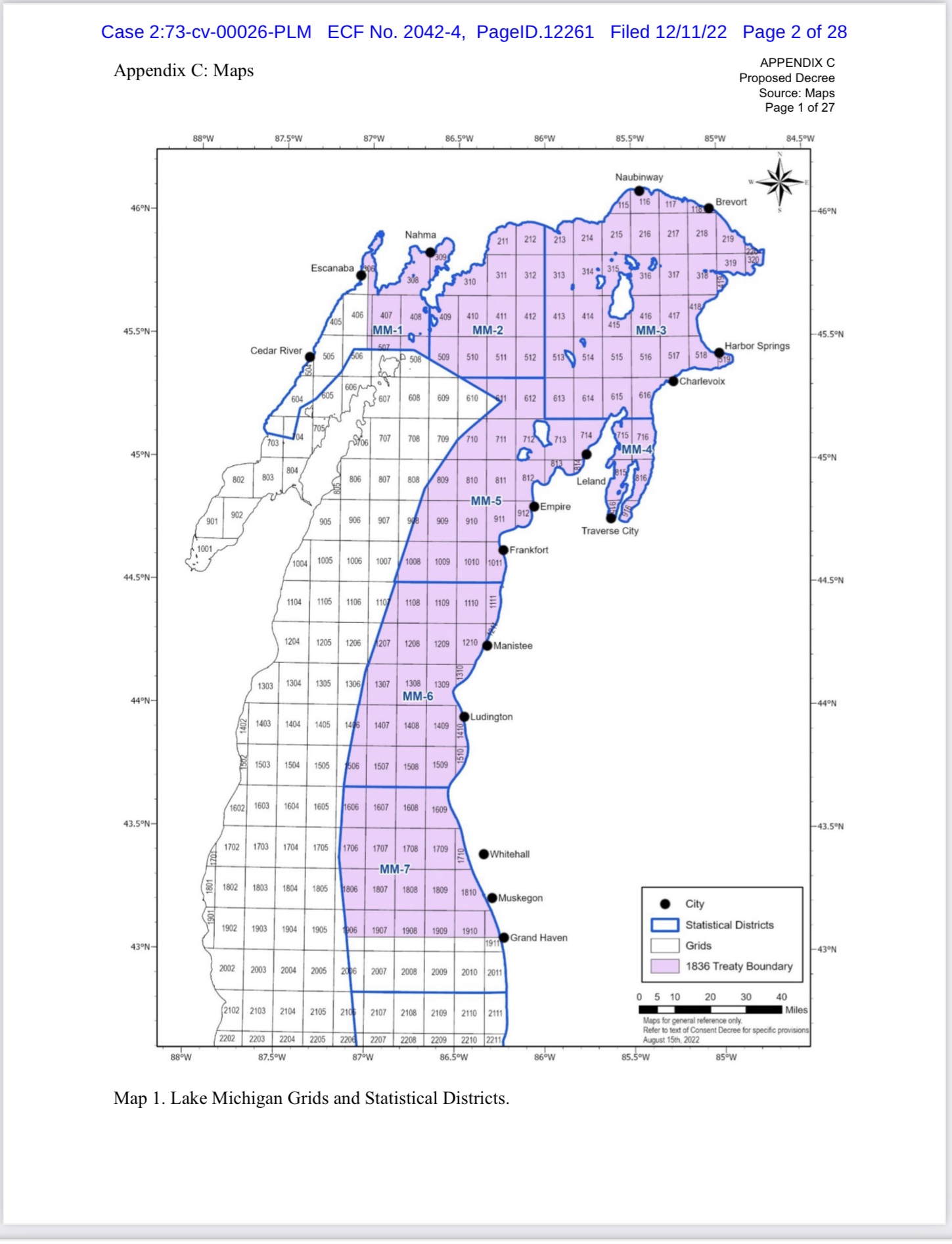
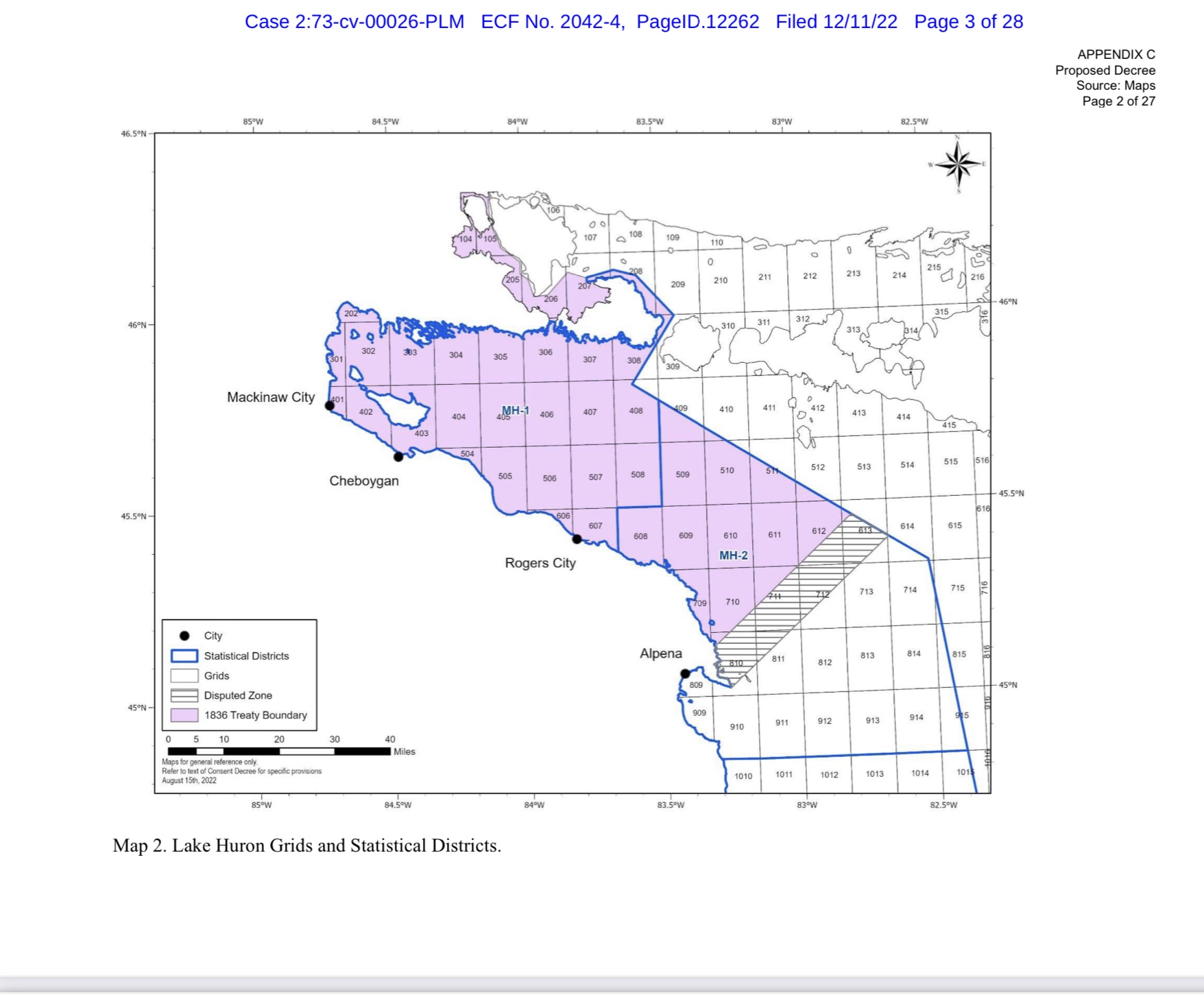

Nathan Frischkorn has posted “Treaty Rights and Water Habitat: Applying the United States v. Washington Culverts Decision to Anishinaabe Akiing,” forthcoming in the Arizona Journal of Environmental Law & Policy, on SSRN.
Here is the abstract:
In 2017, the Ninth Circuit Court of Appeals held that culverts installed by the state of Washington which reduce the habitat of treaty-protected salmon violate the treaty rights of Tribes in western Washington. That decision—part of the long-running United States v. Washington litigation—has since become known as the “Culverts Case.” Broadly, that decision essentially holds that habitat protection is a component of treaty-protected rights to hunt, fish, and gather. This Article analyzes what habitat protection as a treaty right would mean for the water-based, treaty-protected resources—such as fish and manoomin (wild rice)—of the Anishinaabe Tribes in Minnesota, Wisconsin, and Michigan. This Article describes relevant treaties to determine what water-based resources those Tribes have treaty rights to, and analyzes relevant precedent that defines or limits the exercise or scope of those rights in state and federal courts. Through interviews with individuals who work with Tribes on issues pertaining to usufructuary rights, this Article identifies specific environmental threats to water-based treaty resources throughout the Great Lakes region. By analogizing those identified threats to the culverts at issue in United States v. Washington, this Article examines what habitat protection as a treaty right would mean in Anishinaabe Akiing.


 Turtle Talk
You must be logged in to post a comment.