New Scholarship by Seth Davis: “Tribal Rights of Action”

Seth Davis has posted “Tribal Rights of Action,” published in the Columbia Human Rights Law Review. Here is the abstract:

What power do the federal courts have to supply tribal rights of action when Congress has been silent? This Article answers that question by linking two seemingly disparate schools of thought: federal Indian law and tort theory. Focusing upon tribal rights of action forces us to correct significant misunderstandings about perennial debates concerning corrective justice, distributive justice, reparations, and the law of remedies.

My thesis is that there is a surprising and significant consonance between federal Indian law’s doctrines of federal obligation towards Tribes and the theory of civil recourse. Reflected in Marbury v. Madison’s famous right-remedy principle, civil recourse holds that in some instances the government has a duty to provide the victim of a wrong an avenue for redress. This Article argues that the federal government has a duty of civil recourse towards Tribes, arising from the treaty system and the contemporary constraints that Congress and the courts have imposed upon the exercise of tribal adjudicative authority. The duty to provide civil recourse distinguishes tribal rights of action from the United States’ own rights to sue in federal court, as well as federal rights of action for states, which can freely vindicate their interests in their own courts without regard to the limits the United States imposes upon the exercise of tribal sovereignty. The special federal duty to provide civil recourse may be fulfilled by Congress, which can expressly create a right of action. When Congress does not do so, the federal courts have a special competence and duty to imply tribal rights of action.
New Scholarship by Mary Wood: “Tribal Trustees in Climate Crisis”

Mary C. Wood has posted “Tribal Trustees in Climate Crisis” on SSRN. It is forthcoming in the American Indian Law Journal. Here is the abstract:

The legal “cornerstone” of federal Indian law is the federal trust obligation. The duty was formulated by courts long ago to protect native nations against federal actions that harm the retained tribal property and resources. Yet in recent years, courts have diminished the force of the doctrine by equating it, for all practical purposes, with statutory standards. This essay turns attention to another doctrine, the public trust doctrine, which characterizes sovereigns as trustees of their resources. The public trust framework positions tribes as co-trustees with states and the federal government. This article suggests a role for tribes in climate crisis by asserting the right of co-trustees and co-tenants to prevent waste of the common resource – the atmosphere.

Commentary on the Opinion that Caused the D.C. Circuit to Remove Judge Lamberth from the Cobell Litigation — corrected links

From a former Lamberth clerk.

Here and here.

CFC Dismisses Wyandot Nation’s Section 1500 Claims

Here are the materials in Wyandot Nation of Kansas v. United States (Fed. Cl.):

34-1 US Motion to Dismiss

37 Wyandot Nation Response

38 US Reply

61 DCT Order Granting Motion to Dismiss

New Solicitation: Tribal Program Postdoctoral Research Associate Fellowship

NIJ seeks proposals for research to support NIJ’s Violence Against Indian Women (VAIW) program of research and to expand the body of criminal justice policy-relevant research. Accurate, comprehensive, and current information on the incidence, prevalence, and the nature of crime and victimization in Indian Country and Alaska Native villages is critically needed to improve our understanding of the programmatic, service, and policy needs of AI and AN women and communities, and to educate and inform policymakers and the public about the threat to the health and well-being of AI and AN women. NIJ will award up to two tribal postdoctoral research associate fellowships to individuals who show the greatest potential for future achievement as scholars and researchers; and who can demonstrate experience relevant to the unique demands of working with tribal communities, including experience working in Indian Country and Alaska Native villages. Deadline for applications is June 10.
• Download the solicitation
• View all current funding opportunities from NIJ.

Puyallup Prevails over IRS in Dispute over Levy Notice Seeking Per Capital Payments

Here are the materials in United States v. Puyallup Tribe of Indians (W.D. Wash.):

20 US Cross Motion for Summary J

21 Puyallup Cross Motion for Summary J

22 US Response

23 Puyallup Response

24 DCT Order Granting Tribe’s Motion

An excerpt:

The Government contends that, based on custom and practice, the per capita payments were fixed and determinable. The Government admits that “this is a matter of first impression” (Dkt. 22 at 16), and the Court declines to adopt the Government’s proposition that the rule that levies may attach to discretionary, yet customary payments. Just like there is no guarantee that a subsequent deposit will be made to a levied bank account, there is no guarantee that Turnipseed will receive another per capita payment. While the Tribe strives to provide for its members, it still makes a discretionary monthly decision whether it shall do so. Moreover, the fact that a payment is likely is the same as classifying a sale of personal property as likely. But, according to the regulations, a levy cannot attach until the individual has actually sold the item. Therefore, the Court concludes that the levies in question did not attach to Turnipseed’s per capita payments.

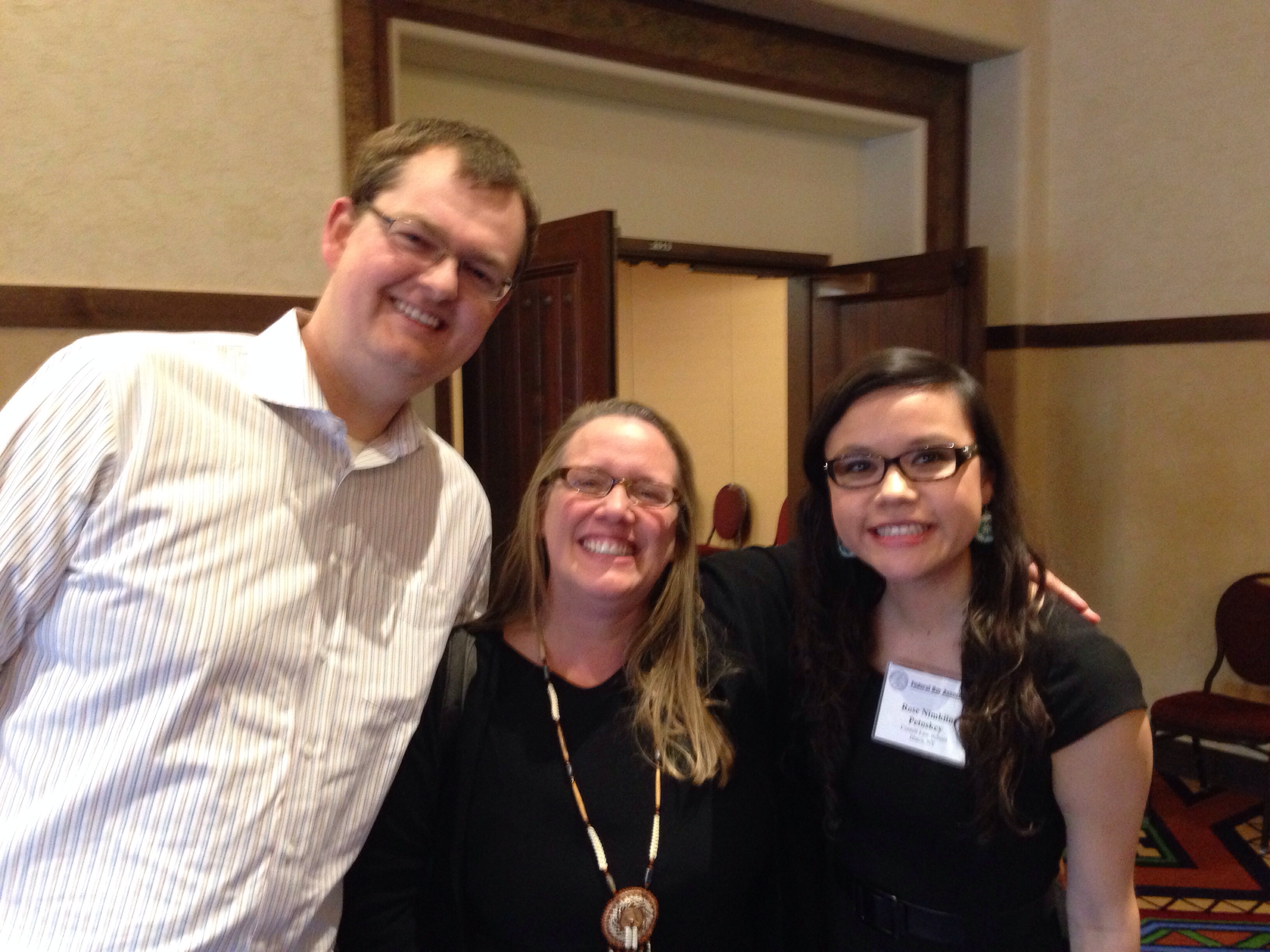
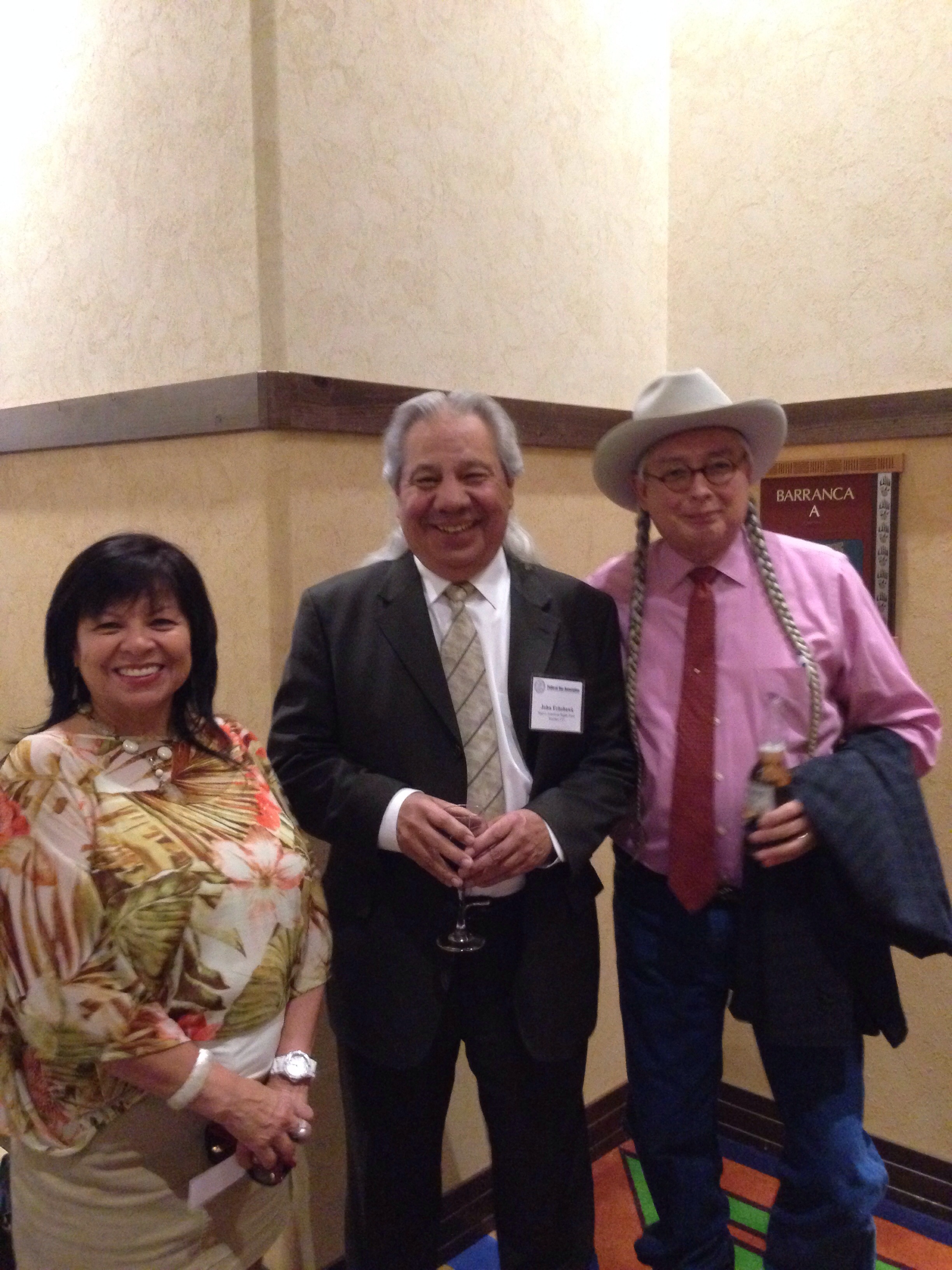
Still More Pics from Fred Hart Reception

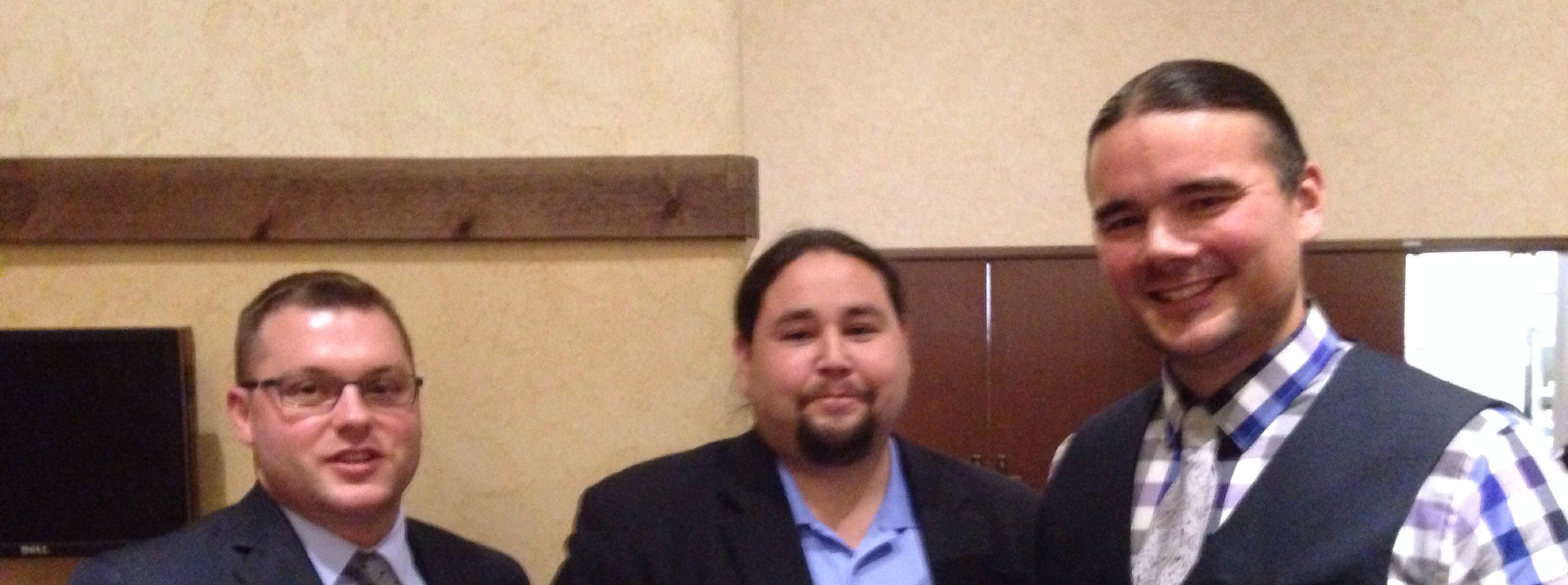
Josh, Zeke, Bryan.

20140412-084436.jpg

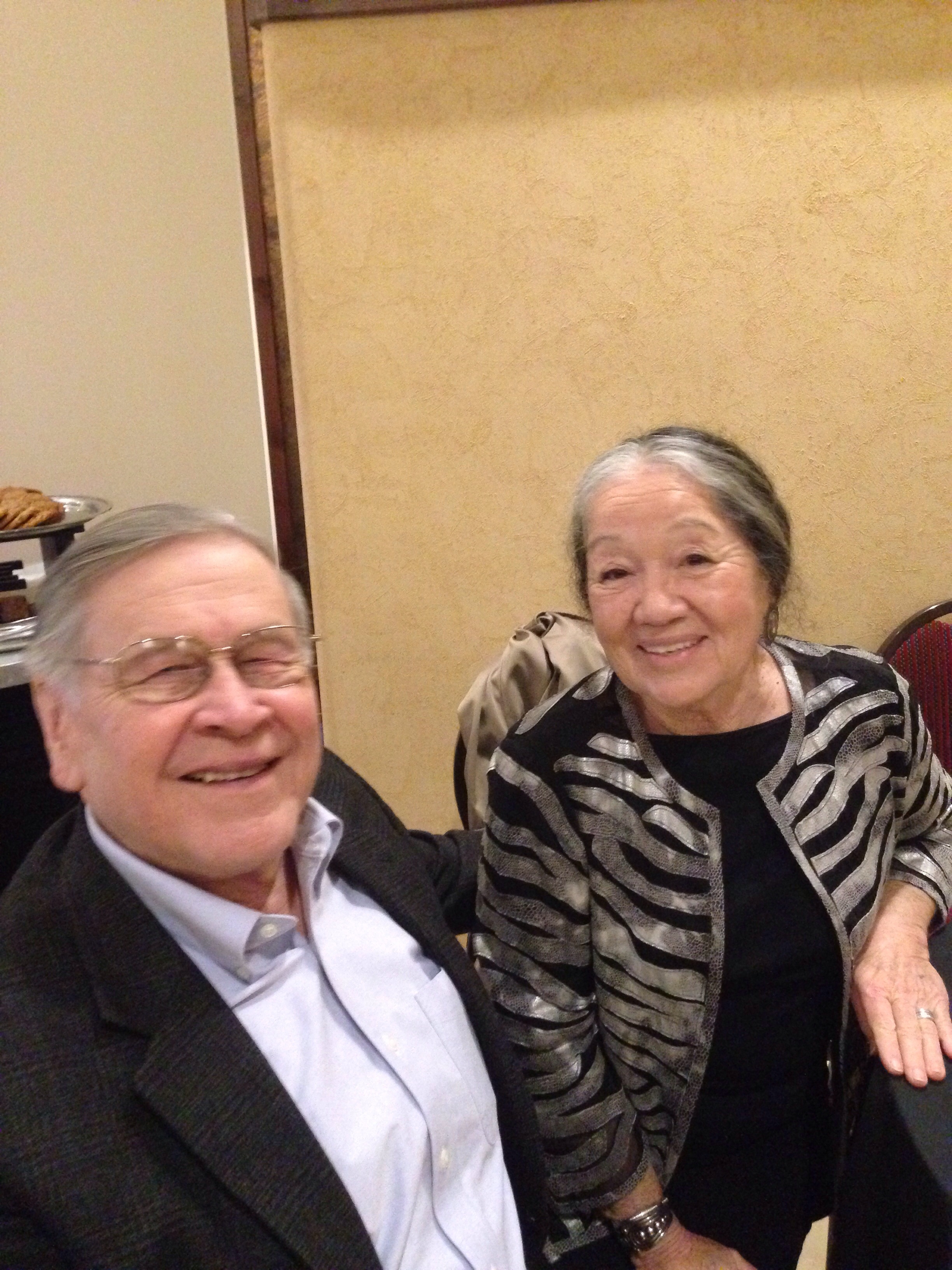
Chuck and Vivian

>

20140412-084556.jpg

Dentons crew

>

20140412-084839.jpg

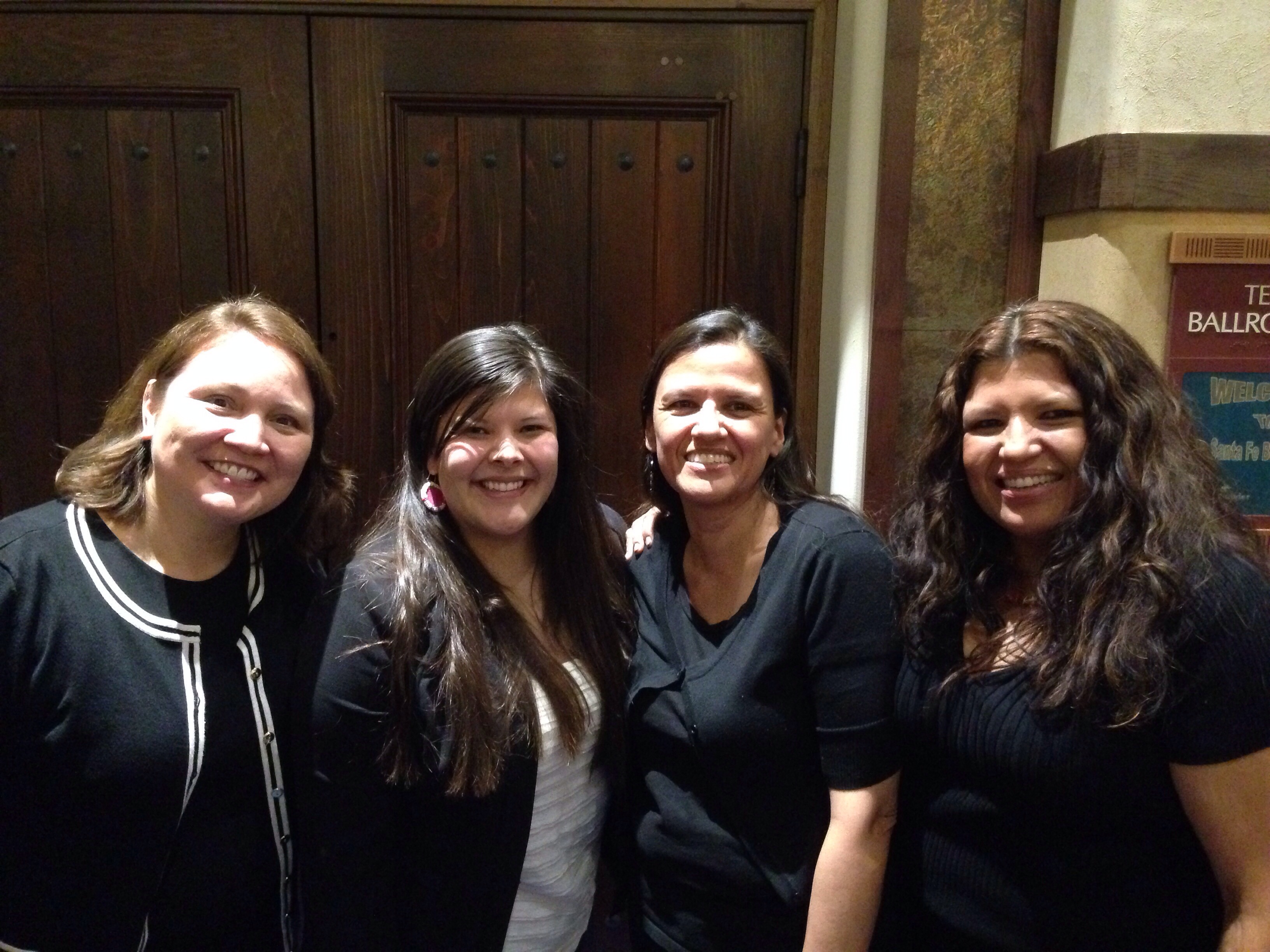
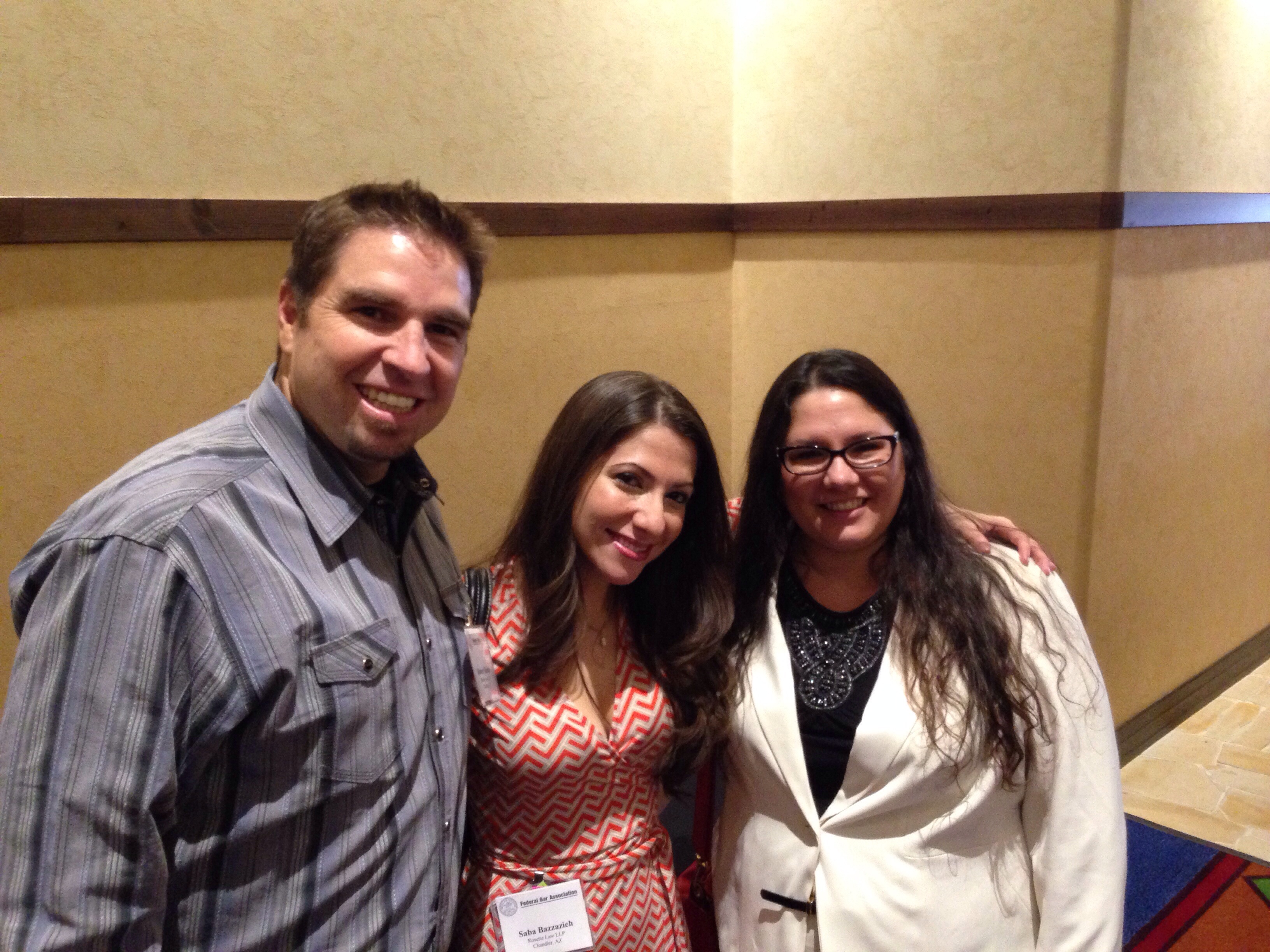
More Pics from Fred Hart Reception

Danielle and Andrew Adams

20140412-083329.jpg

Wenona, Elise, JoAnn, and Liz–Anishiinabekwewaag

>

20140412-083508.jpg

The Rosette firm brain trust.

>

20140412-083702.jpg

>

20140412-083931.jpg

MSU/UM/PLSI Reception for Fred Hart

Professor Hart couldn’t make it but we did our best to honor him in his absence. Sam Deloria spoke.

.

20140412-082627.jpg

Mike Petoskey gifted a turtle drum to honor Prof. Hart

>

20140412-082736.jpg

Event poster

>

20140412-082956.jpg