Iceland in Pictures

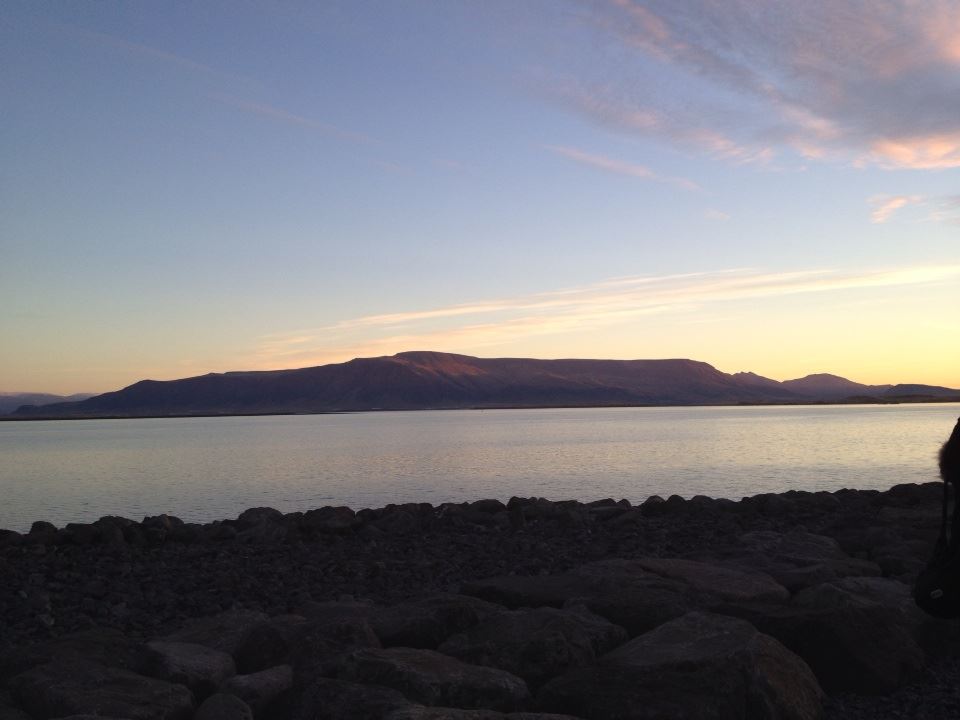
555920_10201306958369253_581475707_n

Reykjavik on the final day of the Arctic Circle Conference

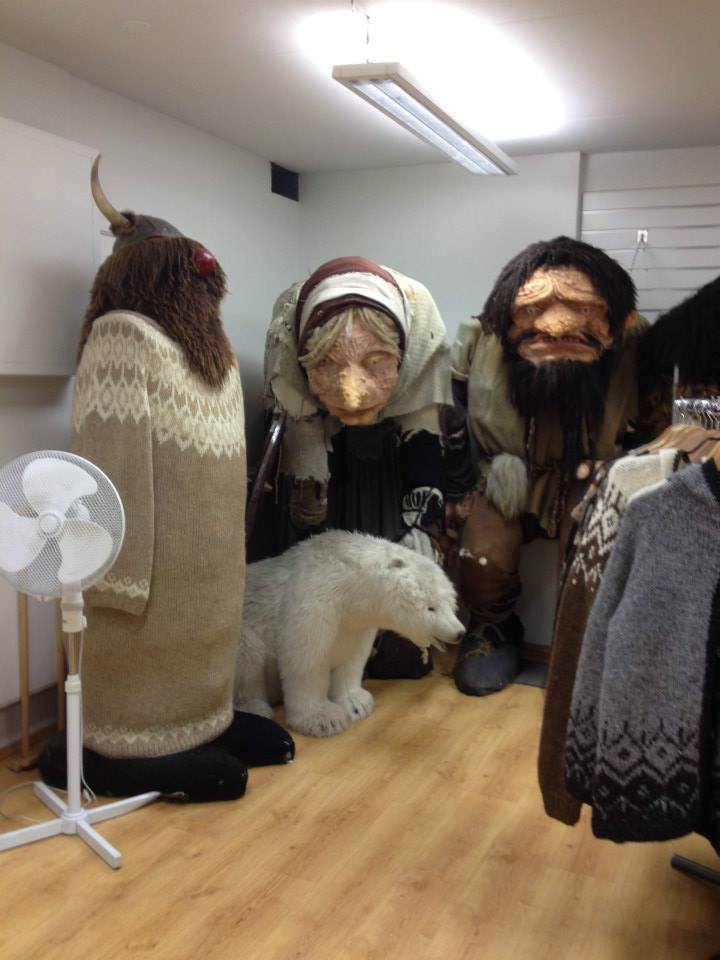
1378169_10201291943673895_685724596_n

Shopping in Akureyri

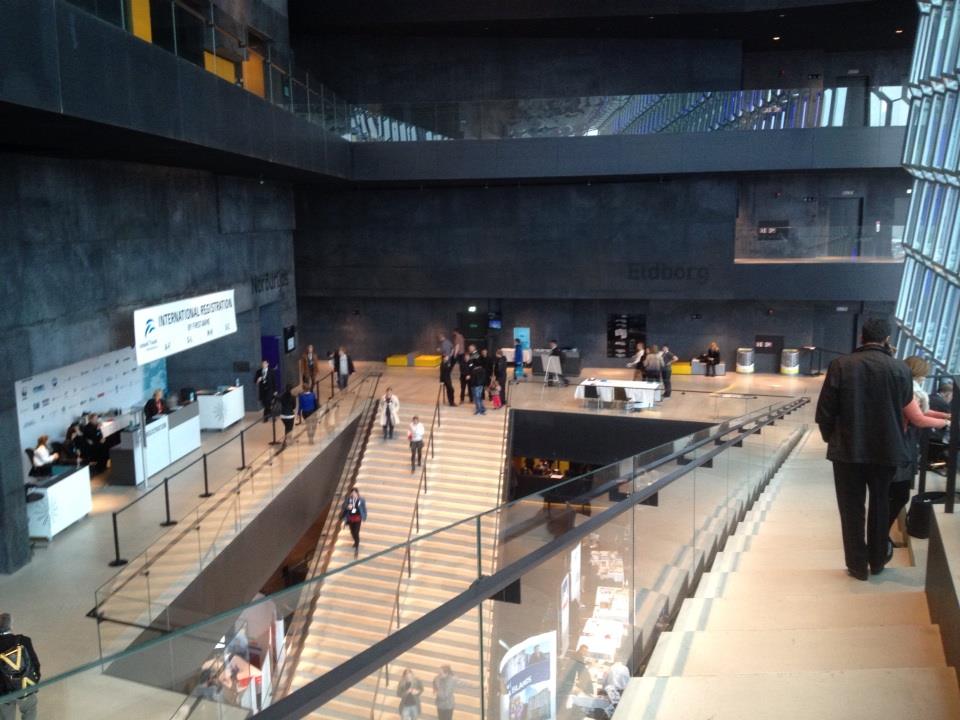
1378238_10201301528353506_1993500106_n

Inside Harpa during the Arctic Circle Conference

1381209_10201284437006233_1015583693_n

Downtown Akureyri

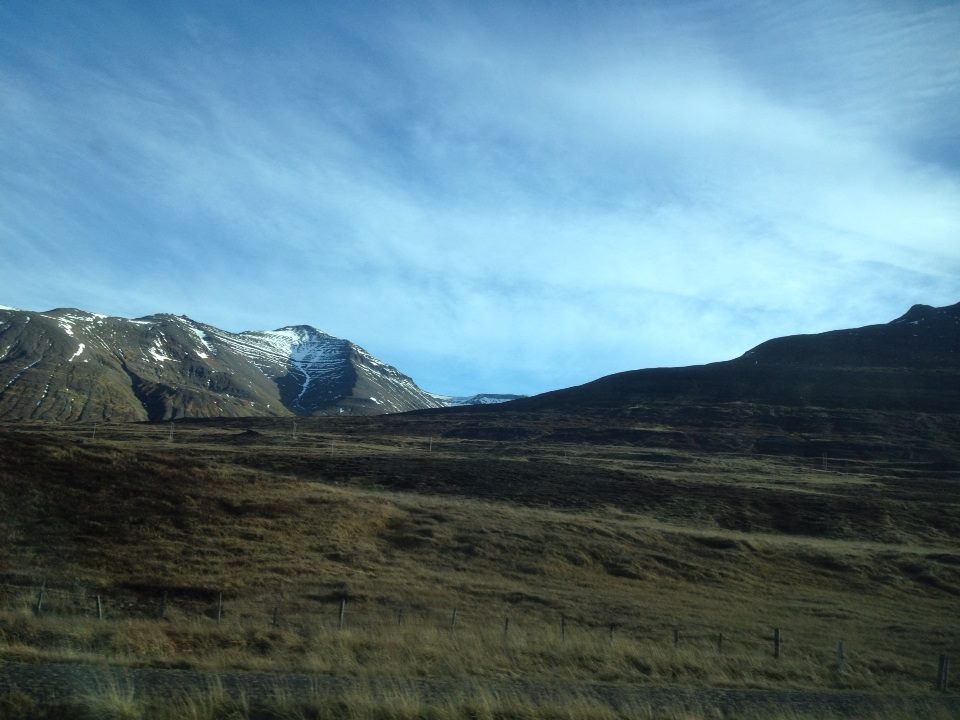
1383686_10201297824780919_770158853_n

Scenery on the drive between Akureyri and Reykjavik

1391682_10201302878627262_1239610866_n

Harpa at night

1392074_10201301498392757_1470507280_n

One of the Greenpeace protesters – raising awareness in their own unique way

Report on the Polar Law Conference and Arctic Circle Conference in Iceland – Long

I just returned from Iceland, where I participated in the 6th annual Polar Law Conference and the inaugural Article Circle Conference. The events drew an impressive array of speakers. It was almost a “who’s who” in Arctic affairs, bringing in heads of state, ambassadors, special envoys, lawyers, scholars, business executives, scientists, activists, students, and other interested people. Coverage of both events can be found online.

Polar Law Conference

Arctic Circle Conference

Instead of simply reviewing the events, I thought I’d mention a few of the presentations and events that were of particular interest to me and that might be interesting to some of you.

This is the second time I have attended the Polar Law Conference. I was impressed both times with how open the attendees are to discussing the implications of Arctic development on the Indigenous peoples who reside in Arctic regions. In fact, I found myself engaged in fascinating discussions with legal scholars from many locations who do not understand the U.S. domestic legal policies toward tribes (does anyone truly understand this?) as well as what appears to the international community as the United States’ hesitance to apply UNDRIP, join ILO 169 or UNCLOS, or apply international customary law norms in US courts. Even more interesting are the discussions on how Indigenous groups around the world are dealing with issues that face us all such as: access to sacred sites, protection of subsistence rights, violence against women, preservation and protection of cultural knowledge, among other things.

Here are some highlights from presentations made at both conferences:

Timo Koivurova, Director of the Northern Institute for Environmental and Minority Law, referred to the evolving indigenous law regime that is developing internationally and the need for this regime to trickle down to the domestic level to be truly effective.

Antje Neumann, Researcher at the Univ of Akureyri and PhD Candidate at the University Tilburg presented a compelling paper on the role of Indigenous knowledge in environmental protection and how assisting Indigenous groups to preserve traditional knowledge may benefit all nations when working on ways to protect and preserve the environment.

Kári á Rógvi, Member of Parliament, Faroe Islands spoke on the struggles that Faroe Islanders face as a self-governing nation under the sovereign authority of Denmark. The similarities in legal struggles between the Faroe Islands and Tribes in the US were striking, and Kári and I both agreed that we might be able to learn much from each other since the issues we face are quite similar.

Leena Heinämäki, Research Fellow, Northern Institute for Environmental and Minority Law, shared a project she is involved with on reclaiming sacred natural sites of Indigenous Peoples in the Circumpolar Arctic. Researchers from various countries are bringing together the similarities and differences that Indigenous Peoples in all Arctic countries are facing, and trying to created a unity of purpose between these groups.

Mara Kimmel, an Alaskan attorney and PhD Candidate, Central European University, gave a fascinating paper called “Land, Governance and Well-Being – An Alaskan Case Study.” Her PhD thesis will be coming out soon, and I am looking forward to reading about Alaska Native land claims, governance issues, and the link to the well-being of the people. Since my presentation had to do with human security issues for Indigenous communities in Alaska and Canada related to economic development, we found a lot of cross issues between human security and the ability to self-govern effectively.

Aqqaluk Lynge, Chair, Inuit Circumpolar Council spoke about the question of whether Indigenous people in the Arctic will thrive or just survive. He said that he is not yet convinced that the Arctic will become a place of peace. He challenged the international community to focus on honesty, integrity, transparency and accountability in its dealings with Indigenous Peoples.

Edward Itta (Inupiaq), Commissioner, U.S. Arctic Research Commission gave a powerful presentation. He wanted to know how the Inupiaq can participate more meaningful in economic opportunities. Perhaps, as he said, it is time for Indigenous peoples to ponder a challenge to the current status quo. As he also said, the Inupiaq “degree” in the Arctic world is their survival!

Gudmundur Alfredsson, Univ of Akureyri (and influential part of the creation of UNDRIP), chaired the session where Mr. Itta spoke. He pointed out the less-than-stellar human rights and Indigenous rights records that many of the Arctic states have. He said that it might be time for the world to start focusing on the North and these important issues. He also took a moment and had every Indigenous person in the audience raise their hands. While there were numerous hands raised, we were still quite a small minority. He said that maybe next year we can do better.

The conference had many memorable moments, from the moment when the director of Greenpeace confronted President Putin’s Special Envoy about the arrest of the 30 Greenpeace protestors to the Google Maps presentation showing the in-depth mapping of the ocean to the gorgeous northern lights display (thanks to Mother Nature for that). It was worth the time to attend.

It would be great to see a stronger representation of Alaska Natives getting their voices heard at these conferences along with other legal scholars from the U.S. While I understand that many in the U.S. do not find it worthwhile to spend much time on the international scene, and it is often cost prohibitive, I think we have a unique opportunity related to the Arctic. The attention of the world is turning to that region, and right now we have an opportunity to have our voices heard. Further down the line, the policies will be set and we will be stuck trying to change the practices that we disagree with. Right now we may be able to influence them from the start. It’s something to consider.
Update, Walking With Our Sisters First Exhibit Opening October 2

The Walking With Our Sisters Exhibit will open to the public on October 2, 2013 at the University of Alberta in Edmonton.

For anyone not familiar with this exhibit, it originated with Métis artist Christi Belcourt, who was looking for a way to raise awareness about the 600+ missing or murdered Indigenous women in Canada. Her original plan was to have 600 moccasin vamps (uppers) made to symbolically represent these women. She sent out requests to the community to see if anyone would be willing to donate vamps to this project. The response to her call has far exceeded her expectations. The final number of vamps that have been created and donated to the project is now 1,723. This overwhelming response is a testament to the impact violence against women has had on Indigenous communities, not only in Canada but in the United States and other places around the world.

A site has been created with information about the project, the schedule of exhibits, pictures of the donated vamps, media releases, and more. Link here.

Previous coverage here.

At this time, Canada has not yet positively responded to requests for an inquiry into the disappearances and unsolved murders of these women.

This project is about these women, paying respect to their lives and existence on this earth.  They are not forgotten.  They are sisters, mothers, daughters, cousins, aunties, grandmothers, friends and wives.  They have been cared for, they have been loved, and they are missing.

Deconstructing the Baby Veronica Case, Implications for Working with Fathers in Indian Child Welfare Practice, Upcoming Event

This event will be held on October 29, 2013 at the University of Minnesota.

After looking at the list of presenters and panelists, I am certain this is going to be a very interesting, informative, and probably lively event.

Presenters

Judge William Thorne
Utah Court of Appeals

Chrissi Nimmo
Assistant Attorney General of hte Cherokee Nation

Mark Fiddler
Attorney representing the Capobianco Family

Erma J. Vizenor
Chairwoman, White Earth Nation

Panelists

Terry Cross
Executive Director
National Indian Child Welfare Association

Essie Leoso

Mary Boo
Assistant Director
North American Council on Adoptable Children

Moderator

Sarah Deer
Assistant Professor of Law, William Mitchell College of Law

Here is the registration link.

Job Announcement: D.N.A. People’s Legal Services, Inc.

D.N.A. – People’s Legal Services, Inc. (Window Rock, AZ)
Two positions available:
1. Domestic Violence Prevention. Attorney, working under a DV grant, assists DV victims with application of protection orders, DV court hearings and other related issues.
2. Staff Attorney. Assisting low income persons with variety of matters including, but not limited to, family law issues, consumer law matters and housing/eviction cases.
Previous work in domestic violence preferred. Direct client assistance experience preferred.
Job Location: Farmington, New Mexico
 
Applications may be emailed to:
Requested Documents:
Resume
Cover Letter
Writing Sample
Applications Accepted Until:
October 03, 2013
Contact Information
Levon Henry
PO Box 306
Window Rock, Arizona 86515

Confederated Salish and Kootenai Tribe set to acquire Kerr Hydroelectric Project in 2015

In September 2015, the Confederated Salish and Kootenai Tribes’ corporation, Energy Keepers, Inc. (EKI), plans to acquire the Kerr Hydroelectric Project. While the purchase price is still under dispute, the tribal news is publishing a series of articles to educate tribal members (and other interested parties) on the history of this deal, as well as the steps that EKI is taking to be prepared to manage this project.

According to the Char-Koosta News:

The Tribes fought hard for the right to acquire the Project when the last FERC license was issued in 1985. For several decades, this opportunity has been seen by successive Tribal Councils as a primary option for CSKT’s future economic development and self-sufficiency. Acquisition of the Kerr Project is also an important way for the Tribes to manage and reclaim natural resources that are critical to the Salish, Kootenai and Pend d’Oreille peoples of the Flathead reservation.

Today, only two years from the opportunity to own and operate the Kerr Project, EKI, the Tribally owned corporation responsible for the management of the Kerr Dam acquisition process, is in full swing– evaluating, planning and preparing for the conveyance of this major hydroelectric facility.

The first three articles in the series are available on the Char-Koosta News site:

The Twists and Turns of Acquiring Kerr Dam here.

Conveyance of Kerr Dam Continues to Move Along here.

Due Diligence on Kerr Dam: Structural Evaluation here.

This is an exciting opportunity for the Confederated Salish-Kootenai Tribe, and I plan to keep checking the Char-Koosta News site to see how this project is progressing.

Thanks to NG

Indian Law Resource Center Job Posting

The Indian Law Resource Center seeks an attorney for the Helena, Montana office.

Announcement here.

Today is International Day of the World’s Indigenous Peoples

“We must ensure the participation of indigenous peoples – women and men – in decision-making at all levels. This includes discussions on accelerating action towards achieving theMillennium Development Goals and defining the post-2015 development agenda. ”

Secretary-General Ban Ki-moon

Link to the UN announcement and New York events here.

Article from NNN with James Anaya speaking about broken treaties here.

In honor of the day, Cultural Survival, First Peoples Worldwide, and International Indian Treaty Council (IITC)  are coming together for an online panel discussion to talk about Free, Prior, and Informed Consent (FPIC) from 11:00 AM to 1:00 PM EST. To be a part of it register here.

Man Camps and Predator Economics, Article and Upcoming Conference

Environmental threats are not the only threats associated with the oil pipeline that is expected to run through and near numerous Native communities in both the US and Canada. With large numbers of outsiders who have no accountability to the local communities coming along to work on that pipeline, it was only a matter of time before Native communities felt the impact.

It was just a matter of time before “man camps” would pose a threat to sacred native lands and bring sexual violence, prostitution, and increased drug traffic into the heartland of Native culture in North and South Dakota. As the proposed TransCanada Corporation oil pipeline that will run from Canada, North Dakota, eastern South Dakota, and Nebraska slouches towards reality, vulnerable populations of the Yankton, Rosebud and Cheyenne River reservations will bear the brunt of increased assaults and predation. This is not a theoretical threat. On a visit to the Bakken oil fields and Williston in North Dakota last summer, it was clear that man camps, temporary housing for oil pipeline workers, were bringing an influx of male population growth and not all of the men were nice guys.

Article here.

Announcement for upcoming conference: Aug 16 & 17 at the Fort Randall Casino to educate on these “man camps” and the impact they are having on Native families. Here.

Sacred Object Returned to Hopi after “Shameful” Paris Auction

One of the attorneys who tried unsuccessfully to stop the Paris auction purchased one of the sacred objects and has returned it to the tribe. Excerpt from the article:

M. Servan-Schreiber then bought one katsina at the auction to return it to the Hopi. He said, ‘It is my way of telling the Hopi that we only lost a battle and not the war. I am convinced that in the future, those who believe that not everything should be up for sale will prevail. In the meantime, the Hopi will not have lost everything since two of these sacred objects* have been saved from being sold.’

According to notes at the bottom of the article, another item was purchased by a family with the intent to return it to the tribe by the end of the year.

Article here.

Previous coverage of the attempts to stop the Paris Auction here.