Here.
Pokagon Chair Matt Wesaw Named Director of Dept. of Michigan Civil Rights
Here.
Here.
Here is the opinion in Confederated Tribes of the Chehalis Reservation v. Lyons. An excerpt:
For the reasons set forth above, we hold that the trial court committed reversible error by admitting the Sexual Assault Report Form without providing the defendant the opportunity to confront the author of the Report. We further hold that the criminal laws and rules of evidence of the Chehalis Tribe were not publicly available prior to the charging of the defendant in this case as required for the Tribe to exercise the enhanced sentencing authority permitted by the federal Tribal Law and Order Act of 2010.
Here is the opinion in Ashkii v. Kayenta Family Court. From the court’s syllabus:
The Supreme Court issues its opinion regarding a petition for extraordinary writ filed by a mother in a paternity and custody matter in which the judge required that both parents pay $1,000 each for a State of Arizona custody evaluator and, furthermore, informed the mother that she would lose custody if the money was not paid. The Court stated that no Navajo rule or statute requires custody cases to be submitted to mediation or custody evaluation, furthermore a State of Arizona evaluator would not be familiar with customs and traditions of the Navajo people. A custody decision based solely on a parent’s inability to pay for a service that is not mandated by law is contrary to fairness and the best interest of the child. Parents should be informed of all options, including pre-trial settlement and peacemaking to resolve custody issues themselves. If information is needed by the family court, a guardian ad litem or Social Services are available to provide reports without charge.
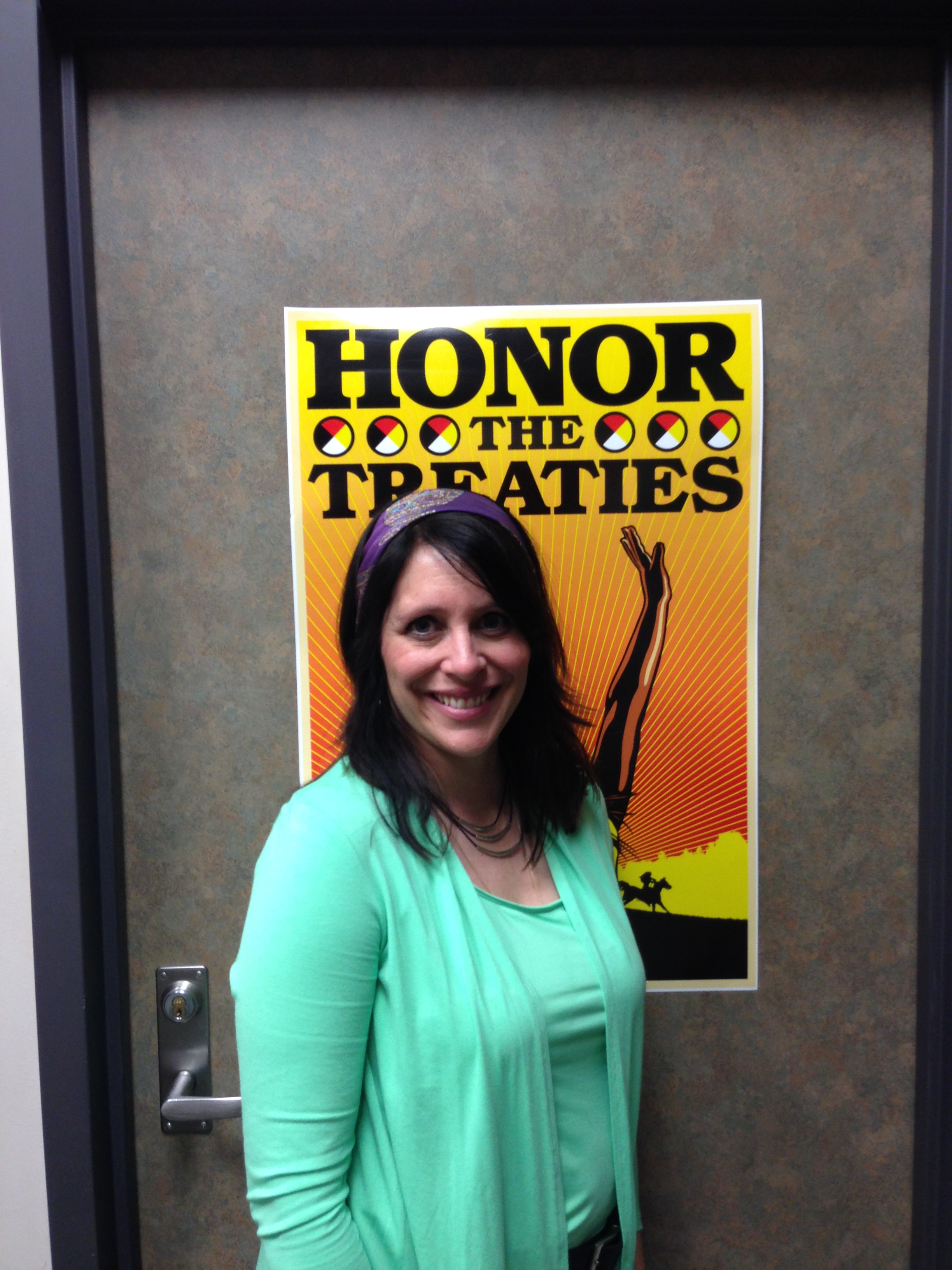
We’re all incredibly proud of Victoria, who has been running a string of major career victories since she won the best grade award in PLSI property….
Here are the materials in Hopi Tribe v. United States (Fed. Cl.):
18 DCT Order Dismissing Complaint
An excerpt:
Plaintiff, an Indian tribe, brought this suit to recover damages for breach of trust. The alleged breach consists of defendant’s supposed failure to ensure that the water supply on plaintiff’s reservation contains safe levels of arsenic. Before the court is defendant’s motion to dismiss for lack of subject-matter jurisdiction, in which defendant asserts that plaintiff has failed to identify an applicable fiduciary duty. The central legal question in this case, therefore, concerns the precise scope of the federal government’s duties as trustee with respect to Indian trusts. See generally United States v. Mitchell (Mitchell I), 445 U.S. 535 (1980). The answer to this inquiry has a long and sometimes acerbic pedigree. But there are some constants.
To be sure, the very notion of a tribal trust relationship is intertwined with the sovereignty of the United States: “Throughout the history of the Indian trust relationship, we have recognized that the organization and management of the trust is a sovereign function subject to the plenary authority of Congress.” United States v. Jicarilla Apache Nation, 131 S.Ct. 2313, 2323 (2011) (citing Merrion v. Jicarilla Apache Tribe, 455 U.S. 130, 169, n.18 (1982); United States v. Wheeler, 435 U.S. 313, 319 (1978); Winton v. Amos, 255 U.S. 373, 391 (1921); Lone Wolf v. Hitchcock, 187 U.S. 553, 565–66 (1903); Cherokee Nation v. Hitchcock, 187 U.S. 294, 308 (1902); United States v. Cadelaria, 271 U.S. 432, 439 (1926); and Tiger v. Western Investment Co., 221 U.S. 286, 315 (1911)). As will become clear, in this case, plaintiff has failed to show that Congress has defined the federal government’s trust duties in such a way as to authorize plaintiff’s suit for damages in this court. Accordingly, the court must grant defendant’s motion to dismiss.
Here:
Individuals who are interested in legal career opportunities focusing on issues that affect indigenous peoples and tribes are invited to our “Lunch and Learn” presentation featuring remarks by faculty and staff members of the MSU Law Indigenous Law and Policy Center. There is no cost to attend and undergraduates at all levels of their education – freshmen through seniors – are welcome to attend. College graduates and graduate students are also welcome. A complimentary lunch will be served.
Please confirm your attendance by contacting the Admissions Office at admiss@law.msu.edu or 517.432.0222. Please RSVP on or before November 18 at 5:00 p.m.
This event will be held at the College of Law, 648 N. Shaw Lane.
Here.
 An excerpt:
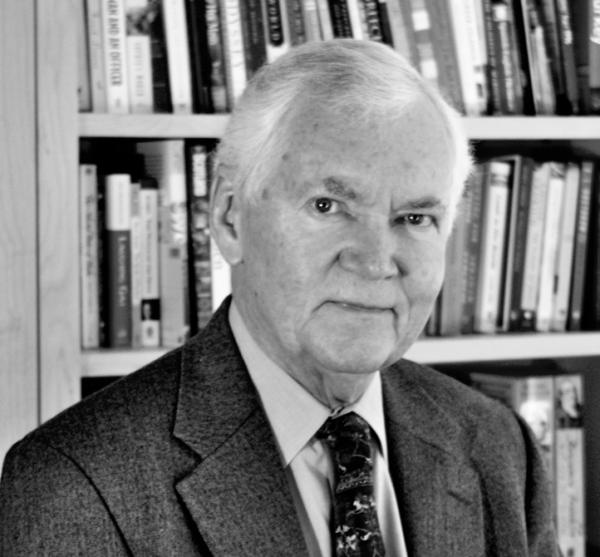
Your 1983 and 2013 voting-rights lawsuits have striking similarities. In other recent cases, jurisdictions you sued years ago are defendants once again. Are Native voting rights running in place?
There’s been progress—no doubt about that. Lawsuits have resulted in the creation of districts that allow Indian people to elect representatives of their choice. Tribal members have become aware of the value of participating in non-tribal elections. If you don’t vote, you’re not only denied the benefits of the government or school board, but you become its victim.
When we filed the 1983 lawsuit, no tribal member had ever been elected to Big Horn County’s commission. After we won, redistricting meant an Indian was elected. The Indian population has increased since then, and tribal members now hold several county positions. There’s been enormous change, here and elsewhere.
Read more at http://indiancountrytodaymedianetwork.com/2013/10/05/7-questions-aclus-laughlin-mcdonald-native-voting-rights-151545


You must be logged in to post a comment.