Here are the materials:
Brice Rehearing Petition 11.1 final
Amicus Brief Supporting Petition
CA9 Order Granting En Banc Review
Panel materials here.
Here are the materials:
Brice Rehearing Petition 11.1 final
Amicus Brief Supporting Petition
CA9 Order Granting En Banc Review
Panel materials here.
Here are the materials in Cayuga Nation v. Parker (N.D. N.Y.):
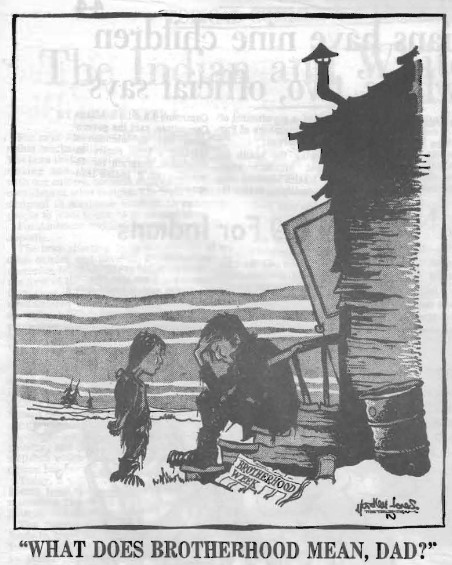
Here. An excerpt:
CashCall, Inc., made unsecured, high-interest loans to consumers throughout the country. After attracting unwanted attention from regulators, it sought to avoid state usury and licensing laws by using an entity operating on an Indian reservation. CashCall paid for that entity to issue loans and then purchased the loans days later. The loan agreements contained a choice-of-law provision calling for the application of tribal law, so they would not be subject to the law of borrowers’ home States, which would have prohibited the loans. CashCall sought advice from a scholar of federal Indian law, who opined that the scheme “should work but likely won’t.” His concern proved well founded. The Consumer Financial Protection Bureau brought this action against CashCall, its CEO, and several affiliated companies, alleging that the scheme was an “unfair, deceptive, or abusive act or practice,” 12 U.S.C. § 5536(a)(1)(B), because CashCall demanded payment from consumers under the pretense that the loans were legally enforceable obligations, when in fact they were invalid under state law. The district court found the defendants liable and imposed a civil penalty of $10.3 million, but the court declined to order restitution.
Briefs here.
Here is the motion to approve the settlement in Hengle v. Asner (E.D. Va.):

Here is the order in Reyes v. Mobiloans LLC (Fla. Cty. Ct.):
Here:
Questions presented:
Whether a federal court may force a non-consenting, non-Indian plaintiff to exhaust his claims in tribal court when the defendant tribe has expressly consented by contract to federal or state court jurisdiction and waived both sov- ereign immunity and tribal exhaustion.
Whether a state court may adjudicate a contractual dispute between a tribe and a non-Indian where the tribe has provided specific contrac- tual consent to state court jurisdiction; or in- stead, whether the Constitution or laws of the United States prohibit such exercises of state court jurisdiction unless the State has assumed general civil jurisdiction over tribal territory under Sections 1322 and 1326 of Title 25.

Lower court materials here.
Update:


 Turtle Talk
You must be logged in to post a comment.