Here is the opinion in LAURIE TSAO V. DESERT PALACE, INC.
Ninth Circuit Decides Gaming Case — Blackjack Card Counters Beware!
Here is the opinion in LAURIE TSAO V. DESERT PALACE, INC.
Here is the opinion in LAURIE TSAO V. DESERT PALACE, INC.
L-R
Lael Echo-Hawk, Victoria Sweet

L-R, Andrew Adams III, Elizabeth Homer

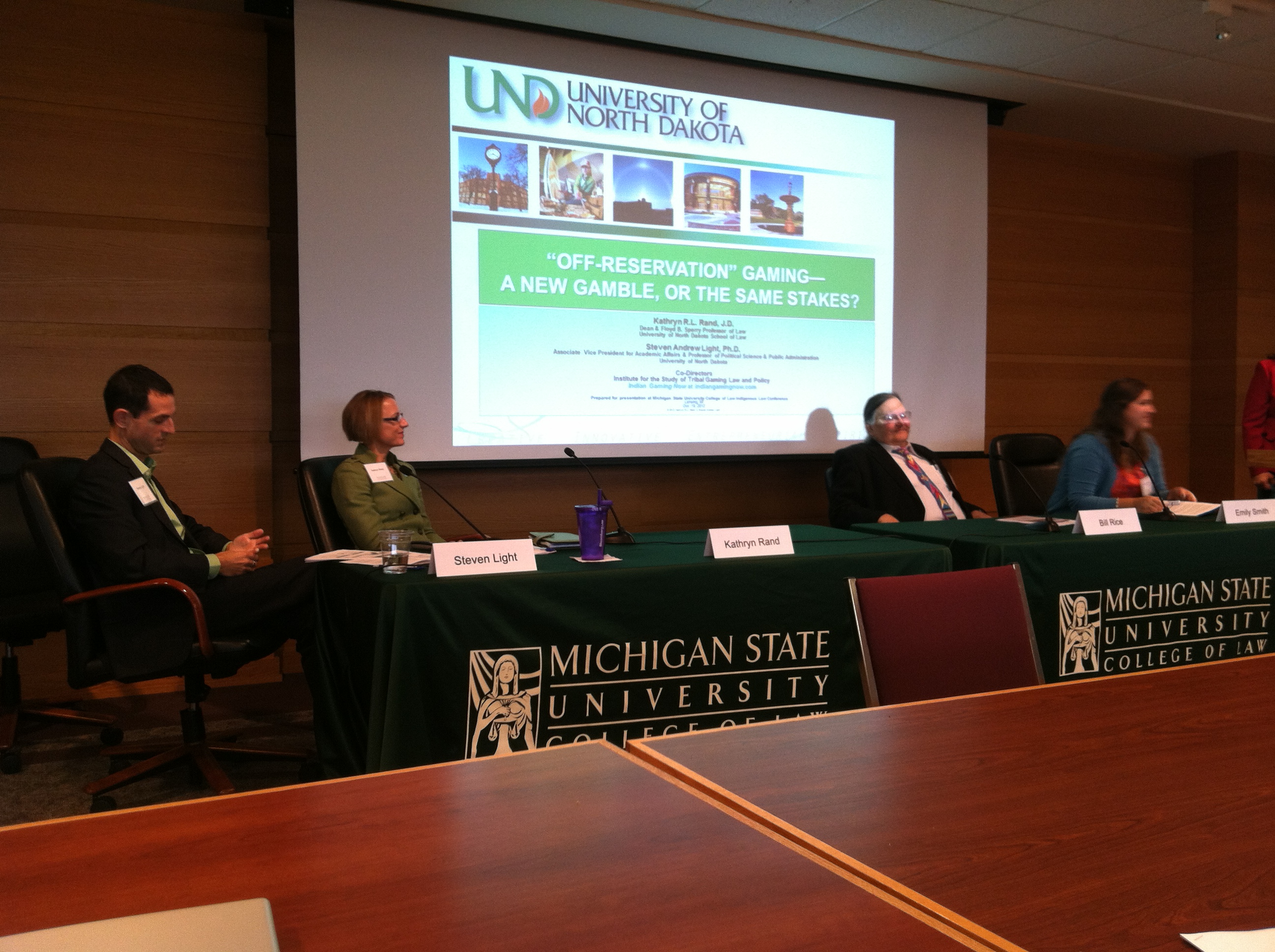
L-R: Steven Light, Kathryn Rand, Bill Rice, and moderator Emily Smith
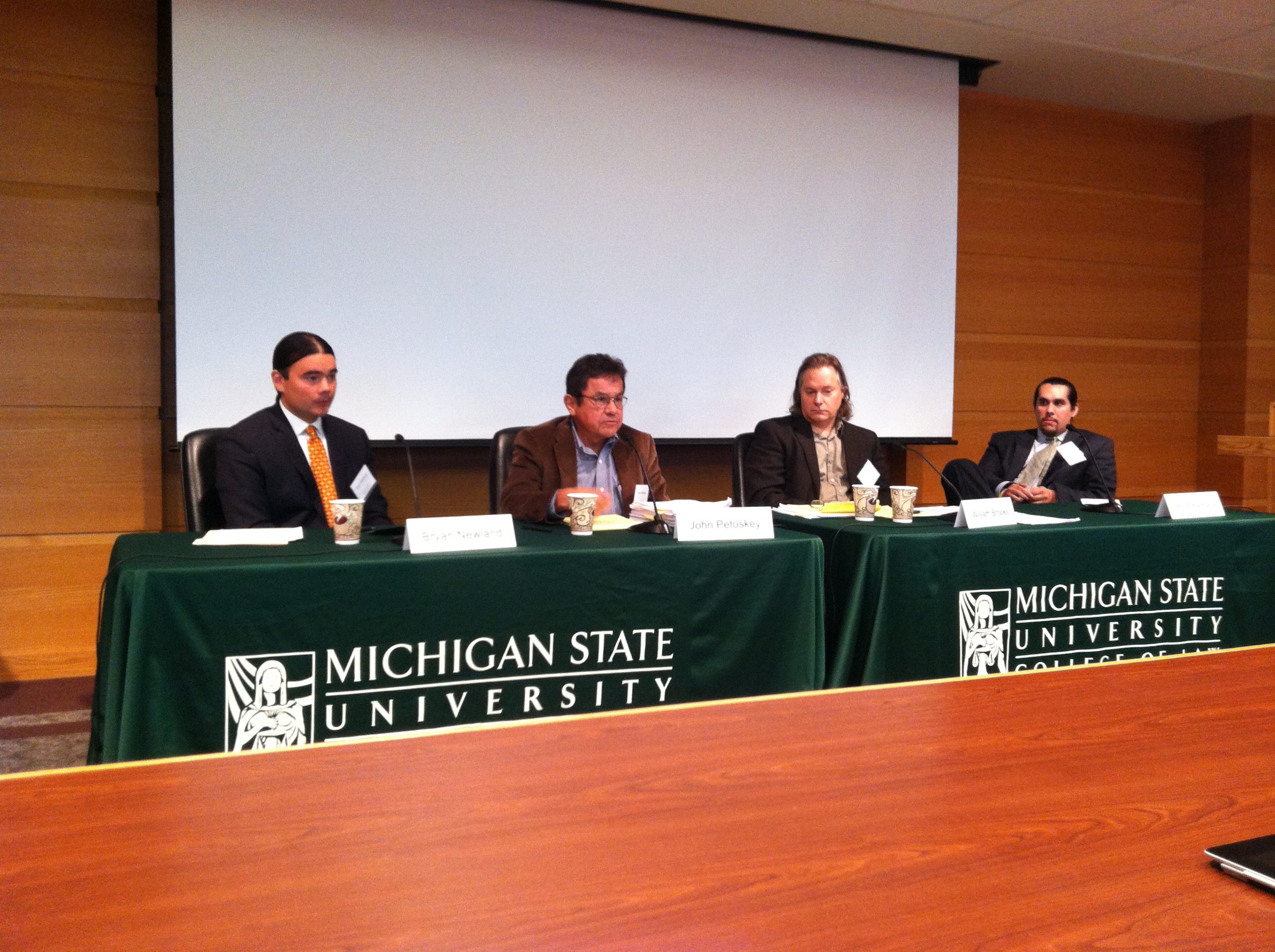
L-R, Brian Newland, John Petoskey, Bill Brooks, and moderator John Simermeyer
Apropos of our conference tomorrow.
Here.
The proposed $245 million casino project involves a complicated business and land deal between the city of Lansing, private developers and an indian tribe from the Upper Peninsula.
So complicated those involved were not able to reach an agreement on the various aspects of the project by an August deadline. So they gave themselves an extension until November 1st.
But with two weeks before the extended deadline there’s still no final agreement.
John Wernet is an attorney for the Sault Ste Marie Tribe of Chippewa Indians. He says they are “on track to close on the purchase by November 1, though the amount of work….is a bit daunting.”
Here is the opinion in Lubrano v. Mohegan Sun Casino (Conn. App.):
An excerpt:
The defendants, Mohegan Sun Casino and Safety National Casualty Corporation, appeal from the decision of the workers’ compensation review board (board) affirming the decision of the workers’ compensation commissioner for the second district (commissioner) denying the defendants’ request to review their claim challenging the allocation of certain third party settlement proceeds between the plaintiff, Joseph Lubrano, and his wife, Jill Lubrano. On appeal, the defendants claim that (1) the board improperly affirmed the commissioner’s finding that the [6] workers’ compensation commission (commission) lacked jurisdiction to review the amount of a spouse’s recovery from a third party claim for loss of consortium when determining the appropriate moratorium due to the defendants, (2) “the commissioner erred in finding, and the board erred in affirming, that the [defendants] had waived reimbursement of workers’ compensation benefits paid” and (3) “the commissioner erred in finding, and the board erred in affirming, that the [defendants’] moratorium was only $2,190,056.3.” We affirm the decision of the board.
Here is the opinion in Miccosukee Tribe of Indians v. United States.
An excerpt:
This appeal presents three issues: (1) whether the Miccosukee Tribe may assert tribal sovereign immunity to quash summonses issued to third-party financial institutions by the Commissioner of the Internal Revenue Service to obtain tribal financial records relevant to an ongoing tax investigation; (2) whether the Commissioner issued the summonses for a proper purpose; and (3) whether the Tribe has standing to bring an overbreadth challenge to summonses issued to third parties and, if so, whether the summonses were overbroad. In 2010, the Commissioner issued four summonses to third-party financial institutions to determine whether the Tribe had complied with its federal withholding requirements during the period from 2006 to 2009. The Tribe petitioned to quash the summonses on the grounds of sovereign immunity, improper purpose, relevance, bad faith, and overbreadth. The district court denied those petitions. Because we conclude that tribal sovereign immunity does not bar the issuance of these third-party summonses, the district court did not clearly err when it found that the summonses were issued for a proper purpose, and the Tribe lacks standing to challenge the summonses for overbreadth, we affirm.
Briefs are here.
Lower court materials here.
The tribe here is appealing a state court trial decision holding that a jury should determine whether the tribe’s waiver of immunity was “reasonable.” There are other issues as well (for example, the NIGC issued an opinion on the underlying contract that the state trial court disregarded on various grounds). Here are the materials in Sharp Image Gaming v. Shingle Springs Band of Miwok Indians (Cal. App.):
2009-11-17 Ruling re Motion to Dismiss
2012-10-10 Tribes Opening Brief
Prior post on this case here.
Here:
Questions presented:
1. Does Justice Brandeis’ opinion in Turner v. United States, 248 U.S. 354 (1919) support the concept of tribal sovereign immunity or should that accidental doctrine, questioned in Kiowa Tribe of Oklahoma v. Manufacturing Technologies, Inc., 523 U.S. 751 (1998), be revised and discarded, at least in the context of tribal alcoholic beverage commercial activities?
2. Do Title 18 U.S.C. § 1161 and Rice v. Rehner, 463 U.S. 713 (1983), exclude tribal alcoholic beverage endeavors from sovereign immunity protection?
3. Does tribal sovereign immunity preclude a suit against an Indian Tribe which has obtained a state liquor license and has operated an alcoholic beverage facility pursuant to that liquor license and in the process has violated state law subjecting a license holder to liability?
 Turtle Talk
You must be logged in to post a comment.