Genesis M. Agosto has published “Involuntary Sterilization of Native American Women in the United States: A Legal Approach” in the Nebraska Law Review.

Genesis M. Agosto has published “Involuntary Sterilization of Native American Women in the United States: A Legal Approach” in the Nebraska Law Review.
Seth Davis, Eric Biber & Elena Kempf have published “Persistent Sovereignties” in the University of Pennsylvania Law Review. Here is the abstract:
From the first days of the United States, the story of sovereignty has not been one of a simple division between the federal government and the states of the Union. Then, as today, American Indian tribes persisted as self-governing peoples with ongoing and important political relationships with the United States. And then, as today, there was debate about the proper legal characterization of those relationships.
The United States Supreme Court confronted that debate in McGirt v. Oklahoma when, in an opinion by Justice Neil Gorsuch, it held that the reservation of the Muscogee (Creek) Nation “persists today.” The Court’s recognition of the persistence of Tribal sovereignty triggered a flurry of critical commentary, including from federal lawmakers who share Justice Gorsuch’s commitment to originalism. But the early history of federal Indian law supports the persistence of tribal sovereignty.
Here is “Episode Sixteen: Federal Indian Law Part 1.”
Thanks to Tim Innes for including me.

Here.

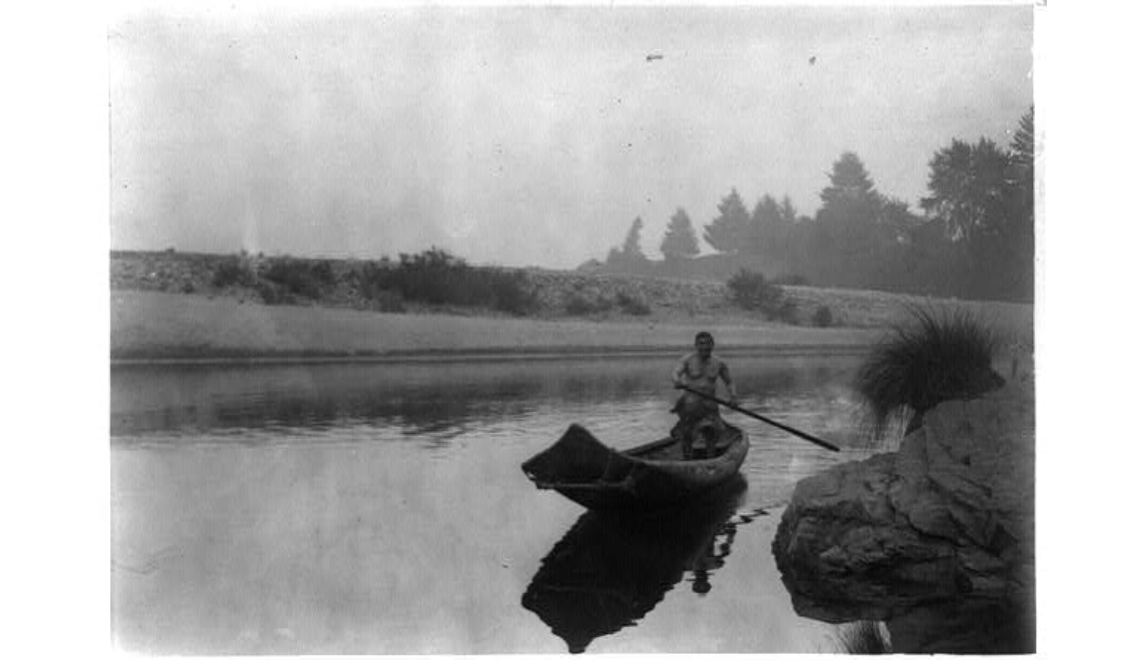
In 1969, after a meeting of the California Indian Legal Services board, a group “democratically-selected Indians,” CILS drafted a bill to transfer Bureau of Indian Affairs control over to “democratically-selected Indians.”
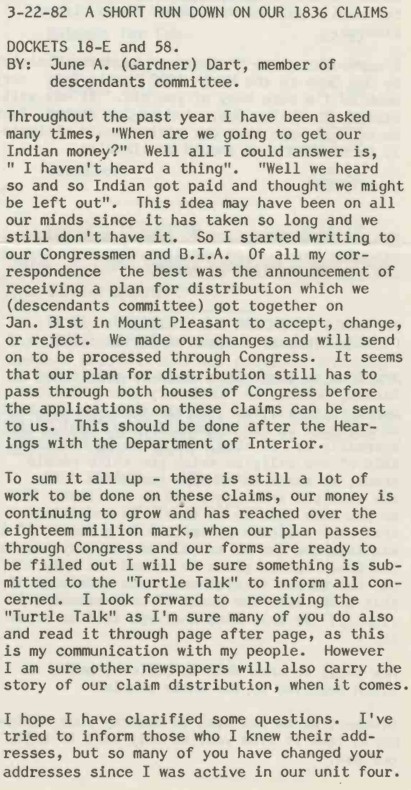
The Michigan Indian Land Claims Settlement Act of 1997 took some time to get past Congress after the Indian Claims Commission judgment came out in 1972. Here is some of that history told in the pages of the original Turtle Talk newsletter and its precursor, Indian Talk of Southern Michigan.



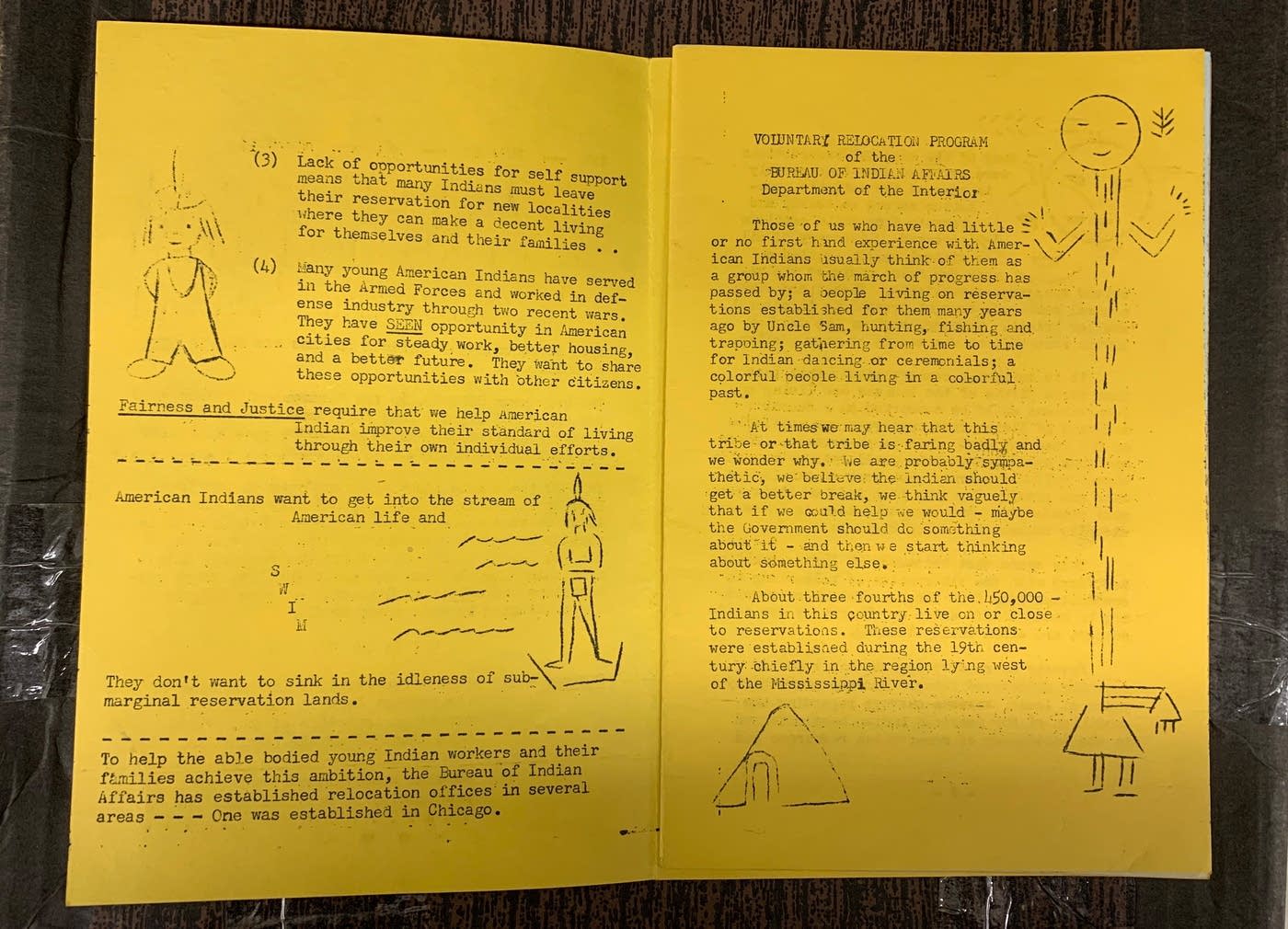
A really interesting look at the BIA Urban Relocation project.
Our friend Gregory Ablavsky has published “Federal Ground: Governing Property and Violence in the First U.S. Territories” with Oxford. Columbia Law Review and Michigan Law Review (forthcoming) book reviews are available.

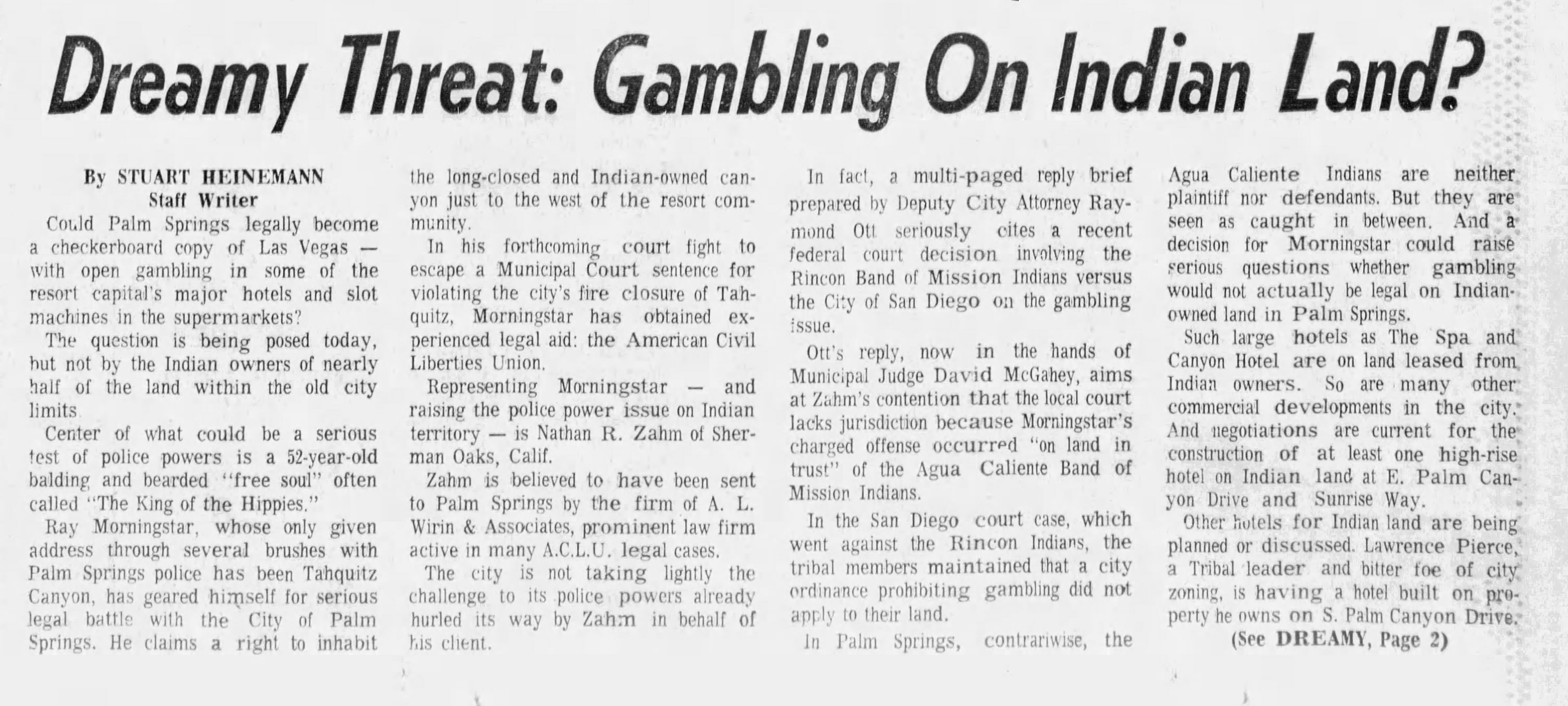
William Wood has published “The (Potential) Legal History of Indian Gaming” in the Arizona Law Review. PDF
Here is the abstract:
Indian gaming—casinos owned, operated, and regulated by Indian tribes—has been a transformative force for many Indigenous nations over the past few decades. The conventional narrative is that Indian gaming began when the Seminole Tribe of Florida opened a bingo hall in 1979, other tribes began operating bingo, litigation ensued across the continent, and the U.S. Supreme Court recognized tribes’ rights to operate casinos on their reservations in 1987, in California v. Cabazon Band of Mission Indians. Congress then passed the Indian Gaming Regulatory Act in 1988, ushering in the modern Indian gaming era.
This Article provides a heretofore-untold account of the early Indian gaming jurisprudence and related developments. Judges in the earliest Indian gaming cases, which have gone unnoticed, ruled against tribes. Then a series of cases involving the applicability of state law to mobile homes and cigarette and fireworks sales on Indian reservations produced a test under which states could exercise jurisdiction on reservations over activities they prohibit off-reservation but lack jurisdiction over activities they do not prohibit but only regulate. The Supreme Court used this test in Cabazon to hold that state laws did not apply to tribes’ bingo halls and cardrooms.
This Article details the development of the legal doctrine around Indian gaming and how the people involved—legal services attorneys working with legal scholars at the behest and on behalf of Indigenous peoples asserting their sovereignty against state pushback—changed the course of the jurisprudence, providing the framework that yielded the result in Cabazon and Indian gaming as it exists today.
Highly entertaining and recommended.
 Turtle Talk
You must be logged in to post a comment.