Here are the materials in In re Revocation of Licenses/Permits of Citizen Potawatomi Nation (Okla. Tax Commission):
Stipulations-filed with exhibits
Here are the materials in In re Revocation of Licenses/Permits of Citizen Potawatomi Nation (Okla. Tax Commission):
Stipulations-filed with exhibits
Here is the order:
An excerpt:
The pivotal question before the board at hearing was whether CTGW, LLC is an arm of the tribe such that it might be per se exempt from assessment and taxation on “un-attached business personal property located at Great Wolf Lodge.” See Galanda Decl. Exhibit H -01 (Quotation from February 11, 2014 letter from Thurston County Treasurer Shawn· Myers to David Burnett, President, CTGW, LLC). As explained below, the Board finds that CTGW, LLC is exempt from all assessments and taxes on the un-attached business personal property used exclusively on tribal trust land and that the taxable assessment for each year subject to a petition must be reduced to zero.
From NITA:
Agua Caliente Band of Cahuilla Indians v. Riverside County, et al, 5:14-cv-00007-DMG-DBT (United States District Court, Central District of California). The Aqua Caliente Tribe filed this civil action against Riverside County to stop the collection of taxes on Indian land leaseholders. The Desert Water Agency intervened in this action. Riverside County collects possessory interest taxes from Indian land leaseholders and then redistributes much of the money to cities, schools and other local governments. The Tribe has long viewed as this tax as illegal and views these possessory interest taxes as an unlawful infringement on Tribal sovereignty rights. The action was filed January 2, 2014 and is set for trial on June 16, 2015.
Here are the materials in Agua Caliente Band of Cahuilla Indians v. Riverside County (C.D. Cal.):
NITA_Request_to_File_Amicus_and_Brief
Opposition_to_File_Amicus_Desert_Water
Here (PDF):
NATIONAL INTERTRIBAL TAX ALLIANCE WRAPS UP ITS 16TH ANNUAL TAX CONFERENCE – SEPTEMBER 24-15, 2014 – Harrah’s Resort Southern California (Rincon Band of Luiseño Indians), Valley Center, California
VALLEY CENTER, CA October 1, 2014– The National Intertribal Tax Alliance (NITA) wrapped up its 16th Annual conference, September 24-25, 2014 hosted and sponsored by the Rincon Band of Luiseño Indians and held at their fabulous and newly-renovated Hotel and Casino in Valley Center, California just northeast of San Diego. NITA is the foremost Native organization focusing on tribal taxation issues for tribal governments and tribal enterprises. This year’s well-attended conference included many “hot topic” tribal taxation issues facing tribes in Indian Country today.
Rincon Band Chairman Bo Mazzetti welcomed attendees, followed by an Opening Prayer by Council Member, Laurie Gonzalez. Past NITA Board Chairperson, Mary Mashunkashey gave the Opening remarks thanking all the speakers and conferees for their participation emphasizing the importance of NITA’s conferences as vital element to the mission and objectives in assisting and disseminating information on current tribal tax issues to tribes and tribal tax commissions which affects many aspects of tribal sovereignty.
Headlining this year’s Conference was Keynote Speaker Matthew Fletcher, Professor of Law at Michigan State University College of Law and Director of the Indigenous Law and Policy Center. Professor Fletcher is also primary editor of the popular Indian law blog, “Turtle Talk.” (https://turtletalk.wordpress.com). Professor Fletcher delivered an intriguing and thought-proving address focusing on “Rights Without Remedies” regarding court decisions affecting tribal sovereign immunity in various court cases where the right of a state under federal Indian law was unenforceable against an Indian tribe due to sovereign immunity. His keynote explains the court’s reaffirmation of the “clear statement rule.” He states “the clear statement rule recognizes that Congress has plenary authority to regulate tribal governance authority, but also that Congress retains a general trust responsibility to Indian nations and Indian people, requiring Congress to make clear, plain and express any intent to restrict tribal authority.” Professor Fletcher went on to explain different areas of tribal authority and the Legislative arena emphasizing that “Congress might pay more attention this time.” Professor Fletcher’s paper is contained in the Conference booklet available on the NITA website (see below for link.)
Here:
Here is the question presented:
This Court established in Ex parte Young, 209 U.S. 123 (1908), that a plaintiff may sue state officials for prospective injunctive relief against the enforcement of an unconstitutional state law. In the intervening years, this Court and most courts of appeals have repeatedly held that Ex parte Young allows federal courts to enjoin the future enforcement of state tax schemes that violate federal law or the Constitution. This Court has also observed that an injunction requiring a state’s future compliance with federal law does not violate state sovereign immunity, even if it has a “substantial ancillary effect on the state treasury.” Papasan v. Allain, 478 U.S. 265, 278 (1986).
In this case, however, the Eleventh Circuit concluded otherwise. It departed from this Court’s precedent, and “create[d] a circuit split,” Pet. App. 24a (Jordan, J., concurring in part and dissenting in part), when it held that Ex parte Young does not permit the Seminole Tribe of Florida to seek injunctive or declaratory relief against the future unconstitutional enforcement of Florida’s fuel tax scheme. The court’s holding turned on the fact that Florida precollects this tax from a third party, which means that an order barring future enforcement against the tribes might require the state to issue tribal consumers refunds “from state coffers,” supposedly in violation of the Eleventh Amendment. Pet. App. 12a.
The question presented is whether sovereign immunity bars an American Indian tribe from seeking Ex parte Young relief from the unconstitutional enforcement of a state tax scheme merely because that relief might require refunds for taxes unlawfully collected in the future.
Lower court materials and my commentary here.
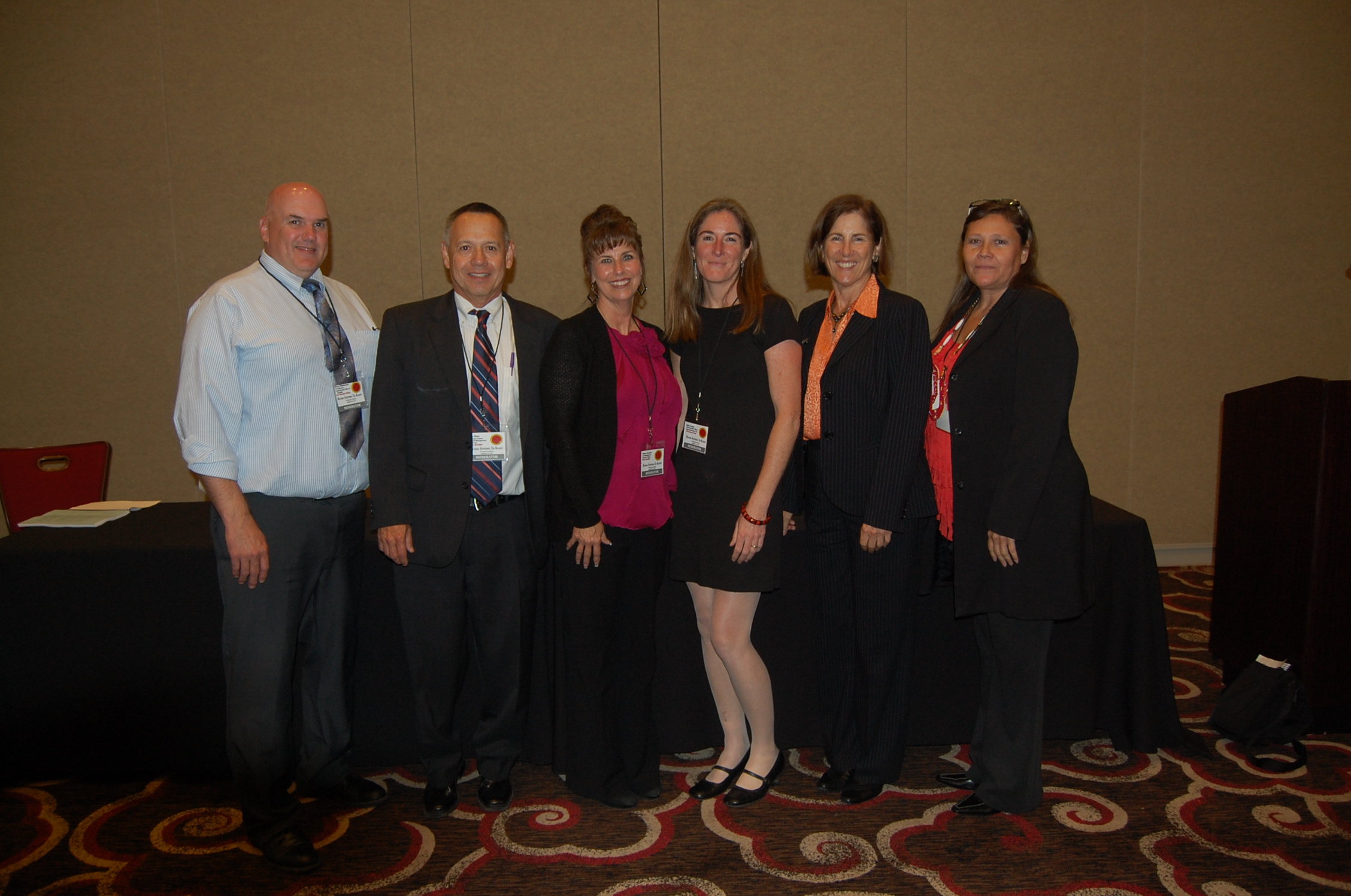
The NITA Board:
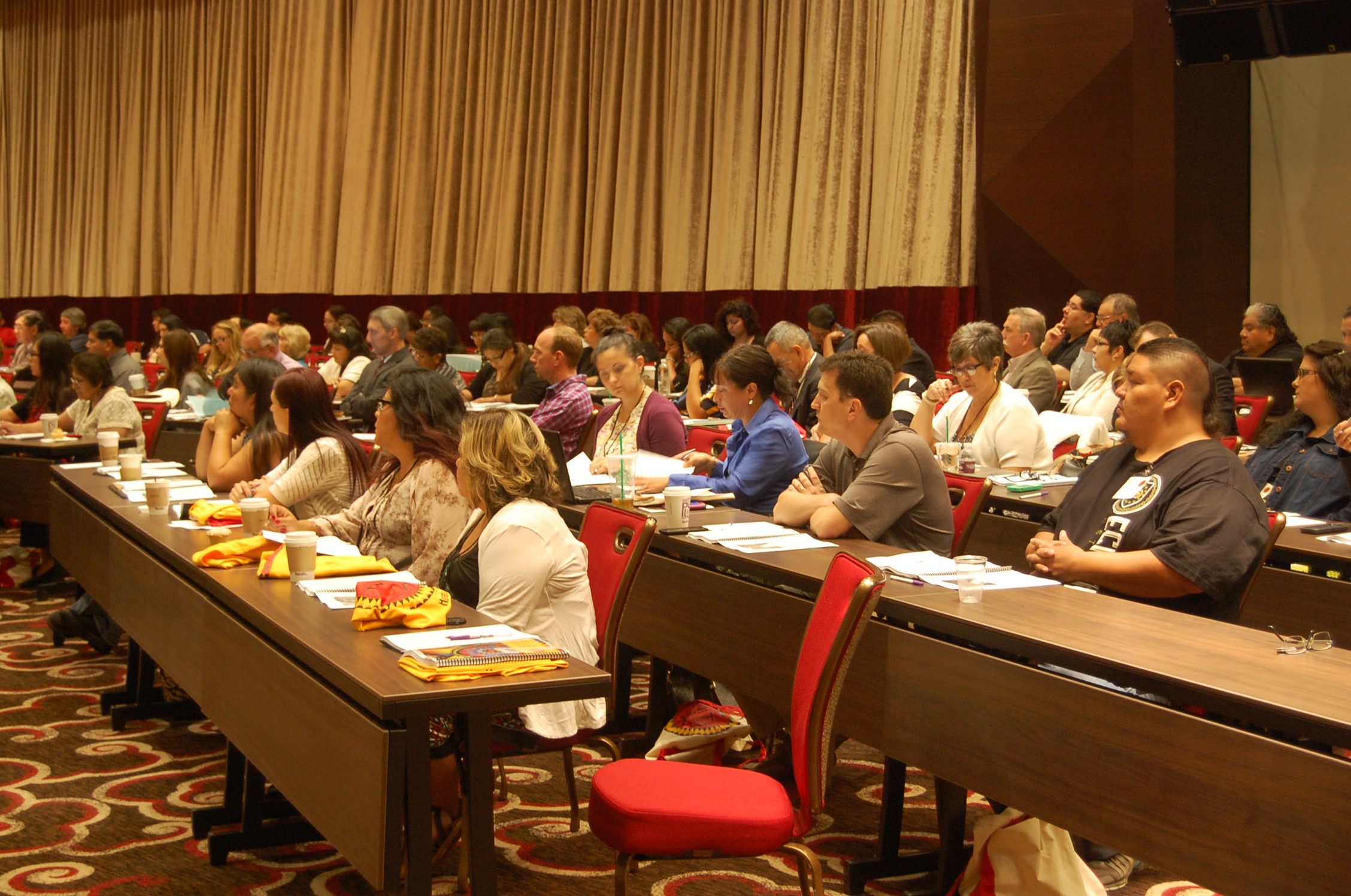
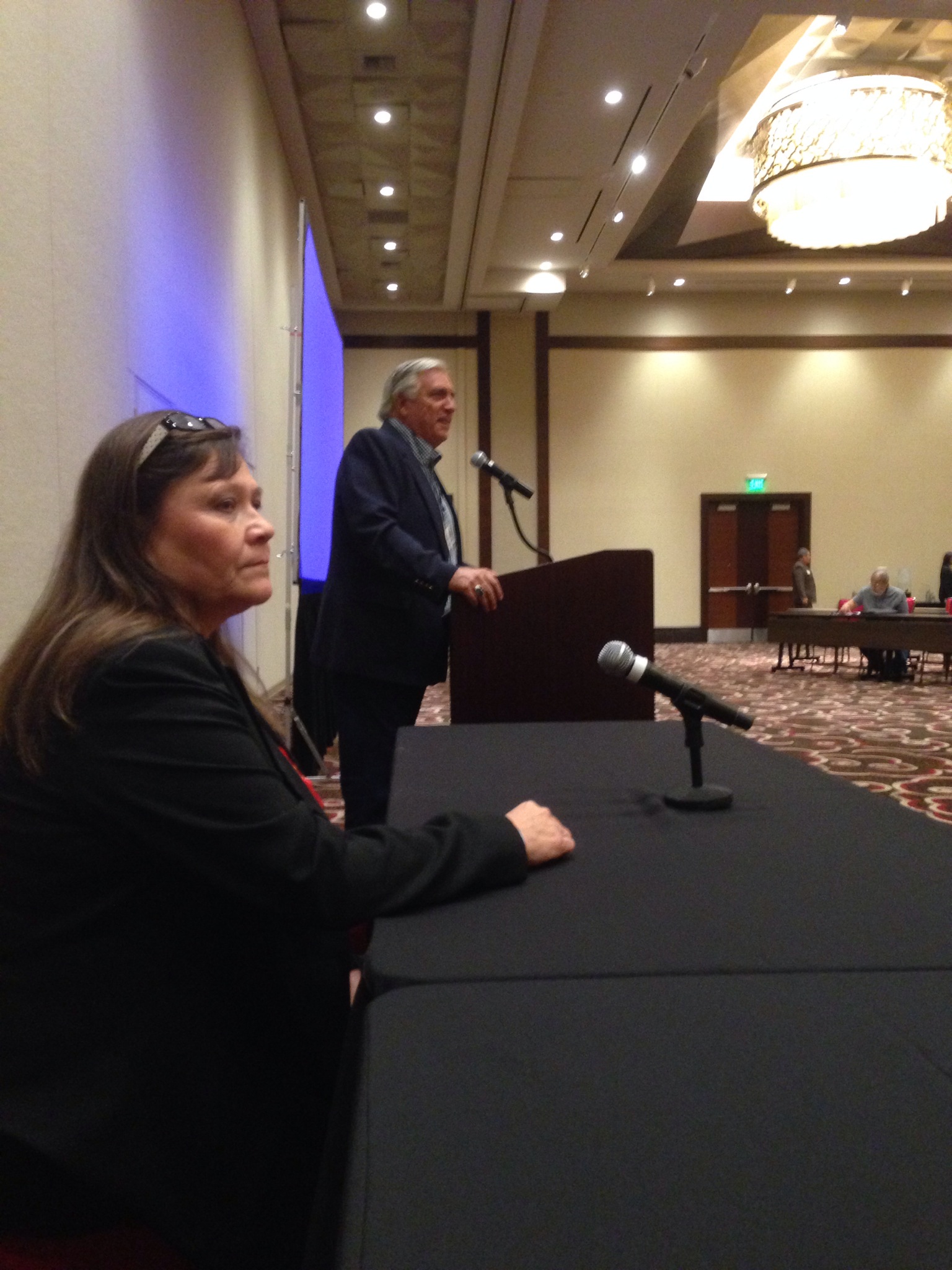
Audience pics:

Fletcher again

The court’s syllabus:
Affirming the district court’s summary judgment, the panel held that the Yakama Treaty of 1855 did not preclude enforcement of the State of Washington’s escrow statute, which requires tobacco companies to place money from cigarette sales into escrow to reimburse the State for health care costs related to the use of tobacco products.
The panel held that Washington’s escrow statute was a nondiscriminatory law and that the activities of King Mountain Tobacco Co., a company owned and operated by an enrolled member of the Yakama Indian Nation, were largely off-reservation. Accordingly, absent express federal law to the contrary, King Mountain was subject to the escrow statute. The panel held that the plain text of the Yakama Treaty did not create a federal exemption from the escrow statute. Specifically, Article II of the Treaty, which established the boundaries of the Yakama reservation and reserved it for Yakama use and benefit, was not an express federal law that exempted King Mountain from the escrow statute. Nor was Article III, which reserved to the tribe the right to travel on public highways and the right to hunt and fish. The panel held that the district court did not err by declining to make findings regarding the Treaty’s meaning to the Yakama people at the time of its signing because the meaning to the Yakama people could not overcome the clear words of the Treaty.
Briefs here.
Leslie Cushman (on the left)
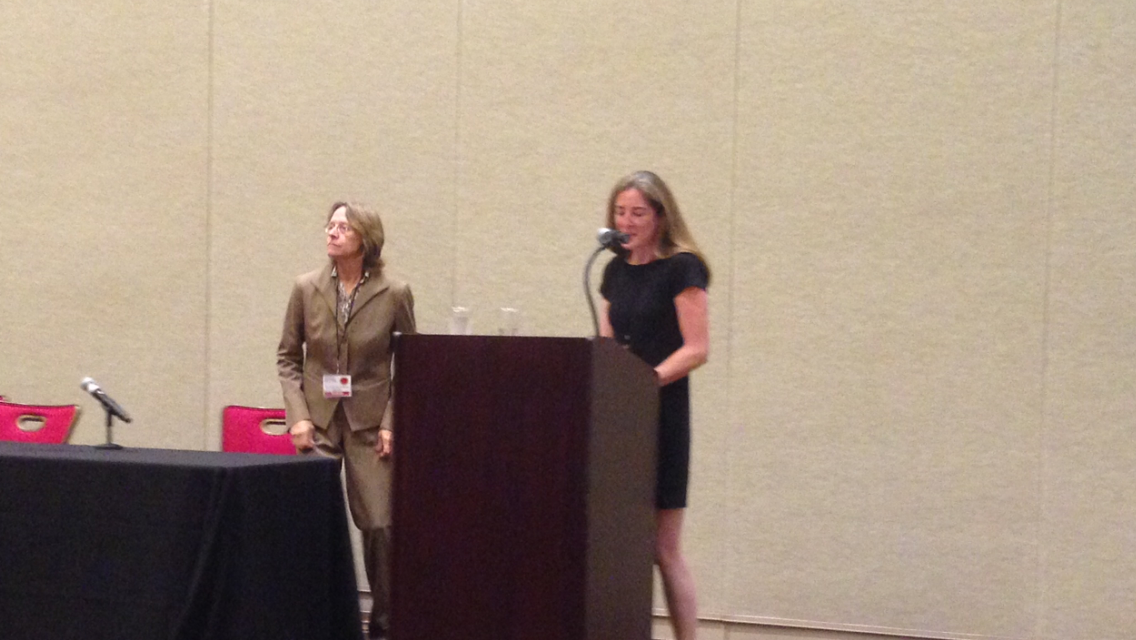

Dale White and Wade Blackmon

Fletcher presented “Rights without Remedies” as the keynote.
Conference attendees
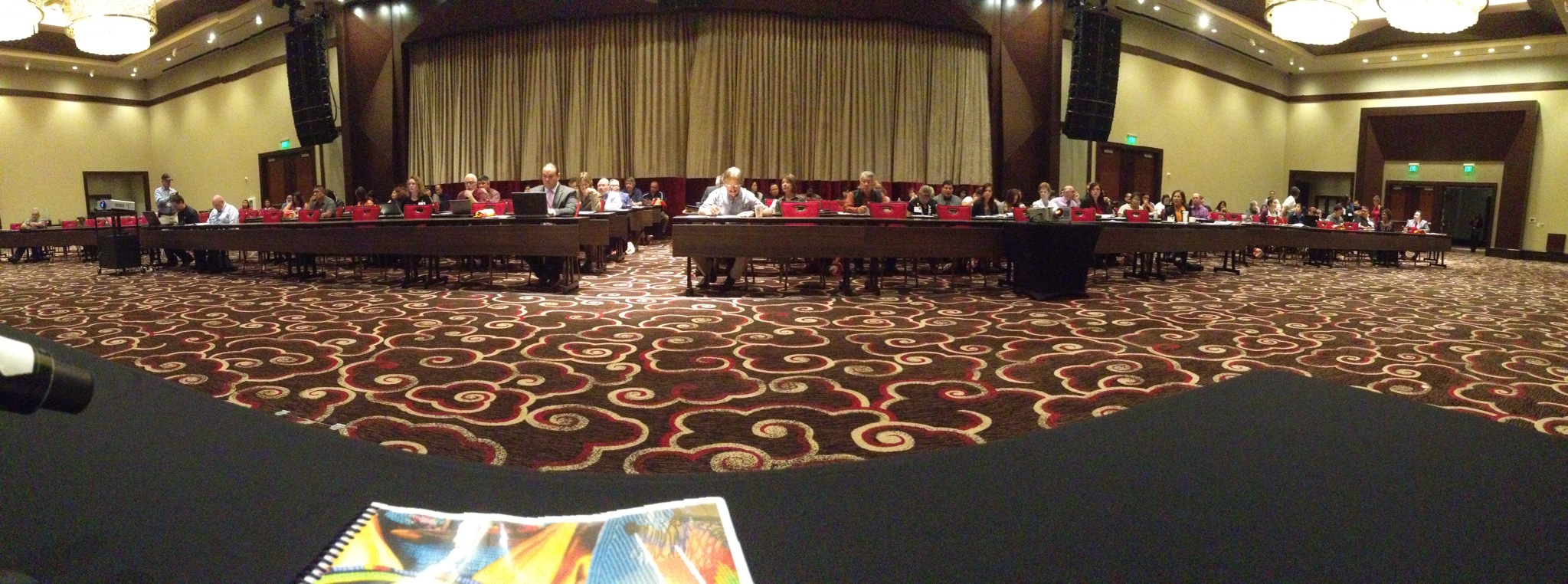
Chairman Mazzetti and Mary Mashunkashey
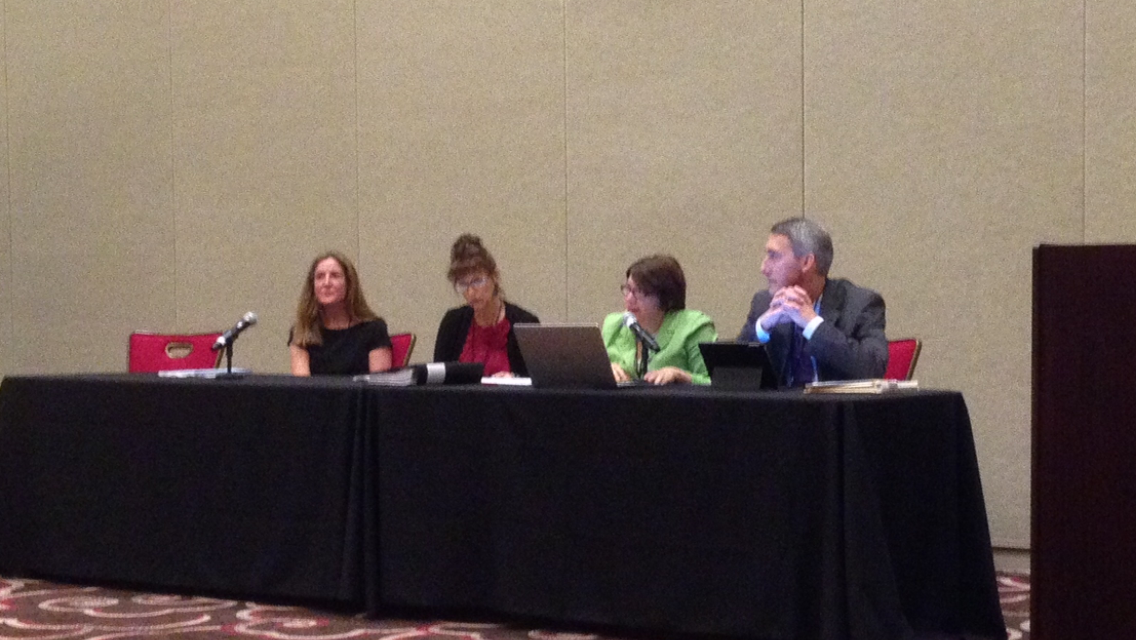
First panel — Kelly Croman, Sharon Swepston, Mary Streitz, and Skip Durocher
 Turtle Talk
You must be logged in to post a comment.