Press Release: Mass Disenrollment at Grand Ronde

Mass Disenrollment Hits the Confederated Tribes of the Grand Ronde

Grand Ronde, OR – Up to  1,000 members (nearly 20% of the membership) of the Confederated Tribes of Grand Ronde Community of Oregon will be receiving letters of potential disenrollment, resulting in what could be the largest termination of American Indian citizenship in United States history.

15 members of the Confederated Tribes of the Grand Ronde have already been disenrolled, and 79 cases are pending the outcome of hearings scheduled for December. These are the result of the second wave of disenrollment letters that were sent out in September. Tribal Council refuses to discuss the matter, with Tribal Councilman Toby McClary publicly stating that he did not want to disclose the details and incite panic within the membership.

The Grand Ronde Tribal Council’s mass disenrollment efforts contribute to a national Indian disenrollment epidemic, with disenrollment “expanding throughout Native America, with Native nations in at least seventeen states engaging in this practice,” according to leading tribal political scientist, David Wilkins (Indian Country Today).

Mass tribal disenrollments have broken out in Washington State and California and now Oregon (Seattle Times; New York Times).

The disenrollment proceedings stemmed from an illegal audit of the Tribe’s membership rolls by an outside auditing firm based in New Mexico and include nine sets of parameters, including dual enrollment, lineal descent, blood quantum, adoption and paternity.

One of the families facing disenrollment are the descendants of Chief Tumulth, who was a signatory of the seminal 1855 Kalapuya Treaty (also known as the Treaty of the Willamette Valley and the Dayton Treaty). Tumulth was the first chief of the Watlala Band of Chinook Indians, or “Cascade Indians,” whose ceded lands extended from Cascade Locks west to Ft. Vancouver on both sides of the Columbia River, following the Sandy River into Portland including Franz Lake National Wildlife Refuge in the Columbia Gorge.

“We are appalled that our own tribe, our own relatives, are claiming that we are some how no longer Grand Ronde. We descend directly from a tribal Chief, a man who signed the Treaty that would later establish the Grand Ronde Reservation,” stated family spokesperson, Mia Prickett. Continue reading
Nooksack Disenrollment Update — New Case Filing, Adams v. Kelly — Briefs in Tribal Court Appeal

Here are the briefs in Lomeli v. Kelly (Nooksack Ct. App.):

Lomeli v Kelly Opening Brief of Appellants

Lomeli v Kelly COA Response Brief of Appellees

Lomeli v Kelly COA Reply Brief of Appellants

And a new case filing, Adams v. Kelly (Nooksack Tribal Ct.):

Adams v Kelly Motion for TRO

Adams v Kelly Defendants’ Opposition to to Plaintiffs’ Motion for TRO and Defendants’ Motion to Dismiss

Adams v Kelly Declaration of Rick D. George Tribal Council Vice Chairman

Adams v Kelly Amended Reply Re Motion for TRO

Adams v Kelly Order Denying Plaintiffs’ Motion for TRO

Tribal Court Rejects Effort to Stop Automatic Disenrollment of Nooksack Members in Violation of Court Order

Here are the new materials in Lomeli v. Kelly (Nooksack Tribal Court):

Lomeli v Kelly Motion for Order Re Contempt

Lomeli v Kelly Defendants’ Opposition to Motion for Order to Show Cause RE Contempt

Lomeli v Kelly Motion for Contempt Reply

Lomeli v Kelly Order Denying Motion for Order to Show Cause

Apparently, four Nooksacks have been automatically disenrolled, since August, in violation of a Stipulation and Order in Lomeli providing that nobody would be disenrolled until all of the hearings were concluded.

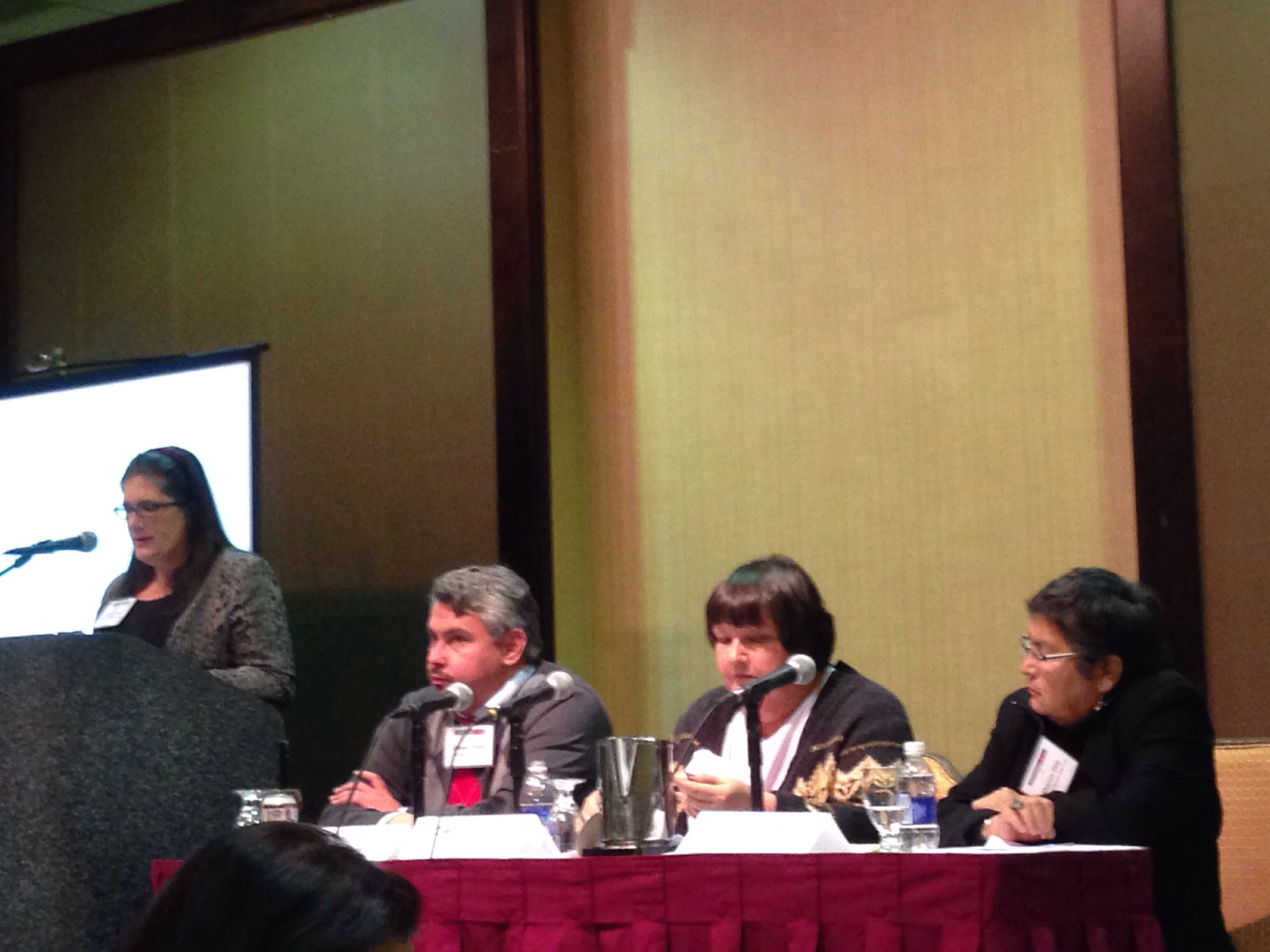
Tribal Citizenship Conference Final Panel

Shawn Frank, Deborah Locke, and Sharon Day

20131113-150730.jpg

Tribal Citizenship Conference Fourth Panel

Colette Routel and Vanya Hogen

20131113-142235.jpg

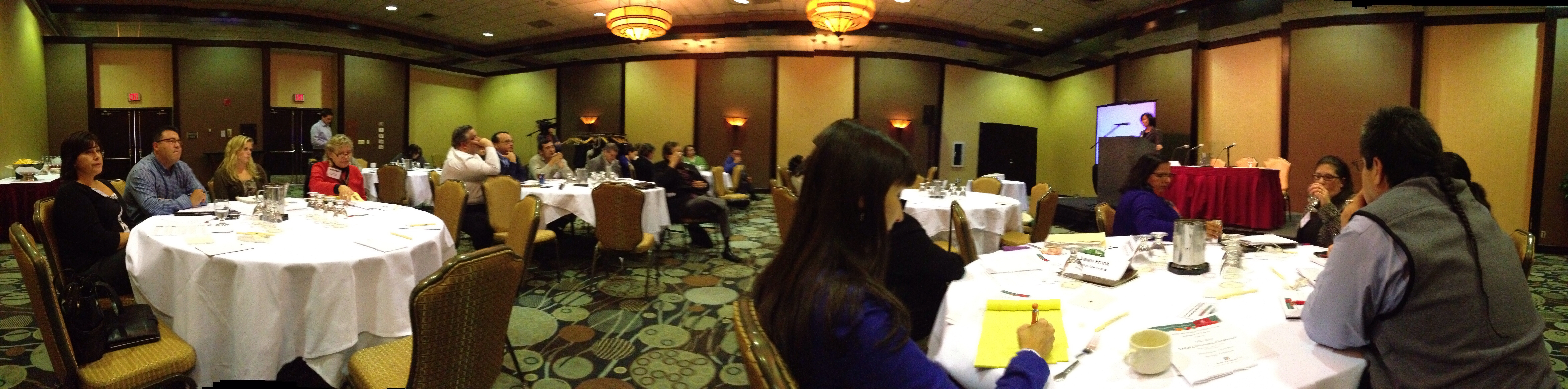
Hardy afternoon conference goers

20131113-142425.jpg

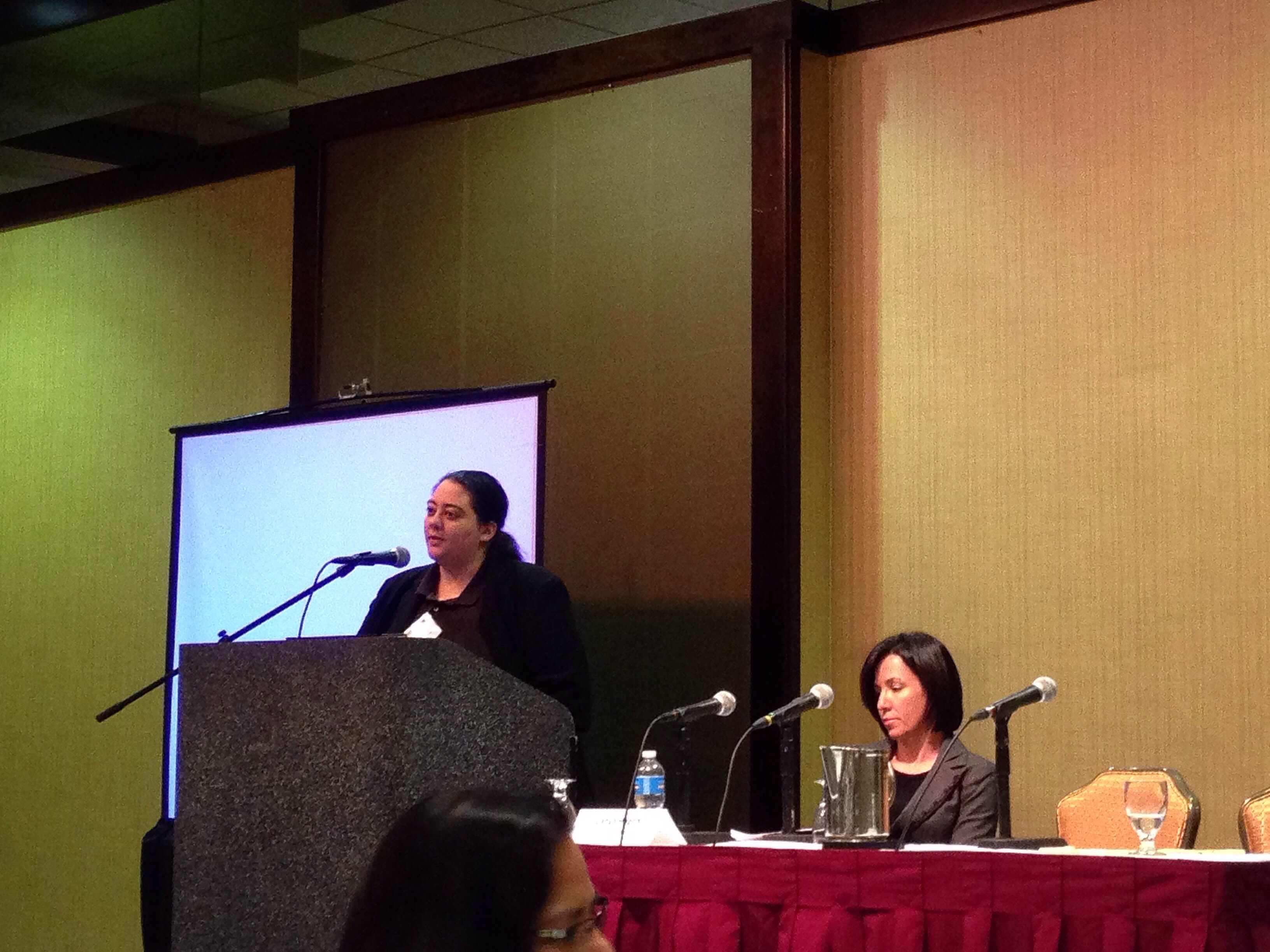
Tribal Citizenship Conference Third Panel

Lenor Scheffler and Sarah Deer

20131113-135803.jpg

Tribal Citizenship Second Panel

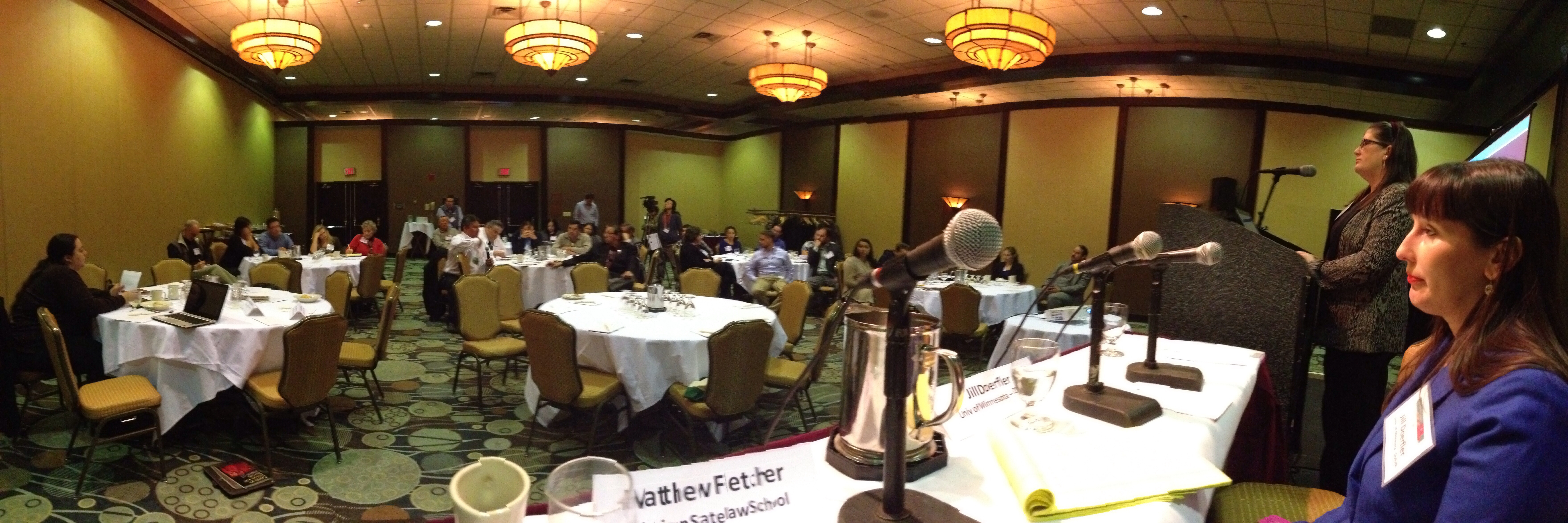
My co-panelist Jill Doerfler

20131113-122503.jpg

William Mitchell Tribal Citizenship Conference–Opening Panel

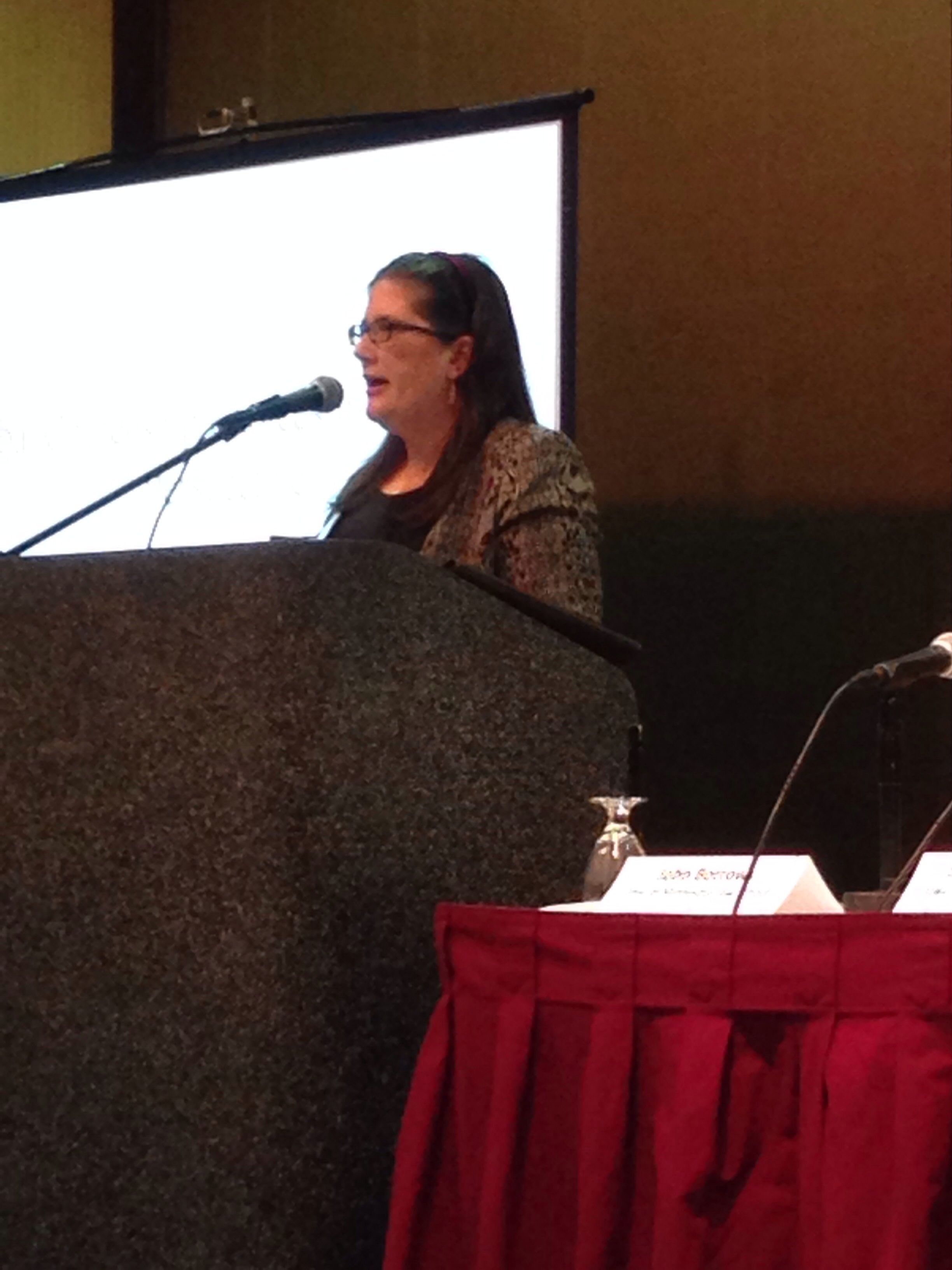
Sarah Deer convenes the conference

20131113-090705.jpg

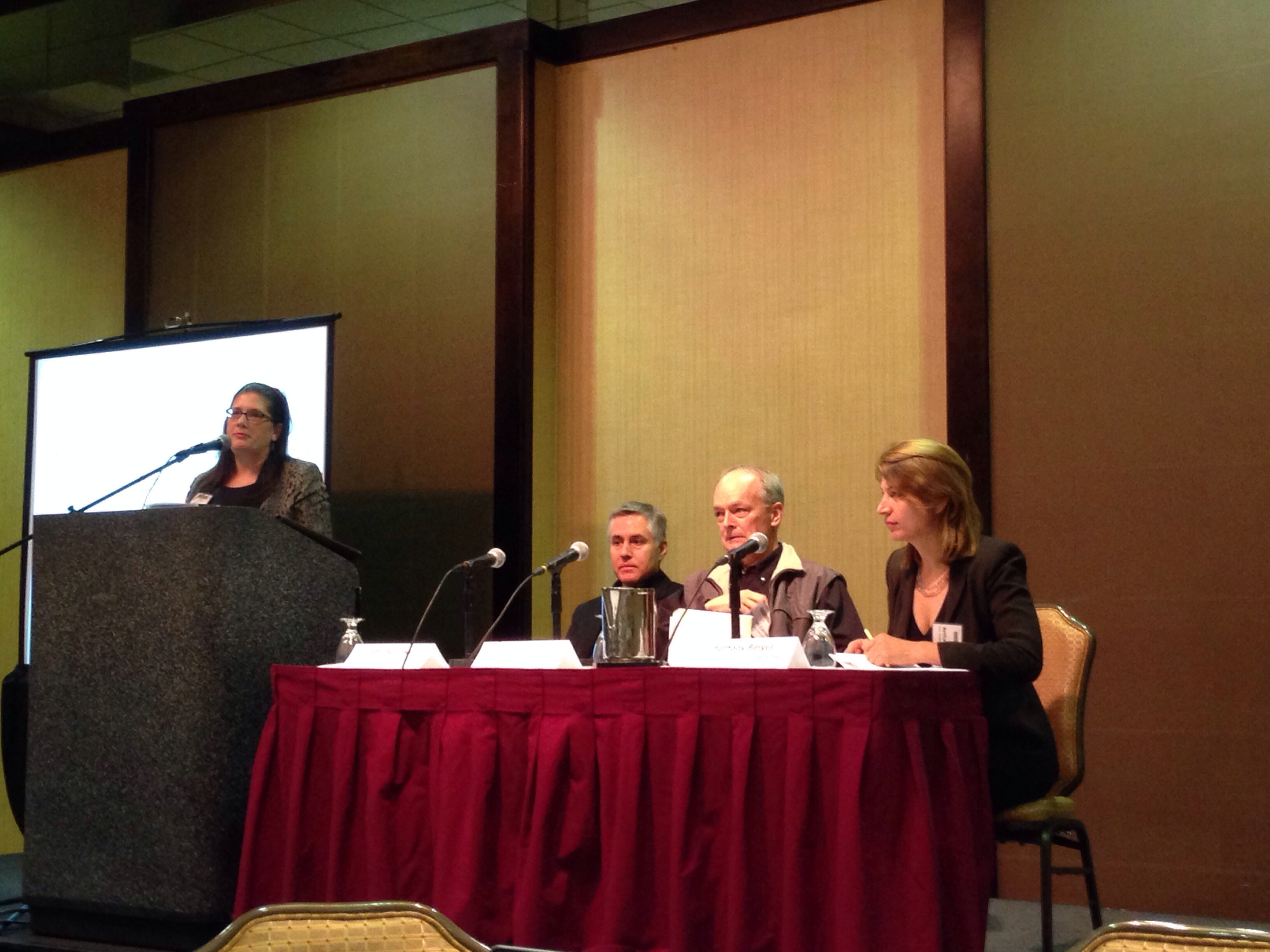
The first panel–John Borrows, Steve Cornell, and Bethany Berger

20131113-090808.jpg

Ninth Circuit Briefs in Pala Disenrollment Appeal — Allen v. Smith

Here:

(August 9 2013) Appellants_ Opening Brief

Answering Brief 11-8-13

Lower court materials here.

David Wilkins in ICT on the Nooksack Disenrollments

Here.

An excerpt:

To her credit, it appears that the Chief Judge was attempting to console the disenrollees and explain a decision that gravely disappointed them. Unfortunately, she also utilized words that profoundly diminished indigenous sovereignty:
“While the Court recognizes the important entitlements at stake for the proposed disenrollees, this is a fundamentally different proceeding than a loss of United States’ citizenship…. In the case of tribal disenrollees, the disenrollee loses critical and important rights, but they are not equal to the loss of U.S. citizenship. A person who is disenrolled from her tribe loses access to the privileges of tribal membership, but she is not stateless. While she loses the right, for example, to apply for and obtain tribal housing through the Tribe, her ability to obtain housing in general is unaffected. Though she loses the right to vote in tribal elections, she does not lose the right to vote in federal, state, and local elections. While the impact on the disenrollee is serious and detrimental, it is not akin to becoming stateless.” (Emphasis mine.)

Whatever one’s views on the way each Native nation chooses to exercise their sovereignty with regard to defining membership, the judge’s view of Native nationhood is chilling. By ruling that the termination of a Native person’s citizenship is “not equal to the loss of U.S. citizenship” and the loss of tribal membership is “not akin to becoming stateless,” she places Native citizenship in a position squarely inferior to U.S. citizenship. The implications are profound. It is not realistic to expect to maintain true government to government relations with states and the federal government if we begin by diminishing our own status as citizens of sovereign nations.


Read more at http://indiancountrytodaymedianetwork.com/2013/11/07/disenrollment-disaster-my-citizenship-better-yours