Please share with your networks!
The ILPC is seeking applicants for the position of Communications Coordinator. The deadline for applications is October 30, 2023, and the job description and application instructions are available at the link below:
https://careers.msu.edu/cw/en-us/job/515337/communications-coordinator
Position Summary
The College of Law Indigenous Law & Policy Center (ILPC) welcomes candidates who have a passion for working in a context dedicated to indigenous rights advocacy; experience working with indigenous peoples and diverse groups of people; strong communication, event-planning, and organizational skills; and who exhibit a high degree of professionalism and the ability to work in a self-directed environment or in a group setting.
In addition to the Communications Coordinator, the ILPC also includes a Director and Legal Counselor. Center staff work closely to support pathway to law programs, recruit students, provide services to students, provide teaching and learning opportunities related to Indigenous law, produce original research and scholarship on Indigenous law, and host educational events for MSU Law and other public audiences including members of Tribal communities. MSU College of Law is also home to an Indian Law clinic that coordinates in some areas with the ILPC.
The Communications Coordinator assists the ILPC team by providing administrative support. In collaboration with the College of Law Director of Events and the Director of Communications and Marketing, the Communications Coordinator supports the ILPC by planning events and managing ILPC internal and external communications for students, prospective students, alumni, scholars, Indian law practitioners, Tribal leaders, members of Tribal communities, the broader Law College, and MSU communities.
DUTIES AND RESPONSIBILITIES
Event Planning
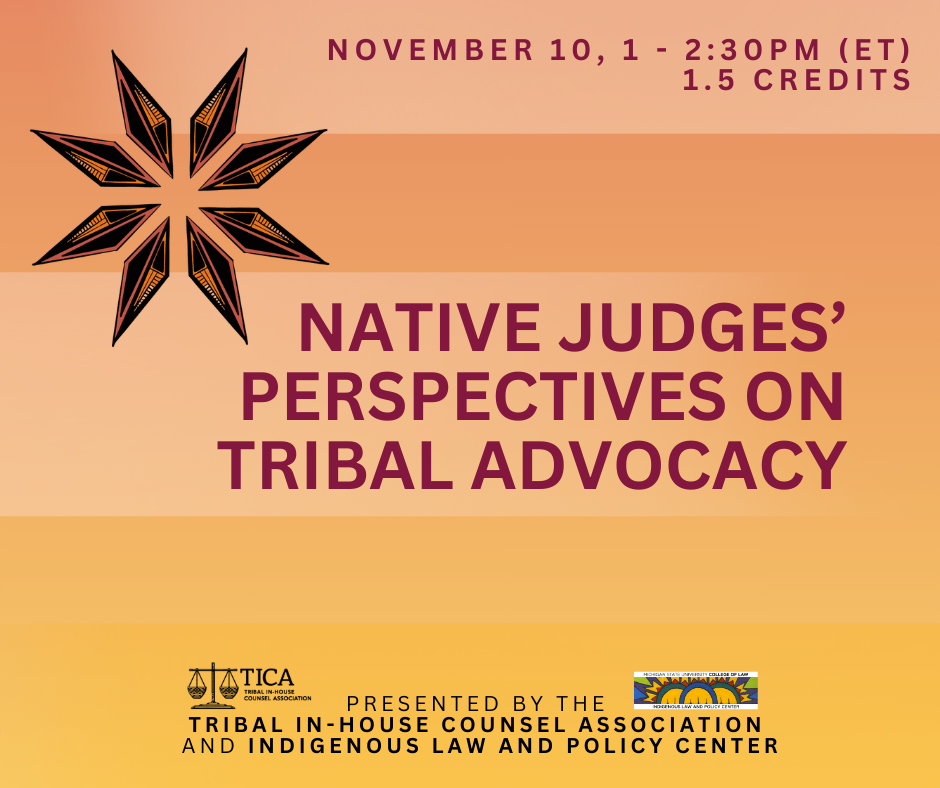
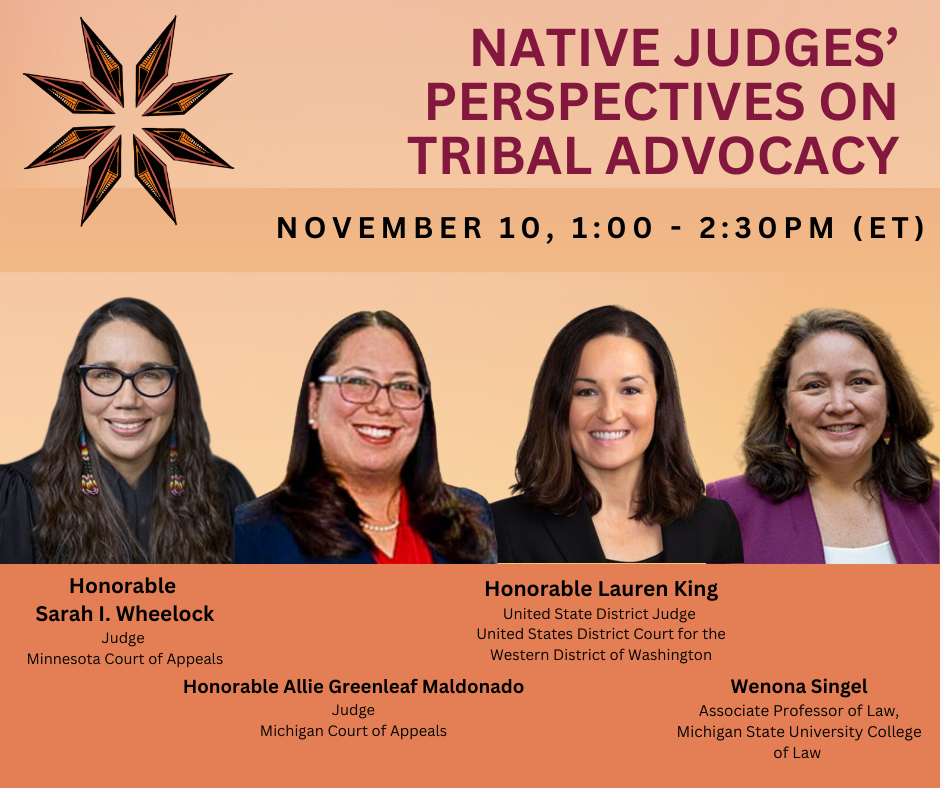
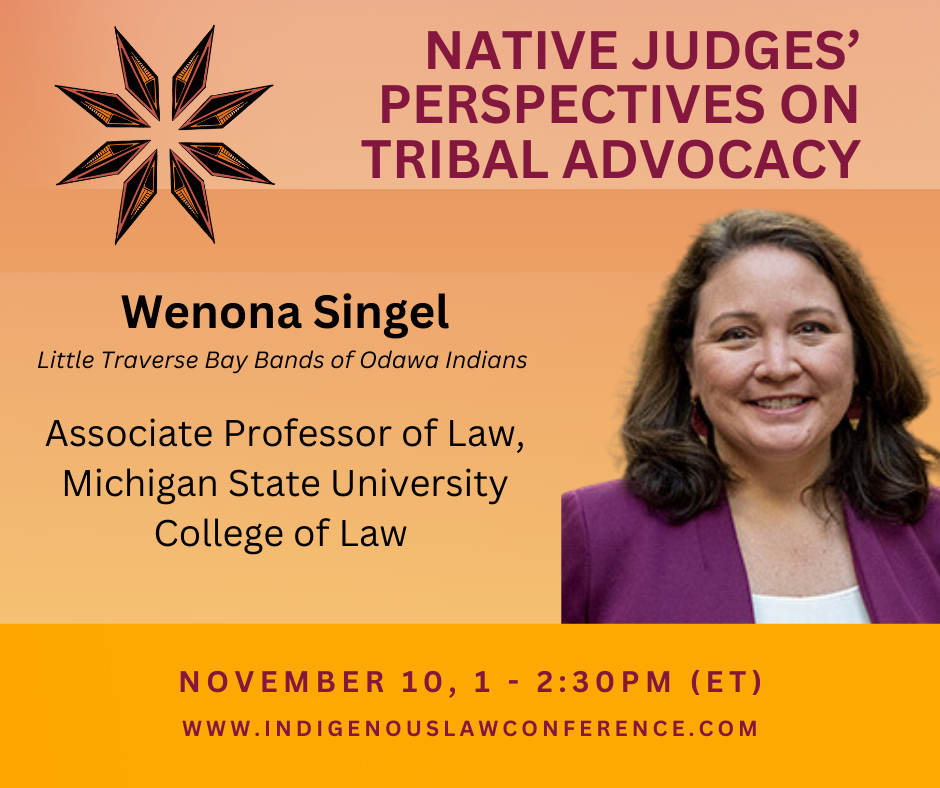
- Fully coordinate and promote a two-day national Indian law conference co-hosted by the ILPC and the Tribal In-House Counsel Association (TICA) each fall for 28 speakers and 125 attendees.
- Plan an ILPC graduation event each spring.
- Plan biannual meetings of an ILPC tribal leader advisory group.
- Monitor ILPC events and conduct post-event reviews with ILPC staff.
- Coordinates lunches, speaking events, and ILPC visits for students interested in Indian Law.
- Plan and organize the annual ILPC conference: prepare annual event, communications, and marketing budgets.
- Plan monthly professional development and social events for ILPC students.
- Plan an ILPC welcome reception for students, faculty, and staff in the Native community at MSU College of Law, at MSU, and in the Lansing community.
- Plans other events aligned with the ILPC’s needs and strategic initiatives.
Communications, Marketing, and Outreach
- Draft ILPC correspondence and create newsletters for the ILPC community, students, and alumni.
- Draft and distribute a weekly internal newsletter for ILPC students informing them of upcoming ILPC events and other professional opportunities in Indian law.
- Draft and distribute a periodic internal and external newsletter for ILPC students, alumni, Indian law scholars and practitioners, and the broader public which reports on ILPC events and updates from faculty, staff, students, and alumni.
- Manage ILPC social media accounts and create content for them based on ILPC news.
- Update the ILPC web site with information about our programs and curricular offerings.
- Contribute content, including job announcements, on Turtle Talk, the nation’s leading blog on federal Indian law and Tribal law on WordPress (www.turtletalk.blog).
- Manage marketing materials that amplify and strengthen ILPC presence at MSU, Michigan tribal communities, and within Indian country.
- Manage the design, ordering, and distribution of ILPC marketing materials for students, prospective students, alumni, and guest speakers.
- Create and implement an annual ILPC communications strategy.
- Conduct outreach and liaise with internal University departments and outside educational institutions, including a national network of law schools.
- Prepare other communications aligned with the ILPC’s needs and strategic initiatives.
Office Administration
- Track and maintain the ILPC budget and submit ILPC expenses for reimbursement.
- Apply for grants from public and private sources to increase funding for ILPC events and strategic initiatives.
Travel
- Represent the ILPC at 1-4 recruitment events and Indian law conferences each year by coordinating and hosting an ILPC recruitment table at events (requires overnight travel).
Michigan State University College of Law is a diverse and inclusive learning community with roots dating to 1891 when it opened as Detroit College of Law in Detroit, Michigan. It moved to its current East Lansing location in 1995 and remained a private institution until 2020 when it became a fully integrated college of Michigan State University.
Today, MSU Law has more than 650 students, 55 faculty members, 50 staff members, five librarians, and a world-wide network of some 11,500 alumni. MSU Law operates seven legal clinics overseen by nationally recognized faculty that provide students an opportunity to work on actual legal cases. Additionally, it offers some of nation’s leading law programs in new and emerging legal education, including Intellectual Property and Trial Advocacy, Indigenous Law and Policy Center, the Lori E. Talsky Center for Human Rights of Women and Children, Conservation Law Center, and Animal Legal and Historical Web Center.
MSU College of Law, operating under the principles of its Diversity, Equity, and Inclusion Strategic Plan, is poised to become the state’s preeminent law school, preparing a diverse community of lawyer-leaders to serve diverse communities in Michigan and beyond. It is committed to providing a legal education that is taught by leading scholars in their fields, includes best-in-class experiential opportunities, and helps students graduate without excessive debt.
Unit Specific Education/Experience/Skills
Knowledge equivalent to that which normally would be acquired by completing a four-year college degree program in Communications, Telecommunications, Journalism, Marketing, or Public Relations; up to six months of related and progressively more responsible or expansive work experience in internal communications; news, broadcasting, and print media, and/or marketing, advertising, and creative services; graphic design; word processing; desktop publishing; web design; presentation software; spreadsheet and/or database software; public presentation; or radio production; or an equivalent combination of education and experience.

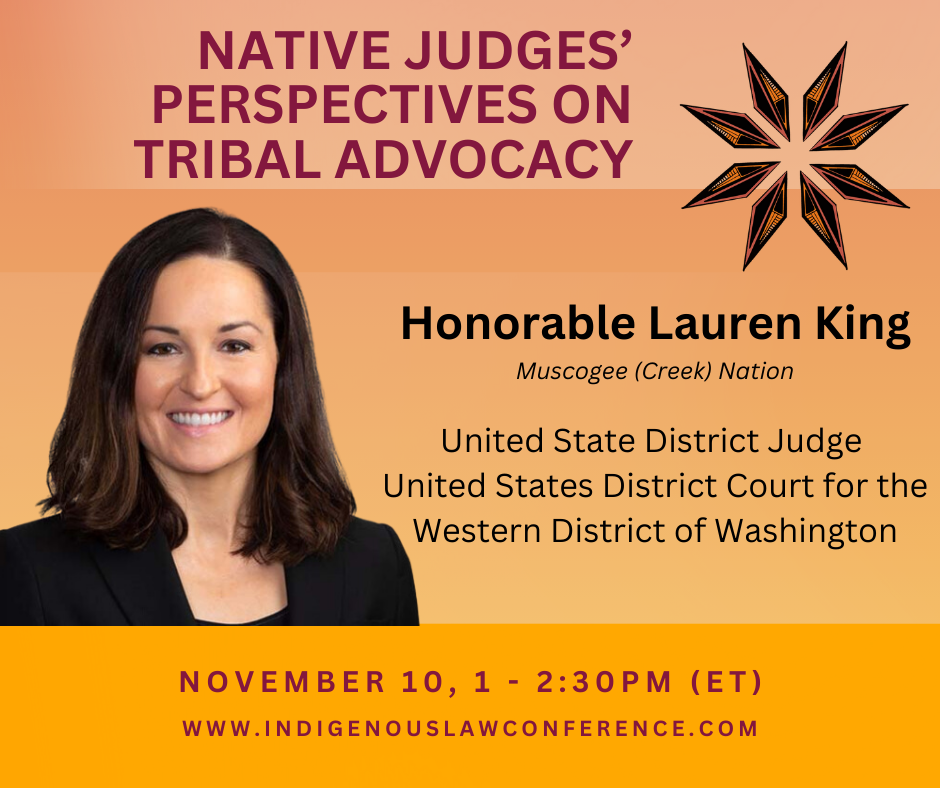
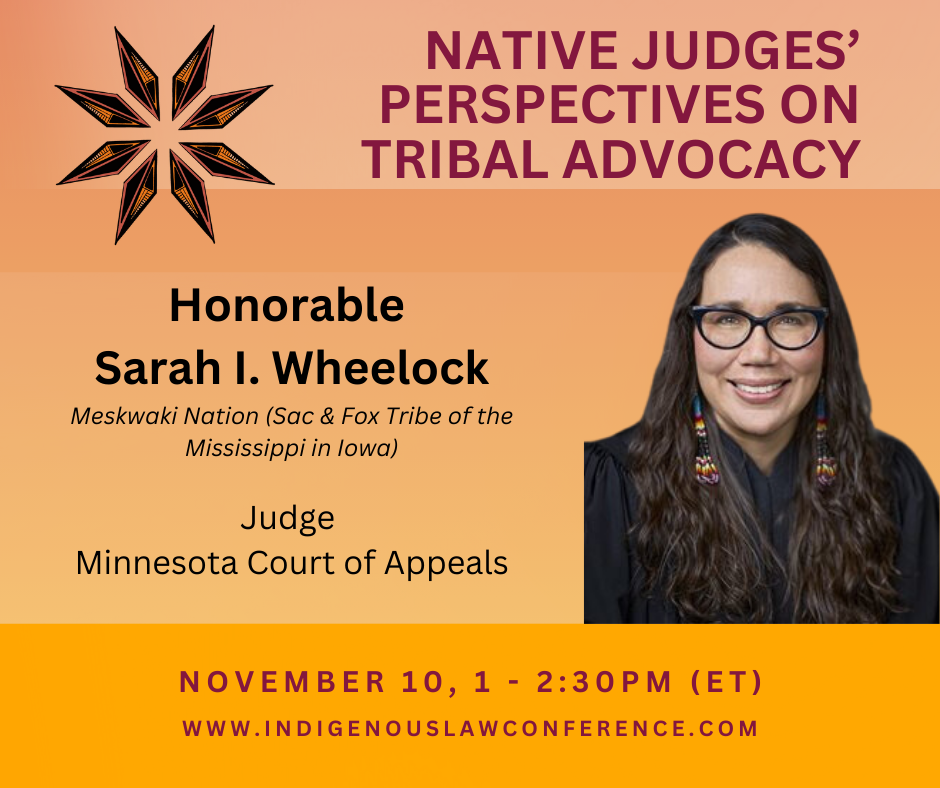
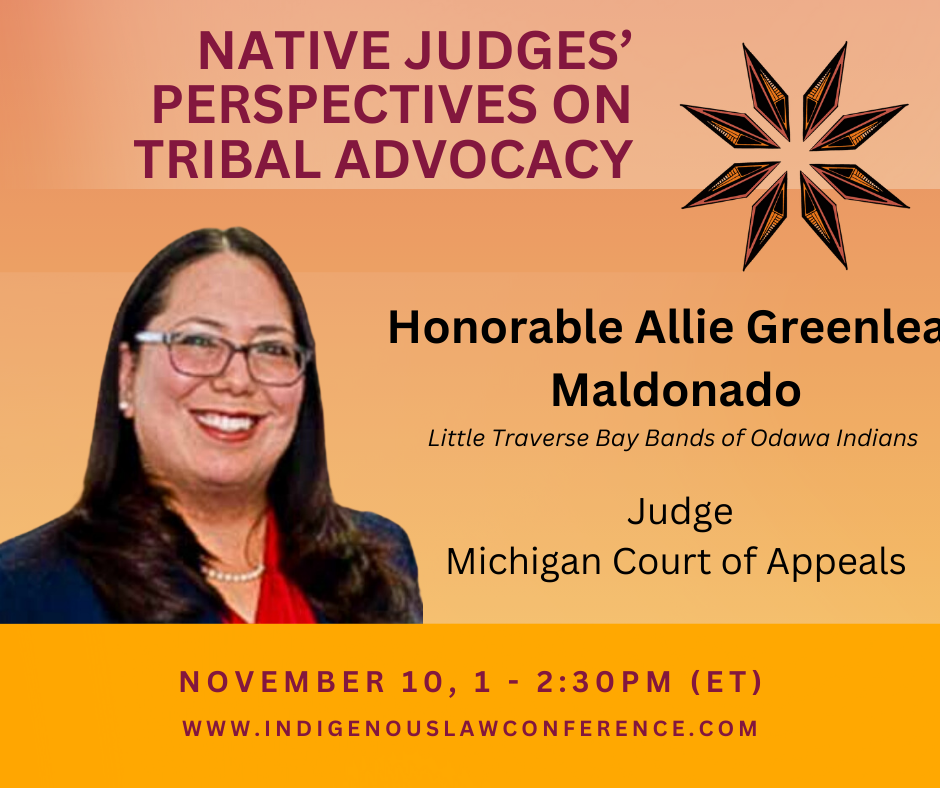
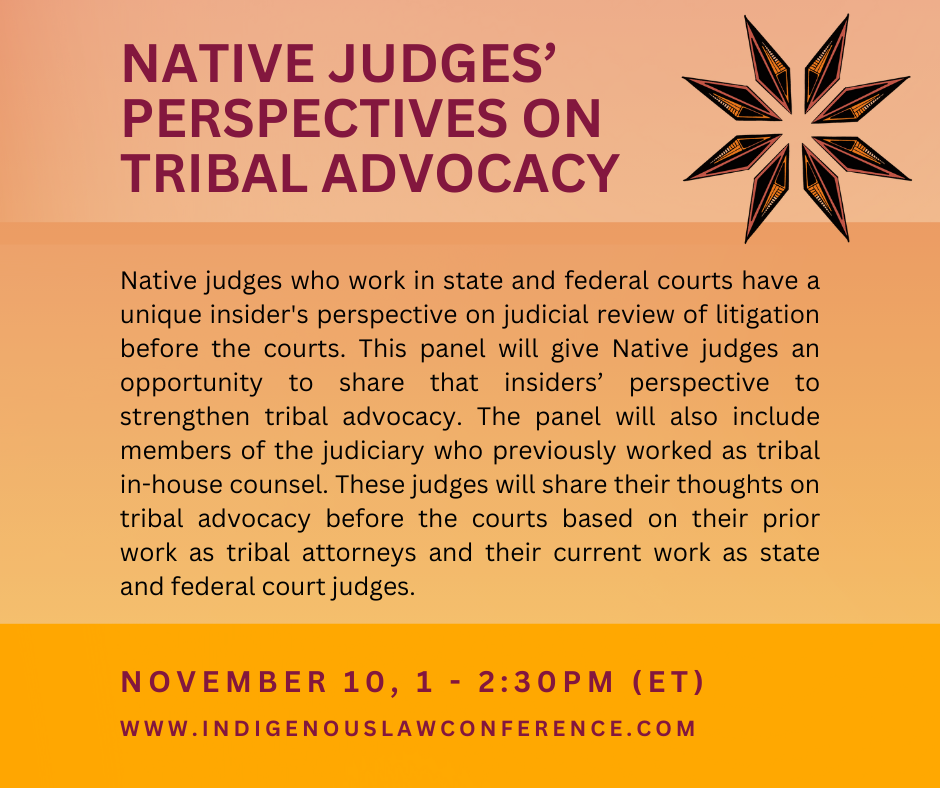





 Turtle Talk
You must be logged in to post a comment.