Here are the materials in In re: North Dakota Legislative Assembly:
The underlying case is here.

On May 11, 2023, Michigan State University’s Indigenous Law & Policy Center celebrated its’ 2023 graduates! Below are some photos from this event.




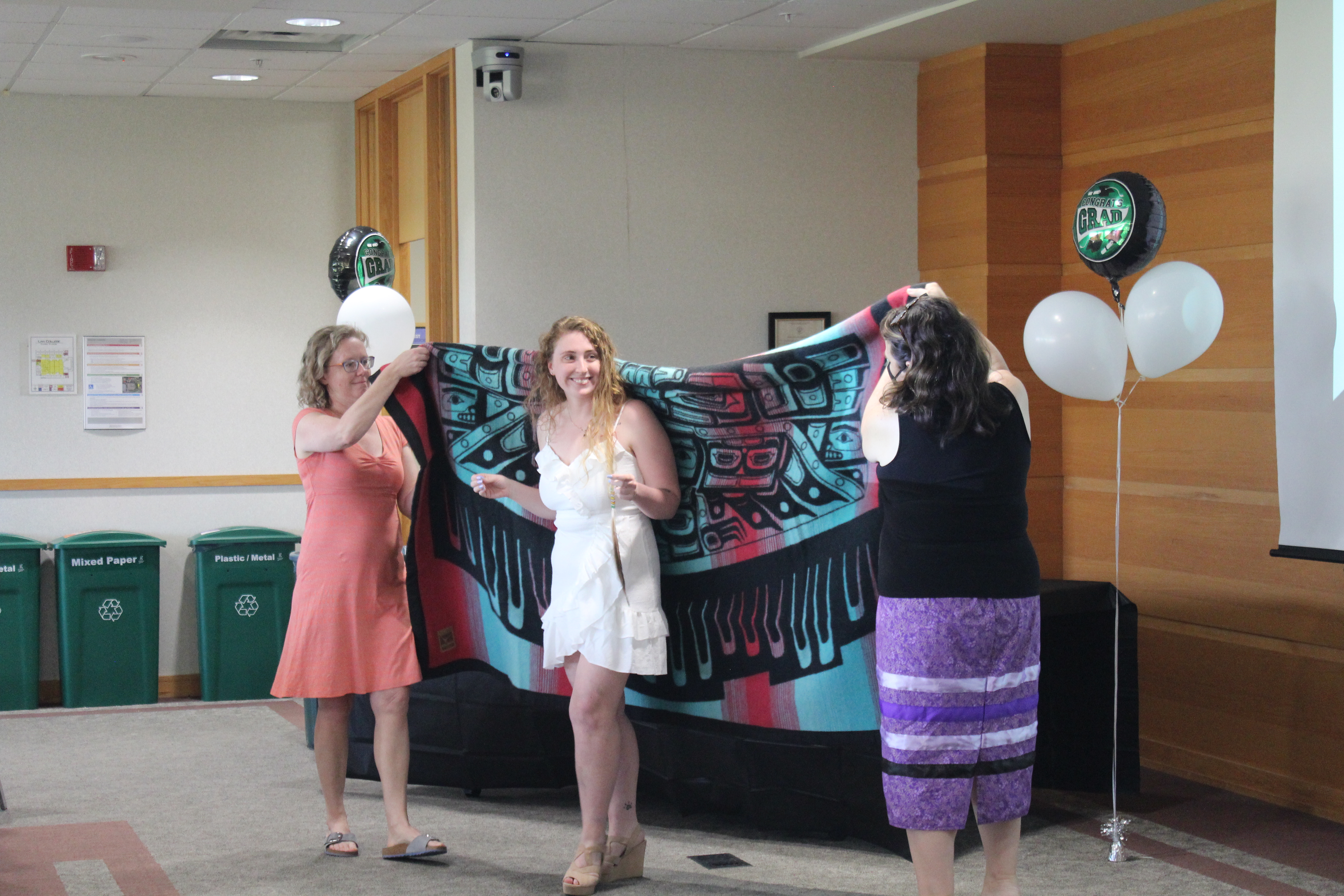

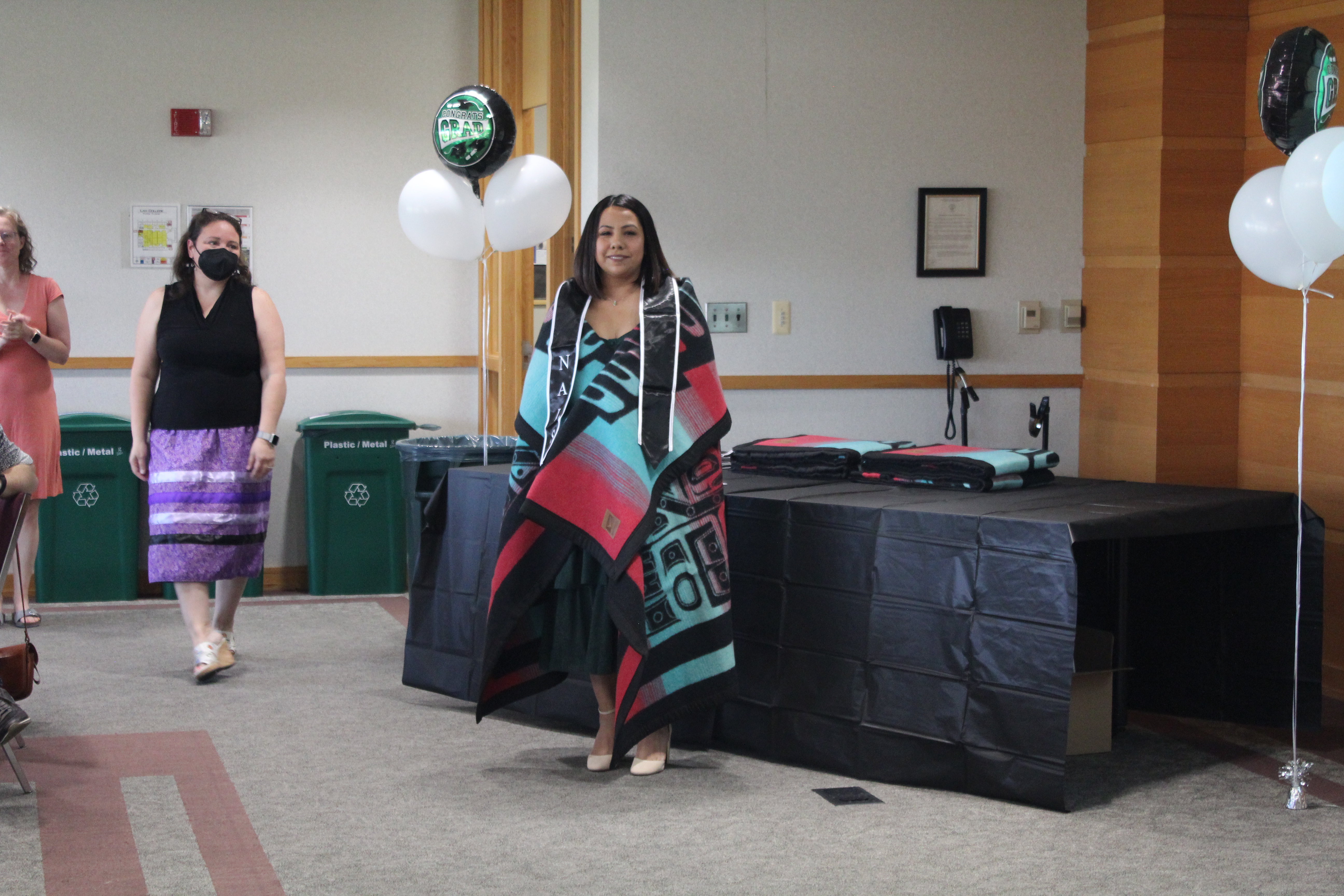
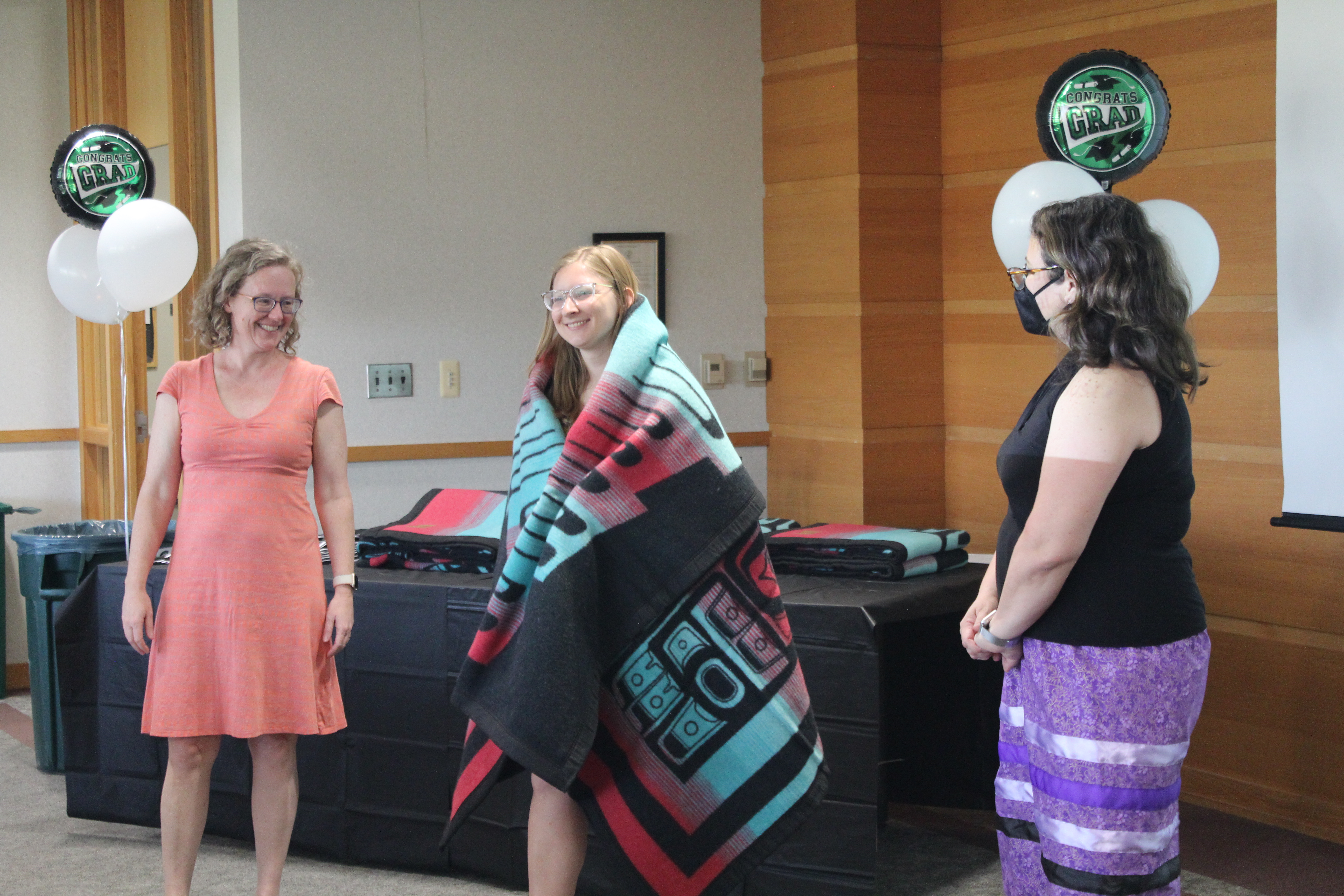

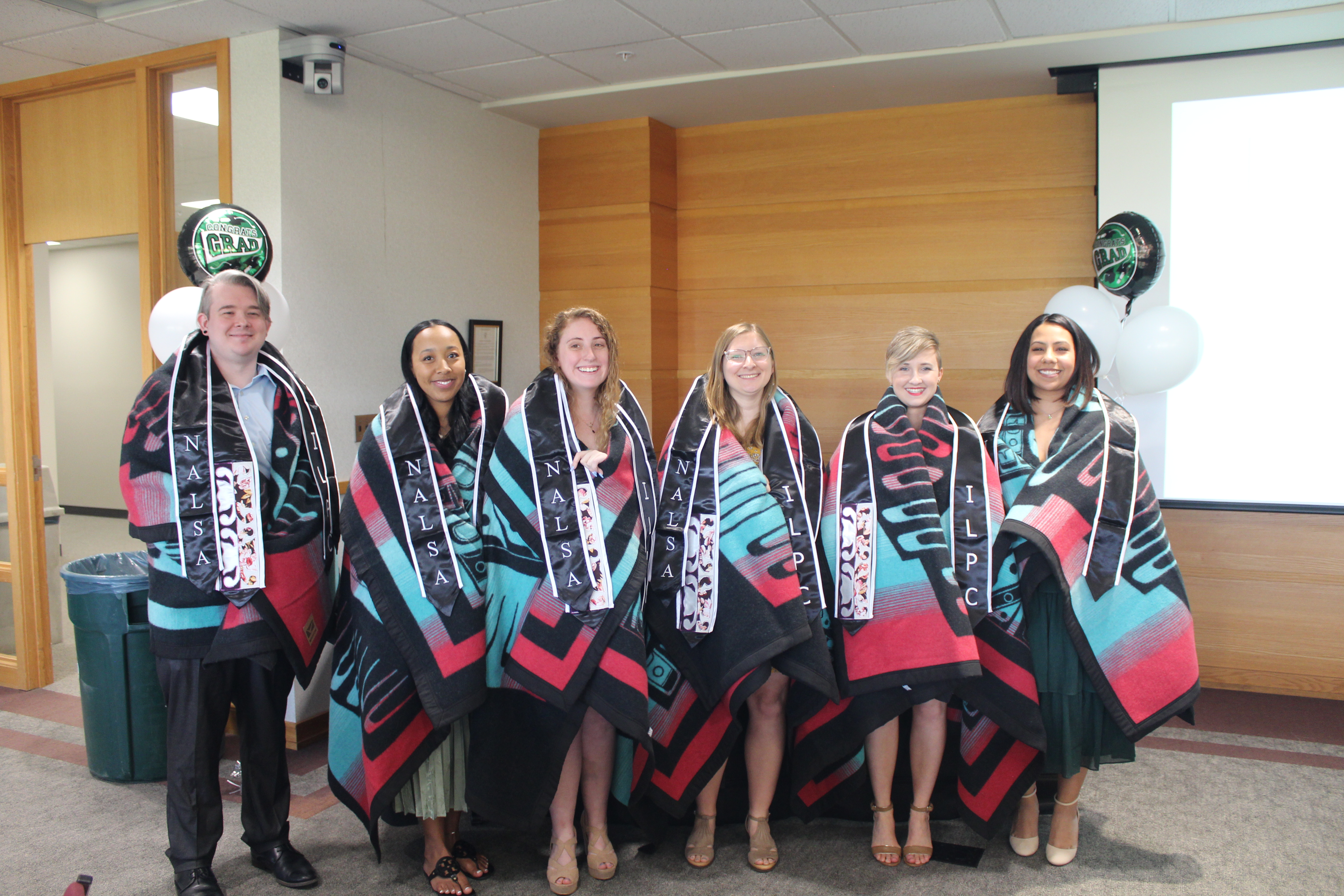
The full recording can be found here.
In 2021, Secretary of the Interior Deb Haaland announced the Federal Indian Boarding School Initiative. This initiative, which includes gathering records from the boarding school era, and compiling an official list of boarding school sites, makes visible on a national scale the intergenerational impact federal Indian board schools have had on tribal communities. Currently, there are five schools in the state of Michigan that were identified from the federal investigation process (Holy Childhood Boarding School, Baraga Chippewa Boarding and Day School (Holy Name), Mount Pleasant Indian Industrial Boarding School, Mackinac Mission School, and Catholic Otchippewa Boarding School). This is not an extensive list of all the other entities, schools, and programs that operated in Michigan through the Indian Civilization Act of 1819.
The Native Justice Coalition’s Truth and Reconciliation Commission (TRC) was launched in July 2022. It seeks to expand its reach to strengthen relationships between Indigenous and non-Indigenous people in an effort to seek the truth behind the Indian boarding school policies and corresponding actions taken by the government and church. Through this work, the NJC provides safe, supportive, and culturally competent spaces that offer opportunities for healing and uniting our Native communities on this journey. Our goals are to create an Indigenous-led process that is grounded in mutual respect, culturally sensitive, and focused on meeting clearly defined, jointly agreed upon metrics. Our key four priorities are truth and reconciliation, healing our people and our communities, strengthening ICWA and ensuring a cultural identity for our children, and building a strong ecosystem through investment in the Native Justice Coalition.
Without support from community partners such as the Indigenous Law & Policy Center, Native American Institute, and American Indian and Indigenous Studies at Michigan State University, this work would not be possible. This one-day symposium honors that work on a local scale, providing Michigan State University, and the greater Lansing community an opportunity to learn about the intergenerational trauma caused by federal Indian boarding school policies. Attendees will hear first-hand accounts from boarding school survivors and others who can provide the legal, social, and historical context of the Indian boarding schools. By joining together in community to share stories and voices, the symposium provides a space for knowledge and healing.

Richard Pomp has published “Overturning Dilworth and the Impact on Tribes” in the May 29, 2023 edition of Tax Notes:
An excerpt: “The tribes in states with vendor-based sales taxes should be alert to this impending problem should the Court deny a review of the case. To be forewarned is to be forearmed.”

Here are the materials in In re Klamath Irrigation District:
Elizabeth Ann Kronk Warner and Jensen Lillquist have posted “Laboratories of the Future: Tribes and Rights of Nature,” published in California Law Review, on SSRN. Here is the abstract:
From global challenges such as climate change and mass extinction, to local challenges such as toxic spills and undrinkable water, environmental degradation and the impairment of Earth systems are well documented. Yet, despite this reality, the U.S. federal government has done little in the last thirty years to provide a comprehensive solution to these profound environmental challenges; likewise, significant state action is lacking. In this vacuum, environmental legal advocates are looking for innovative environmental solutions to these challenges. Against this backdrop, rights of nature have increasingly gained traction as a possible legal tool to help protect the natural environment from the harms perpetrated by humans. Rights of nature laws generally have two elements: (1) legal personhood for natural entities, such that nature has standing in court, and (2) substantive rights for natural entities. This Article explores the scope and origins of rights of nature and examines how they are being implemented both within the United States and abroad. It highlights the work being done by Tribes and Indigenous Peoples in this space and argues that, particularly in the United States, state and local governments should learn from this work. Specifically, the work of Tribes in this space can serve as alternative ethical paradigms and laws for non-Native communities looking for an alternative to the status quo. In the United States, Tribes can serve as “laboratories” for environmental change given their tribal sovereignty and environmental ethics. In addition, Tribes exist within a different legal framework from U.S. states and municipalities. By comparing rights of nature-related litigation in Florida and in the White Earth Nation of Ojibwe, it becomes clear that rights of nature provisions adopted by Tribes stand a greater chance of withstanding legal challenge than provisions adopted by municipalities. Accordingly, environmental reform can benefit from the collaboration and experimentation of Tribes.

 Turtle Talk
You must be logged in to post a comment.