Here is the complaint in Wichita and Affiliated Tribes v. Burgum (M.D. Pa.):

Here is the complaint in Wichita and Affiliated Tribes v. Burgum (M.D. Pa.):
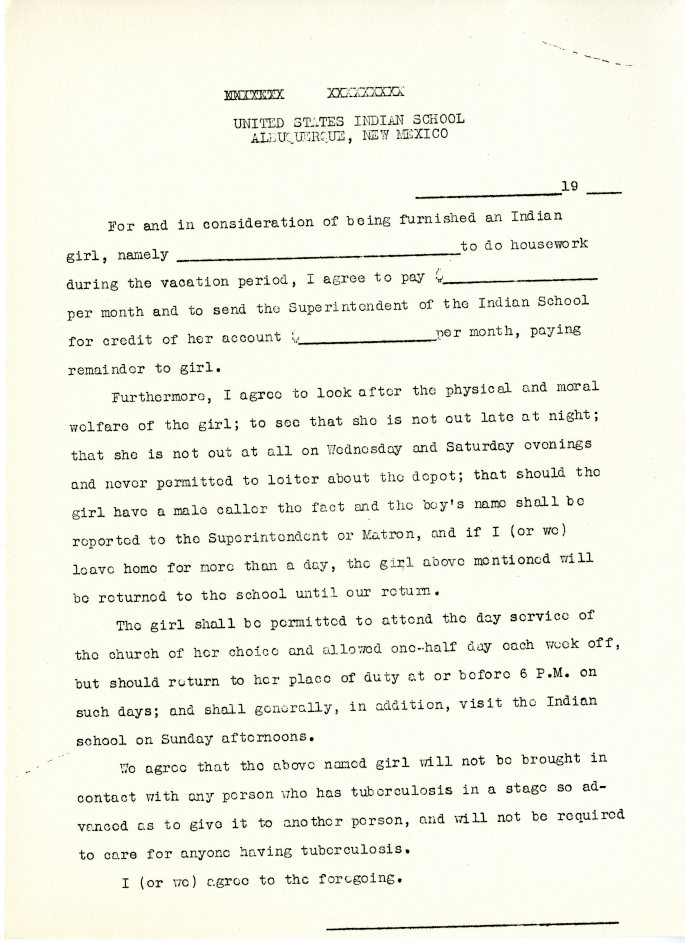
Matthew Villaneuve has published “Habeas Corpus and American Indian Boarding Schools: Indigenous Self-Determination in Body and Mind, 1880–1900” in the Western Historical Quarterly.
Abstract:
This article examines the history of Native people’s use of habeas corpus to resist family separation employed in the United States’ system of Indian boarding schools. It highlights three cases brought by Native petitioners from Alaska, New Mexico, and Iowa between 1885 and 1900. These cases show how Native parents, husbands, and cousins challenged the federal agents responsible for boarding schools by appealing to federal courts for intervention on behalf of their kin confined in such schools. Moving beyond legal interpretations, however, this article further argues that Native people used these petitions to assert their capacity to make their own decisions about the proper education of their young people and to convey Indigenous values of teaching and learning. Consequently, these cases illustrate an important but understudied means by which Native people used the legal tools available to them to assert self-determination in education. These habeas corpus cases are therefore a crucial part of boarding school history, American Indian and Indigenous history, and the history of U.S. education.
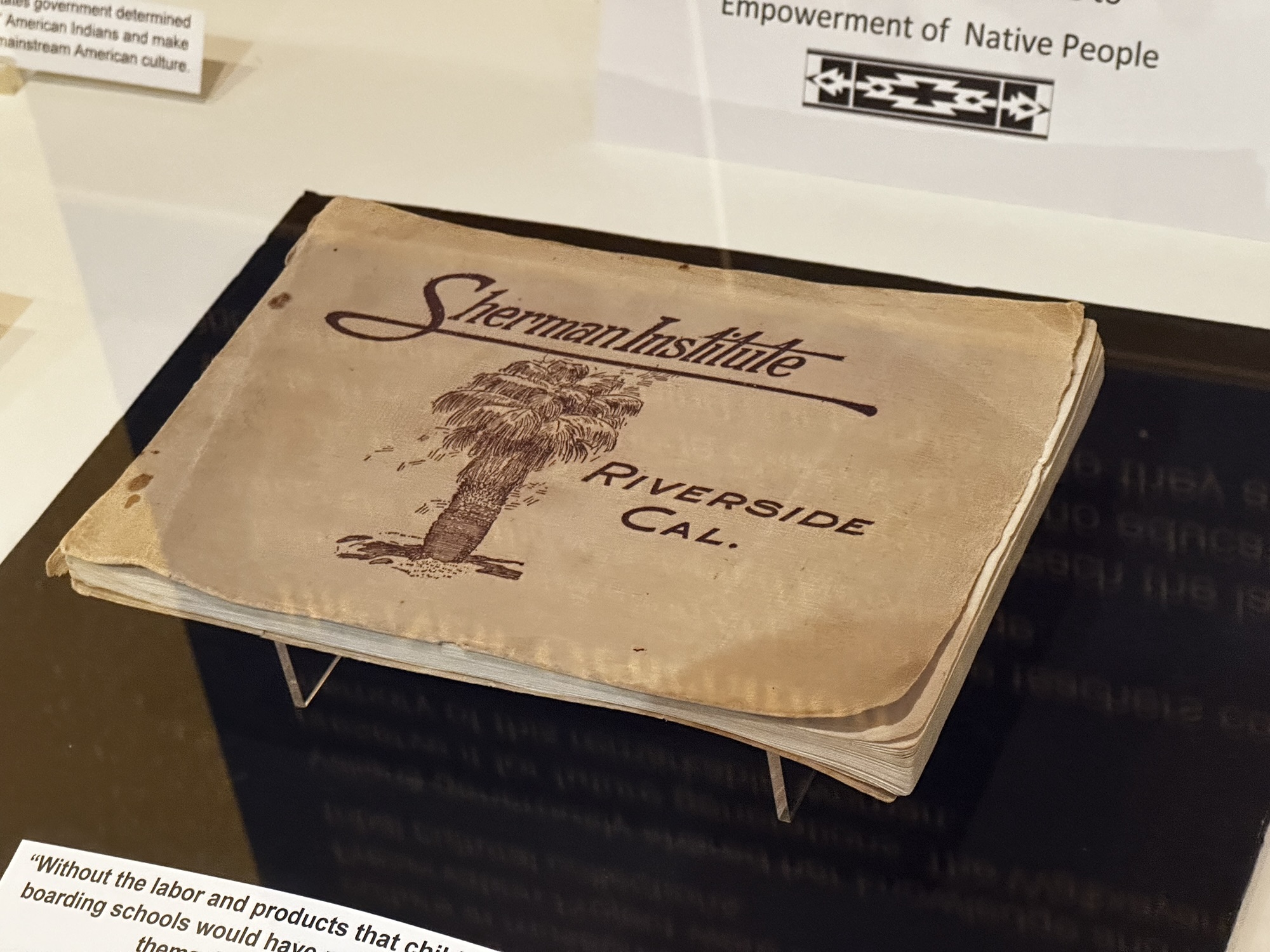
Here is the news item on the prizes. And here are the articles:
Noah Goldberg published “Indian Embryos as ‘Indian Children’?” in the Arizona State Law Journal (PDF). Here is an excerpt:
This Comment argues that ICWA protections should apply to human embryos in all states that reject pure property regimes for embryo disposition. Otherwise, personhood regimes would serve as an end-run around ICWA.34 Once personhood regimes treat embryos as persons or create rules implementing family law before the birth of a child, inevitable tensions arise with ICWA. Not applying ICWA protections to these regimes would undermine the spirit of ICWA and create an unacceptable legal loophole to circumvent the rights of tribes, Indian parents, and Indian children. However, ICWA would not have to apply at the embryo-disposition stage in states that adopt pure property regimes because future parental rights are not determined at the dissolution stage. Part II surveys ICWA, its purpose, and its protections. Part III explores the current state of embryo-disposition laws and focuses on the newly passed Arizona personhood disposition regime. Part IV analyzes how ICWA should interact with personhood regime states and examines the risks that personhood states pose to tribes, Indian families, and the spirit of ICWA. Part V concludes that the best way forward is to reject personhood regimes in favor of pure property regimes or stringently impose ICWA protections at the embryo-disposition stage in personhood states whenever substantive family law is adjudicated.
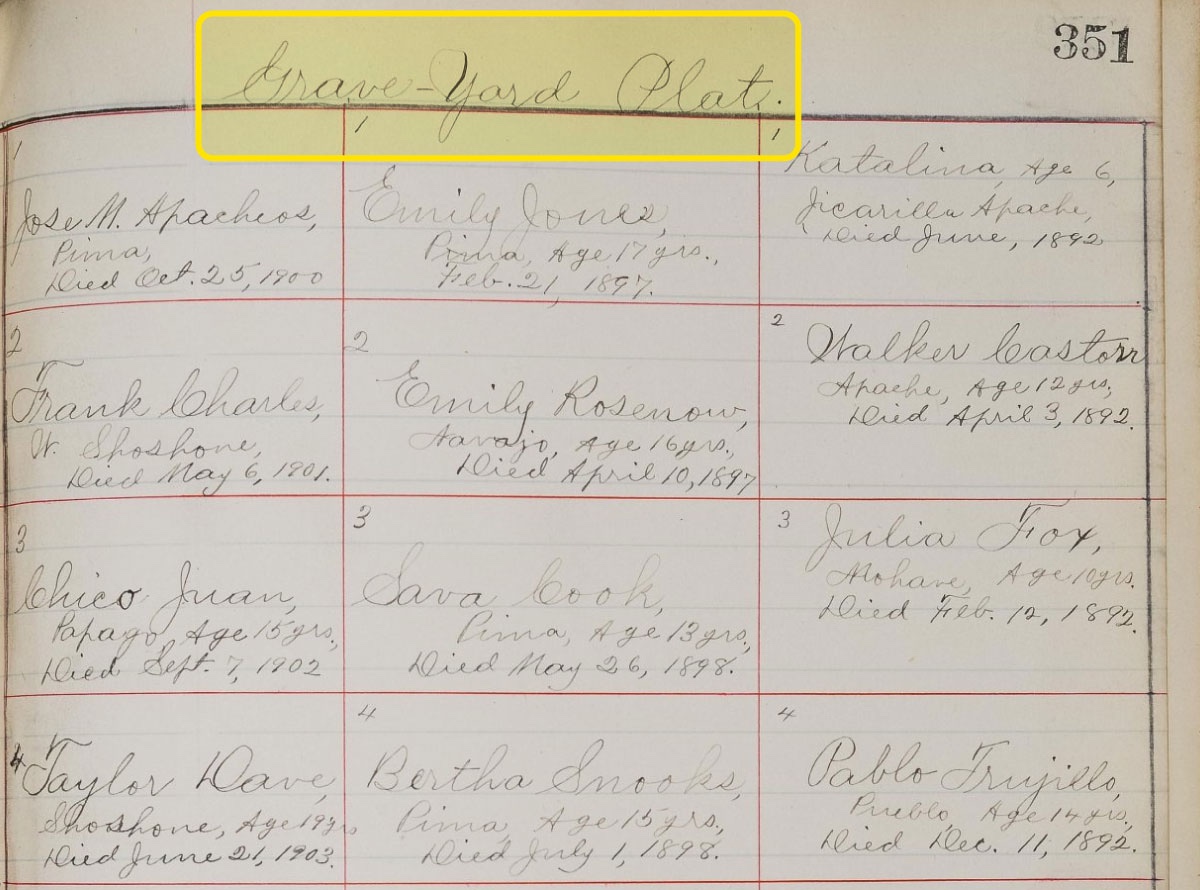
Claire Newfeld has published “Indian Boarding School Deaths and the Federal Tort Claims Act: A Route to a Remedy” in the Arizona State Law Journal (PDF).
An excerpt:
With such somber results expected from the American investigation, tribes deserve a remedy that will make them as close to whole as possible. There are several potential remedies that tribes and families can pursue, such as filing a lawsuit or lobbying for relief in Congress. The United States must listen to Native communities in determining what remedy will provide the most opportunity for healing and reparation. This Comment will attempt to contribute to that dialogue by arguing that, should the affected parties seek relief through litigation, they possess valid wrongful-death or negligence causes of action14 under the Federal Tort Claims Act (“FTCA” or “Act”).

Here.
Register here.

Here, by Nick Estes.
Here.
 Turtle Talk
You must be logged in to post a comment.