
High muckamuck, for example, comes from Chinook Jargon hayo makamak, “plenty to eat.” 🙂
High muckamuck, for example, comes from Chinook Jargon hayo makamak, “plenty to eat.” 🙂

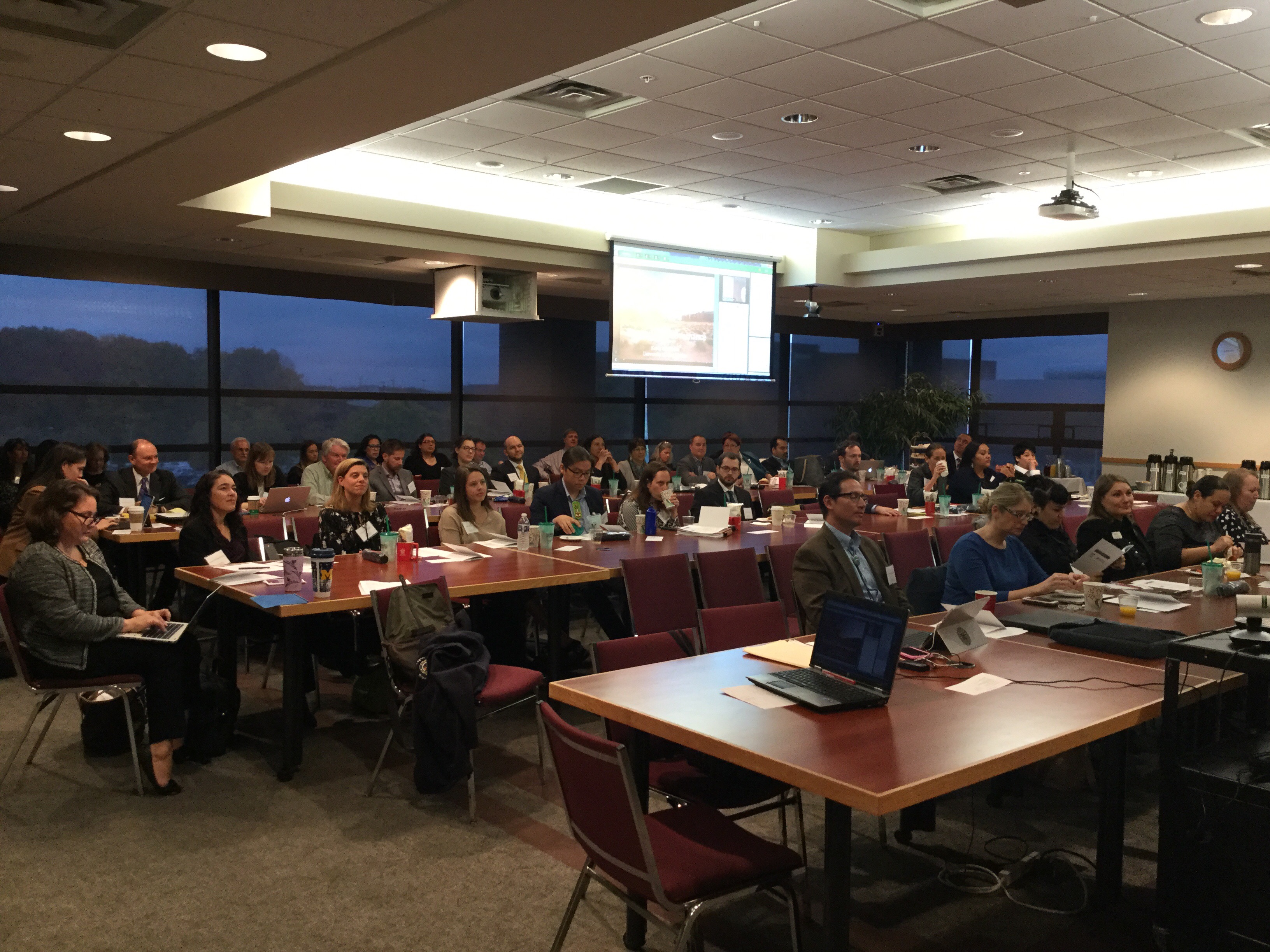
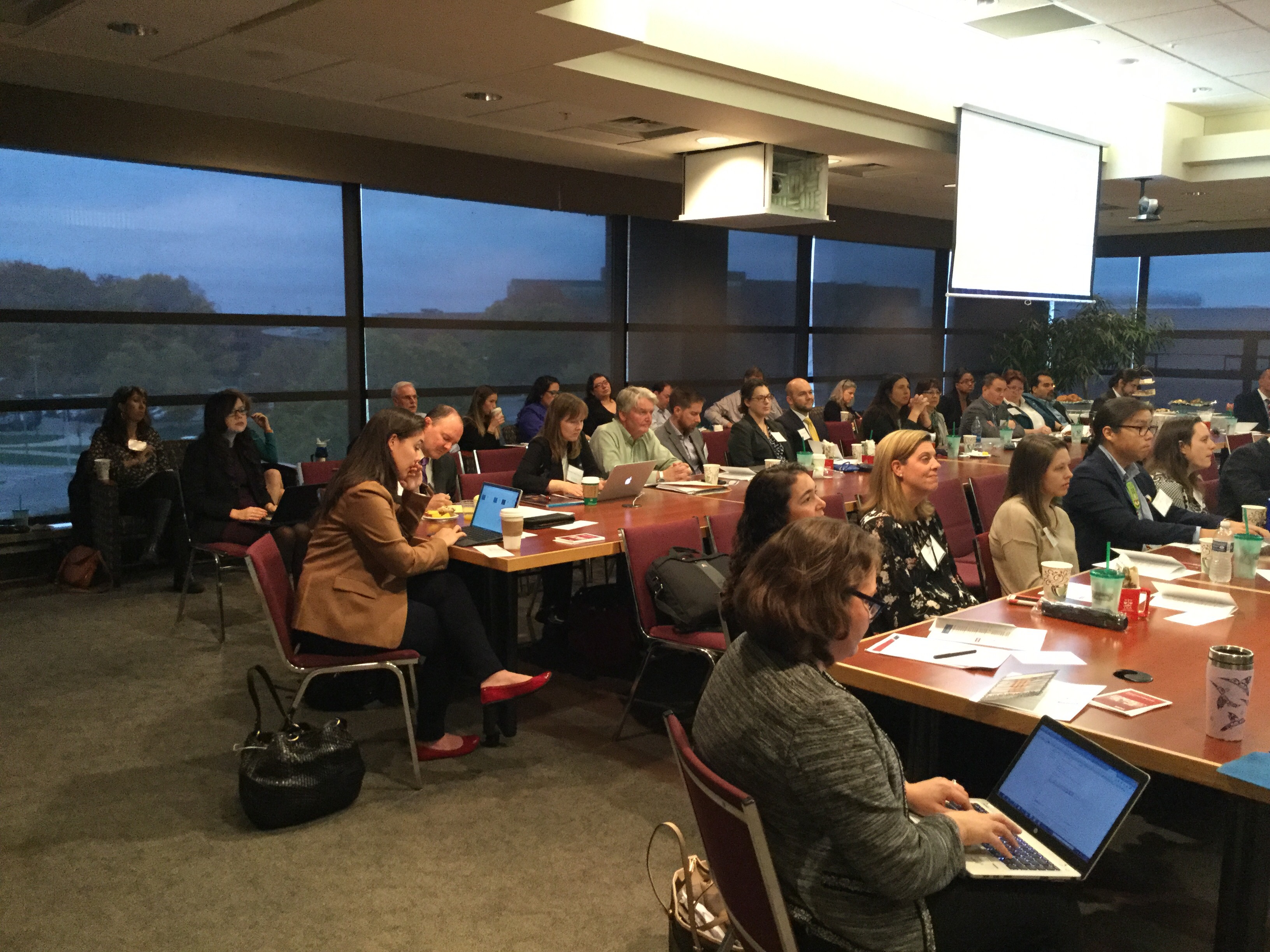
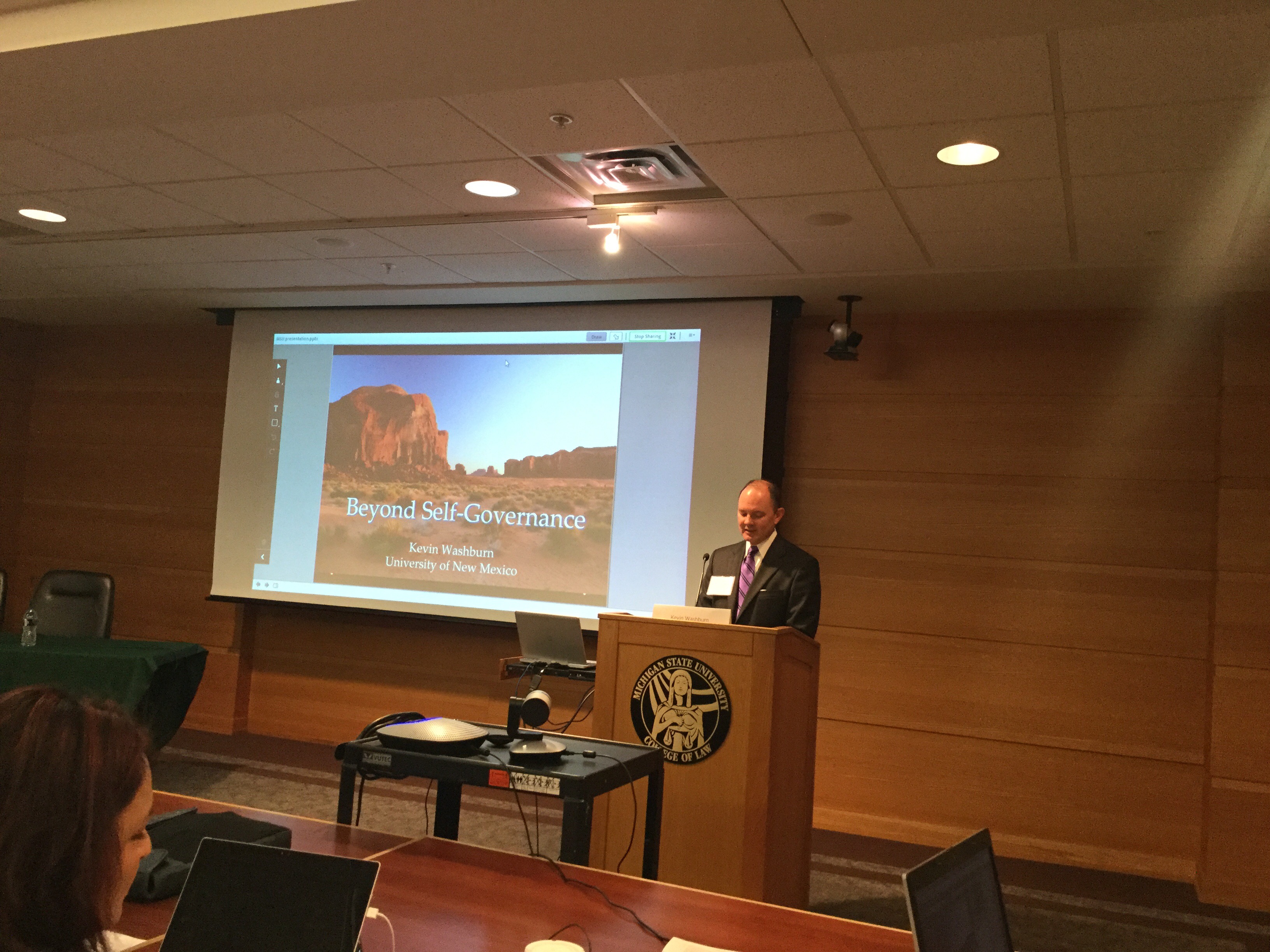
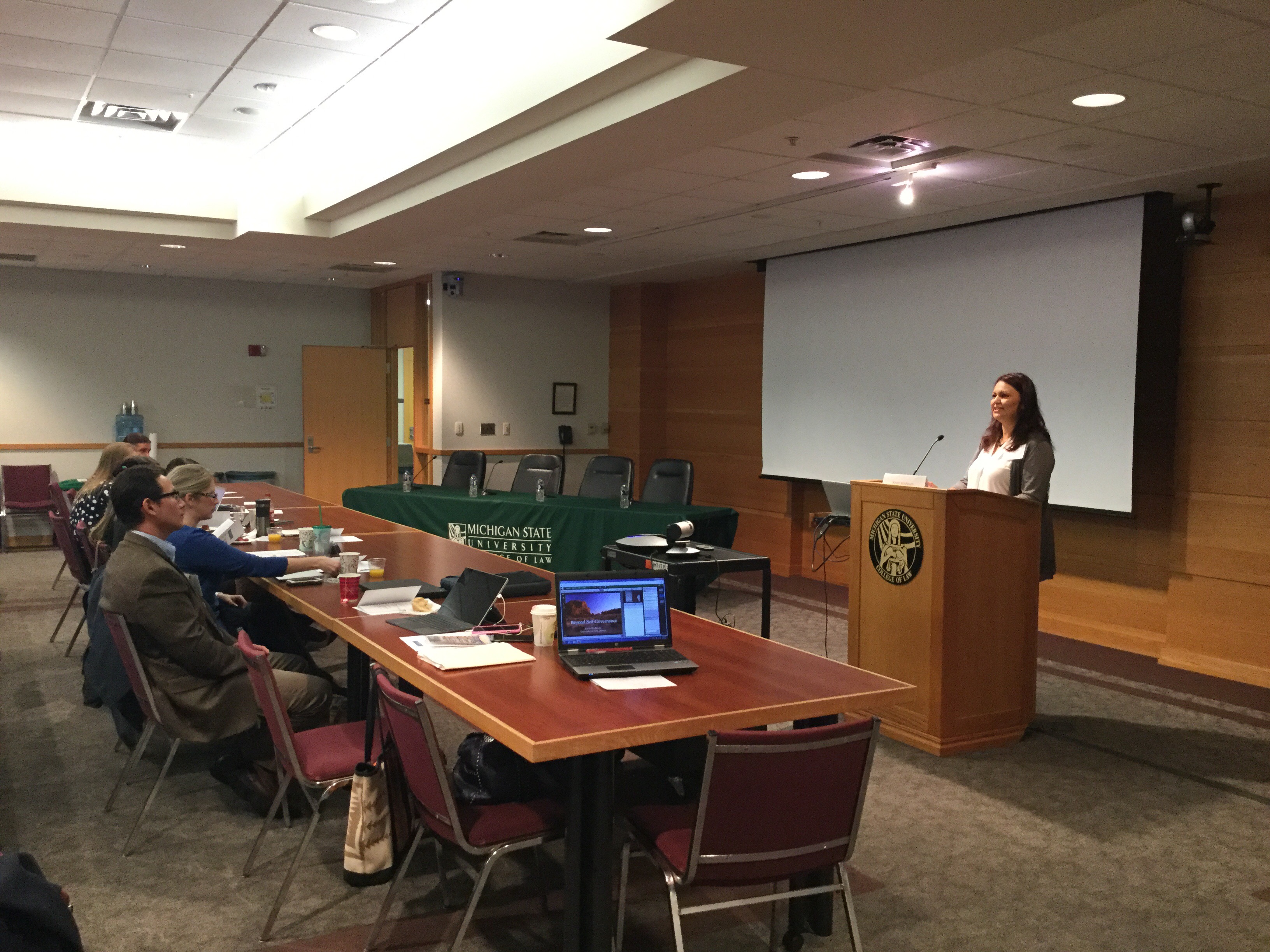
Here (Kevin Washburn Press Release 8-8-2016):
NITA is pleased to announce Kevin Washburn, Professor of Law, University of New Mexico School of Law as this year’s Keynote .

Keynote Speaker. Kevin Washburn is currently a law professor, and was previously the dean, of the UNM School of Law. Washburn previously served as the Assistant Secretary for Indian Affairs in the Obama Administration in Washington, D.C. from 2012 through the end of 2015. In that role, he was the highest ranking official in charge of federal Indian policy for the United States government, overseeing the Bureaus of Indian Affairs and Indian Education, together consisting of more than 8000 employees, and executed a budget of roughly $2.8 Billion. He also testified approximately thirty times before Congressional Committees and worked on a daily basis with the White House. He also appeared several times before the United Nations in Geneva to defend our nation’s adherence to international treaties.
Washburn graduated from Yale Law School, and has been a trial attorney at the Department of Justice in Washington and a federal prosecutor in New Mexico. He also served as the general counsel of the National Indian Gaming Commission, a federal regulatory agency in Washington, D.C. As an academic, he has taught law at the University of Arizona, the University of Minnesota and Harvard Law School. He also has several books to his name, and is a co-author/co-editor of the Cohen Handbook.
Washburn began his legal education in 1990 at the Pre-Law Summer Institute at the University of New Mexico. He is a citizen of the Chickasaw Nation of Oklahoma.
NITA is honored and pleased to have Kevin Washburn as the keynote speaker for this year’s conference. Additional conference details and registration information can be found on NITA’s website at: http://intertribaltaxalliance.org/
Kevin Washburn has posted “Recurring Issues in Indian Gaming Compact Approval” on SSRN. The paper is forthcoming in Gaming Law and Economics.
The abstract:
As tribal-state gaming compact negotiations under IGRA have become more complex and ratification in state and tribal legislative bodies has become more political, state and tribal negotiators sometimes lose sight of important interests protected by IGRA through the Secretary of the Interior’s review authority. IGRA is fairly clear about the terms parties may and may not negotiate in compacts and Interior has begun to enforce IGRA more and more rigorously in the review process. To minimize the risk of disapproval, state and tribal negotiators are wise to consider several issues that are likely to raise concerns among federal reviewers. This essay surveys some of the more common issues that continue to arise in compact negotiations.
On another, unrelated note, Professor Washburn’s photography skills were in fine form this last weekend.

Here, via NICWA.
“That’s been the plan from the beginning,” Bradley Goodsky told a mostly sympathetic audience at Mystic Lake Casino on Wednesday. “It’s like [child protection] has a crystal ball and we’re doomed to fail.”
Goodsky was one of the speakers to address federal administrators who are considering making it more difficult for social workers to put Indian children in foster care. The Bureau of Indian Affairs is proposing new rules that it says will strengthen the Indian Child Welfare Act, the 1978 law passed by Congress to stop the “often unwarranted” breakup of Indian families.
The act provides guidelines to child protection agencies and juvenile courts that set a high standard for placing Indian children into foster care, and it gives tribes a say in those cases. The proposed changes would raise that bar even higher, by requiring that child protection and the courts first determine if a child is Indian, and then only remove that child from a home where there is “present or impending risk of serious bodily injury or death.”Kevin Washburn, the U.S. Interior Department assistant secretary who leads the BIA, is touring the country with other agency officials to hear from tribes and the public about the proposals.
“Guidelines are great,” Washburn told the group at the casino in Prior Lake. “We need things that are legally enforceable.”
Do you have your written comments in yet? They are due May 19.
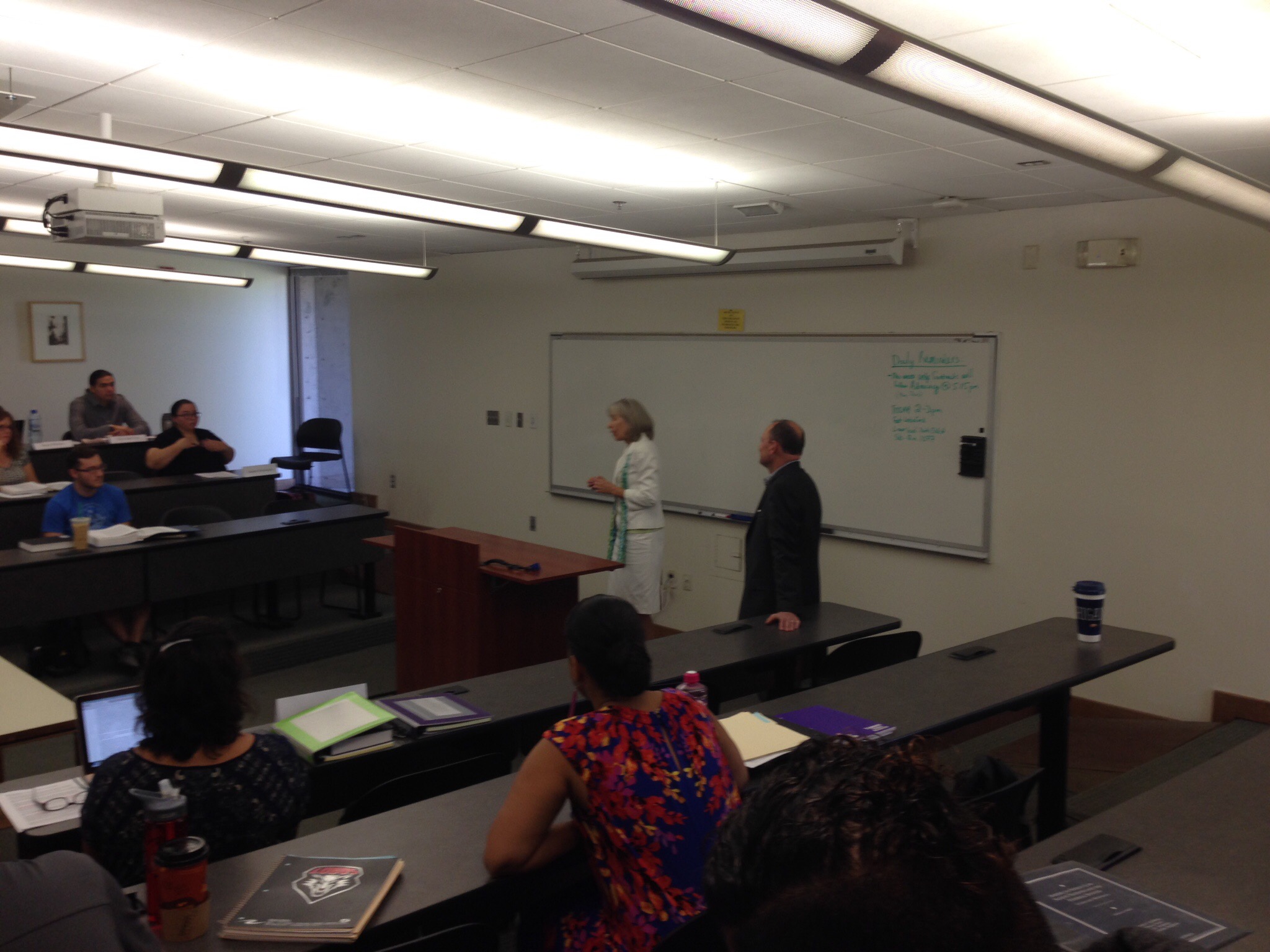
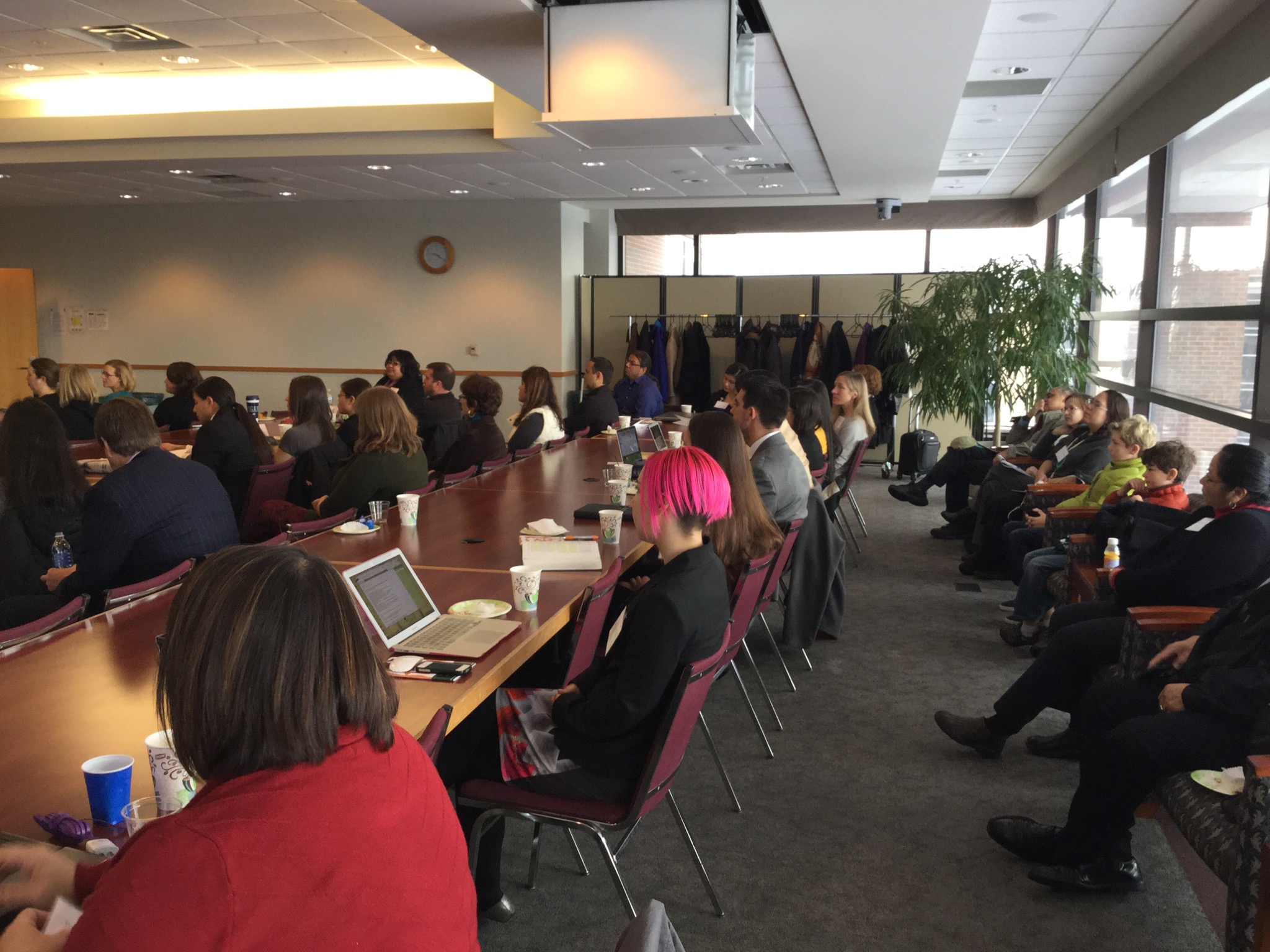
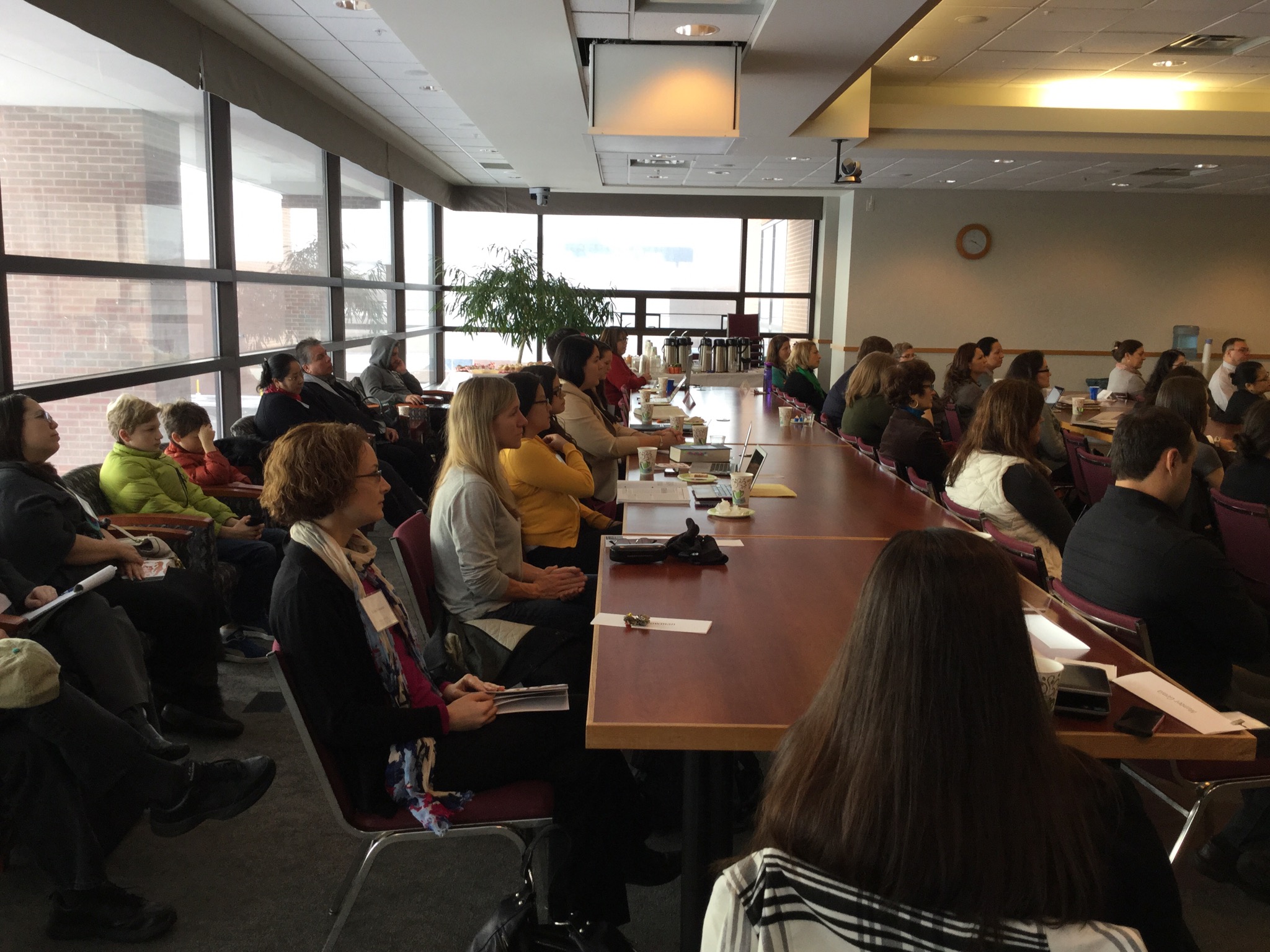
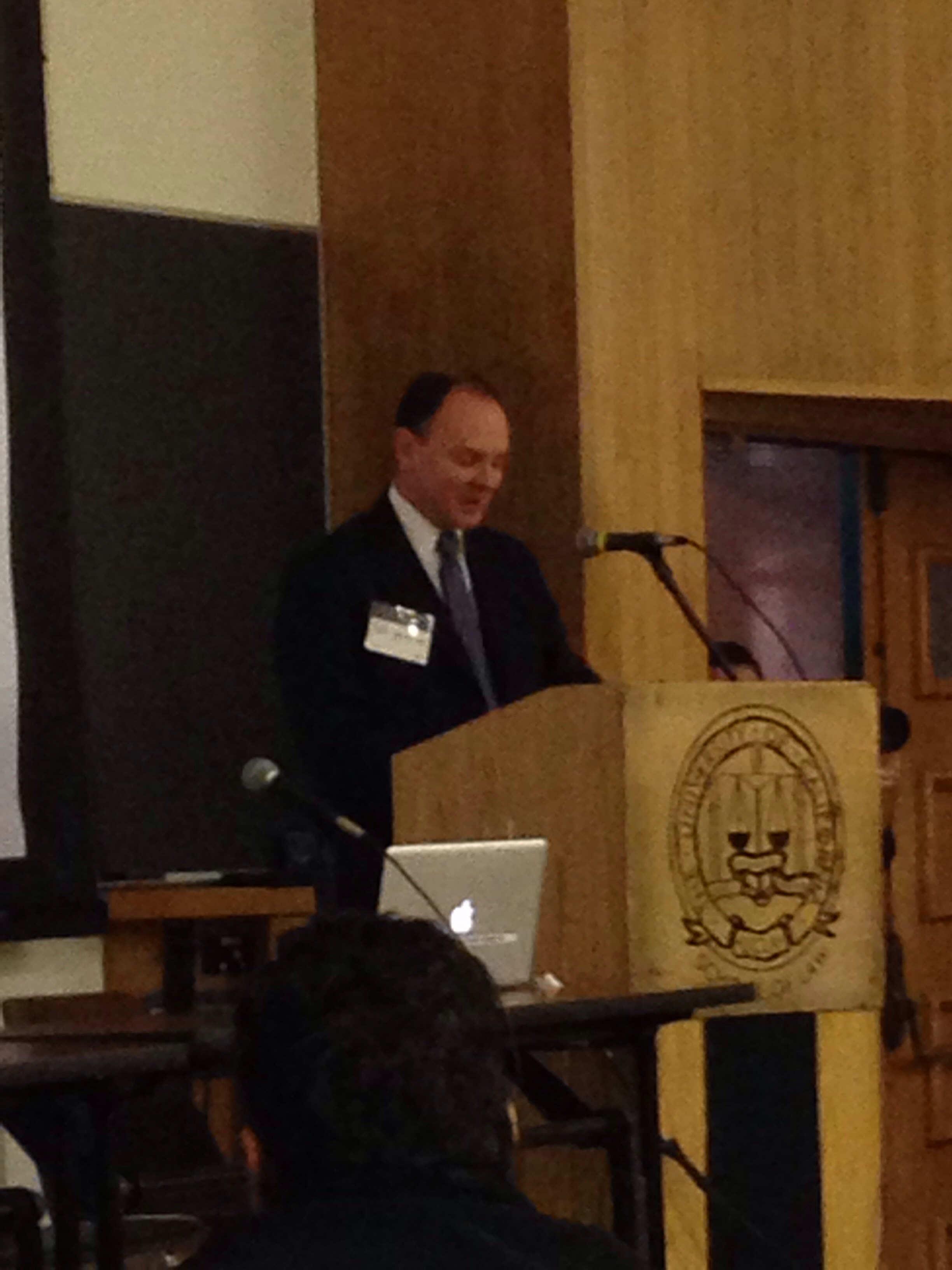
Keynote speaker Kevin Washburn
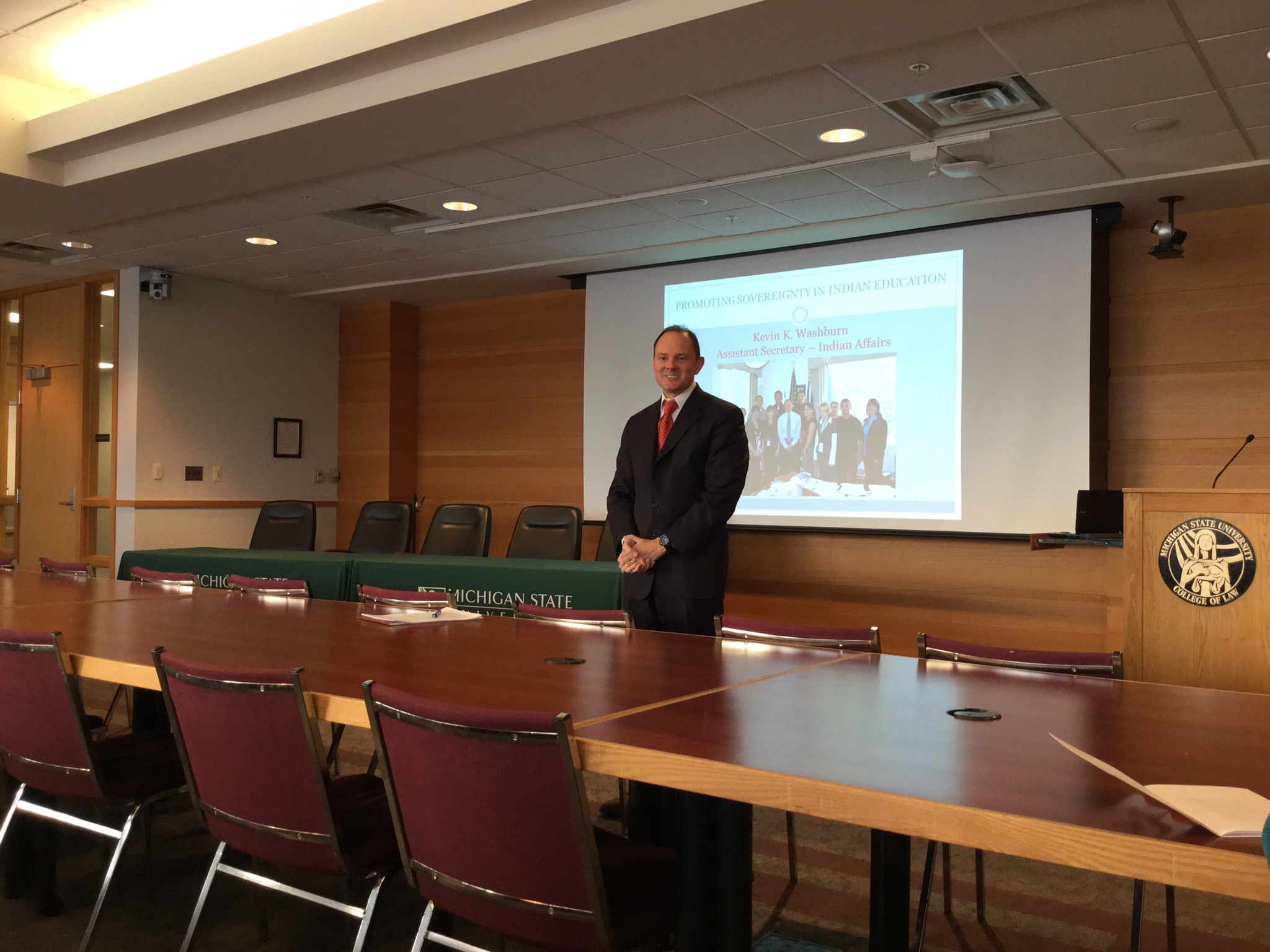
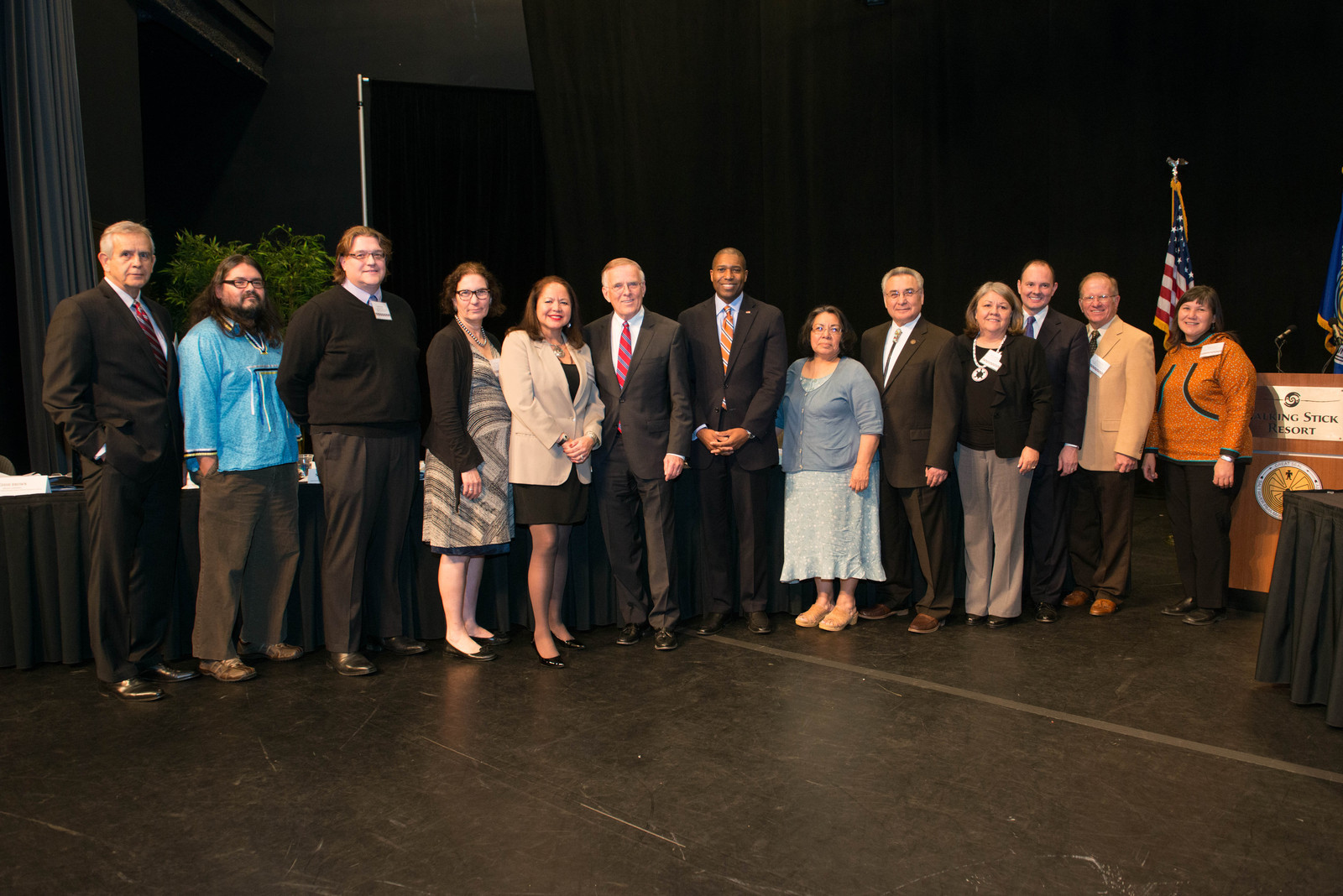
Dean Howarth and Assistant Secretary Washburn

NALSA Representing

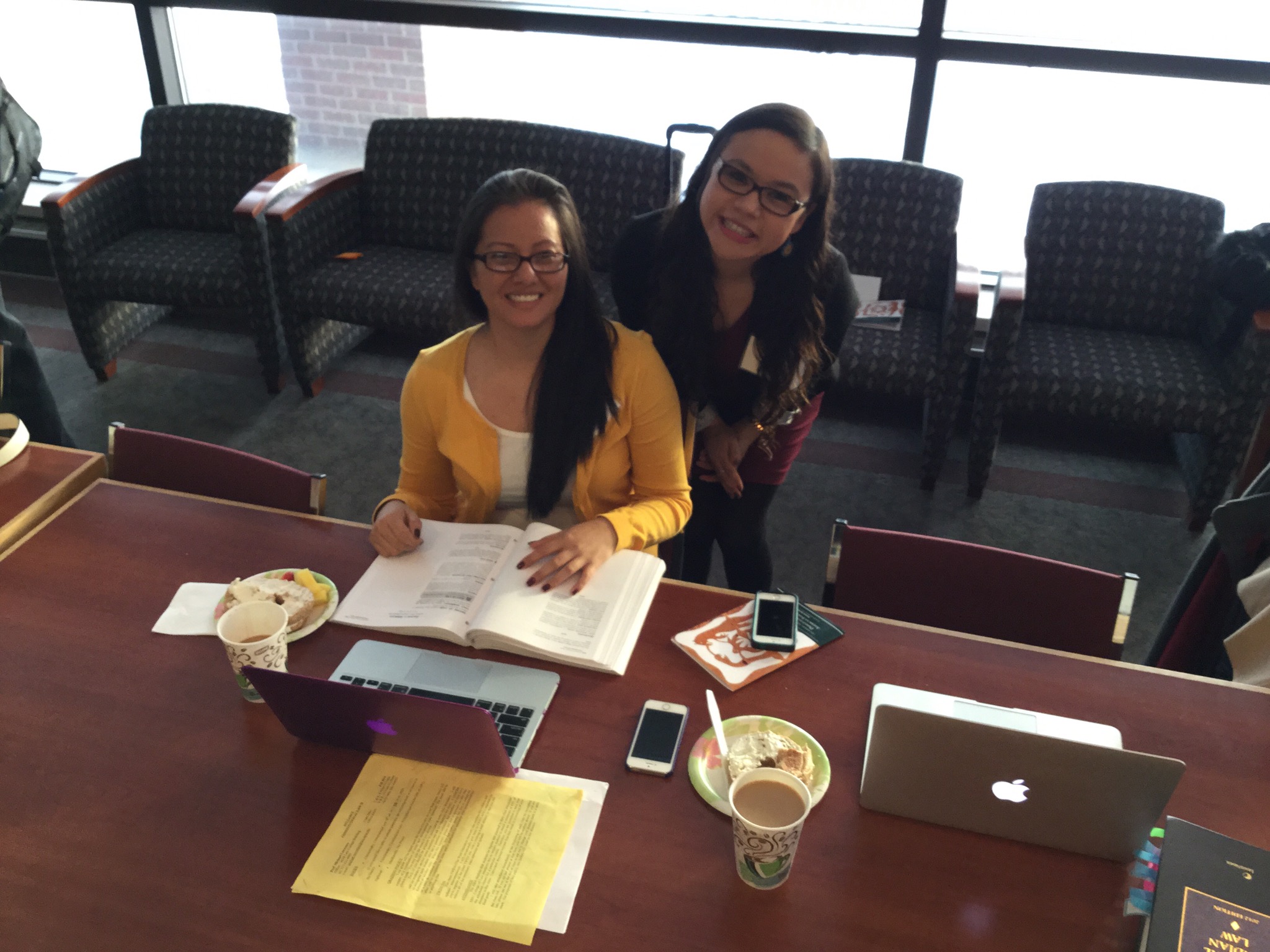
Tribal In House Counsel Reps — Doreen and Liz

Hungry Indians


Zaagi’idiwaag
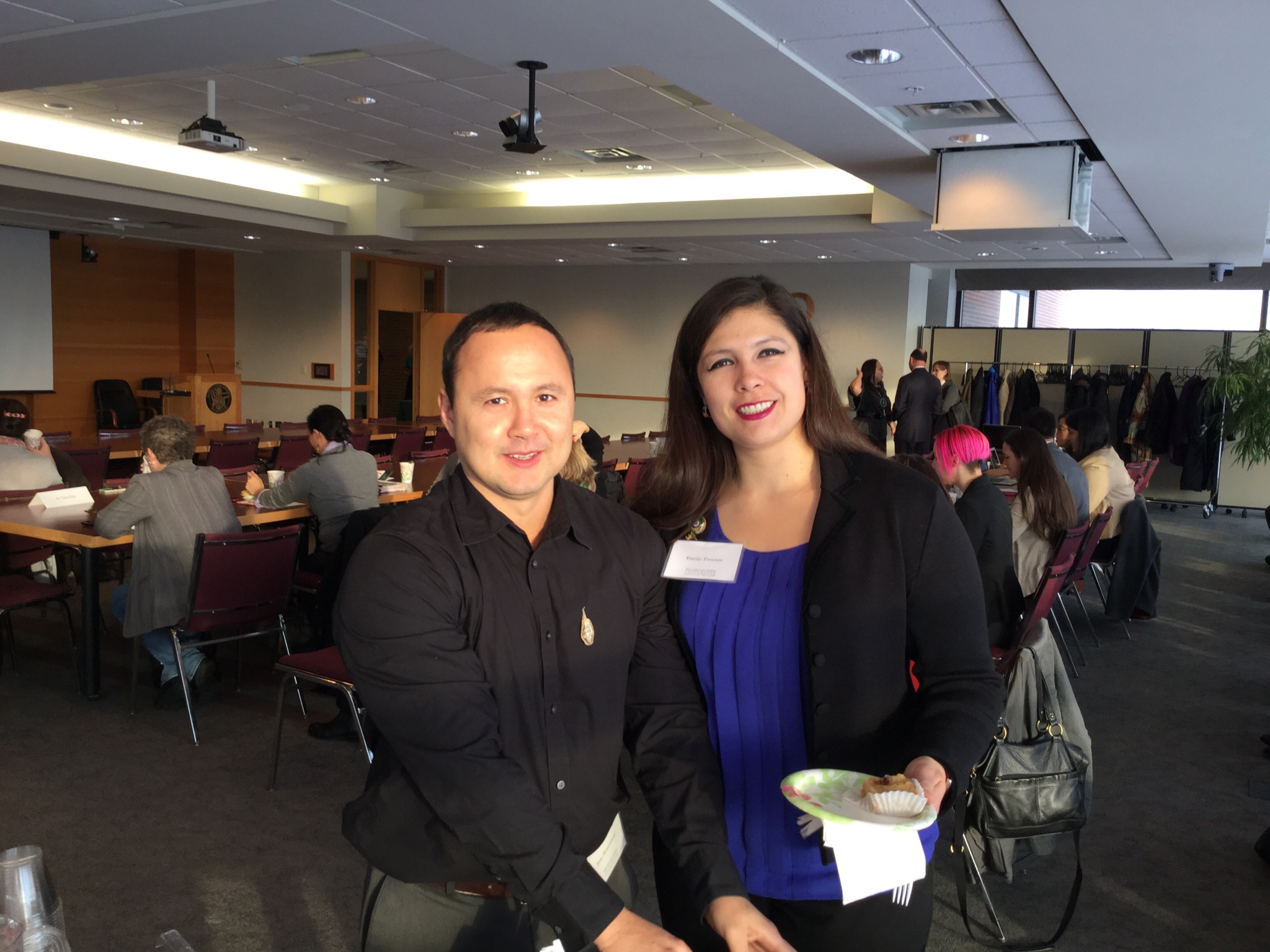
The keynote


Assistant Secretary Washburn Approves Four HEARTH Act Applications
to Help Spur Economic Development in Tribal Communities (PDF)
Dry Creek Rancheria, Jamestown S’Klallam, Mohegan, and Wichita and Affiliated Tribes join eight others already cleared to process economic development leases without BIA approval
WASHINGTON, D.C. — Assistant Secretary – Indian Affairs Kevin K. Washburn today approved leasing regulations submitted by four federally recognized tribes, restoring their authority to control the leasing of their trust lands and promoting their self-determination and economic development. This streamlined process for restoring tribal leasing authority is consistent with the objectives of the Helping Expedite and Advance Responsible Tribal Homeownership Act, or HEARTH Act.
“Thanks to the HEARTH Act, more tribes have been empowered to take over leasing on their lands,” Assistant Secretary Washburn said. “Tribal governments are the drivers of economic self-sufficiency and prosperity on their reservations and in their communities. The HEARTH Act restores their ability to directly control how their lands can and should be used for the good of their people, now and in the future.”
The four tribes, submitted requests for Secretarial approval of their leasing regulations, are: Dry Creek Rancheria Band of Pomo Indians in California, Jamestown S’Klallam Tribe in Washington State, Mohegan Indian Tribe of Connecticut, and Wichita and Affiliated Tribes in Oklahoma. Each tribe plans to authorize leases for general economic development.
The HEARTH Act was signed by President Obama in July 2012. It restores the authority of federally recognized tribes to develop and implement their own laws governing long-term leasing of federal Indian trust lands for residential, business, renewable energy and other purposes, which greatly expedites the approval of leases for homes and small businesses in Indian Country. Upon one-time approval of its regulations by the Department of the Interior, a tribe may process land leases without having to first gain approval from the Bureau of Indian Affairs (BIA).
The Assistant Secretary’s action brings to 12 the number of tribes who have had their tribal leasing regulations approved under the Act. The others are: Federated Indians of Graton Rancheria, California (Feb. 1, 2013); Pueblo of Sandia, New Mexico (March 14, 2013); Pokagon Band of Potawatomi Indians, Michigan (April 11, 2013); Ak-Chin Indian Community; California (Nov. 10, 2013); Santa Rosa Band of Cahuilla Indians, California (Nov. 10, 2013); Citizen Potawatomi Nation, Oklahoma (Nov. 25, 2013); Ewiiaapaayp Band of Kumeyaay Indians, California (Dec. 10, 2013); and Kaw Nation, Oklahoma (Dec. 13, 2013).
In November 2012, the Department announced new regulations resulting from a comprehensive reform of the BIA’s antiquated regulations governing its process for approving surface leases on lands held in trust by the Federal Government for Indian tribes and individuals. As trustee, Interior manages about 56 million surface acres in Indian Country.
The new regulations streamlined the leasing approval process on Indian land, spurring increased homeownership and expediting business and commercial development, including renewable energy projects.
The Assistant Secretary – Indian Affairs oversees the BIA, which is headed by a director who is responsible for managing day-to-day operations through four offices – Indian Services, Justice Services, Trust Services and Field Operations. These offices directly administer or fund tribally based infrastructure, law enforcement, social services, tribal governance, natural and energy resources, and trust management programs for the nation’s federally recognized American Indian and Alaska Native tribes and villages through 12 regional offices and 85 agencies.

Here:
Here:
 Turtle Talk
You must be logged in to post a comment.