Here is today’s order list.
The petition in Klamath Irrigation District v. Bureau of Reclamation is here.
The BOR is here.
Reply is here:

Here is the complaint in Morrison County v. Dept. of the Interior (D. Minn.):

Here is the complaint in Advanced Simulation Technology LLC v. United States (Fed. Cl.):

Here is the complaint in Shoalwater Bay Indian Tribe v. Exxon Corp. (Wash. Super. Ct.):

Courtesy of Bill Wood:
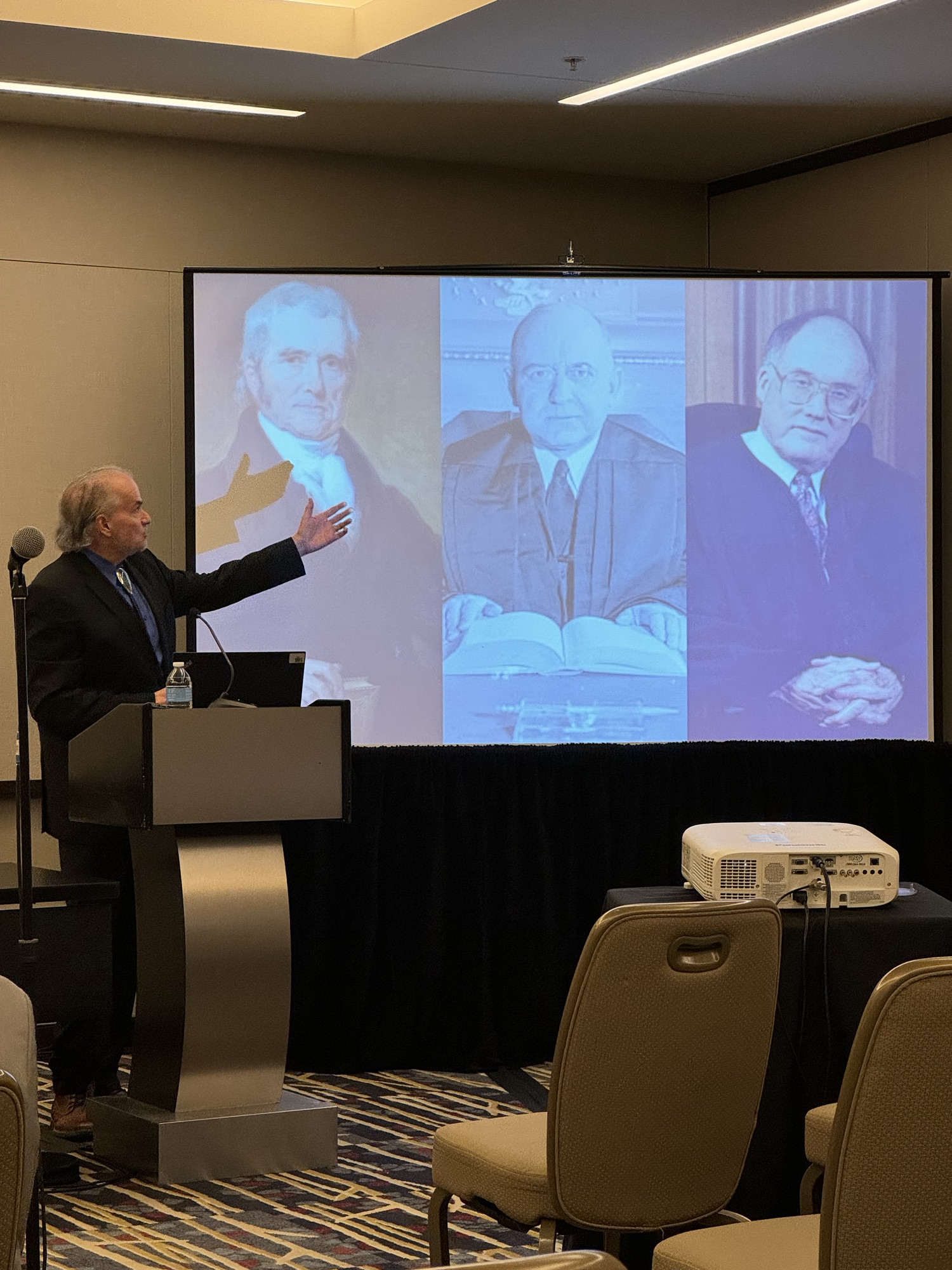
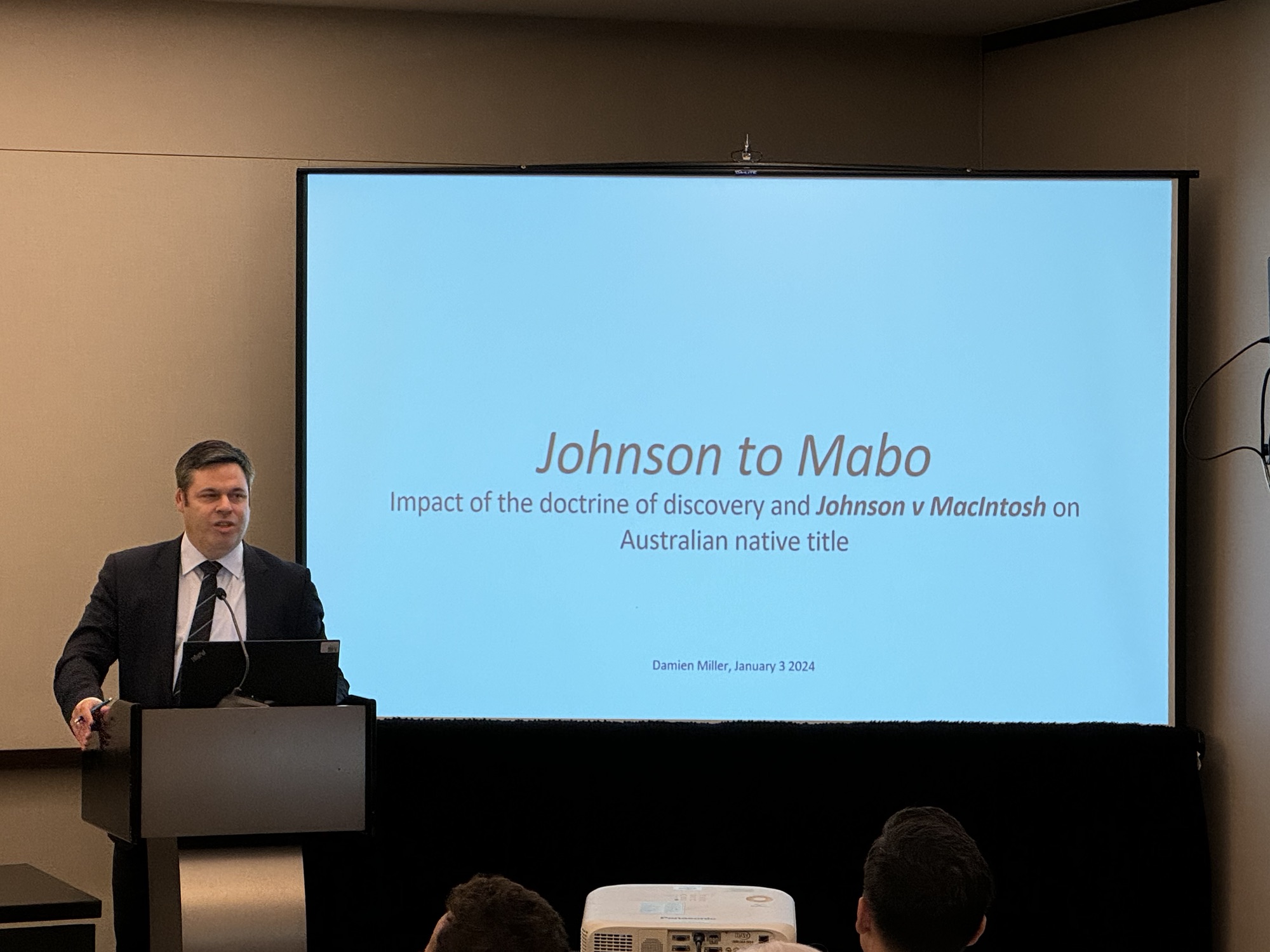

Michael Dolan has published “Tribal Sovereignty and Preemption” in the Brooklyn Law Review. PDF
Here is the abstract:
In June of 2022, the US Supreme Court held in Oklahoma v. Castro-Huerta that a state may prosecute a non-Indian for a crime committed against an Indian within Indian country. That decision effectively overruled Worcester v. Georgia, an 1832 landmark case in which Chief Justice Marshall said that state law “can have no force” in Indian country. Although the conventional wisdom about Castro-Huerta sees the case as a radical departure from first principles of federal Indian law, this article argues that Castro-Huerta is the natural—although deeply deplorable—next step in a long line of Supreme Court cases expanding state governmental authority within Indian country. Additionally, this line of cases mirrors a separate line restricting tribal governmental authority within Indian country. Through a critical examination and reinterpretation of these two decisional lines, this article demonstrates how the Supreme Court over the last half century has systematically privileged state interests and the interests of non-Indian individuals over tribal interests. In so doing, the Court has arrogated to itself the political function, formerly exercised only by Congress, of defining tribal sovereignty. This article concludes with a call for Congress to reject the Court’s relentless subordination of Indian interests to non-Indian interests and to reassert its role in defining and defending a robust conception of tribal sovereignty.
HIGHLY RECOMMENDED!!
Robin Kundis Craig has posted “Tribes and Water in the Wake of Navajo Nation and Sackett: Treaties, Winters, Montana, and Rights of Nature,” forthcoming in the William & Mary Environmental Law and Policy Review, on SSRN.
Here is the abstract:
As headlines over the last decade have made clear, people in the United States can no longer afford to take fresh water for granted. In the midst of increasing issues regarding both water quality and water quantity (allocation), Tribes are playing an ever-more-active role in the Nation’s water management. This Article provides an overview of the contemporary legal landscape governing tribal authority over water, emphasizing two recent Supreme Court decisions: Sackett v. Environmental Protection Agency (May 2023), in which the Supreme Court cut back on the Clean Water Act’s jurisdictional reach, and Arizona v. Navajo Nation, in which the Court held that the federal government has no trust duty to help Tribes get water.
HIGHLY RECOMMENDED!
Here are the materials in United States v. Good Left:
Unpublished Opinion:

Here.


 Turtle Talk
You must be logged in to post a comment.