Here are the briefs:
Opinion here.

Lower court materials here.
Here:
John P. LaVelle, Compendium of Exhibits From the Papers of Supreme Court Justices, 88 Mont L. Rev. Online (2025).
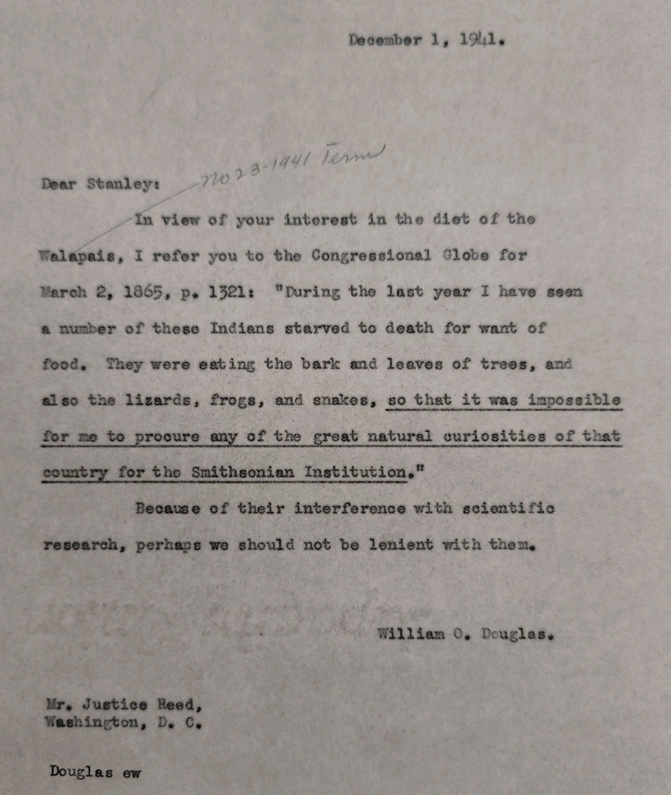
Here are the briefs in Berube v. Sault Ste. Marie Tribe of Chippewa Indians (W.D. Mich.):
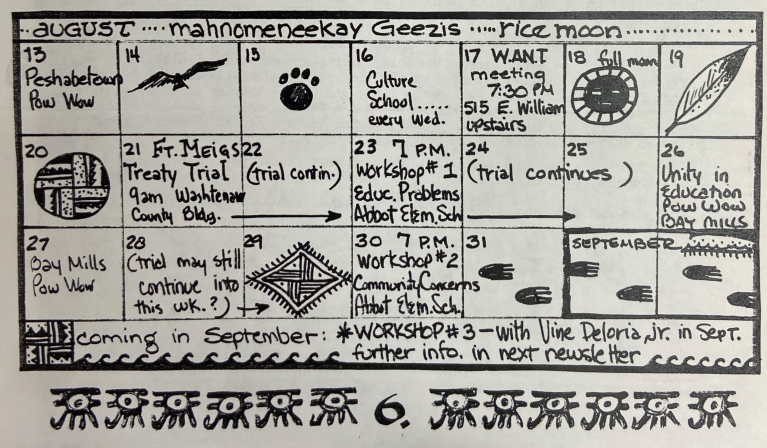
Here is the complaint in Picayune Rancheria of Chukchansi Indians v. United Here Local #19 (E.D. Cal.):
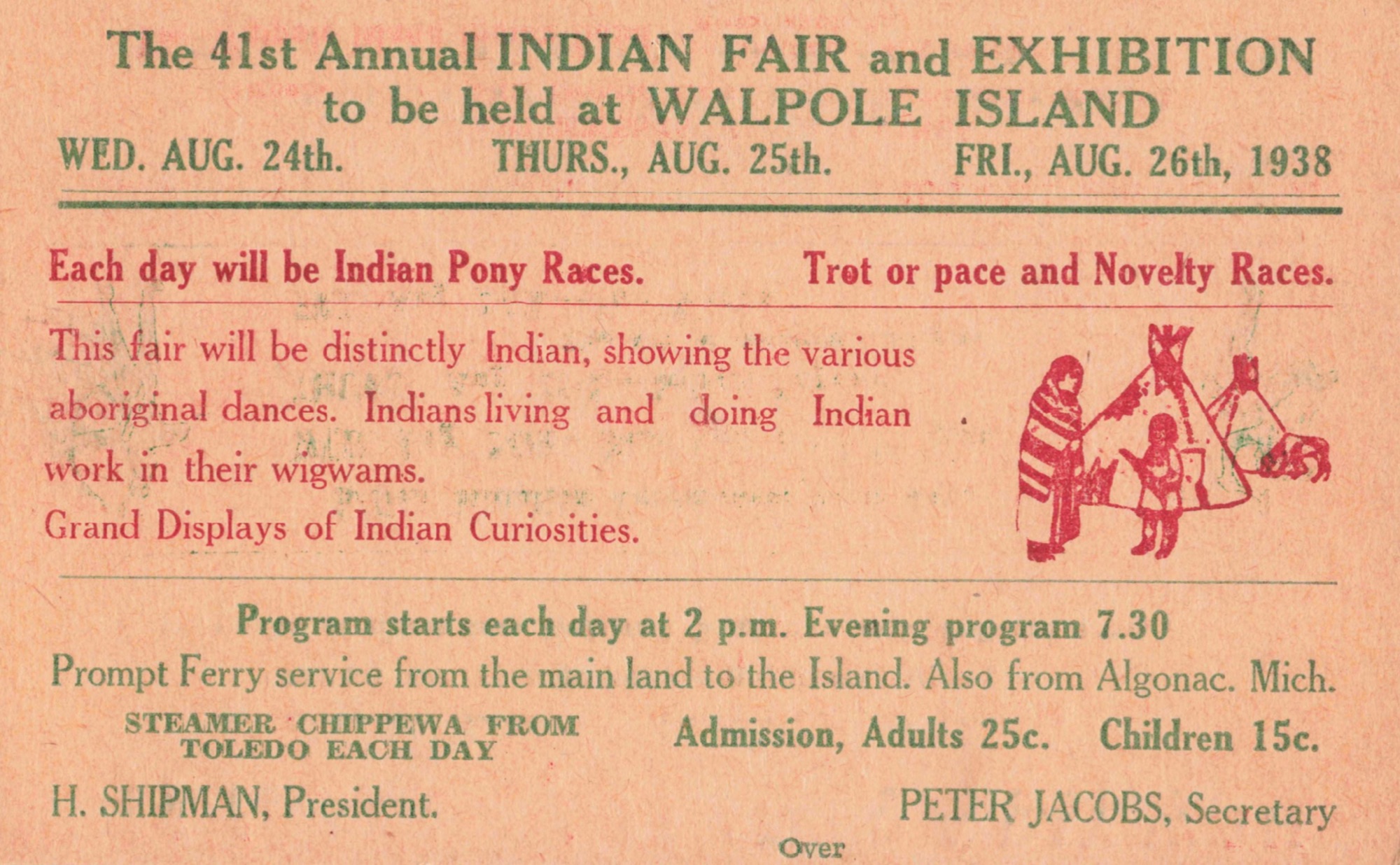
Here are the materials (so far) in State of Connecticut v. Dept. of the Interior (D. Conn.):
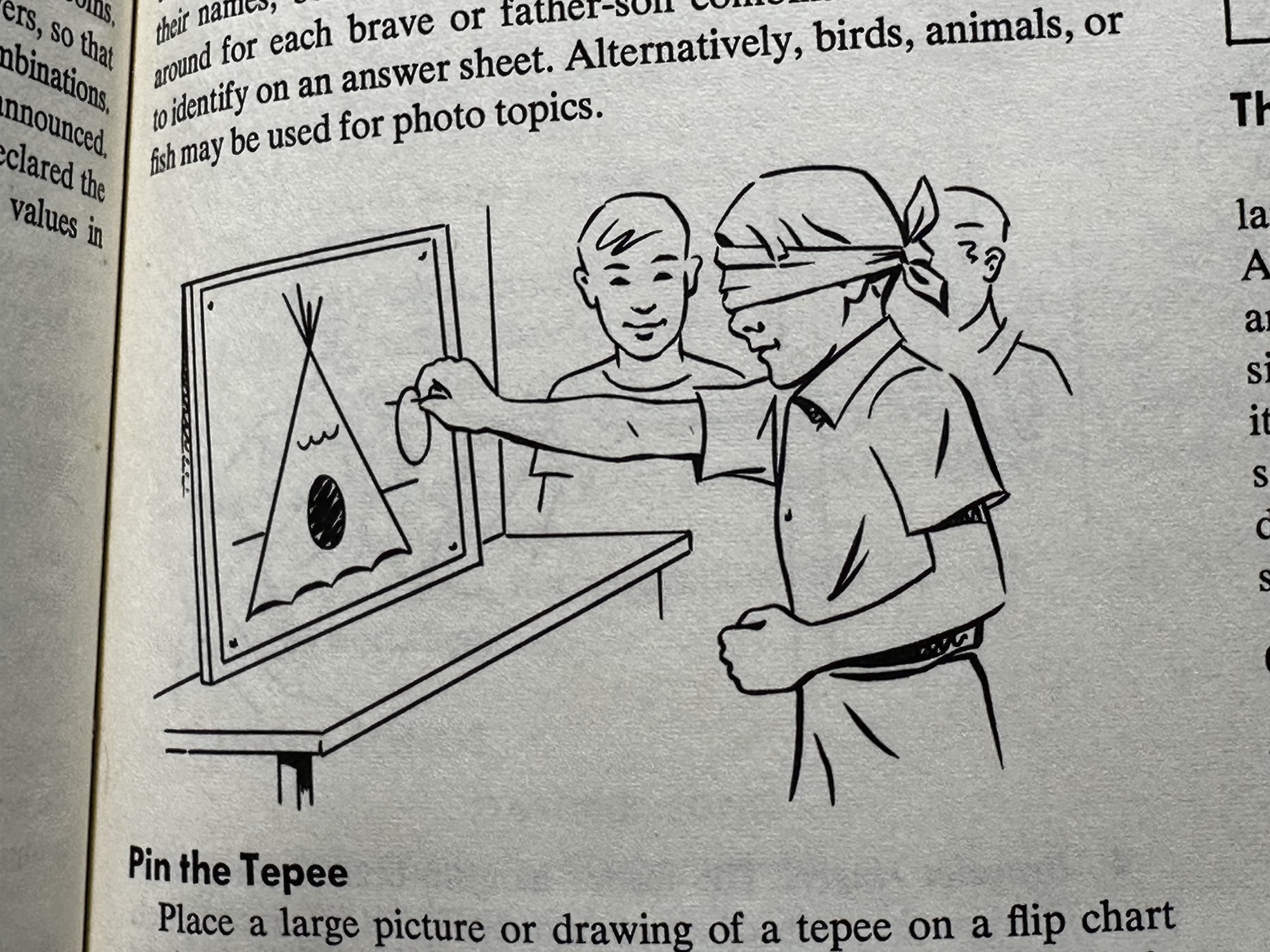
Here is the opinion in In the Matter of Lile.

Here:
Question presented:
Whether a state may exercise criminal jurisdiction over an Indian for conduct in Indian country absent a valid congressional grant of authority.

Lower court materials here.
Matthew Fletcher and Dr. Hannah Wenger have posted “Issues of Contemporary Health Policy and Law for Two-Spirit, Indigiqueer, Transgender and Gender-Diverse Communities in Indian Country” on SSRN.
Here is the abstract:
This policy brief asks a hypothetical question in a political environment in which the U.S. federal government and many states disfavor the delivery of gender-affirming medical care (GAMC) to 2S/IQ/TGD persons, even to the point of criminalizing such care. It further assumes that a tribal nation is willing and capable of delivering GAMC. The answer to the hypothetical question depends on many factors, including (1) whether the state law is authorized by an Act of Congress such as Public Law 280, (2) whether the state law is a criminal law or a civil-regulatory law, and (3) whether the patient or health care professional is a tribal citizen, a nonmember Indian person, or a non-Indian person. The answer here also assumes that the relevant state law does affirmatively criminalize the provision of GAMC and, further, that federal law prohibits the use of federal money by tribal nations to provide GAMC.

 Turtle Talk
You must be logged in to post a comment.